
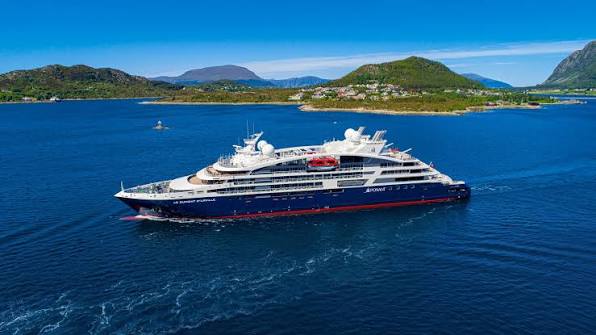
From Barcelona to Oslo · Northern Europe · 45 nights
From Barcelona to Oslo
Arguably one of the finest ships at sea returned to the ultra-luxury cruise sector in 2023, completely refurbished and enhanced.
Following extensive refurbishment, Crystal Serenity has emerged
reinvigorated with contemporary, spacious accommodations and an
industry-leading space to guest ratio. The array of social areas,
wide-ranging entertainment and world-class dining options deliver
the ultimate in luxury cruising.
Barcelona, the cosmopolitan capital of Catalonia, is one of our favourite ports of call. From the warren-like medieval streets of the Barri Gòtic to the fantastical modernist architecture of Antoni Gaudí, from the dizzy heights of Mount Tibidabo to the golden sands of Barceloneta, there's never a dull moment in this most beguiling of cities. Take a stroll along the Ramblas, soak up the wonderful art of Picasso and Miró, or experience the electrifying atmosphere of a match at the Camp Nou. Barcelona is truly a city with something for everyone.
The crumbling, sun-baked seafront city of Cádiz is said to be the oldest continuously inhabited settlement in the western world, founded by the Phoenicians around 1100 BC. Although the city lacks any obvious landmarks, it’s rich in atmosphere, and plays host to one of Spain’s most colourful carnivals.
Spread across steep hillsides that overlook the Rio Tejo, Lisbon’s colourful cityscape includes Gothic cathedrals, majestic monasteries and quaint museums. But for many the best times will be had wandering the narrow lanes of Lisbon’s lovely backstreets, with their great local food, wine and music.
Blessed with a dramatic setting on the steep banks of the river Douro, Portugal’s second city is currently enjoying something of a renaissance, and is best known as the home of the country’s most famous export, port wine.
La Coruña is the largest city in Galicia, a beautiful region of lush green countryside and wild, windswept beaches. Historical sights of note include the Tower of Hercules, a UNESCO-listed Roman lighthouse, and the city is also home to some great seafood restaurants.
Gijón is the largest city in the Asturias region of northern Spain, an important industrial port but also a lively and youthful place, ideally positioned for exploring the Costa Verde. The most interesting area is the historic fishing village of Cimadevilla, which sits on a peninsula that divides the bay in two.
Bordeaux sits at the centre of the world's most famous wine region, and is home to a beguiling blend of beautiful buildings, sophisticated gastronomy and high culture. It's a marvellous place to spend some time, whether it's a day sampling wines, an evening at the opera or a night on the tiles.
Perfectly located on a magnificent harbour on the south coast of England, Portsmouth boasts a rich maritime and naval heritage. In addition, it has a glorious sea front, and theatres, art galleries, cathedrals and museums.
Zeebrugge’s main attraction is its proximity to Bruges. This beautifully preserved old town is a magical maze of winding cobbled lanes, narrow canals and gorgeous gabled houses, and it’s no wonder so many visitors throng the streets in summer.
The ‘granite city’ of Aberdeen is flush with money from the North Sea oil boom, and boasts cultural attractions including the fascinating Maritime Museum and the Aberdeen Art Gallery. Head out into the countryside and you’ll find magnificent castles, wild mountain scenery and whisky distilleries aplenty.
Lerwick is the only town of any size in the Shetland islands, and originally grew up around the herring trade. Highlights include the charming 18th century architecture along the waterfront and the informative Shetland Museum, which provides an excellent introduction to the history and culture of the islands.
The Nordfjord is one of Norway’s longest fjords, with more than 60 miles of towering mountains, gushing waterfalls and glittering glaciers. This part of Norway is a region of superlatives, home to both Europe’s deepest lake, Hornindalsvatnet, and mainland Europe’s largest glacier, the spectacular Jostedalsbreen.
Bodø, just to the north of the Arctic Circle, is the largest city in Nordland county and the gateway to northern Norway. The town itself is not the most exciting place, but the surrounding scenery is striking and the islands to the north are home to the world’s densest population of white-tailed sea eagles.
Leknes is the gateway to the Lofoten islands, home to some of the most stunning scenery in all of Norway, and sailing through the archipelago is a wonderful experience. Fishing is still the main source of income for most of the picturesque wooden villages that are dotted along the nearby coast.
The port of Honningsvåg is the gateway to Europe’s most northerly point, the North Cape, and enjoys 24-hour daylight in summer. Aside from tourism, fishing is the major industry in this part of Norway, and the region is also said to be inhabited by trolls.
Situated over 600 miles beyond the Arctic Circle, Hammerfest claims to be the world’s northernmost town, although other Arctic settlements would contest this. It’s also the only place where you can join the Royal and Ancient Polar Bear Society, a slightly eccentric club with some 250,000 members worldwide.
Tromso’s location well within the Arctic Circle means the summer months are lit by the Midnight Sun, a compensation for long dark winters. Explore the streets with their multi-coloured wooden houses, see the amazing architecture of the Arctic cathedral, or take the cable car up to Mount Storsteinen for a fantastic view.
Siglufjörður is the most northerly town on the Icelandic mainland, a remote little fishing port backed by imposing mountains. You can learn about the town’s history at the herring museum, explore the local culture at the Folk Music Centre or head out on one of the scenic hiking trails around the fjord.
Patreksfjörður is the largest village in the southern part of the Westfjords, and was named after St Patrick of Ireland. From here it’s easy to visit attractions including the famous Látrabjarg cliffs, home to thousands of nesting seabirds, and the dramatic Dynjandi waterfall.
Capital of Iceland and gateway to this extraordinary volcanic island, modern Reykjavík is home to an impressive collection of interesting attractions and places of historic significance. Visit the impressive Hallgrímskirkja church, relax in a thermal pool, potter around the old harbour, and enjoy 24 hour daylight in the summer months.
Greenland’s capital and largest town, Nuuk is positively cosmopolitan compared to the rest of this remote and isolated country. The setting amongst mountains and fjords is striking, and attractions include the Greenland National Museum and the picturesque Old Harbour.
Paamiut is known for its warm community spirit and remarkable wildlife, home to the country’s largest population of white-tailed eagles. Here, ancient trails wind through dramatic landscapes dotted with colourful historic houses that recall a past shaped by whaling and fur trading, while nearby waters offer chances to spot whales.
Qaqortoq is southern Greenland’s largest town, though with just 3,000 inhabitants it’s hardly crowded. A trip to the nearby hot springs at Uunartoq is recommended; relaxing in the 38°C water and watching icebergs drift across the bay is quite something.
Spread over several islands on an impressive natural harbour, Kristiansund is intimately connected to the sea, and is famous for its 'klipfish' - a dish of dry, salted cod. The city was badly damaged by fire during the war, and was rebuilt in a distinctive, multi-coloured style.
Tórshavn, named after the Norse god Thor, is one of the world’s smallest capitals, with a population of just 20,000. The brightly coloured facades and turfed roofs lend the harbour an attractive, storybook quality, and the narrow streets are home to some atmospheric pubs and cafés.
Lerwick is the only town of any size in the Shetland islands, and originally grew up around the herring trade. Highlights include the charming 18th century architecture along the waterfront and the informative Shetland Museum, which provides an excellent introduction to the history and culture of the islands.
Stavanger originally grew rich from its fishing industry, though these days it’s Norway’s oil boom that is powering the city’s economic growth. In spite of this modern gold rush the historic centre of Stavanger retains its charm, and the spectacular Lysefjord is within easy reach of the city.
The intriguing city of Oslo, Norway’s capital, has so much to offer, from the open air Norwegian Folk Museum to the amazing Vigeland sculpture park, and from the Holmenkollen Ski Museum to the Munch Museum’s collection of memorable paintings. History, art and culture are what defines this lovely city.