
From Genoa to Reykjavik · Northern Europe · 62 nights
From Genoa to Reykjavik
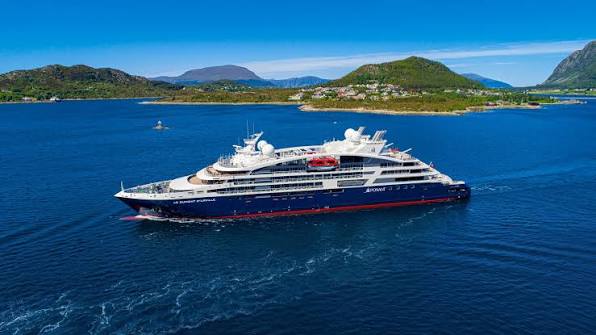
Seabourn has become the latest ultra-luxury cruise line to enter the expedition market with the launch of Seabourn Venture in 2022, followed by sister ship Seabourn Pursuit in 2023.
Seabourn Venture and Pursuit bring the trademark Seabourn style
and sophistication to the world of expedition cruising, with
interiors by designer Adam D Tihany, sumptuous veranda suite
accommodation and immersive adventure activities.
Genoa has a legendary seafaring heritage, and was once a powerful maritime republic. However, the city's most famous son, Christopher Columbus, was spurned by the Genoese elite when he came looking for funds for his expedition, and his discoveries for the Spanish Crown played no small part in Genoa's downfall. Modern Genoa is Italy's largest sea port, and the atmospheric, labyrinthine streets of the old town are filled with dazzling architecture that harks back to the city's golden age, although some neighbourhoods are admittedly a little rough around the edges.
Ever since Brigitte Bardot put Saint Tropez on the map with the seminal ‘And God Created Woman’ in 1956, this diminutive fishing village on the French Riviera has been a magnet for the international glitterati.
Port-Vendres is a bustling fishing port on the coast of French Catalonia, close to the Spanish border and a short drive from the picturesque town of Collioure. It’s a great destination for seafood lovers, and the surrounding vineyards produce some excellent wines.
Smaller than Mallorca and mellower than Ibiza, Menorca is rightly feted for its beautiful, unspoilt beaches. The laid back capital, Mahón, is set on the Mediterranean’s largest natural harbour, and the city’s striking Georgian architecture is a reminder of the 18th century British occupation of the island.
The bustling port of Motril is less than an hour’s drive from Granada, last stronghold of the Moors in Spain and home to the famous Alhambra palace. The narrow streets of the Albayzín quarter are particularly evocative of the days of Al Andalus, and you can explore Granada’s Jewish heritage in the atmospheric Realejo district.
After years of neglect, Tangier is finally being restored to its former glory as a cosmopolitan crossroads between Europe and Africa. The Moroccan government has invested heavily in modern infrastructure, while the spruced up medina shines with a new-found cultural dynamism.
Seville is a wonderful destination, a sophisticated and sun-kissed city on the banks of the Guadalquivir river. It’s a treat for all the senses, from the smell of orange blossom to the heart-tugging sounds of flamenco, and the highlight of the calendar is undoubtedly Semana Santa, when a spectacular Easter parade fills the streets.
Portimão is a bustling fishing port and gateway to the Algarve, with a pleasant riverside promenade where the smell of sizzling sardines fills the air. The most popular attraction is Praia da Rocha just to the south, one of the Algarve’s loveliest beaches.
Spread across steep hillsides that overlook the Rio Tejo, Lisbon’s colourful cityscape includes Gothic cathedrals, majestic monasteries and quaint museums. But for many the best times will be had wandering the narrow lanes of Lisbon’s lovely backstreets, with their great local food, wine and music.
An important naval base and major commercial port, Cherbourg is the gateway to the many attractions of Normandy, including the Bayeux Tapestry and the beaches where the D-Day landings took place. Cherbourg’s excellent Cité de la Mer maritime museum is also well worth a visit.
Plymouth has a fine seafaring heritage, and it was here that the Pilgrim Fathers set sail for the New World on board the Mayflower. The city was badly damaged during the Second World War, but an ongoing regeneration project is breathing new life into the waterfront, and nearby attractions include Buckfast Abbey and Dartmoor National Park.
The wildlife haven of Skomer Island sits just off the coast of Pembrokeshire, and is best known for its large population of breeding seabirds, including puffins, Manx shearwaters, guillemots and razorbills. You may also spot peregrine falcons, grey seals, harbour porpoises and the endemic Skomer vole.
Bantry Bay is one of the most picturesque spots on County Cork’s west coast, sandwiched between the Beara and Sheep’s Head peninsulas. Local highlights include the 18th-century Bantry House, with its elegant gardens and intriguing links to the United Irishmen Rebellion of 1798.
Colourful Kinsale is situated on a sheltered natural harbour, guarded by a brooding 17th-century fortress. The winding streets are a delight to explore, and the town is home to some excellent restaurants, galleries, pubs and shops. For sublime coastal views, take a trip out to the Old Head of Kinsale Lighthouse.
The 1998 Good Friday Agreement was a watershed moment for Northern Ireland, and its rejuvenated capital is enjoying a surge in popularity. The new Titanic Belfast museum is the star attraction, while the city centre boasts some handsome Victorian architecture and a lively pub scene.
Rugged and unspoilt, peaceful and perhaps a little parochial, the Isle of Man is proud to be different. The island has its own government, the Tynwald, which is said to be the oldest continuous parliament in the world, as well as its own language and even its own currency, the Manx pound.
The peaceful isle of Bute boasts surprisingly varied landscapes for an island of its diminutive size, from rugged moors and fertile hills to sandy beaches. Highlights include the beautiful gardens of Mount Stuart House and the imposing castle at Rothesay.
Tobermory, an old fishing station brightened by a crescent of colourful houses, is the main settlement on the Isle of Mull. This rugged and varied island is one of the most popular destinations in the Hebrides, and is rich in wildlife, home to species including white-tailed eagles, otters and whales.
The Isle of Eigg is part of the Inner Hebridean archipelago known as the Small Isles, and is easily recognisable thanks to An Sgurr, the dramatic pitchstone lava ridge that dominates the island. Climb the rock if you’re feeling fit, and enjoy fantastic views of Skye and Ardnamurchan from the summit.
The St Kilda archipelago is a remote and rugged collection of sea stacks and rocky islands, some 40 miles to the west of Benbecula in the Outer Hebrides. The islands constitute the largest nesting site for seabirds in the North Atlantic and are home to over a million birds, including puffins, gannets, fulmars and petrels.
Lerwick is the only town of any size in the Shetland islands, and originally grew up around the herring trade. Highlights include the charming 18th century architecture along the waterfront and the informative Shetland Museum, which provides an excellent introduction to the history and culture of the islands.
Fair Isle is the UK’s most remote inhabited island, lying roughly halfway between Shetland and Orkney. The island is tiny, just 3 miles by 1½ miles, and is renowned for its traditional knitwear. It’s also a birdwatching hotspot, serving as both an important breeding ground for seabirds and as a stopping-off point for migrant species.
Lerwick is the only town of any size in the Shetland islands, and originally grew up around the herring trade. Highlights include the charming 18th century architecture along the waterfront and the informative Shetland Museum, which provides an excellent introduction to the history and culture of the islands.
The little Isle of Noss, part of the Shetlands, is a nature reserve that hosts over 150,000 seabirds during the breeding season, a truly spectacular sight. Species you can expect to see include gannets, puffins, guillemots and razorbills, and the island is also home to otters, seals, whales and dolphins.
Tórshavn, named after the Norse god Thor, is one of the world’s smallest capitals, with a population of just 20,000. The brightly coloured facades and turfed roofs lend the harbour an attractive, storybook quality, and the narrow streets are home to some atmospheric pubs and cafés.
Klaksvík is the second largest town in the Faroe Islands, a bustling fishing harbour of around 5,000 inhabitants and the gateway to the Northern Isles. The sheltered bay is surrounded by vivid green mountains flecked with wildflowers, and the region is rich in seabirds including puffins.
Heimaey is the largest of the Westman Islands, just off the south west coast of the Icelandic mainland. The jagged landscape is a reminder of the island’s volcanic origins; the most recent eruption, back in 1973, created the volcano now known as Eldfell, which looms over the island.
Capital of Iceland and gateway to this extraordinary volcanic island, modern Reykjavík is home to an impressive collection of interesting attractions and places of historic significance. Visit the impressive Hallgrímskirkja church, relax in a thermal pool, potter around the old harbour, and enjoy 24 hour daylight in the summer months.
Ísafjörður is the largest town in Iceland’s wild Westfjords, dramatically located on a spit of sand hemmed in by mountains on three sides. The town itself is fairly low key, and the main attraction is exploring the surrounding landscapes, such as the spectacular Hornstrandir Peninsula.
The island of Jan Mayen sits several hundred miles north of Iceland, a remote and inaccessible place where tourist numbers are strictly limited. Towering Mount Beerenburg is the world’s northernmost active volcano, and there is no human settlement except for a very lonely Norwegian weather station.
Longyearbyen is the largest settlement in Svalbard, remotely located in the high Norwegian Arctic, and originally built as a mining town. The locals continue to make the best of this hostile environment, and brightly painted wooden buildings line the main street. The surrounding area is breathtakingly beautiful.
The Svalbard archipelago is a true wilderness, a land of snowy peaks, frozen tundra and glassy seas. You’ll likely have no fixed itinerary here, due to the unpredictable nature of an Arctic expedition; be prepared to drop everything and rush up to the top deck for the chance of a polar bear sighting!
Siglufjörður is the most northerly town on the Icelandic mainland, a remote little fishing port backed by imposing mountains. You can learn about the town’s history at the herring museum, explore the local culture at the Folk Music Centre or head out on one of the scenic hiking trails around the fjord.
Patreksfjörður is the largest village in the southern part of the Westfjords, and was named after St Patrick of Ireland. From here it’s easy to visit attractions including the famous Látrabjarg cliffs, home to thousands of nesting seabirds, and the dramatic Dynjandi waterfall.
Capital of Iceland and gateway to this extraordinary volcanic island, modern Reykjavík is home to an impressive collection of interesting attractions and places of historic significance. Visit the impressive Hallgrímskirkja church, relax in a thermal pool, potter around the old harbour, and enjoy 24 hour daylight in the summer months.
The island of Flatey lives up to its name, flat and almost devoid of hills, its colourful cottages only inhabited during the summer months. The nutrient-rich waters along the coast support a healthy population of birds including Atlantic puffins, Arctic terns, eider ducks, red-necked phalaropes and snow buntings.
Siglufjörður is the most northerly town on the Icelandic mainland, a remote little fishing port backed by imposing mountains. You can learn about the town’s history at the herring museum, explore the local culture at the Folk Music Centre or head out on one of the scenic hiking trails around the fjord.
The little town of Húsavík, on Iceland’s north coast, enjoys a picturesque setting just across the bay from the imposing Húsavíkurfjall mountain, and is known as Iceland’s whale watching capital. It’s also not far from the fascinating Lake Mývatn if you would prefer to take a land-based excursion.
The remote island of Grímsey lies some 25 miles to the north of the Icelandic mainland, straddling the Arctic Circle. This weather-beaten place has a year-round population of just 60 people, and humans are far outnumbered by the thousands of seabirds that nest on the cliffs, including puffins and Arctic terns.
Seyðisfjörður is one of the highlights of Iceland’s Eastfjords, a cute collection of colourful houses at the head of a dramatic fjord. The backdrop of snowy mountains and cascading waterfalls makes this one of the most picturesque ports in Iceland, and the town is surprisingly cosmopolitan.
Tórshavn, named after the Norse god Thor, is one of the world’s smallest capitals, with a population of just 20,000. The brightly coloured facades and turfed roofs lend the harbour an attractive, storybook quality, and the narrow streets are home to some atmospheric pubs and cafés.
Klaksvík is the second largest town in the Faroe Islands, a bustling fishing harbour of around 5,000 inhabitants and the gateway to the Northern Isles. The sheltered bay is surrounded by vivid green mountains flecked with wildflowers, and the region is rich in seabirds including puffins.
Heimaey is the largest of the Westman Islands, just off the south west coast of the Icelandic mainland. The jagged landscape is a reminder of the island’s volcanic origins; the most recent eruption, back in 1973, created the volcano now known as Eldfell, which looms over the island.
Capital of Iceland and gateway to this extraordinary volcanic island, modern Reykjavík is home to an impressive collection of interesting attractions and places of historic significance. Visit the impressive Hallgrímskirkja church, relax in a thermal pool, potter around the old harbour, and enjoy 24 hour daylight in the summer months.