From Belfast to Leith (Edinburgh) · Northern Europe · 11 nights
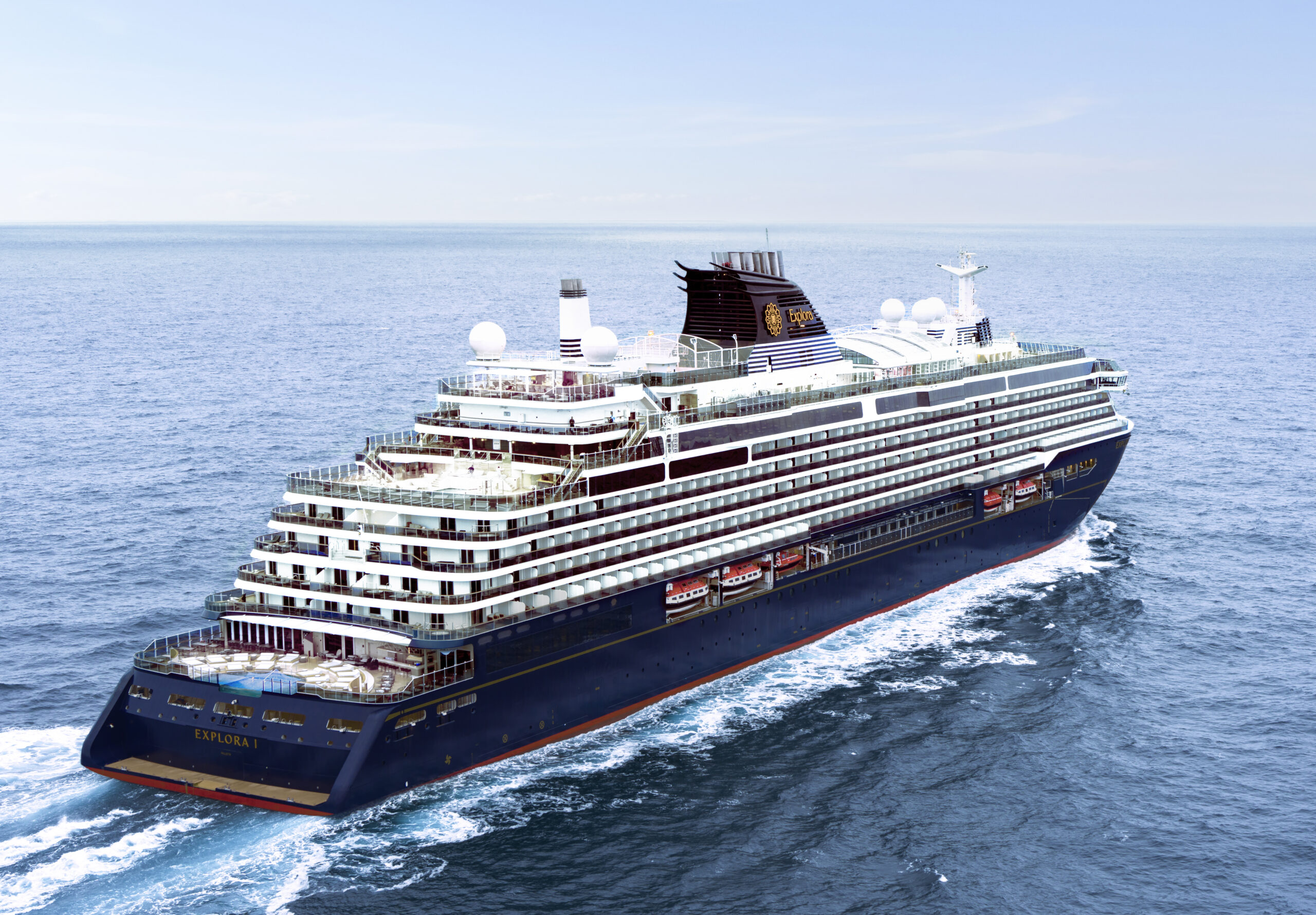
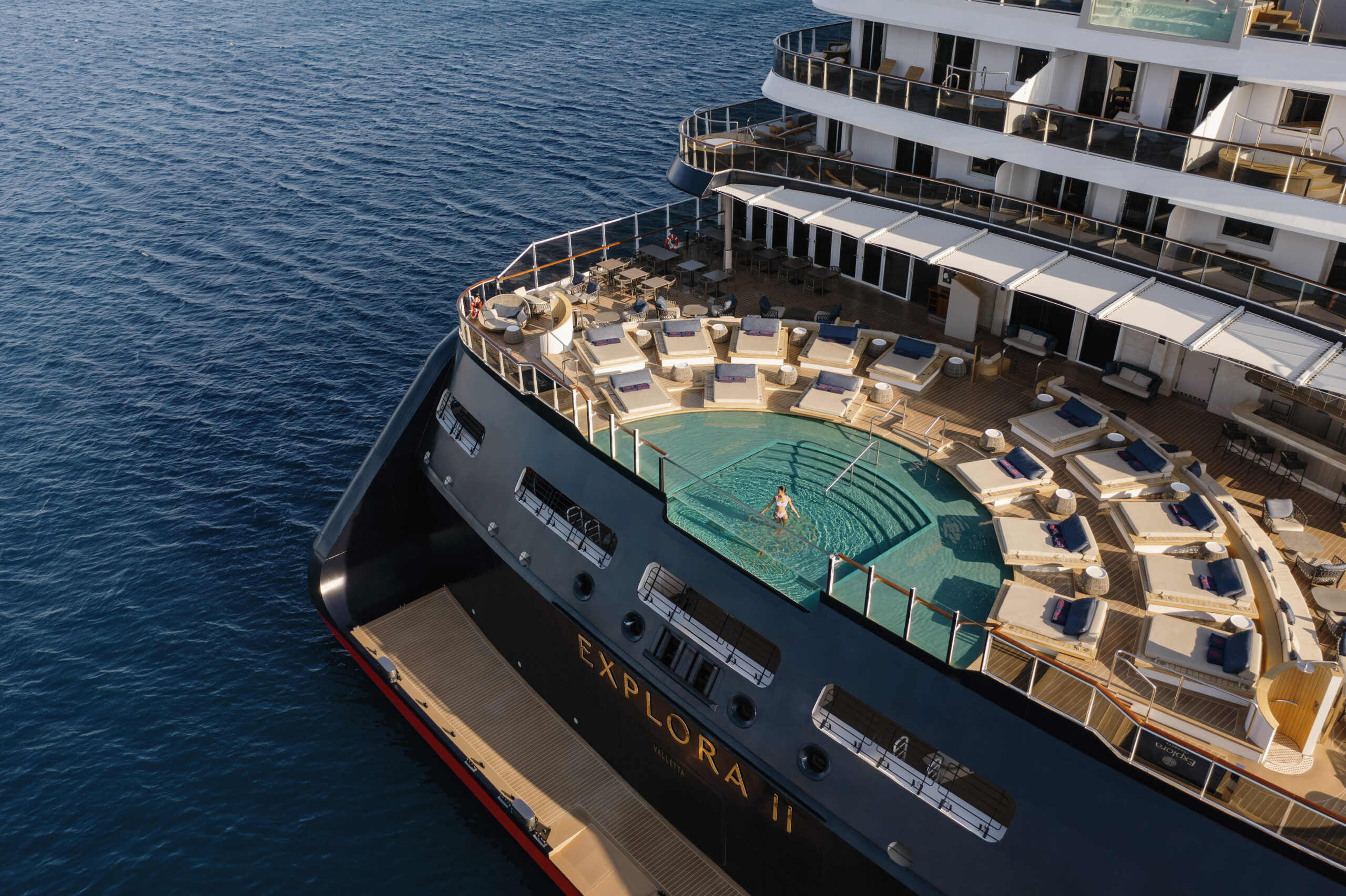
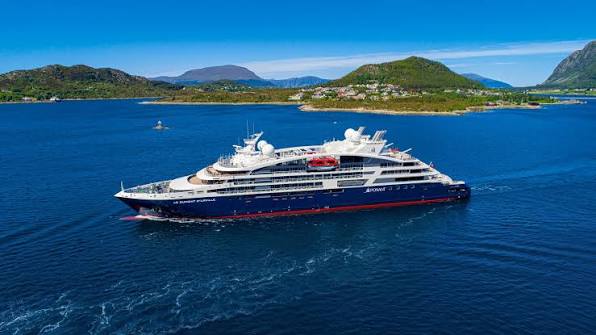
Seabourn has become the latest ultra-luxury cruise line to enter the expedition market with the launch of Seabourn Venture in 2022, followed by sister ship Seabourn Pursuit in 2023.
Seabourn Venture and Pursuit bring the trademark Seabourn style
and sophistication to the world of expedition cruising, with
interiors by designer Adam D Tihany, sumptuous veranda suite
accommodation and immersive adventure activities.
The remarkable rejuvenation of Belfast continues apace; the 1998 Good Friday Agreement was a watershed moment for Northern Ireland, and the rejuvenated capital is now enjoying a surge in popularity. The new Titanic Belfast museum is the star attraction, while the city centre boasts some handsome Victorian architecture and a lively pub scene.
Rugged and unspoilt, peaceful and perhaps a little parochial, the Isle of Man is proud to be different. The island has its own government, the Tynwald, which is said to be the oldest continuous parliament in the world, as well as its own language and even its own currency, the Manx pound.
Brodick is the main village on the Isle of Arran, a bustling port that sits on a bay opposite the towering Goatfell mountain. Highlights include the impressive 16th century Brodick Castle, and it’s only a short drive to Lochranza on the north coast, home to an even older castle and the Arran Distillery.
Sparsely populated Rathlin Island, off the coast of Northern Ireland, is home to thousands of seabirds, including puffins, kittiwakes, razorbills and guillemots. This is also where Robert the Bruce famously took refuge in a cave when he was driven out of Scotland by the English.
The tiny island of Iona, situated off the southwestern tip of Mull, is said to be the cradle of Christianity in Scotland, and is a popular place of pilgrimage. Thousands of visitors flock here every year to visit the Abbey, and the island gets particularly busy in summer.
The uninhabited island of Staffa is known for its striking geology, characterised by the same hexagonal basalt columns as the Giant’s Causeway, and is home to the famous Fingal’s Cave. Seabirds including puffins, guillemots and razorbills nest here during spring and early summer.
Tobermory, an old fishing station brightened by a crescent of colourful houses, is the main settlement on the Isle of Mull. This rugged and varied island is one of the most popular destinations in the Hebrides, and is rich in wildlife, home to species including white-tailed eagles, otters and whales.
The Isle of Eigg is part of the Inner Hebridean archipelago known as the Small Isles, and is easily recognisable thanks to An Sgurr, the dramatic pitchstone lava ridge that dominates the island. Climb the rock if you’re feeling fit, and enjoy fantastic views of Skye and Ardnamurchan from the summit.
The St Kilda archipelago is a remote and rugged collection of sea stacks and rocky islands, some 40 miles to the west of Benbecula in the Outer Hebrides. The islands constitute the largest nesting site for seabirds in the North Atlantic and are home to over a million birds, including puffins, gannets, fulmars and petrels.
Situated on a natural harbour on the east coast of the Isle of Lewis, Stornoway is the largest town in the Outer Hebrides. The island is one of the last major strongholds of the Gaelic language, and is home to fascinating Neolithic sites such as the mysterious standing stones at Callanish.
The flat, windswept Orkney Islands, just off the northeast coast of Scotland, have a distinctive Scandinavian heritage that’s discernible in everything from the unusual place names to the ancient Norse architecture of the capital, Kirkwall. Don’t miss the Ring of Brodgar, a fascinating Neolithic stone circle.
The uninhabited island of Copinsay is part of the Orkneys, and was purchased by the RSPB in 1972 and turned into a nature reserve. Here you can expect to see huge colonies of seabirds including fulmars, kittiwakes, guillemots, razorbills and puffins, along with a thriving grey seal population.
Cosmopolitan Edinburgh, Scotland’s lovely capital, is located in spectacular countryside, always visible from the city centre. Striking architecture, lots to see and do, and great food mean that your time here will be very busy. And if your visit coincides with the Festival, you have a treat in store.