From Incheon (Seoul) to Tokyo · Asia · 15 nights
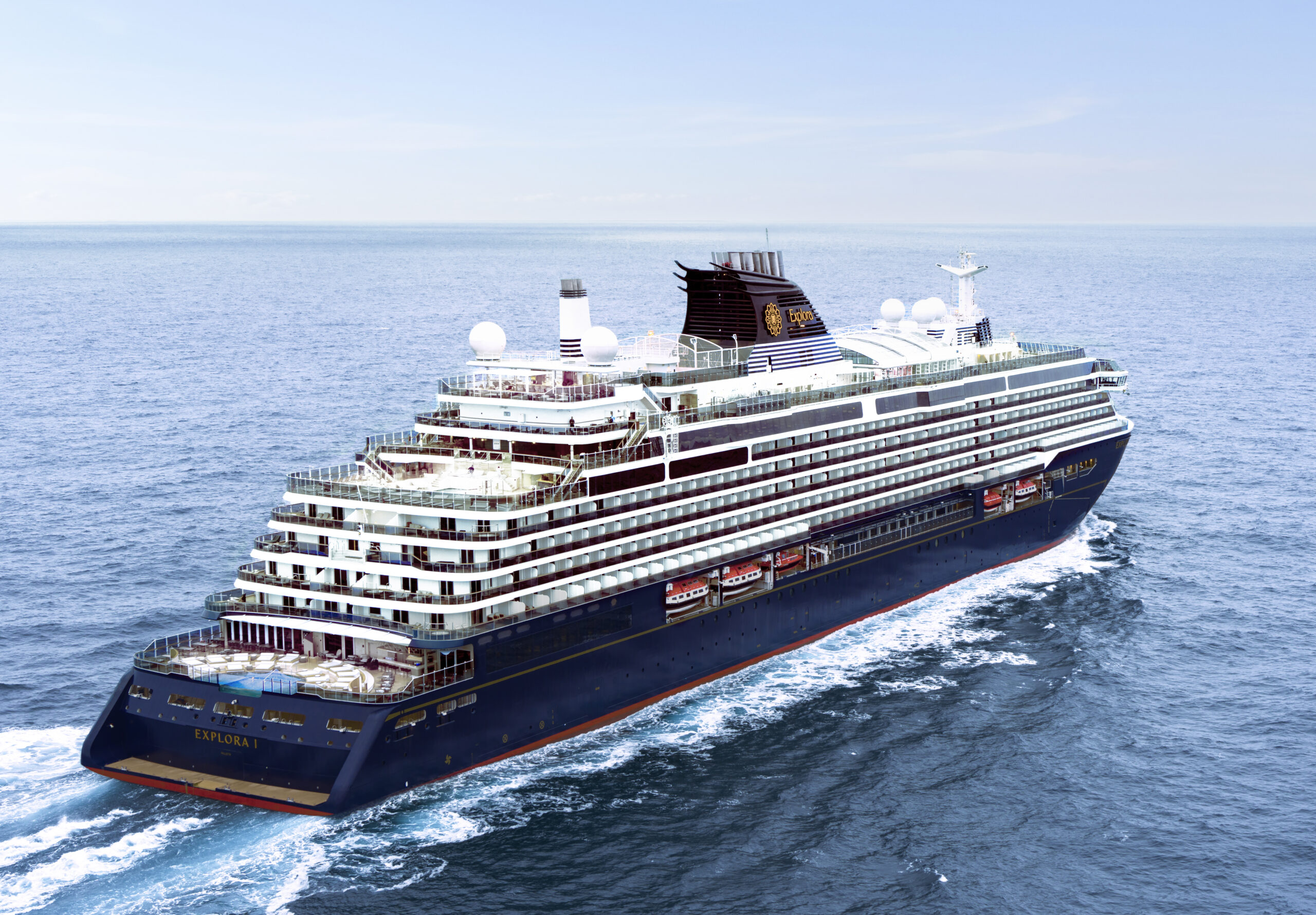
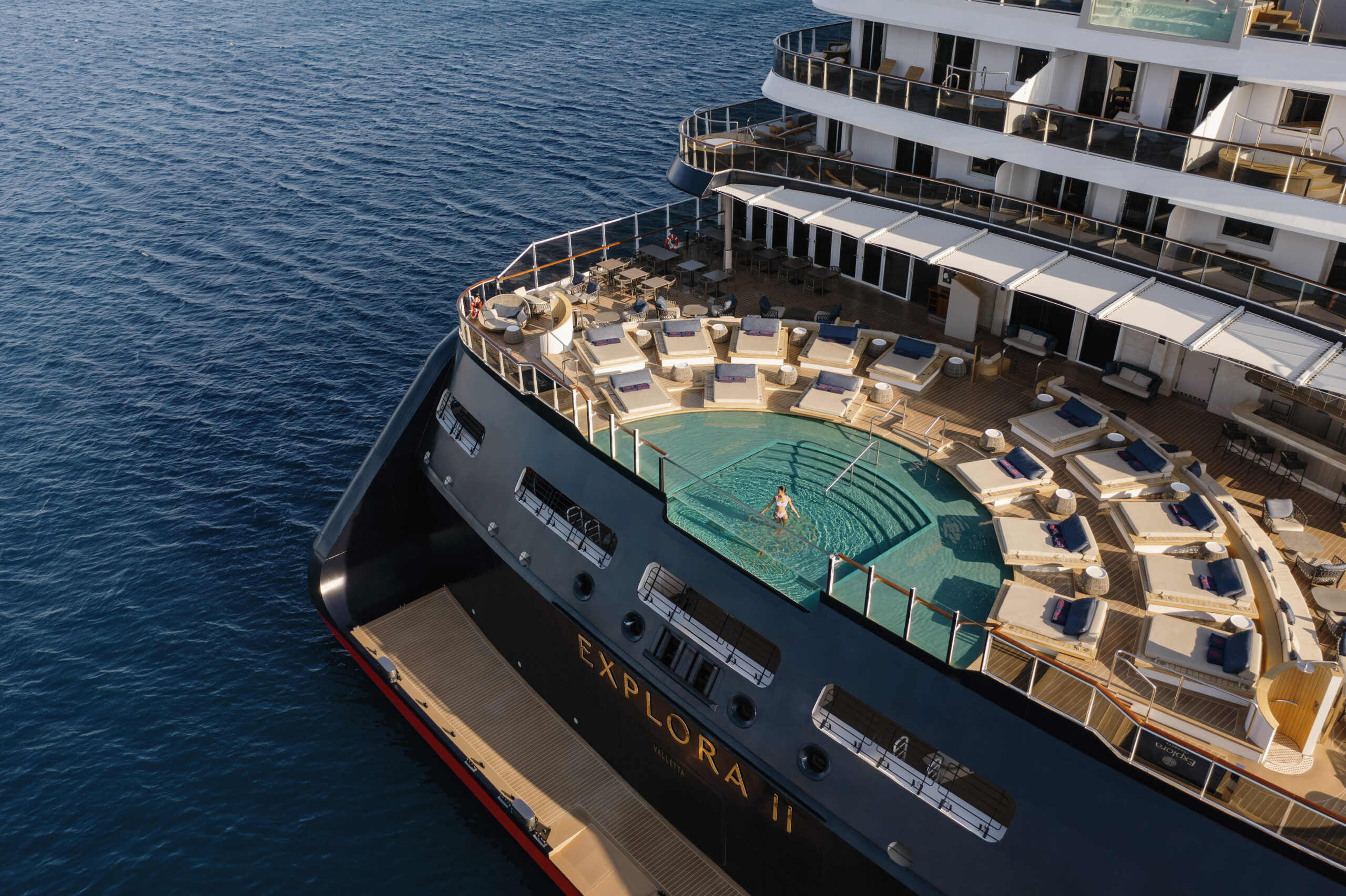
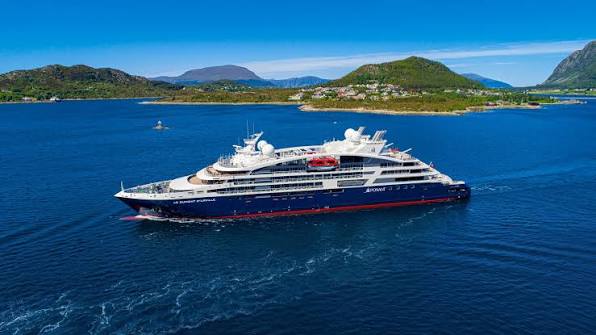
Stylish and understated, Silver Muse offers an intimate luxury experience with plenty of space and choice.
Silver Muse represents an exciting evolution of Silver Spirit,
offering the all-suite accommodation and small ship intimacy that
is synonymous with rest of the Silversea fleet.
Incheon serves as a transport hub for neighbouring Seoul, with a cruise terminal and the country's main airport. Seoul is a captivating capital city, a dynamic metropolis where you can still find tea shops and temples amongst the skyscrapers and neon signs. The culinary scene here is superb, from mouthwatering street food to world class haute cuisine, and the excellent public transport system makes it easy to get around. Incheon itself also has some interesting history; it was here, in 1950, that UN Forces launched a daring raid behind enemy lines in the early stages of the Korean War, and halted the North's seemingly inexorable advance.
Home to 11 million people and an astonishing six UNESCO World Heritage Sites, Beijing is an exhilarating introduction to China’s distinctive history, society and culture. Feast your eyes on the majestic Forbidden City and the Summer Palace, along with spectacular modern architecture such as the iconic Bird's Nest Stadium.
The semi-tropical island of Jeju is one of South Korea’s best kept secrets, a popular holiday destination for domestic travellers but little known outside of Asia. The craggy volcanic landscape, tangerine groves and beautiful beaches make this a lovely place to spend some time exploring.
Busan is South Korea’s second biggest city and one of the world’s busiest container ports, but it’s an easygoing place with a discernibly different character to Seoul. Haeundae beach is a popular summer holiday destination for Koreans, while the pungent Jagalchi market sells every type of fish and sea creature imaginable.
Three days after Hiroshima was flattened by an atomic bomb, Nagasaki suffered the same horrifying fate. The reconstruction of both cities has been quite extraordinary; Nagasaki today is a vibrant, cosmopolitan place, with a fascinating history that goes back a lot further than 1945.
On 6 August 1945 the world witnessed the terrifying power of nuclear weapons for the first time, unleashed on the unsuspecting Japanese city of Hiroshima. The modern city's sobering Peace Memorial Park commemorates that fateful day, which left more than 140,000 dead.
The small, laid back city of Kochi is situated on the south coast of Shikoku island, an important place of pilgrimage for Japanese Buddhists. Three of the 88 temples on the pilgrimage route are in Kochi, and the city is also known for its elegant 17th century hilltop castle.
Small in size and cosmopolitan in its outlook, Kobe is a thoroughly pleasant city with a long and distinguished history as one of Japan’s main trading ports. Kobe’s past as a commercial hub is reflected in its architecture, with a number of unusually European-looking houses, as well as a charming, if slightly touristy, Chinatown.
Shimizu is one of the most spectacular ports in Japan, a sweeping bay in the shadow of the iconic Mount Fuji. You can spend some time admiring the views and wandering through peaceful pine groves, or visit the unique Shimizu Sushi Museum at the S-Pulse Dream Plaza shopping mall.
In a state of constant renewal and forever looking to the future, densely populated Tokyo is a dazzling introduction to Japan and its utterly unique culture. With more neon than Las Vegas and more Michelin stars than Paris, it’s a real assault on the senses.