From Rome (Civitavecchia) to Istanbul · Mediterranean · 25 nights
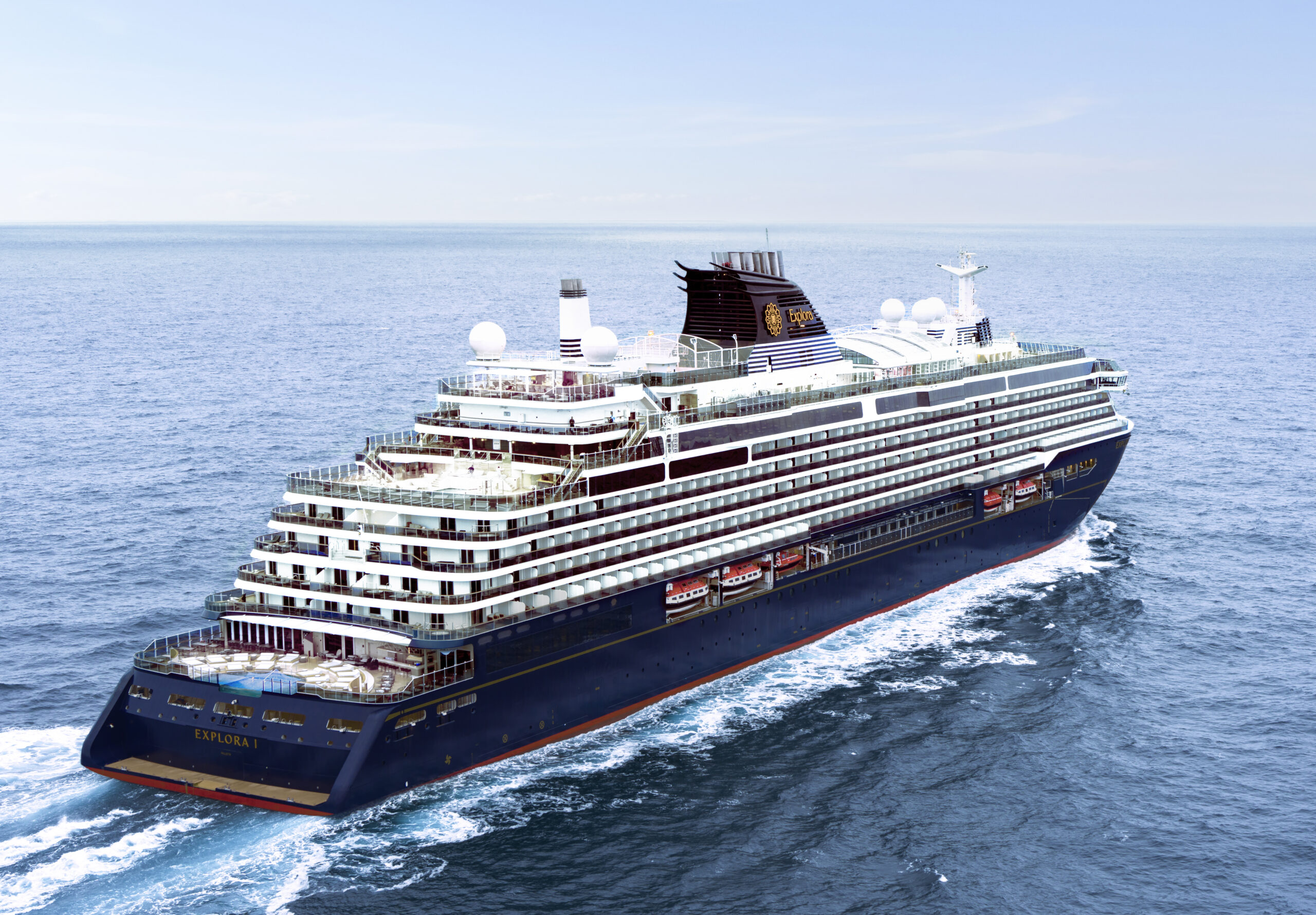
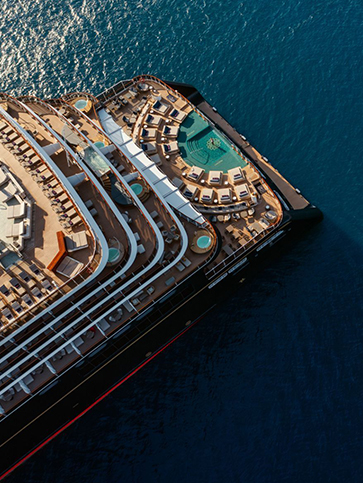
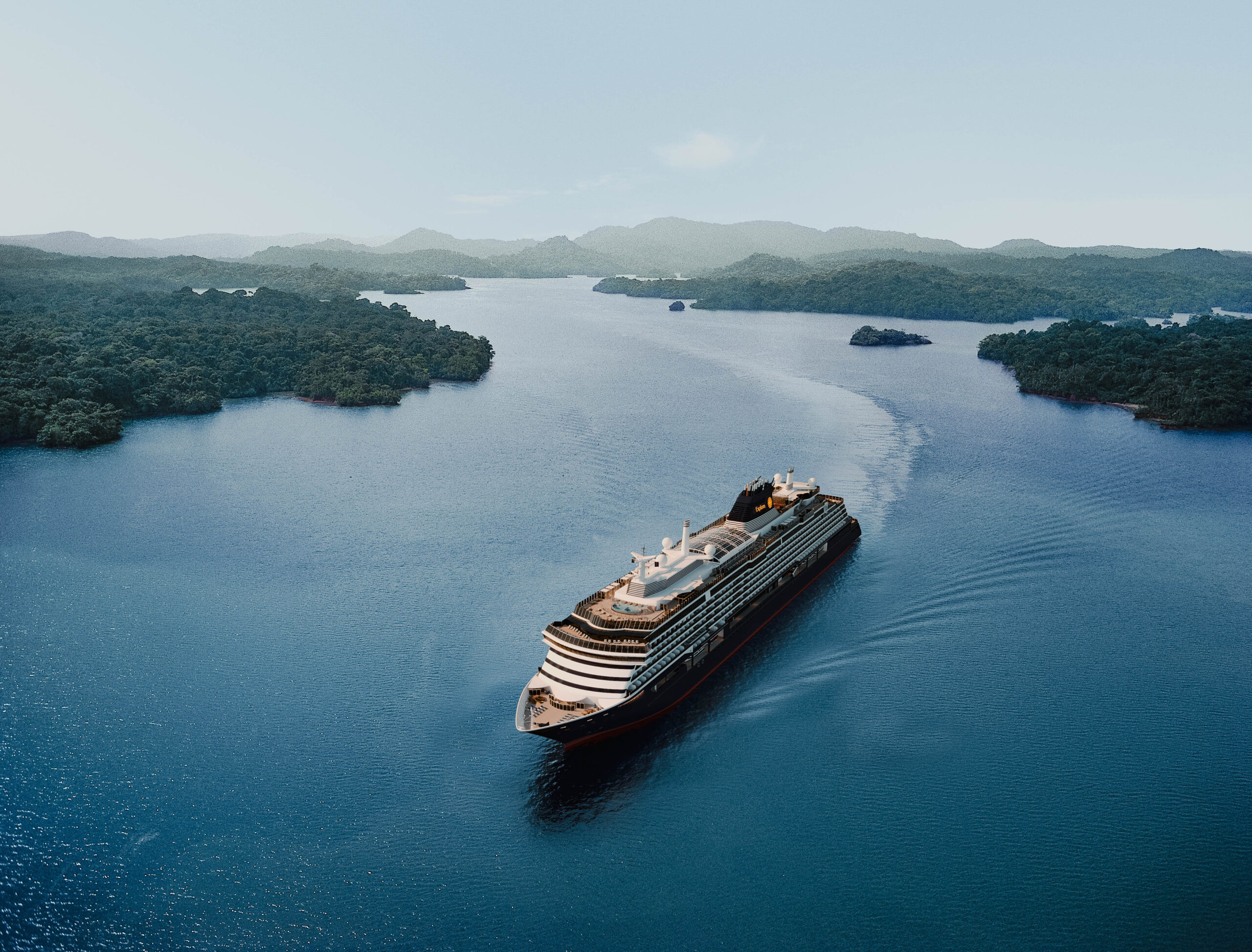
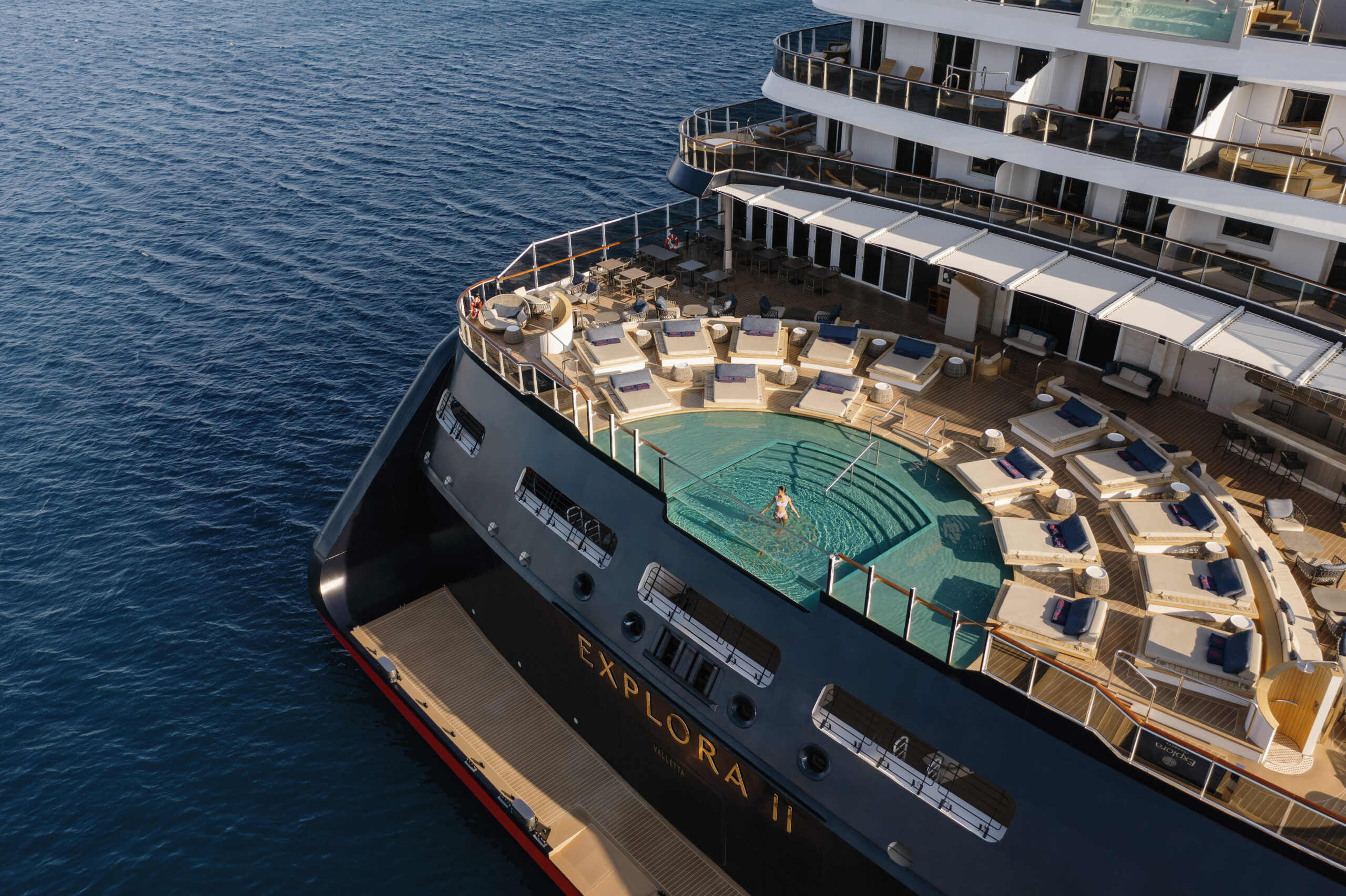
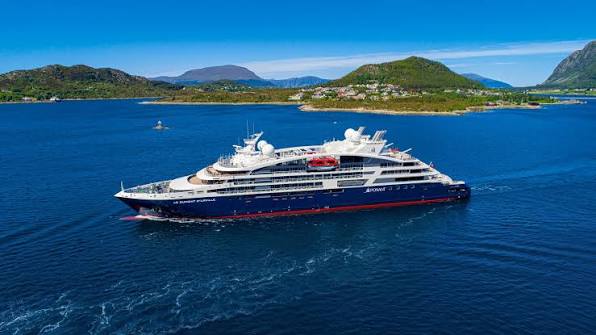
Scenic Ikon is the third Discovery Yacht from Scenic, setting sail in April 2028 and offering Scenic’s hallmark blend of sleek design, luxury amenities, and immersive cruises and expeditions in destinations from the Mediterranean to Antarctica.
Building upon the success of Scenic Eclipse and Scenic Eclipse
II, Scenic Ikon will offer spacious suites, all-inclusive luxury,
and a sleek, modern design, as well as an enhanced helicopter
programme and new dining options. Scenic Ikon has been designed to
excel in both warm water destinations and the polar regions, and
her inaugural itineraries from April 2028 feature the
Mediterranean, Egypt, the Aegean, Antarctica and the Chilean
Fjords.
One of the world's great cities, Rome continues to dazzle and delight visitors with a potent mix of architectural marvels, continent-defining history and buzzing nightlife. As the saying goes, the city wasn't built in a day, and if you want to make the most of Rome you'll need to spend at least a couple of nights here. The Colosseum, the Vatican and the Forum are among the big ticket items, with the crowds to match, though in truth you will find history around almost every corner.
Bonifacio sits atop brilliant white limestone cliffs on the southern tip of Corsica, with the harbour down below filled with fishing boats and glitzy yachts. The town's history as a Genoese stronghold, along with its proximity to Sardinia, means that the Italian influence is strong here.
Created in the 1950s and ‘60s by a group of investors including the Aga Khan, the resort of Porto Cervo was conceived as the perfect Mediterranean village, drawing on architectural influences from Spain, Italy, Greece and North Africa. It’s a glitzy retreat for the international jet set, at the heart of Sardinia’s glorious Costa Smeralda.
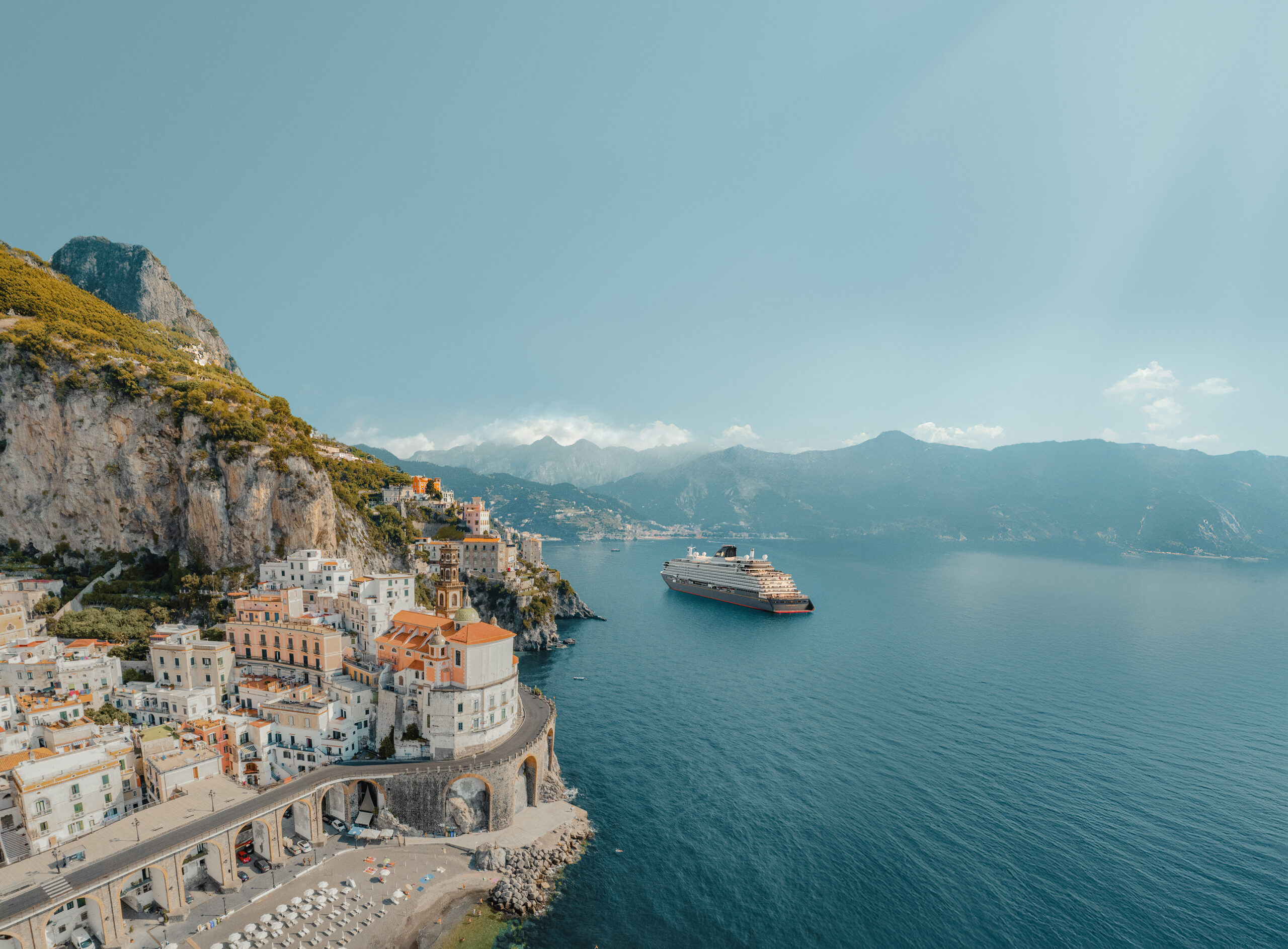
The lovely town of Sorrento, draped across rugged cliffs overlooking the Bay of Naples, has been charming visitors since the days of the Grand Tour. The Renaissance palaces and many craft shops make Sorrento an attractive destination in its own right, and it’s also a jumping off point for Capri, Pompeii and the Amalfi Coast.
Founded by Greek colonists in 734 BC, Siracusa was once the largest city in the ancient world, surpassing even Athens in its splendour. Highlights include the island of Ortigia, where narrow streets are lined by beautiful Baroque architecture, and the impressive ruins at the Parco Archeologico della Neapolis on the Sicilian mainland.
Malta’s tiny capital, established by the Knights of St John, packs in an awful lot of history considering its diminutive size. The atmospheric old streets, bathed in Mediterranean sunshine, are full of attractive honey-golden buildings, along with an impressive selection of bars and restaurants.
Chania, Crete’s second city, is an alluring blend of architectural styles. The jumble of streets that make up the Venetian old town are remarkably intact, and there are plenty of reminders too of the two centuries of Ottoman rule, such as the imposing harbourfront Mosque of the Janissaries.
Alexandria was one of the great cities of antiquity, founded by Alexander the Great in 331 BC and home to the Pharos lighthouse, one of the original Seven Wonders of the World. The Pharos is long gone and the city has lost some of its lustre, but there are still plenty of reminders of Alexandria’s glorious past scattered around.
Sun-kissed Rhodes, the largest of the Dodecanese islands, is steeped in history; the medieval heart of Rhodes Town was once home to the crusading Knights of St John, and later fell to the Ottoman sultan Suleiman the Magnificent. The hillside village of Lindos, with its pretty whitewashed houses, is another highlight.
Glamorous Mykonos is the most popular of the Cyclades islands, well known as a haunt of the rich and the famous. It’s also the gateway to the nearby island of Delos, home to one of the most important archaeological sites in Greece.
Athens is a city awash with historical and cultural significance, but it's much more than an open air museum; this is a dynamic, bustling metropolis, and a place where history is still very much unfolding.
Hydra is unique amongst the Greek islands, blissfully free of motorised traffic; transport here is by donkey, water taxi or on foot. The island has attracted many artists, musicians and actors over the years, but retains a rustic and tranquil atmosphere.
The volcanic island of Milos is ringed by pretty beaches and scattered with charming villages, famous as the place where the Venus de Milo was discovered by a local peasant in 1820. Milos is also known as the ‘island of colours’ thanks to its many-hued, mineral-rich cliffs and beaches.
Crete’s bustling capital is a modern and cosmopolitan city, where the island’s rich history isn’t immediately apparent. Take a closer look, however, and you’ll find a fantastic archaeological museum, along with remnants of Venetian fortifications and a lively seafront promenade, with plenty of nice outdoor cafés.
The volcanic island of Santorini (known officially as Thira) is one of the most spectacularly beautiful in the Mediterranean. The pretty village of Oia, with its whitewashed houses and windmills tumbling down the hillside, is particularly photogenic.
Naxos is the largest of the Cyclades islands, a green and fertile place where the landscape is littered with ancient temples, Byzantine churches and Venetian towers. The rugged terrain means it’s a popular destination for outdoor enthusiasts, but there are also some lovely beaches and the buzzing city of Hora (Naxos Town).
The Turkish port of Kusadasi is the gateway to Ephesus, one of the most spectacular archaeological sites in the Eastern Mediterranean. This was the Roman capital of Asia Minor, and the remains constitute the most complete classical city in Europe.
The North Aegean port of Dikili is the gateway to the spectacular hilltop ruins of Pergamum, a 30-minute drive away. Most of the buildings here date back to the 2nd century BC, including the main palace, the library and the Altar of Zeus, and the ruins were declared a UNESCO World Heritage Site in 2014.
Istanbul is the place where East meets West, where Asia Minor reaches out across the Bosphorus and almost touches Europe, and the city remains a bristling, bustling cultural melting pot, the skyline dotted with magnificent minarets and domes.