From St John's to St John's · Caribbean · 14 nights
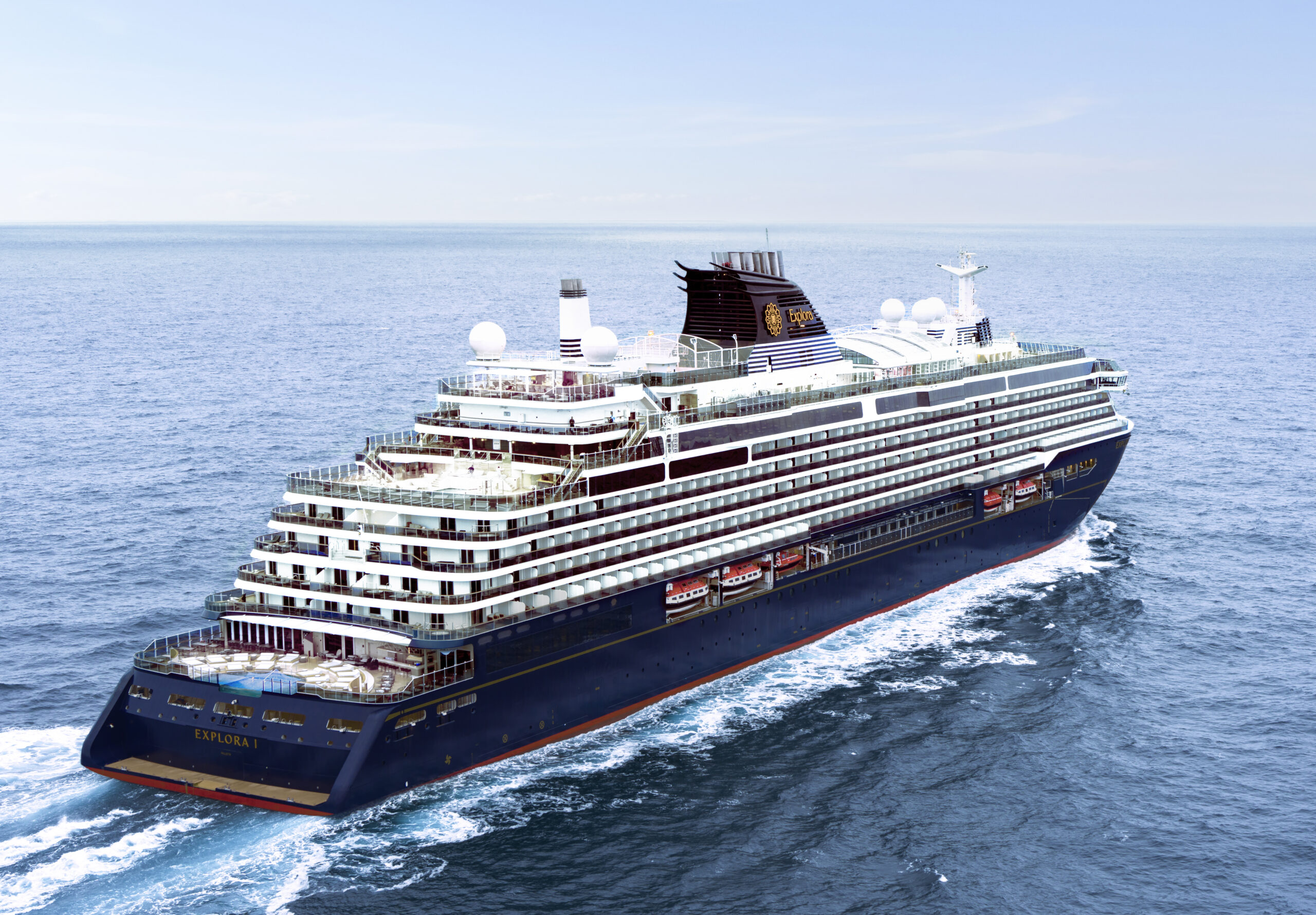
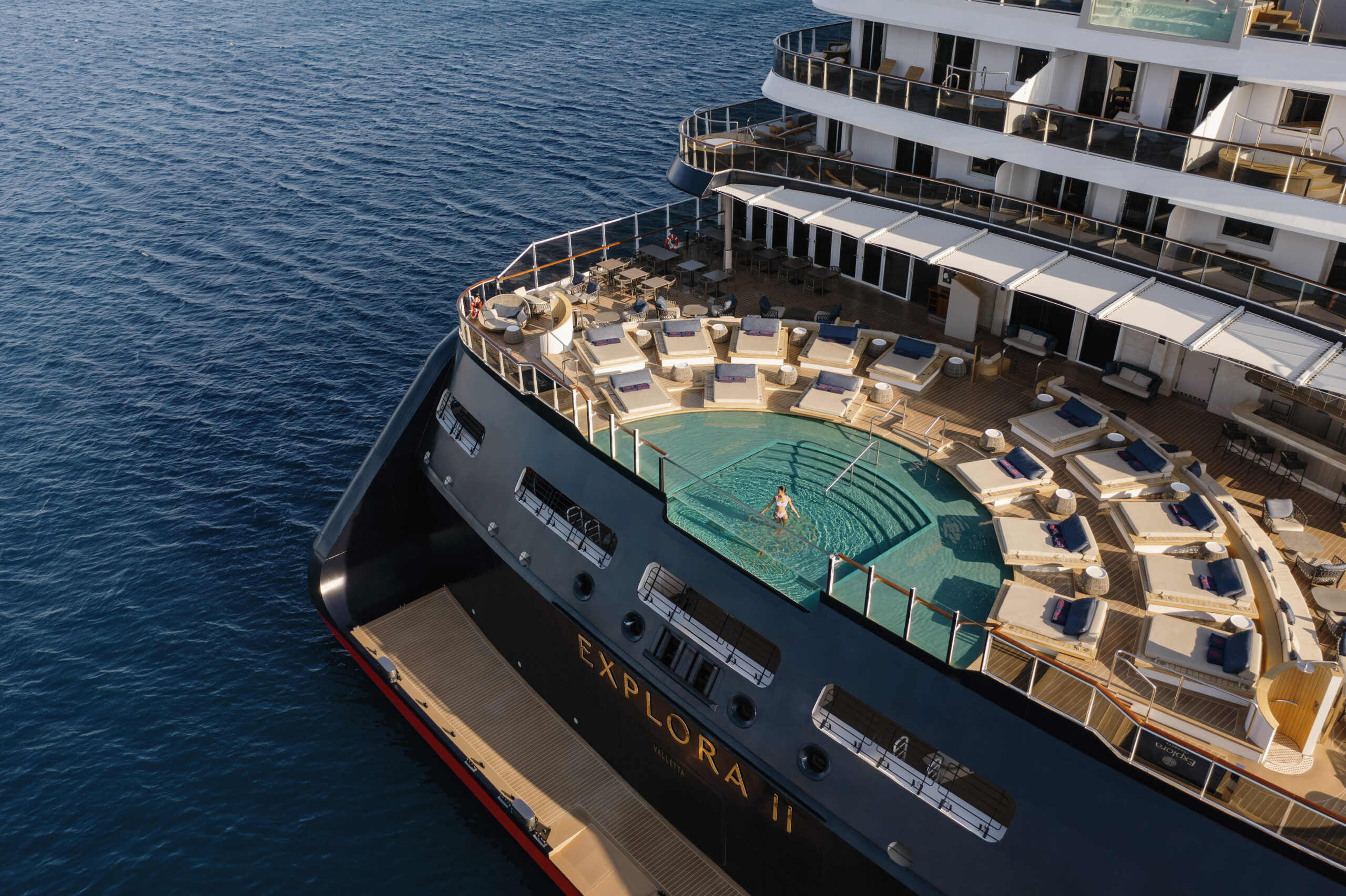
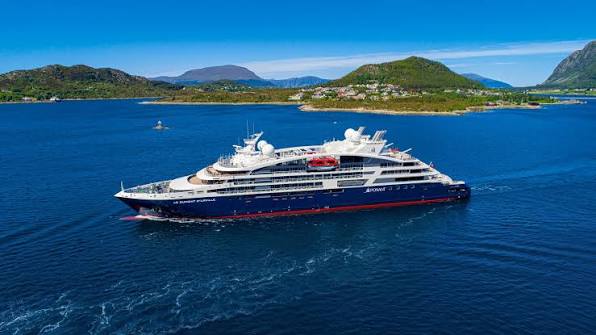
The third innovative luxury yacht from Emerald Cruises which launched in April 2026, Emerald Kaia represents an exciting evolution in intimate small-ship cruising.
Following the success of sister ships Emerald Azzurra and
Emerald Sakara, Emerald Cruises unveils a brand-new luxury yacht,
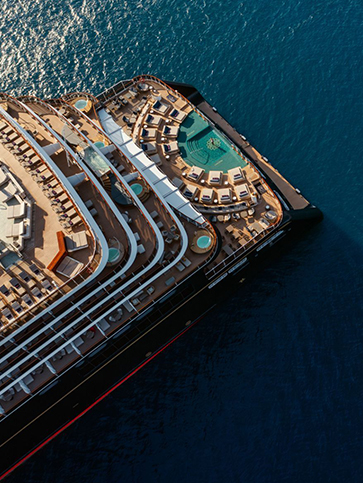
Emerald Kaia. This new yacht features enhanced spaces on board
including an Observation Sun Deck at the bow, and a reimagined Sky
Deck area, perfect for soaking in the views, and operates
itineraries in the Mediterranean and Seychelles.
Antigua is famously home to 365 beaches - one for every day of the year - and there is an undeniable allure to the many white sand coves dotted along the coast. The capital, St John's, is worth a look, but if you've got time to visit the south coast you'll find historic Nelson's Dockyard a lot more interesting.
Laid back and low key, Saint Kitts is an island typified by rolling green hills, characterful beach bars and the lingering remnants of the sugar cane trade that once dominated here. Attractions include the UNESCO-listed Brimstone Hill fortress, the 18-mile Scenic Railway and the faded Georgian elegance of the capital, Basseterre.
Eight tiny islands make up the Iles des Saintes, a sparsely inhabited archipelago off the southern coast of Guadeloupe. The most interesting island is hilly Terre-de-Haut, almost entirely populated by the fair-skinned descendants of Breton sailors and home to a beautiful bay reminiscent of a mini Rio de Janeiro.
Gustavia is the chic and petite capital of Saint Barths, a tiny French Caribbean island that’s renowned as a haunt of the rich and the famous. You can certainly live well here if you’ve got the means, with an array of gourmet restaurants and luxury boutiques aimed squarely at the A-list. The beautiful beaches, on the other hand, are free and open to all.
Languid, laid-back Virgin Gorda is blessed with beautiful beaches and wonderfully friendly people. Life proceeds at a slower pace here, and highlights include The Baths, an unusual collection of granite boulders, grottoes and pools on the island’s southwest shore.
Founded by the Spanish in 1521, Puerto Rico’s capital is the second oldest European settlement in the Americas. Modern San Juan is a bustling city, home to over a third of the island’s population, but the cobbled streets of the Old Town remain the biggest tourist draw.
Isla de Vieques, just off the coast of Puerto Rico, has all the charm of the Caribbean of the past: beautiful, uncrowded and welcoming, with amazing wildlife including Paso Fino horses roaming free. And if that's not enough, the world famous Mosquito Bay is the brightest bioluminescent bay in the world.
St John is the quietest and least developed of the US Virgin Islands, with two thirds of the island designated as a National Park. There are several hiking trails that showcase the island’s unspoilt natural beauty, and it’s a popular spot for aquatic pursuits including snorkelling, kayaking and scuba diving.
The idyllic island of Jost Van Dyke, named after an early Dutch settler, is known for its laid back vibe and friendly beach bars, including the famous Foxy’s, which counts Keith Richards amongst its past customers. It’s a place to kick back and relax, and the clear blue waters are also perfect for snorkelling.
Philipsburg is the gateway to an intriguing little Caribbean island with a dual personality: the Dutch side, St. Maarten, is the livelier of the two, with shopping malls, casinos and more of a nightlife scene, while French-speaking St. Martin is a more refined (and more expensive) affair, with a laid-back, continental air and a host of exclusive resorts and restaurants.
Gustavia is the chic and petite capital of Saint Barths, a tiny French Caribbean island that’s renowned as a haunt of the rich and the famous. You can certainly live well here if you’ve got the means, with an array of gourmet restaurants and luxury boutiques aimed squarely at the A-list. The beautiful beaches, on the other hand, are free and open to all.
Montserrat garnered global attention in 1995 when the Soufrière Hills volcano erupted, burying the island’s capital, Plymouth. Although an exclusion zone is still in place in the south, visitors are often surprised by how lush and unspoilt the rest of the island is, home to a colourful variety of birdlife.
Antigua is famously home to 365 beaches - one for every day of the year - and there is an undeniable allure to the many white sand coves dotted along the coast. The capital, St John's, is worth a look, but if you've got time to visit the south coast you'll find historic Nelson's Dockyard a lot more interesting.