From Buenos Aires to Leith (Edinburgh) · Northern Europe · 57 nights
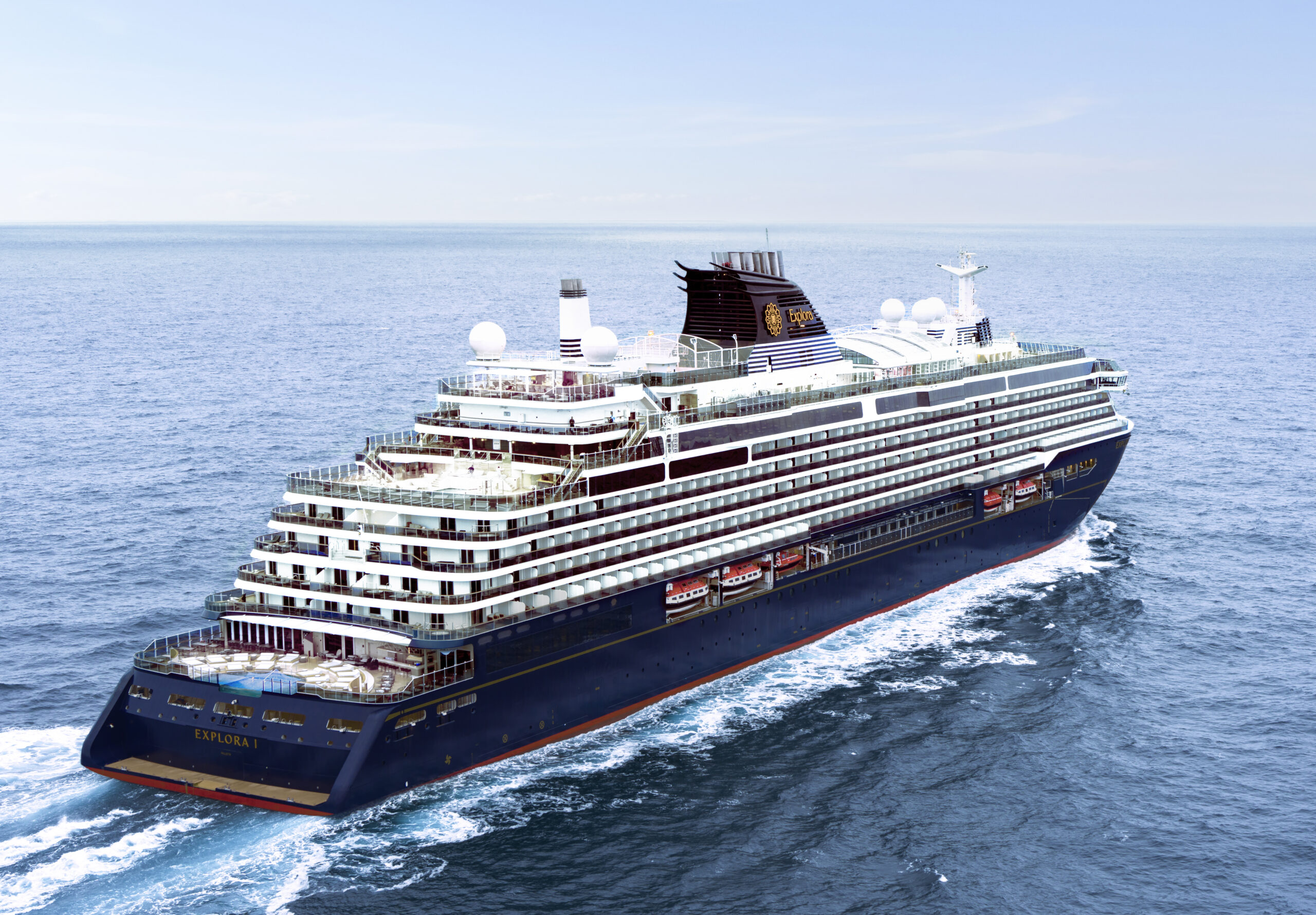
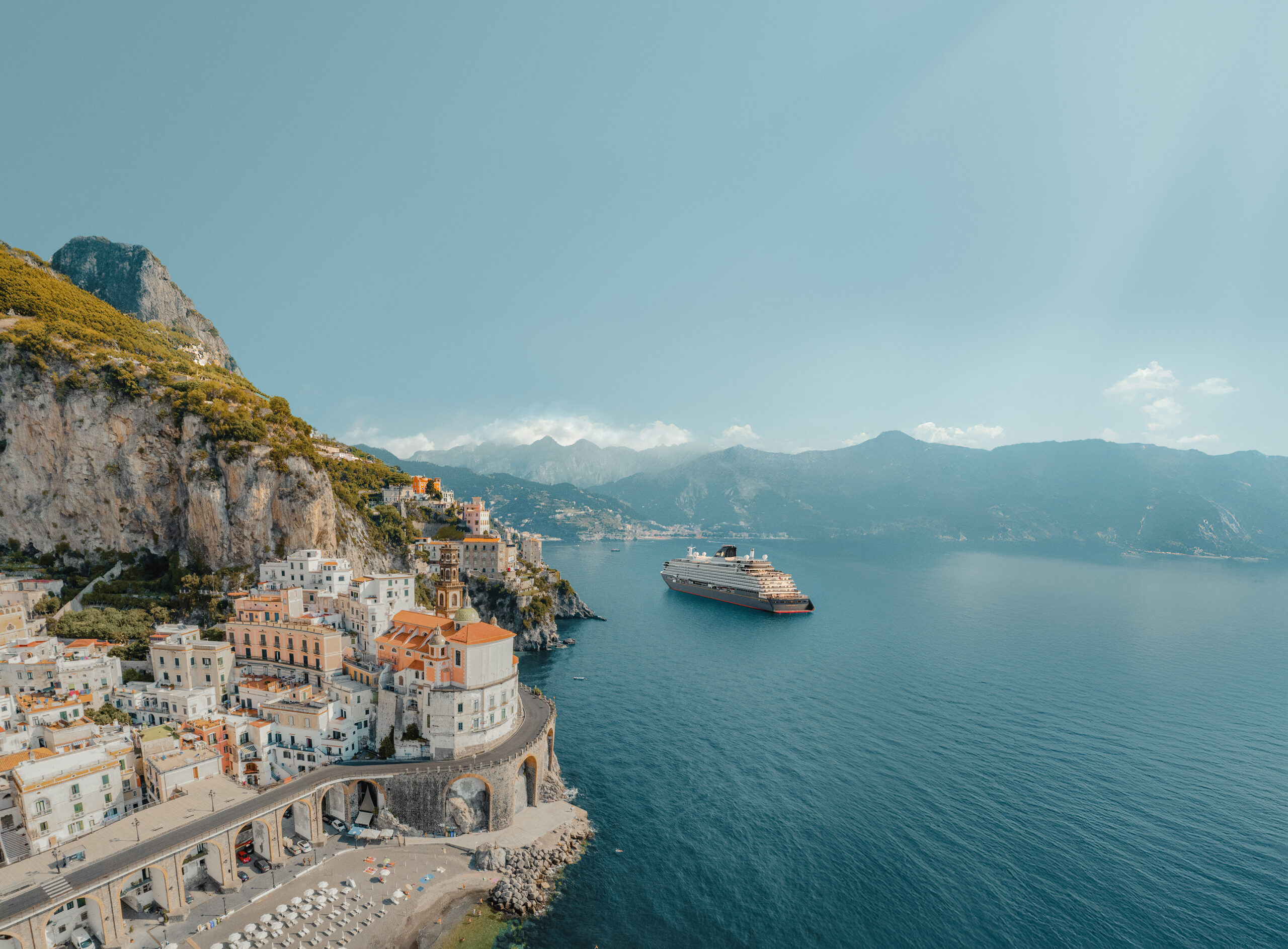
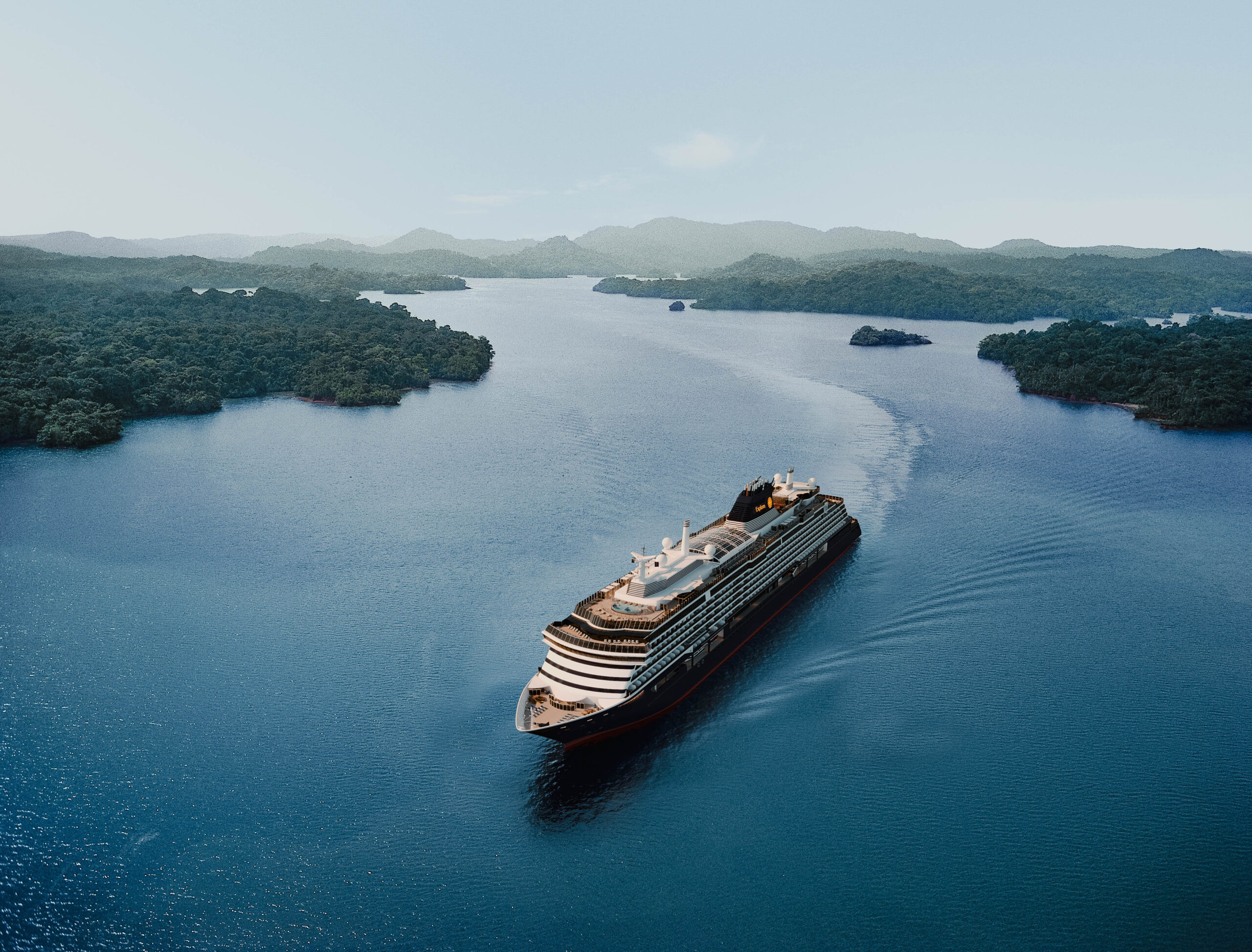
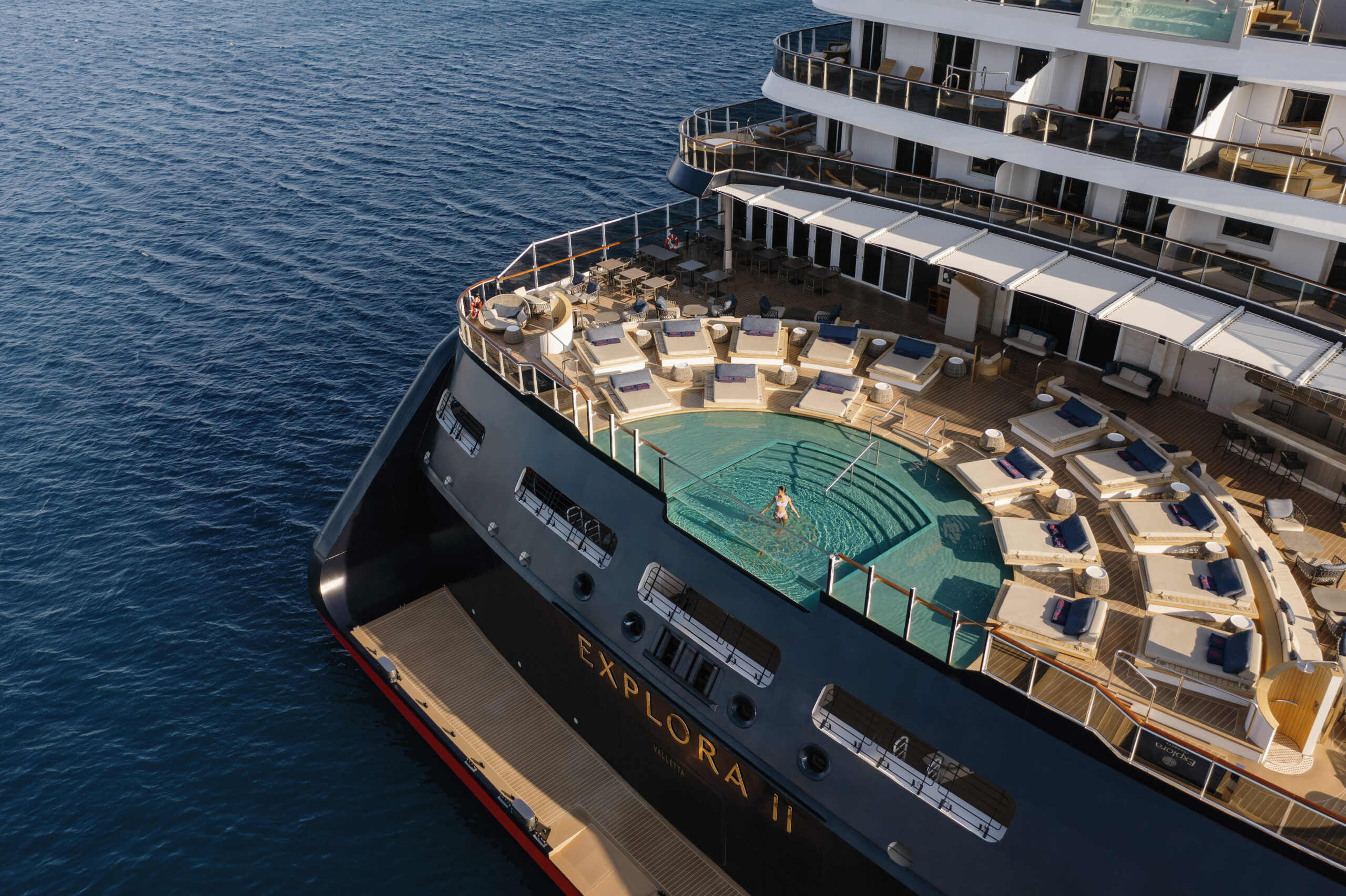
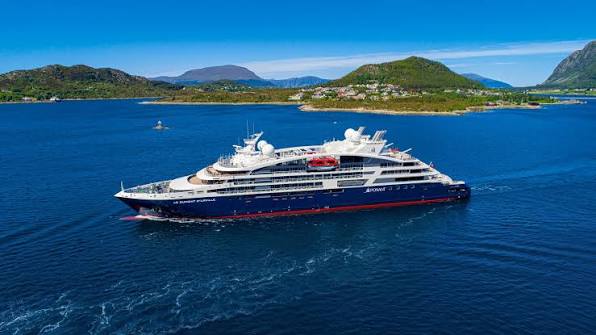
Seabourn has become the latest ultra-luxury cruise line to enter the expedition market with the launch of Seabourn Venture in 2022, followed by sister ship Seabourn Pursuit in 2023.
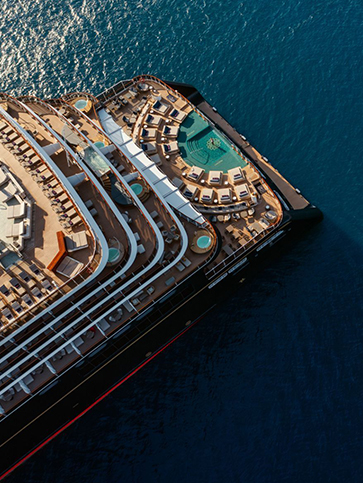
Seabourn Venture and Pursuit bring the trademark Seabourn style
and sophistication to the world of expedition cruising, with
interiors by designer Adam D Tihany, sumptuous veranda suite
accommodation and immersive adventure activities.
The streets of Buenos Aires are redolent of a grand old European capital, lined with elegant architecture that wouldn't look out of place in Madrid or Paris. There is also plenty of Latin passion on display: Argentina is the home of tango, that most electrifying of dances, and the central Plaza de Mayo has played host to countless revolutions and rallies over the years. Food is an important part of life here, and carnivores shouldn't pass up the opportunity to try the world's finest beef at one of the many steakhouses, known as parrillas. Other attractions include the beautiful Recoleta cemetery, the grand Teatro Colón and the colourful, arty district of La Boca.
Perched on the ragged southern edge of Argentina, where the snow-capped Andes fall away into the churning sea, Ushuaia has a frontier town feel to it, and serves as the base for expeditions into the icy waters of Antarctica.
The rugged and windswept Falkland Islands make for a fascinating stop on the way to or from Antarctica. Over 80% of the population lives in the capital, Stanley, though humans are far outnumbered by other creatures, including penguins, sea lions and albatrosses.
The rugged and windswept Falkland Islands make for a fascinating stop on the way to or from Antarctica. Over 80% of the population lives in the capital, Stanley, though humans are far outnumbered by other creatures, including penguins, sea lions and albatrosses.
Remote and virtually uninhabited, the island of South Georgia is a beautiful and fascinating place. The landscape of jagged, snowy peaks and dramatic fjords is home to an abundance of penguins and seals, as well as ghostly abandoned whaling stations and the grave of Sir Ernest Shackleton.
There is remote, and then there is Tristan da Cunha. This little volcanic rock in the South Atlantic supports a population of less than 300 people, and is an astonishing 1,200 miles from St Helena, the nearest inhabited island. There is no airport, so arriving by ship really is the only way to get here.
Remote, volcanic and uninhabited by humans, Nightingale Island is part of the Tristan da Cunha archipelago. The island is known for its spectacular birdlife, home to over a million seabirds, including rockhopper penguins, Atlantic yellow-nosed albatross and the rare Nightingale bunting.
The dry and barren volcanic island of São Vicente is home to Cape Verde’s most appealing port, the charming city of Mindelo. The cobbled streets and colonial architecture are a real pleasure to explore, and the city plays host to a raucous carnival in February.
Situated on Tenerife’s north eastern shore, the island’s capital is a busy port that serves mostly as a gateway to the popular south west coast and the spectacular volcanic landscapes of the island’s interior.
Funchal, Madeira’s bustling capital, tumbles down a dramatic hillside towards a beautiful sweeping bay. Highlights include colourful markets, wine lodges and the spectacular cable car ride up to the village of Monte, home of the famous toboggan run.
Spread across steep hillsides that overlook the Rio Tejo, Lisbon’s colourful cityscape includes Gothic cathedrals, majestic monasteries and quaint museums. But for many the best times will be had wandering the narrow lanes of Lisbon’s lovely backstreets, with their great local food, wine and music.
An important naval base and major commercial port, Cherbourg is the gateway to the many attractions of Normandy, including the Bayeux Tapestry and the beaches where the D-Day landings took place. Cherbourg’s excellent Cité de la Mer maritime museum is also well worth a visit.
Plymouth has a fine seafaring heritage, and it was here that the Pilgrim Fathers set sail for the New World on board the Mayflower. The city was badly damaged during the Second World War, but an ongoing regeneration project is breathing new life into the waterfront, and nearby attractions include Buckfast Abbey and Dartmoor National Park.
The wildlife haven of Skomer Island sits just off the coast of Pembrokeshire, and is best known for its large population of breeding seabirds, including puffins, Manx shearwaters, guillemots and razorbills. You may also spot peregrine falcons, grey seals, harbour porpoises and the endemic Skomer vole.
Bantry Bay is one of the most picturesque spots on County Cork’s west coast, sandwiched between the Beara and Sheep’s Head peninsulas. Local highlights include the 18th-century Bantry House, with its elegant gardens and intriguing links to the United Irishmen Rebellion of 1798.
Colourful Kinsale is situated on a sheltered natural harbour, guarded by a brooding 17th-century fortress. The winding streets are a delight to explore, and the town is home to some excellent restaurants, galleries, pubs and shops. For sublime coastal views, take a trip out to the Old Head of Kinsale Lighthouse.
The 1998 Good Friday Agreement was a watershed moment for Northern Ireland, and its rejuvenated capital is enjoying a surge in popularity. The new Titanic Belfast museum is the star attraction, while the city centre boasts some handsome Victorian architecture and a lively pub scene.
Rugged and unspoilt, peaceful and perhaps a little parochial, the Isle of Man is proud to be different. The island has its own government, the Tynwald, which is said to be the oldest continuous parliament in the world, as well as its own language and even its own currency, the Manx pound.
Brodick is the main village on the Isle of Arran, a bustling port that sits on a bay opposite the towering Goatfell mountain. Highlights include the impressive 16th century Brodick Castle, and it’s only a short drive to Lochranza on the north coast, home to an even older castle and the Arran Distillery.
Sparsely populated Rathlin Island, off the coast of Northern Ireland, is home to thousands of seabirds, including puffins, kittiwakes, razorbills and guillemots. This is also where Robert the Bruce famously took refuge in a cave when he was driven out of Scotland by the English.
The tiny island of Iona, situated off the southwestern tip of Mull, is said to be the cradle of Christianity in Scotland, and is a popular place of pilgrimage. Thousands of visitors flock here every year to visit the Abbey, and the island gets particularly busy in summer.
The uninhabited island of Staffa is known for its striking geology, characterised by the same hexagonal basalt columns as the Giant’s Causeway, and is home to the famous Fingal’s Cave. Seabirds including puffins, guillemots and razorbills nest here during spring and early summer.
Tobermory, an old fishing station brightened by a crescent of colourful houses, is the main settlement on the Isle of Mull. This rugged and varied island is one of the most popular destinations in the Hebrides, and is rich in wildlife, home to species including white-tailed eagles, otters and whales.
The Isle of Eigg is part of the Inner Hebridean archipelago known as the Small Isles, and is easily recognisable thanks to An Sgurr, the dramatic pitchstone lava ridge that dominates the island. Climb the rock if you’re feeling fit, and enjoy fantastic views of Skye and Ardnamurchan from the summit.
The St Kilda archipelago is a remote and rugged collection of sea stacks and rocky islands, some 40 miles to the west of Benbecula in the Outer Hebrides. The islands constitute the largest nesting site for seabirds in the North Atlantic and are home to over a million birds, including puffins, gannets, fulmars and petrels.
Situated on a natural harbour on the east coast of the Isle of Lewis, Stornoway is the largest town in the Outer Hebrides. The island is one of the last major strongholds of the Gaelic language, and is home to fascinating Neolithic sites such as the mysterious standing stones at Callanish.
The flat, windswept Orkney Islands, just off the northeast coast of Scotland, have a distinctive Scandinavian heritage that’s discernible in everything from the unusual place names to the ancient Norse architecture of the capital, Kirkwall. Don’t miss the Ring of Brodgar, a fascinating Neolithic stone circle.
The uninhabited island of Copinsay is part of the Orkneys, and was purchased by the RSPB in 1972 and turned into a nature reserve. Here you can expect to see huge colonies of seabirds including fulmars, kittiwakes, guillemots, razorbills and puffins, along with a thriving grey seal population.
Cosmopolitan Edinburgh, Scotland’s lovely capital, is located in spectacular countryside, always visible from the city centre. Striking architecture, lots to see and do, and great food mean that your time here will be very busy. And if your visit coincides with the Festival, you have a treat in store.