From Yokohama (Tokyo) to Ho Chi Minh City · Asia · 19 nights
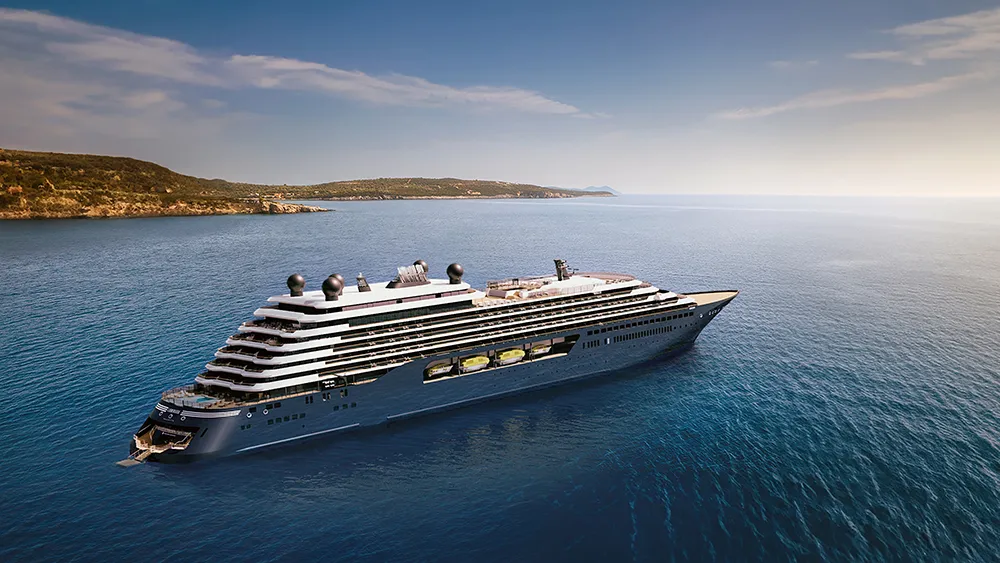
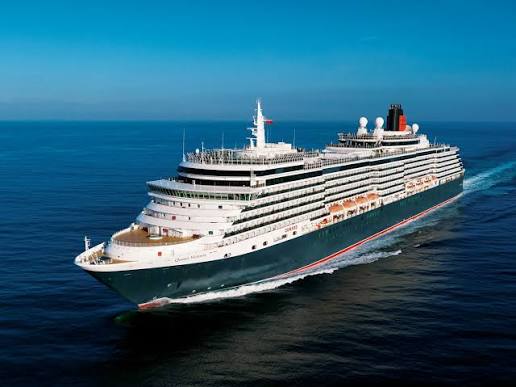
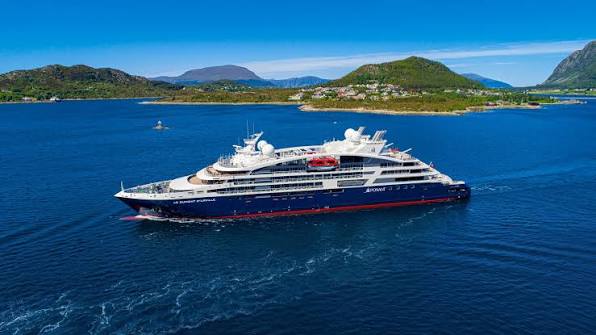
Part of Hapag-Lloyd Cruises’ award-winning fleet, MS Europa will operate bilingually in German and English beginning in January 2026, opening a whole host of exciting voyages for the English-speaking market and offering a laid-back small ship cruising experience.
MS Europa, like the rest of the Hapag-Lloyd Cruises fleet, is
awarded five stars year after year by Insight Guides Cruising &
Cruise Ships, formally the Berlitz Cruise Guide, and offers a
relaxed and stylish ambience on board. From January 2026, MS Europa
will operate bilingually, in German and English, opening up plenty
of exciting itineraries for our discerning guests.
Tokyo is a dazzling introduction to Japan and its utterly unique culture. With more neon than Las Vegas and more Michelin stars than Paris, it's a real assault on the senses, but an efficient public transport system means it's easy to explore. Asakusa is an atmospheric district where you'll find Tokyo's oldest Buddhist temple, Akihibara spills over with shops selling electronic gadgets, and Harajuku is the place to marvel at the latest colourful Japanese fashions. It's also easy to escape the crowds and find a spot of peace and quiet, with tranquil parks, shrines and lotus ponds dotted around the city.
Shimizu is one of the most spectacular ports in Japan, a sweeping bay in the shadow of the iconic Mount Fuji. You can spend some time admiring the views and wandering through peaceful pine groves, or visit the unique Shimizu Sushi Museum at the S-Pulse Dream Plaza shopping mall.
The small, laid back city of Kochi is situated on the south coast of Shikoku island, an important place of pilgrimage for Japanese Buddhists. Three of the 88 temples on the pilgrimage route are in Kochi, and the city is also known for its elegant 17th century hilltop castle.
The friendly southern Japanese city of Kagoshima enjoys a balmy climate, and sits just across the bay from the very active Sakurajima volcano, which erupts so regularly that an ‘ash forecast’ is included in local weather reports.
Three days after Hiroshima was flattened by an atomic bomb, Nagasaki suffered the same horrifying fate. The reconstruction of both cities has been quite extraordinary; Nagasaki today is a vibrant, cosmopolitan place, with a fascinating history that goes back a lot further than 1945.
Naha is the capital of Okinawa prefecture, a subtropical region of southern Japan with its own distinct culture. The city is a bustling commercial centre despite being flattened during the Second World War, and the architectural highlight is the elegant Shuri Castle, a UNESCO World Heritage Site.
Ishigaki is the most developed of the Yaeyama islands, an idyllic tropical archipelago located closer to Taiwan than mainland Japan. The offshore coral reefs make this a popular spot for diving and snorkelling, while the jungle interior offers some great hiking opportunities.
Keelung is a fairly unremarkable port city close to Taipei, Taiwan’s capital. Taipei draws on an interesting mix of Chinese, Japanese and Western influences, and is home to attractive temples, a burgeoning street food scene and Taipei 101, which was the world's tallest building until it was eclipsed by Dubai's Burj Khalifa in 2010.
Kaohsiung is Taiwan’s second largest city and one of the world’s largest container ports, situated on the south west coast of the island. Formerly a rather grim industrial centre, the city has been transformed in recent years, with new parks, cafés, galleries and museums popping up all over the place.
The port of Chan May is close to a number of central Vietnam's star attractions. Just to the north lies Hue and its crumbling Imperial Citadel, a UNESCO World Heritage Site, while to the south is the city of Da Nang, a major US airbase during the Vietnam War, and pretty Hoi An, a dreamy tropical haze of teetering merchant houses, bustling markets and Chinese temples.
Da Nang is the largest city in central Vietnam, and was the site of a major US airbase during the Vietnam War. The main point of interest in the city itself is the excellent Cham Museum, while nearby attractions include Hoi An, the Marble Mountains and the imperial citadel of Hue.
Saigon, as it was known then, was the capital of the South during the Vietnam War, and American-style capitalism has been embraced more enthusiastically here than in the North, with a clutch of shining skyscrapers standing as testament to Vietnam’s surging economic growth.