From Athens (Piraeus) to Rome (Civitavecchia) · Mediterranean · 9 nights
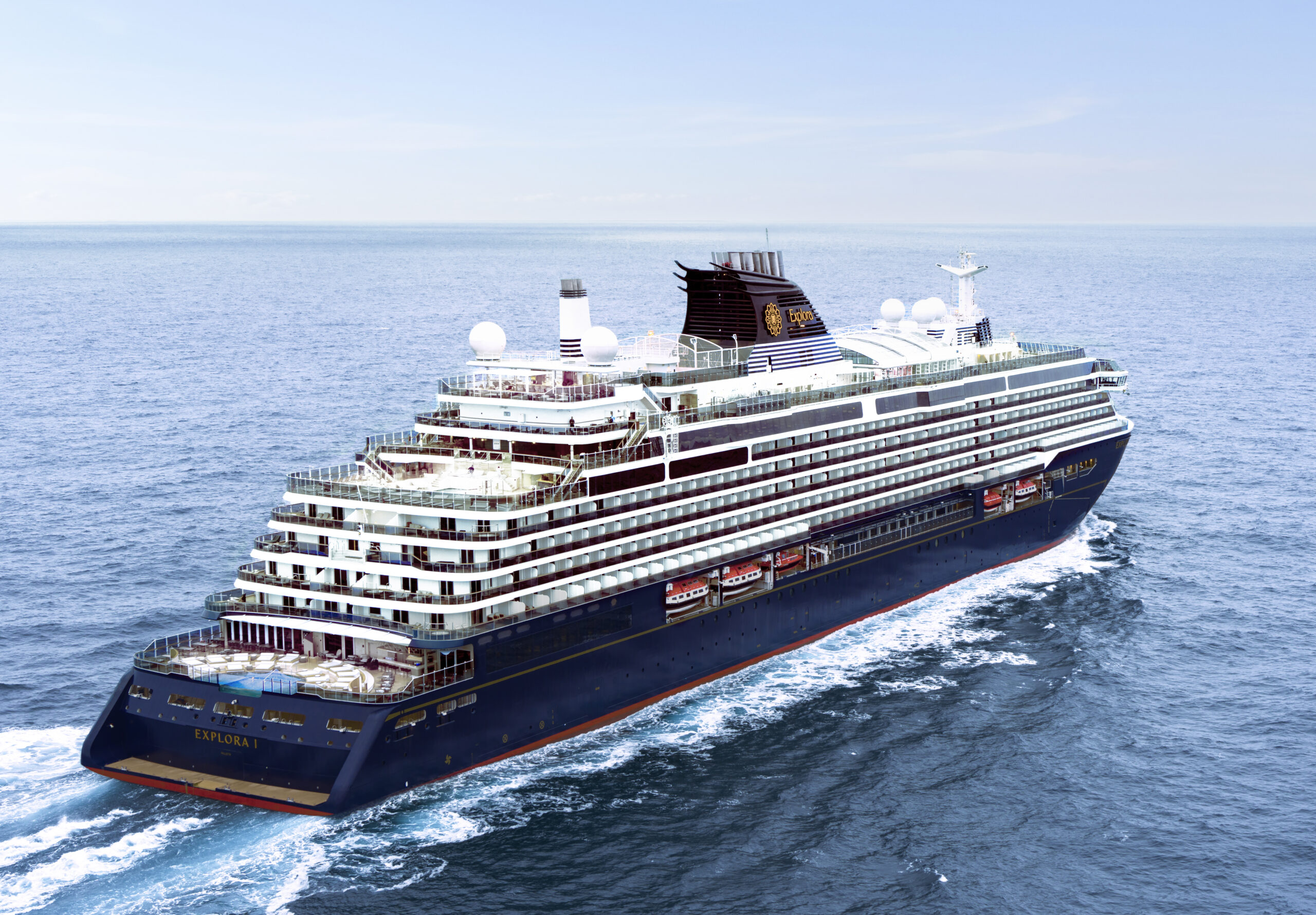
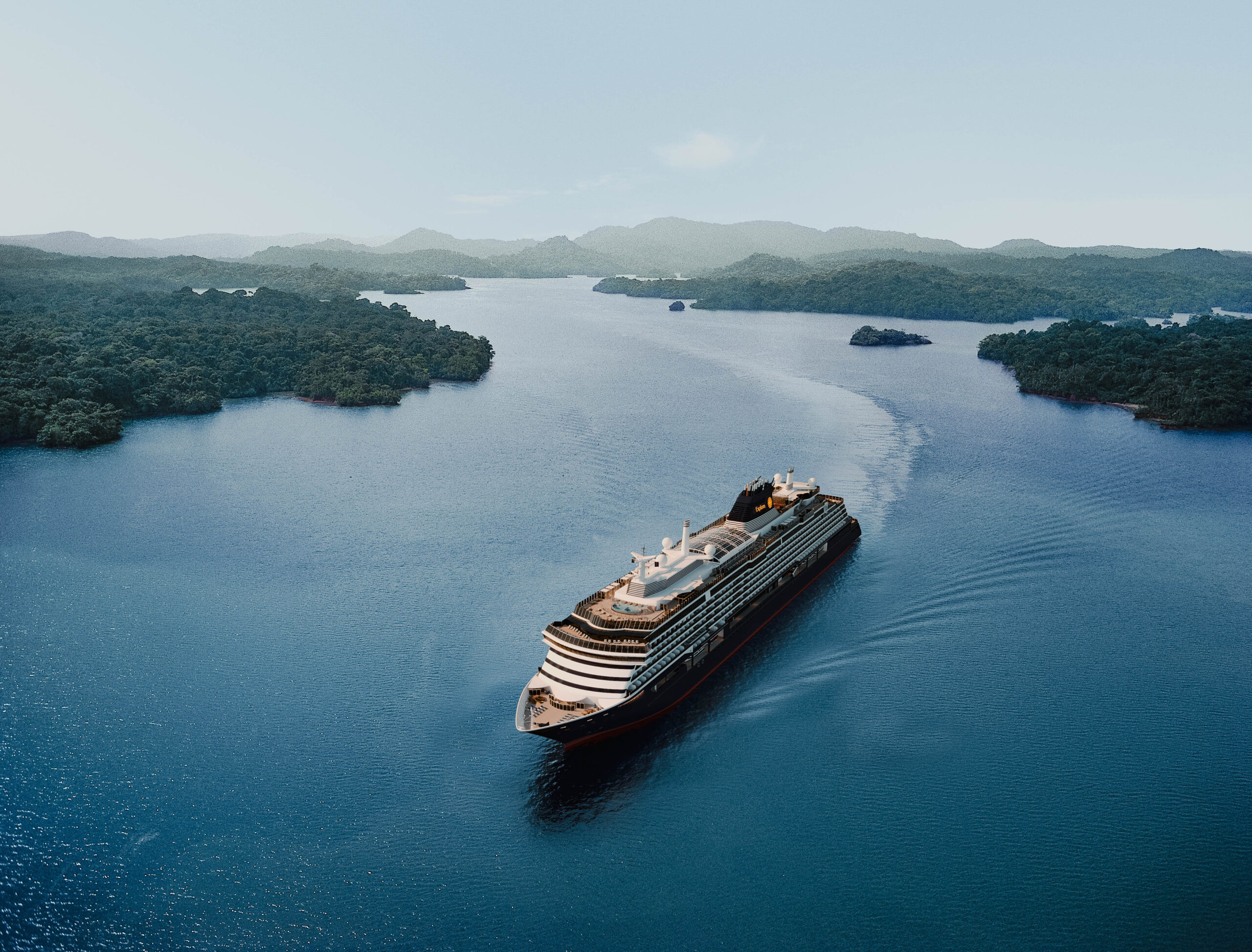
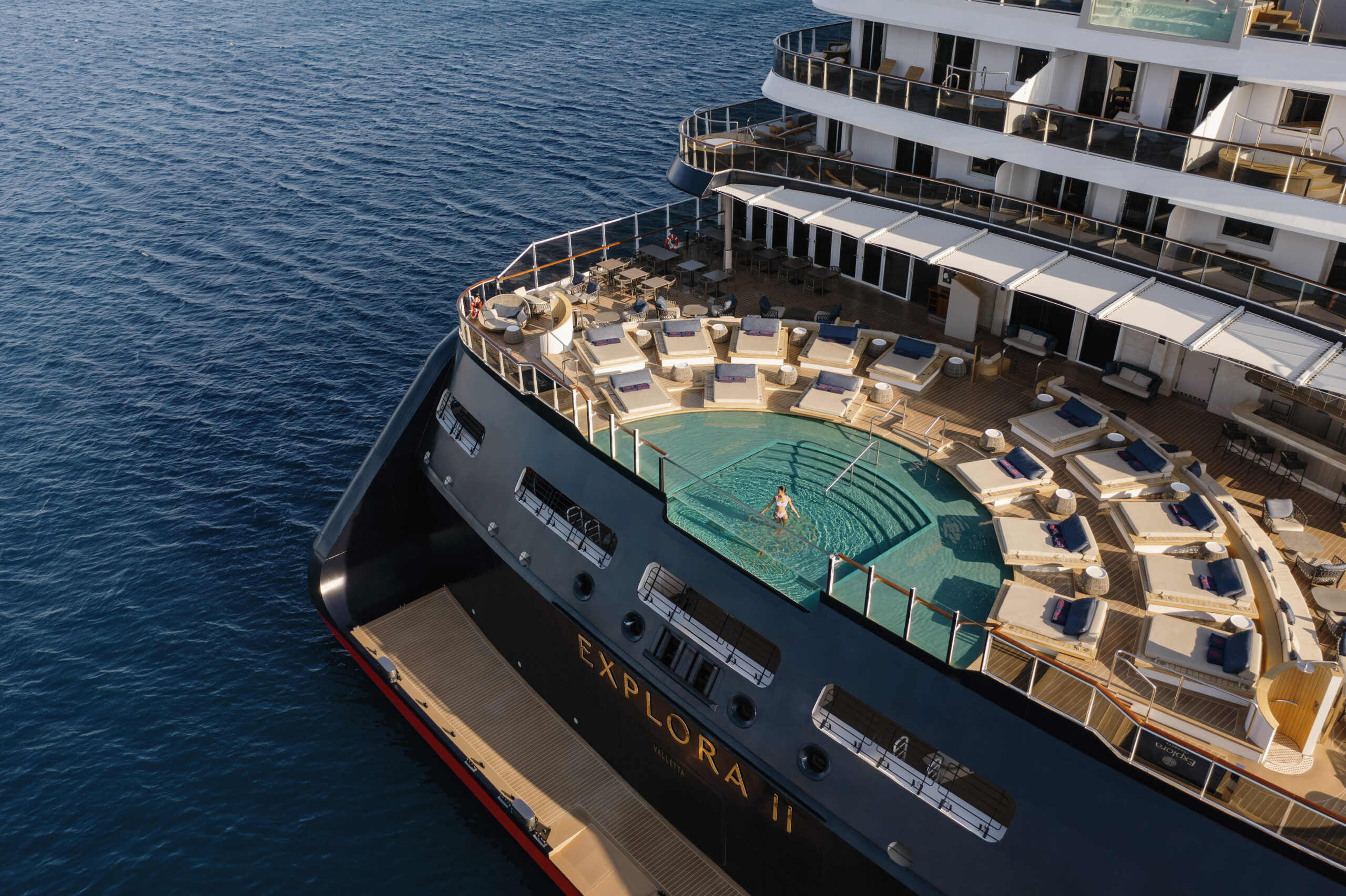
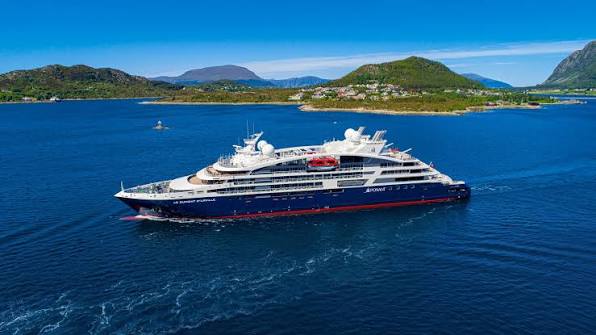
The first ship in Oceania’s Allura Class, Vista joined the fleet in 2023, with sister ship Allura setting sail in 2025. These ships represent an exciting evolution and offer elevated dining options, accommodation, and guest experience.
The Allura Class ships promise to enhance and redefine the
Oceania onboard experience, with chic residential-style
accommodation, all ocean facing with either French or full private
balcony, and a plethora of eye-catching public spaces that combine
dramatic architectural flourishes with the relaxed intimacy for
which Oceania is known. These are also the first Oceania ships to
include dedicated staterooms for solo travellers, and you can
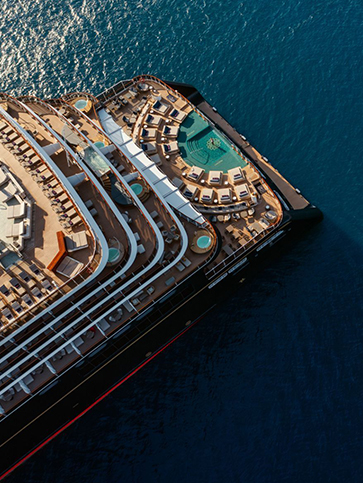
expect innovative dining venues, a serene spa and a stunning pool
deck.
Athens is a city awash with historical and cultural significance. Towering over the city are the gleaming columns of the Parthenon, surely one of the most iconic sights in the whole of Europe. And yet Athens is much more than an open air museum; this is a dynamic, bustling metropolis, and a place where history is still very much unfolding. For all its faults, the Greek capital possesses an energy and an optimism that are manifest in everything from the burgeoning art scene to the restaurants and bars that continue to pop up on a regular basis.
The volcanic island of Santorini (known officially as Thira) is one of the most spectacularly beautiful in the Mediterranean. The pretty village of Oia, with its whitewashed houses and windmills tumbling down the hillside, is particularly photogenic.
Rugged Kefalonia is the largest of the Ionian islands, and remains unspoilt by tourism despite earning fame as the setting for ‘Captain Corelli’s Mandolin’. The island rewards exploration, with some splendid beaches and lovely little villages, and the vineyards here produce some excellent wines.
Kotor sits at the head of a beautiful, fjord-like bay, hemmed in by glowering mountains. The compact, walled old town is Montenegro’s star attraction, a warren of little alleyways and shady squares that is often described as a ‘mini Dubrovnik’.
We never fail to be moved when we see the terracotta roofs and honey-golden walls of Dubrovnik, and a stroll around the perfectly preserved old town is a highlight of any visit to the Dalmatian coast. Make sure you take the time to walk around the walls and soak up the marvellous sea views.
Corfu, known as Kerkyra in Greek, is a beautiful island of verdant hills and rocky coves, and away from the more crowded resorts it remains a sleepy and idyllic place. Don’t miss the picturesque Venetian architecture of Corfu Town, a UNESCO World Heritage Site.
Malta’s tiny capital, established by the Knights of St John, packs in an awful lot of history considering its diminutive size. The atmospheric old streets, bathed in Mediterranean sunshine, are full of attractive honey-golden buildings, along with an impressive selection of bars and restaurants.
Situated on the north eastern tip of Sicily, so close to the Italian mainland you can almost touch it, Messina is the busy main entry point to the island. The city was flattened by an earthquake in 1908, and again by Allied bombing in 1943, so few historical sights remain, although the cathedral is one of Sicily’s most impressive.
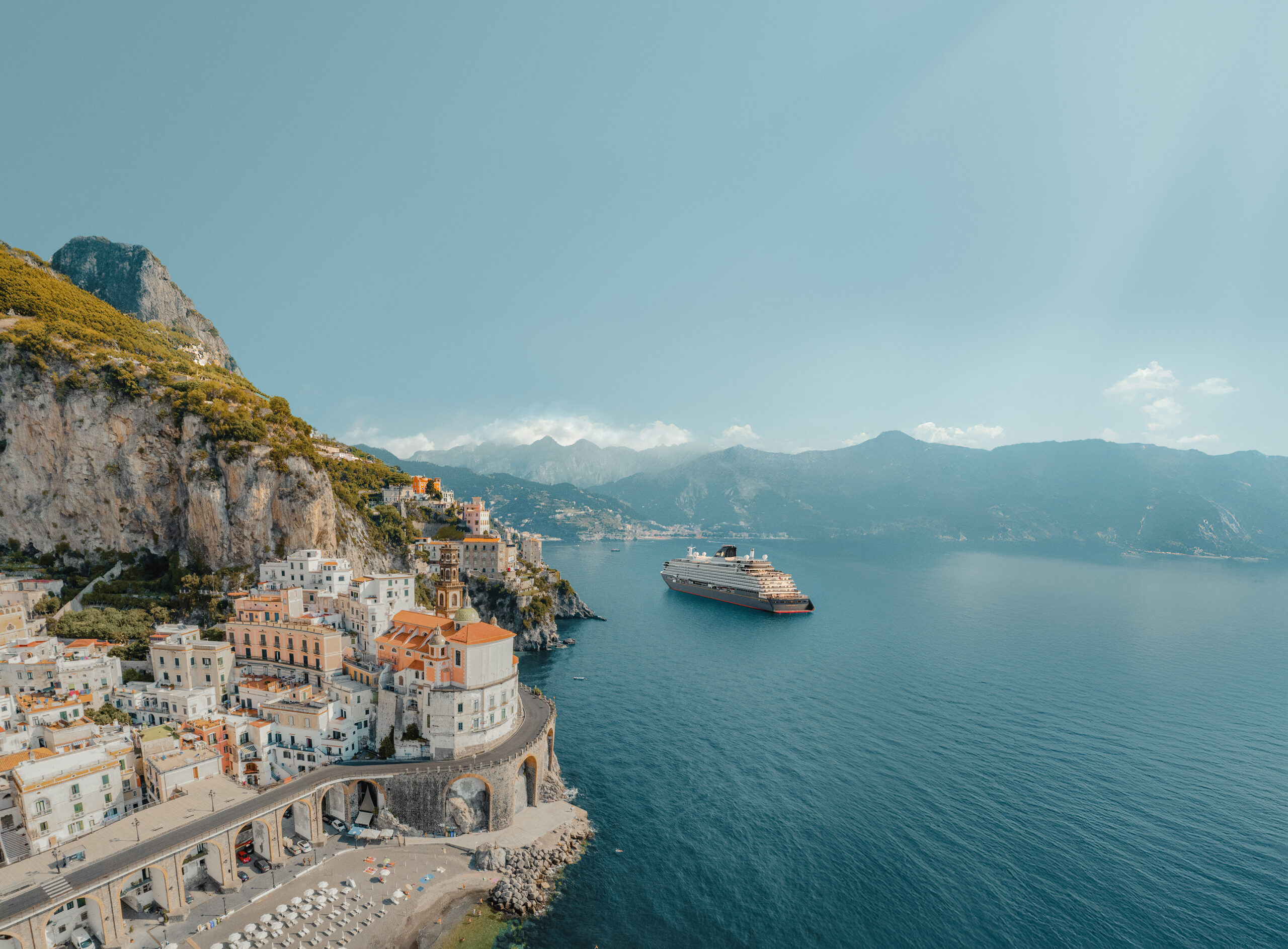
Salerno is the capital of the Campania region, an attractive city at the eastern end of the Amalfi Coast. The historic centre and beautiful seafront promenade are well worth exploring, and the ruins at nearby Paestum make for an interesting day trip.
One of the world’s great cities, Rome continues to dazzle and delight visitors with a potent mix of architectural marvels, continent-defining history and buzzing nightlife. The Colosseum, the Vatican and the Forum are among the big ticket items, with the crowds to match, though in truth you will find history around almost every corner.