From Tokyo to Singapore · Asia · 28 nights
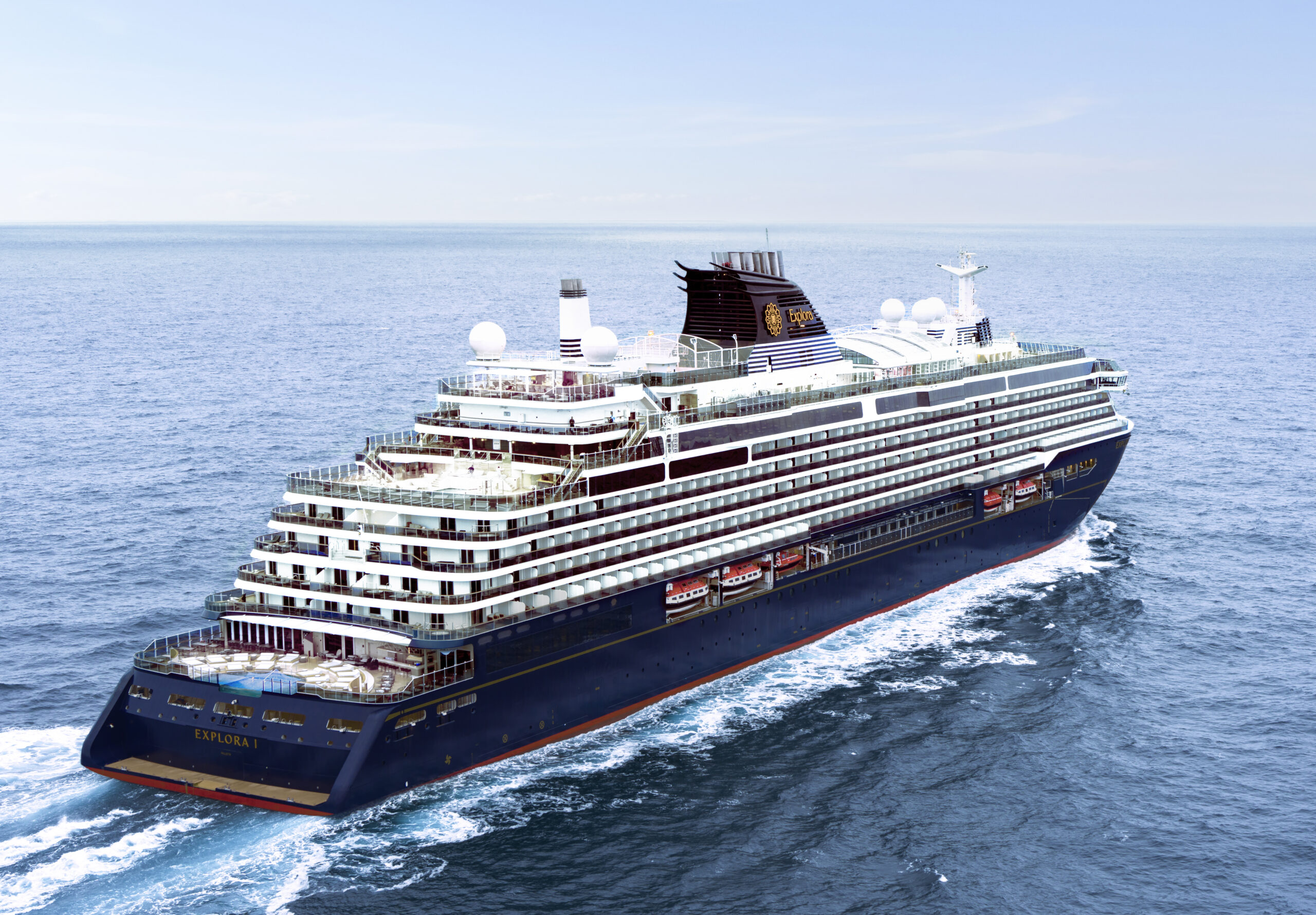
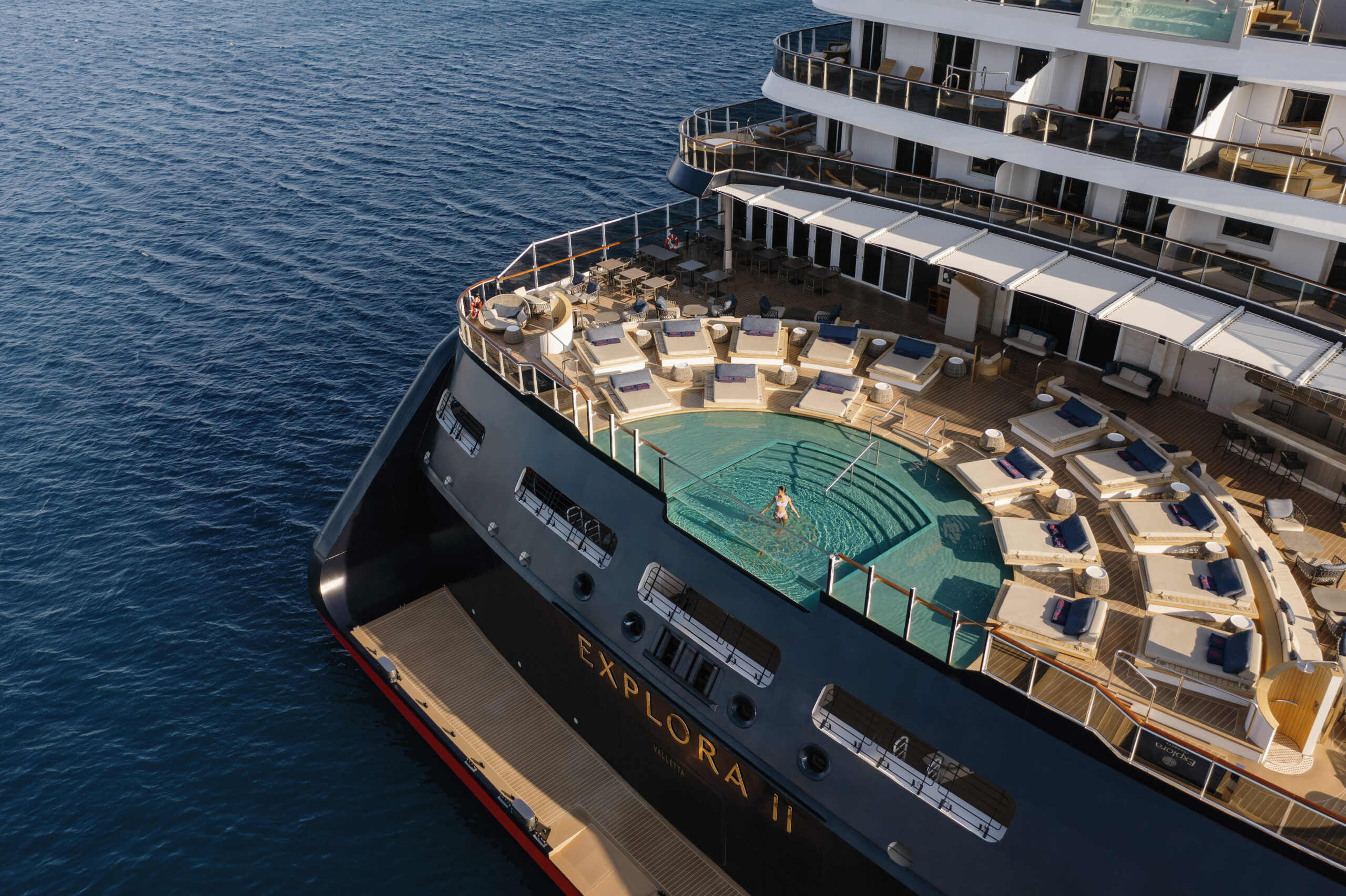
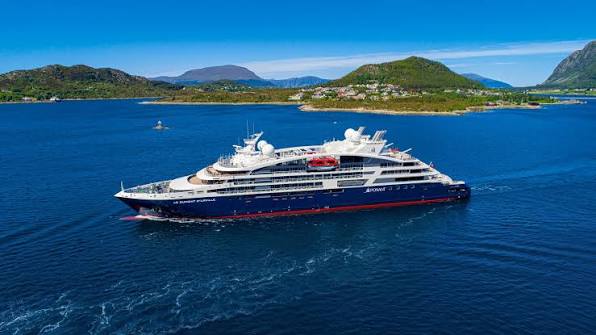
When luxury goes exploring, you are on a Regent ship. Seven Seas Explorer takes the Regent experience one step forward.
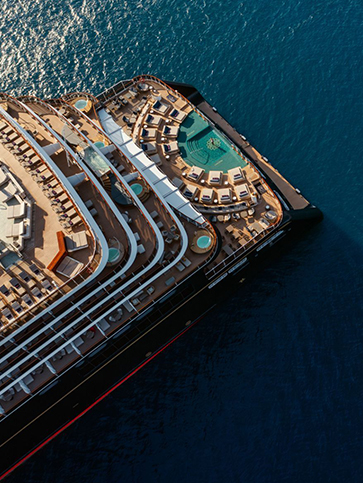
Just 746 guests enjoy the perfect balance of space and intimacy
on Seven Seas Explorer. With plenty of comfort and great value for
money, she steps up the classic Regent luxury offering with their
signature spacious accommodation, a relaxed and unpretentious style
and loads of good dining choices. The most all-inclusive of all
luxury lines.
Tokyo is a dazzling introduction to Japan and its utterly unique culture. With more neon than Las Vegas and more Michelin stars than Paris, it's a real assault on the senses, but an efficient public transport system means it's easy to explore. Asakusa is an atmospheric district where you'll find Tokyo's oldest Buddhist temple, Akihibara spills over with shops selling electronic gadgets, and Harajuku is the place to marvel at the latest colourful Japanese fashions. It's also easy to escape the crowds and find a spot of peace and quiet, with tranquil parks, shrines and lotus ponds dotted around the city.
The city of Hitachinaka is situated on the east coast of Japan’s main island, Honshu, in an area known for its long sandy beaches and busy fishing ports. Don’t miss the famous Hitachi Seaside Park, which lights up with pale blue nemophilia flowers during the spring and crimson kochia bushes in autumn.
Sendai is the largest city in the Tohoku region, founded in the 16th century by the powerful samurai lord Date Masamune. His legacy lives on in the ruins of Sendai Castle, heavily damaged by Allied bombing during the Second World War. The city also plays host to the colourful Tanabata Matsuri festival every summer.
Cave exploring, kayaking, and coastal hiking is what visitors to Miyako, on Honshu's eastern shore can expect, with its dramatic, rocky shoreline of bays, cliffs and coves along the 300-km Sanriku Coast. Don't miss the stunning white pebbled shores of Jodogahama Beach, punctuated by jagged, rocky islands.
Situated at the southern tip of Hokkaido, Hakodate was one of the first Japanese ports to open up to international trade in the 19th century, and a scattering of European-style buildings remain. Take a ride on the historic streetcar, tuck into delicious seafood or enjoy a revitalising dip in an onsen (hot spring).
The city of Aomori, at the northern tip of Honshu island, is best known for its summer Nebuta Matsuri festival, which lights up the streets every August. There is still plenty to see during the rest of the year, including elegant Hirosaki Castle, pretty Lake Towada and the Seiryu-ji Temple, home of the largest Buddha statue in Japan.
Kanazawa rivals Kyoto for historical significance, though the city is far less overrun with tourists. The 17th-century Kenroku-en garden is the jewel in Kanazawa’s crown, filled with pretty ponds and waterfalls, and the city is also home to exceptionally well preserved samurai and geisha districts.
The port of Sakaiminato is known for its fishing industry and superb seafood, and it’s a short drive from Matsue and its famous medieval ‘Black Castle’. Sakaiminato is also the home of the popular Japanese manga artist Mizuki Shigeru, and the town is full of statues celebrating his work.
Busan is South Korea’s second biggest city and one of the world’s busiest container ports, but it’s an easygoing place with a discernibly different character to Seoul. Haeundae beach is a popular summer holiday destination for Koreans, while the pungent Jagalchi market sells every type of fish and sea creature imaginable.
In a state of constant renewal and forever looking to the future, densely populated Tokyo is a dazzling introduction to Japan and its utterly unique culture. With more neon than Las Vegas and more Michelin stars than Paris, it’s a real assault on the senses.
The friendly southern Japanese city of Kagoshima enjoys a balmy climate, and sits just across the bay from the very active Sakurajima volcano, which erupts so regularly that an ‘ash forecast’ is included in local weather reports.
Ishigaki is the most developed of the Yaeyama islands, an idyllic tropical archipelago located closer to Taiwan than mainland Japan. The offshore coral reefs make this a popular spot for diving and snorkelling, while the jungle interior offers some great hiking opportunities.
Keelung is a fairly unremarkable port city close to Taipei, Taiwan’s capital. Taipei draws on an interesting mix of Chinese, Japanese and Western influences, and is home to attractive temples, a burgeoning street food scene and Taipei 101, which was the world's tallest building until it was eclipsed by Dubai's Burj Khalifa in 2010.
Hong Kong is a striking mix of ancient and modern, Chinese and British, and there is a lot more to the city than just skyscrapers and high finance. It's also a fantastic destination for foodies, a melting pot of culinary influences from around Asia and beyond.
Saigon, as it was known then, was the capital of the South during the Vietnam War, and American-style capitalism has been embraced more enthusiastically here than in the North, with a clutch of shining skyscrapers standing as testament to Vietnam’s surging economic growth.
Attracting everyone from budget backpackers to ostentatious oligarchs, Koh Samui is one of Thailand’s most popular islands. It’s no surprise, given the truly stunning beaches, but the more developed areas such as Chaweng have lost a lot of their charm, so head for the quieter south and west if you can.
Singapore’s heritage as an important trading post means that there is a real cultural mix, with four official languages: English, Chinese, Malay and Tamil. Step away from the gleaming towers and you’ll find yourself transported into another world amongst the intoxicating streets of Chinatown and Little India.