From Manaus to San Juan · South America & Antarctica · 10 nights
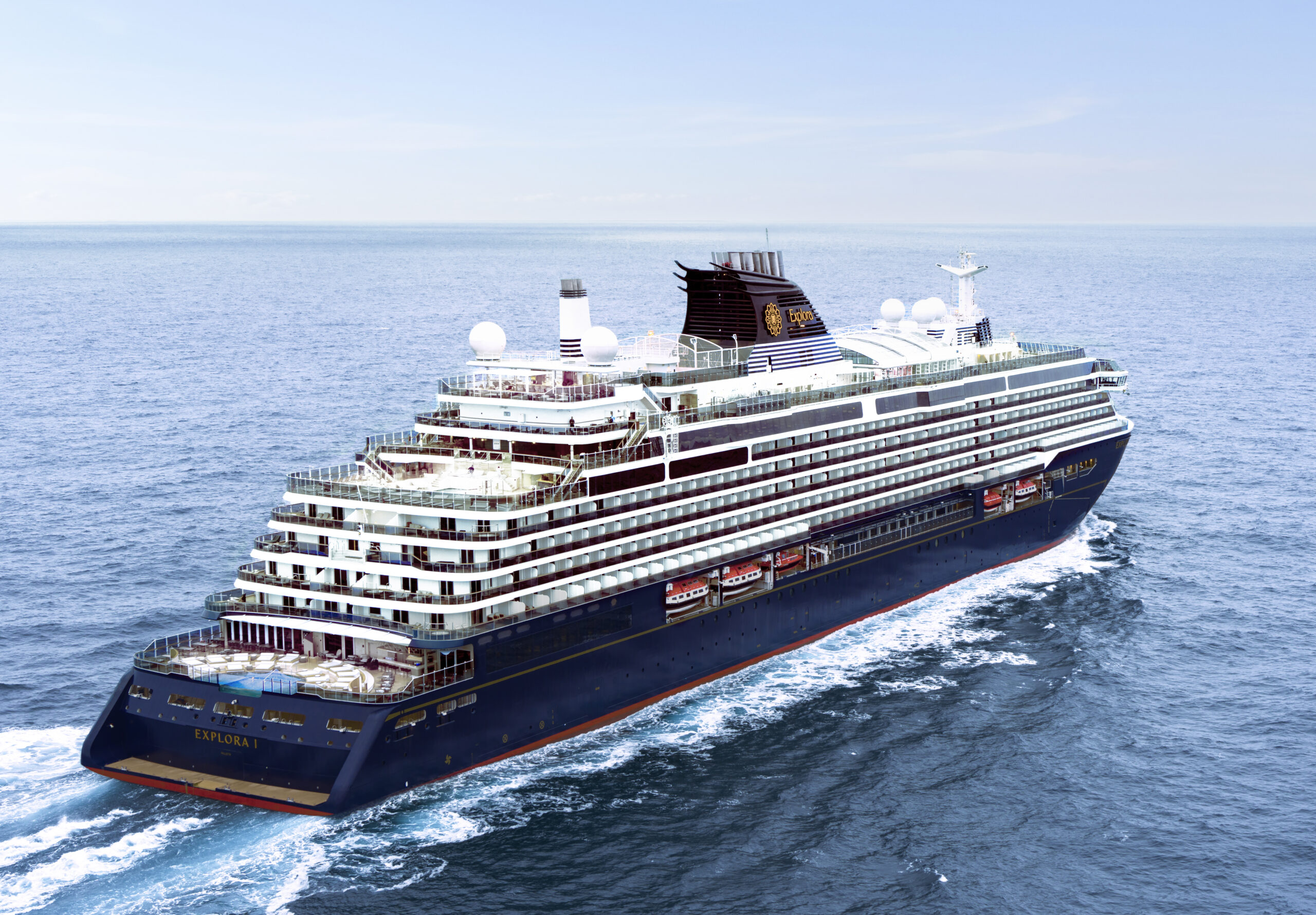
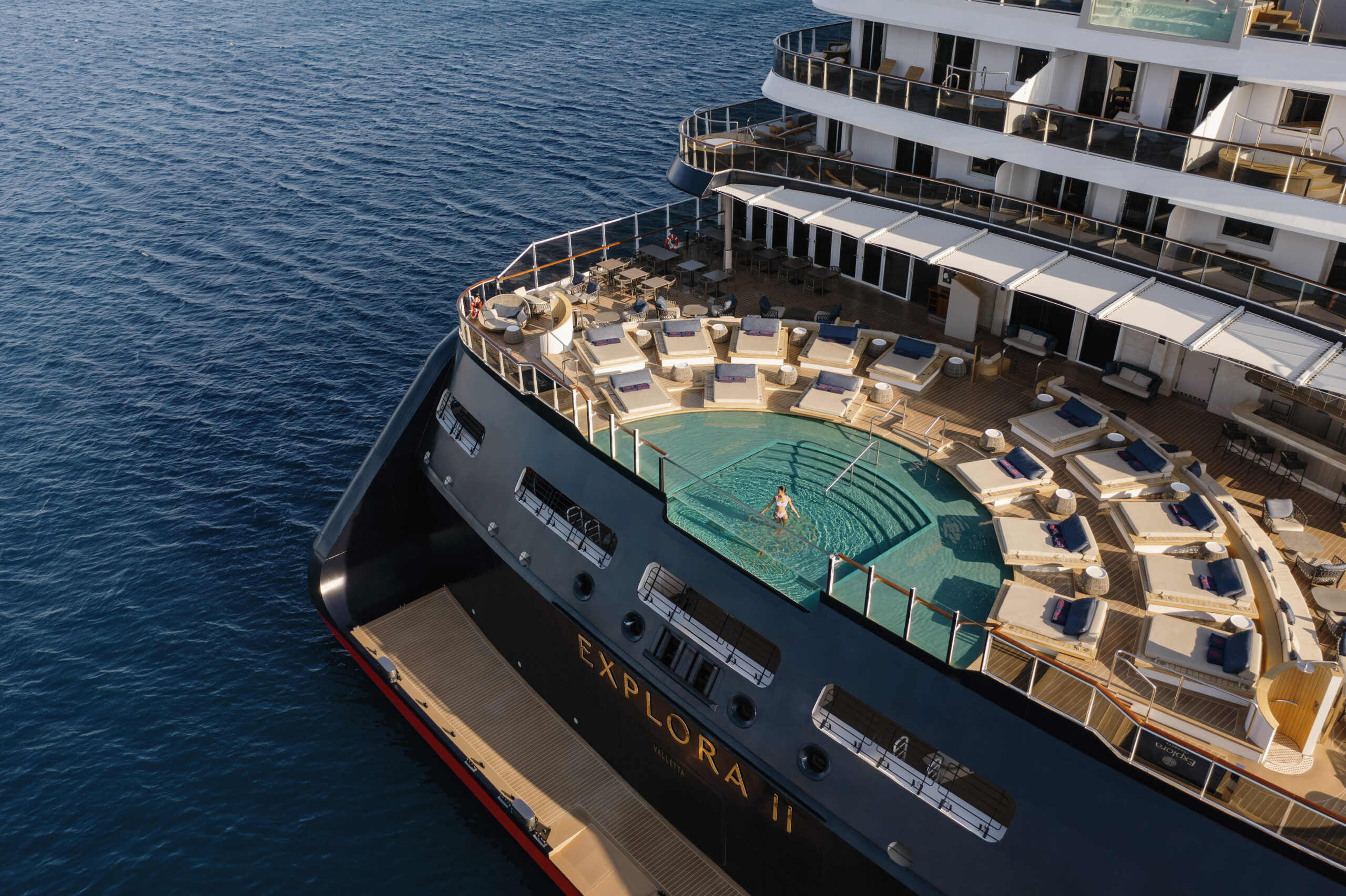
Explora I launched in 2023 with Explora II following in 2024, and these luxury all-inclusive resort-style vessels marked the entrance of new cruise line Explora Journeys into the luxury cruise market.
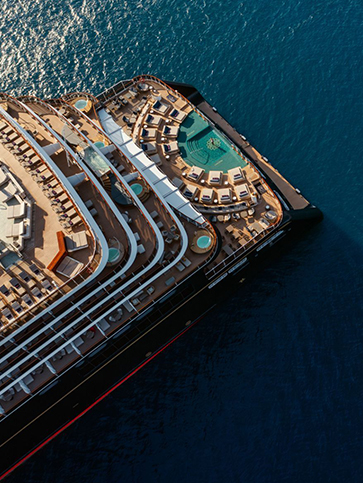
These identical ships feature spacious accommodation, generous
outdoor areas, a huge choice of restaurants, an attractive guest to
crew ratio of 1.25 to 1, three outdoor pools and a fourth with a
retractable glass roof, these ships really have it all.
Situated near the confluence of the Rio Negro and Amazon rivers, and surrounded by thick jungle, Manaus is a remarkable place, a sweltering, steamy city in the heart of the Brazilian rainforest. It first came to prominence as the centre of the rubber trade around the turn of the twentieth century, but these days it's a major port, despite its location some 1,000 miles from the sea, and it's also the centre of the Amazonian tourism industry. It's an interesting place and there are a few sights worth seeing before you venture into the jungle, including the famous Teatro Amazonas, a beautiful 19th century opera house.
The little island town of Parintins is famous for its annual Boi Bumbá festival, the biggest folk celebration in Brazil after Rio Carnival. Cruise ship visitors are usually met by Bumbá dancers at the port, and it’s a great place to get a feel for everyday life in the Amazon region.
The laid back riverside village of Alter do Chão is sometimes known as the ‘Caribbean of the Amazon’ thanks to its white sand beaches, clear waters and chilled out vibe. Beyond the beach the main activities are exploring the surrounding rainforest and shopping for local handicrafts.
Bisected by the Equator, the city of Macapá commands a strategic position on the northern side of the Amazon estuary, and is the site of an impressive 18th century Portuguese fort. There is also a pleasant riverfront area cooled by ocean breezes, and the surrounding region is rich in birdlife.
Scarborough is the capital of Tobago, a sleepy island where tourism remains mostly low key. The town has a few interesting colonial era sights, but we’d recommend exploring Tobago’s natural treasures instead, including stunning reefs, secluded waterfalls and a rainforest reserve that draws birdwatchers from around the globe.
Castries, Saint Lucia’s diminutive capital, is home to some interesting markets and colonial buildings. The island’s highlights are situated elsewhere, however, and we’d recommend either heading south towards Soufrière, where the iconic Piton mountains guard a beautiful bay, or north to the bars, restaurants and beaches of Rodney Bay.
The island of Dominica stands out from the rest of the Caribbean, a rugged natural paradise that remains blissfully free of mass market tourism. The capital, Roseau, is pleasant enough, but the island interior offers so much more, including thick jungle, bubbling hot springs, cascading waterfalls and abundant birdlife.
Philipsburg is the gateway to an intriguing little Caribbean island with a dual personality: the Dutch side, St. Maarten, is the livelier of the two, with shopping malls, casinos and more of a nightlife scene, while French-speaking St. Martin is a more refined (and more expensive) affair, with a laid-back, continental air and a host of exclusive resorts and restaurants.
Founded by the Spanish in 1521, Puerto Rico’s capital is the second oldest European settlement in the Americas. Modern San Juan is a bustling city, home to over a third of the island’s population, but the cobbled streets of the Old Town remain the biggest tourist draw.