From Phuket to Tokyo · Asia · 41 nights
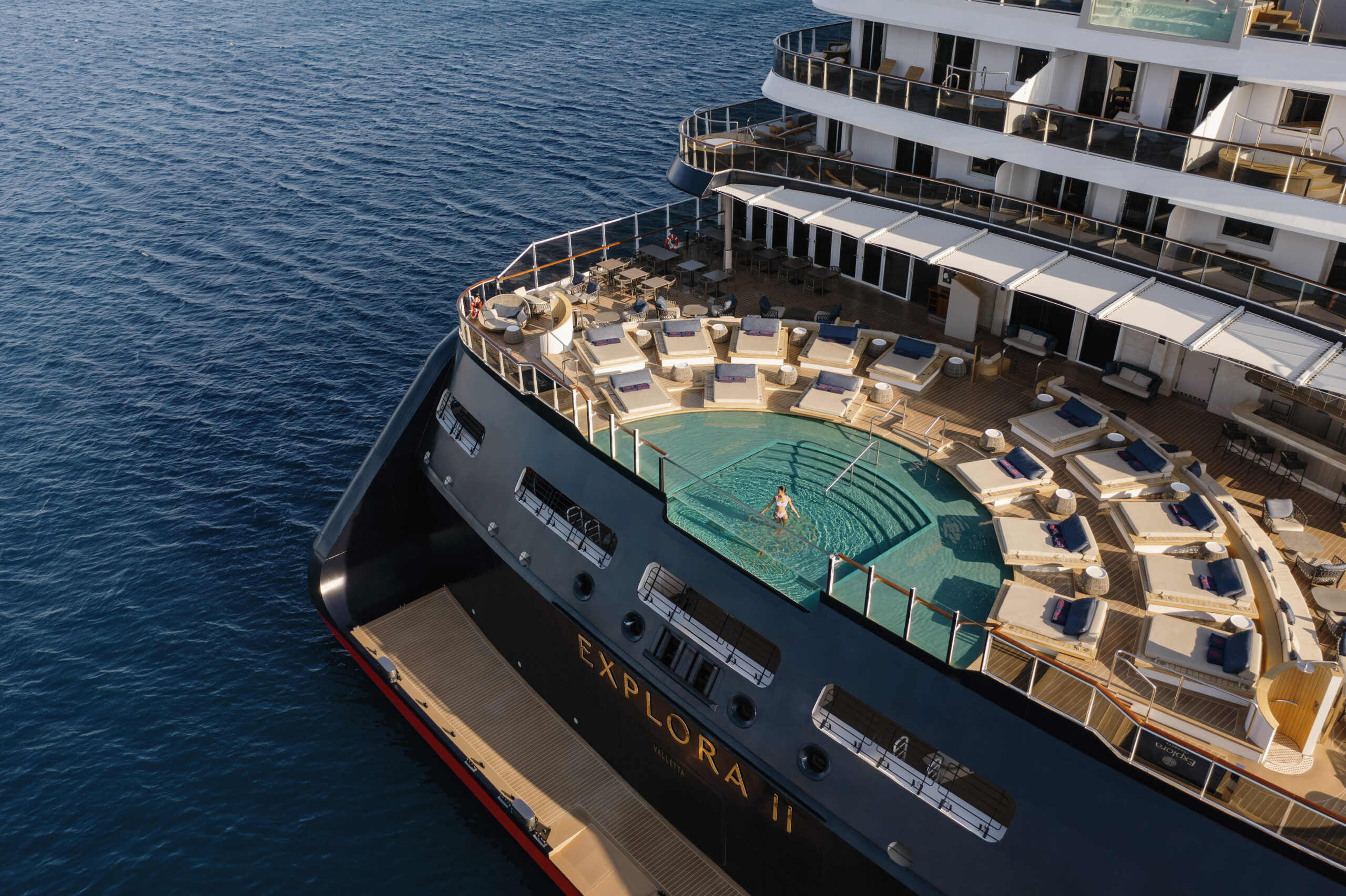
Windstar’s new sister ships, Star Seeker and Star Explorer, will each have 112 suites and a staff-to-guest ratio of 1:2, offering Windstar’s brand of laid-back luxury with some enhancements.
Each yacht will maintain the intimate atmosphere of Windstar’s
other ships, and will feature Windstar’s classic watersports
platform with new staircase access, as well an intimate forward
whirlpool and spacious open deck perfect for Windstar’s famous deck
barbecues, alongside a two-level spa and fitness centre. Dining
options include dishes from James Beard Foundation-affiliated
chefs, as well a Yacht Club café and lounge. Star Seeker joined the
fleet in December 2025, and Star Explorer will join in December
2026.
Phuket is Thailand's most popular tourist destination, and it's true that it can be crowded and overdeveloped in places, but it's not hard to escape the masses and be reminded why this idyllic island is known as the 'Pearl of the Andaman'. As well as a plethora of luxury resorts, Phuket has a charming old town replete with pretty Sino-Portuguese architecture, and acts as a jump-off point for exploring nearby islands and coastline. Koh Phing Pan, better known as James Bond Island, and Ko Phi Phi are breathtakingly beautiful, as are the limestone formations that surround the mainland town of Krabi.
The Malaysian island of Penang is a fascinating blend of East and West, far more than just a beach destination. Lovely Georgetown, a UNESCO World Heritage Site, is home to British colonial architecture, crumbling Chinese shophouses and incense-perfumed temples.
Malaysia’s capital is a hot and humid cultural melting pot, defined by its distinctive Malay, Chinese and Indian communities. The dazzling Petronas Towers are KL’s most recognisable landmark, while at street level you’ll find temples and mosques, elegant colonial buildings and bustling markets.
Singapore’s heritage as an important trading post means that there is a real cultural mix, with four official languages: English, Chinese, Malay and Tamil. Step away from the gleaming towers and you’ll find yourself transported into another world amongst the intoxicating streets of Chinatown and Little India.
Attracting everyone from budget backpackers to ostentatious oligarchs, Koh Samui is one of Thailand’s most popular islands. It’s no surprise, given the truly stunning beaches, but the more developed areas such as Chaweng have lost a lot of their charm, so head for the quieter south and west if you can.
Ko Kut (also known as Koh Kood), is one of Thailand’s prettiest islands, with powder-soft sands reminiscent of the Maldives, crystal clear waters and beautiful waterfalls. Kayaking and snorkelling are the main activities here, along with relaxing on the beach and enjoying the incredible views.
Thailand’s sprawling capital is an assault on the senses, an invigorating blend of tradition and modernity. Soaring skyscrapers, air-conditioned shopping malls and an efficient public transport system combine with shimmering golden temples, ancient palaces, floating markets and at times gridlocked rush hour traffic.
Ko Kut (also known as Koh Kood), is one of Thailand’s prettiest islands, with powder-soft sands reminiscent of the Maldives, crystal clear waters and beautiful waterfalls. Kayaking and snorkelling are the main activities here, along with relaxing on the beach and enjoying the incredible views.
The once sleepy backwater of Kompong Som, renamed after the former king Norodom Sihanouk, is the rising star of the Cambodian coast’s burgeoning tourist industry. Here you’ll find beautiful sandy beaches and a string of laid back islands that are still largely undeveloped.
Saigon, as it was known then, was the capital of the South during the Vietnam War, and American-style capitalism has been embraced more enthusiastically here than in the North, with a clutch of shining skyscrapers standing as testament to Vietnam’s surging economic growth.
Da Nang is the largest city in central Vietnam, and was the site of a major US airbase during the Vietnam War. The main point of interest in the city itself is the excellent Cham Museum, while nearby attractions include Hoi An, the Marble Mountains and the imperial citadel of Hue.
Almost 2,000 limestone islands and karst formations are scattered across the remarkable World Heritage Site of Ha Long Bay, said to have been created when a dragon fell to earth. A cruise on a small junk boat is the best way to see the many islands and caves, and it's also a great place to explore by sea kayak.
Hong Kong is a striking mix of ancient and modern, Chinese and British, and there is a lot more to the city than just skyscrapers and high finance. It's also a fantastic destination for foodies, a melting pot of culinary influences from around Asia and beyond.
Keelung is a fairly unremarkable port city close to Taipei, Taiwan’s capital. Taipei draws on an interesting mix of Chinese, Japanese and Western influences, and is home to attractive temples, a burgeoning street food scene and Taipei 101, which was the world's tallest building until it was eclipsed by Dubai's Burj Khalifa in 2010.
The island of Amami-Oshima is rich in flora and fauna thanks to a mild subtropical climate, and a number of whale species can be spotted in the surrounding waters during the winter. The island also has some lovely white sand beaches, and is known for producing high quality hand-made silk.
Osaka, Japan’s third largest city, is a pulsating commercial hub, famous for its food, and the cityscape rivals Tokyo for neon-lit futurism. If you need respite from the urban sprawl seek out Osaka Castle and the surrounding Nishinomaru Garden, a particularly pretty spot during the cherry blossom season.
The laid back port city of Takamatsu sits on the north coast of Shikoku, the smallest of Japan’s major islands, and is home to the beautifully designed Ritsurin Koen, one of Japan’s most famous historical gardens.
On 6 August 1945 the world witnessed the terrifying power of nuclear weapons for the first time, unleashed on the unsuspecting Japanese city of Hiroshima. The modern city's sobering Peace Memorial Park commemorates that fateful day, which left more than 140,000 dead.
The coastal city of Karatsu was a key port for trade with China and Korea thanks to its proximity to the Korean peninsula, and is known for the quality of its pottery. Local attractions include the large hilltop castle, which served as a base for general Toyotomi Hidetoshi's 16th century invasion of Korea.
Busan is South Korea’s second biggest city and one of the world’s busiest container ports, but it’s an easygoing place with a discernibly different character to Seoul. Haeundae beach is a popular summer holiday destination for Koreans, while the pungent Jagalchi market sells every type of fish and sea creature imaginable.
Three days after Hiroshima was flattened by an atomic bomb, Nagasaki suffered the same horrifying fate. The reconstruction of both cities has been quite extraordinary; Nagasaki today is a vibrant, cosmopolitan place, with a fascinating history that goes back a lot further than 1945.
The friendly southern Japanese city of Kagoshima enjoys a balmy climate, and sits just across the bay from the very active Sakurajima volcano, which erupts so regularly that an ‘ash forecast’ is included in local weather reports.
Shimizu is one of the most spectacular ports in Japan, a sweeping bay in the shadow of the iconic Mount Fuji. You can spend some time admiring the views and wandering through peaceful pine groves, or visit the unique Shimizu Sushi Museum at the S-Pulse Dream Plaza shopping mall.
In a state of constant renewal and forever looking to the future, densely populated Tokyo is a dazzling introduction to Japan and its utterly unique culture. With more neon than Las Vegas and more Michelin stars than Paris, it’s a real assault on the senses.