From Puerto Williams to Puerto Williams · South America & Antarctica · 18 nights
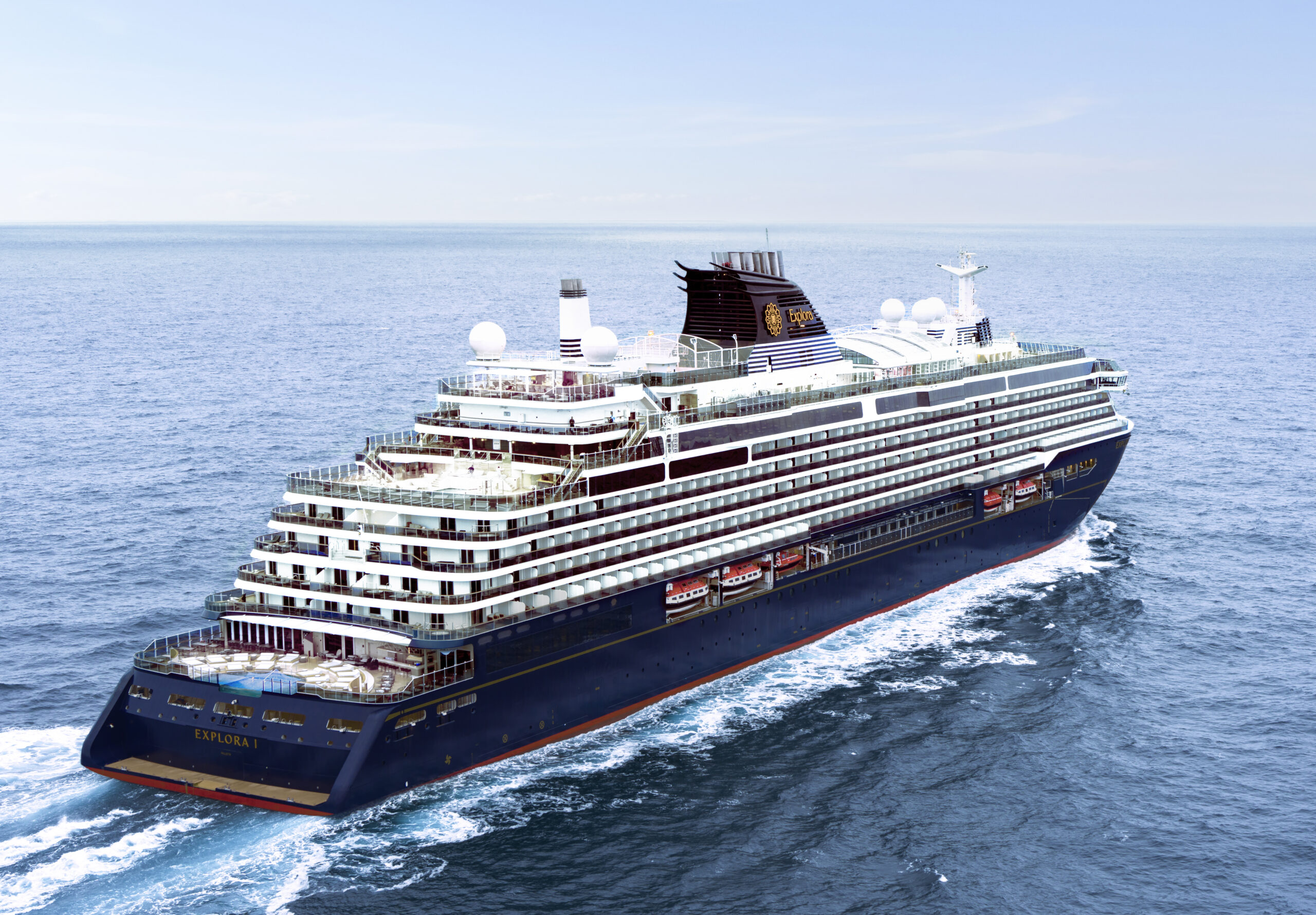
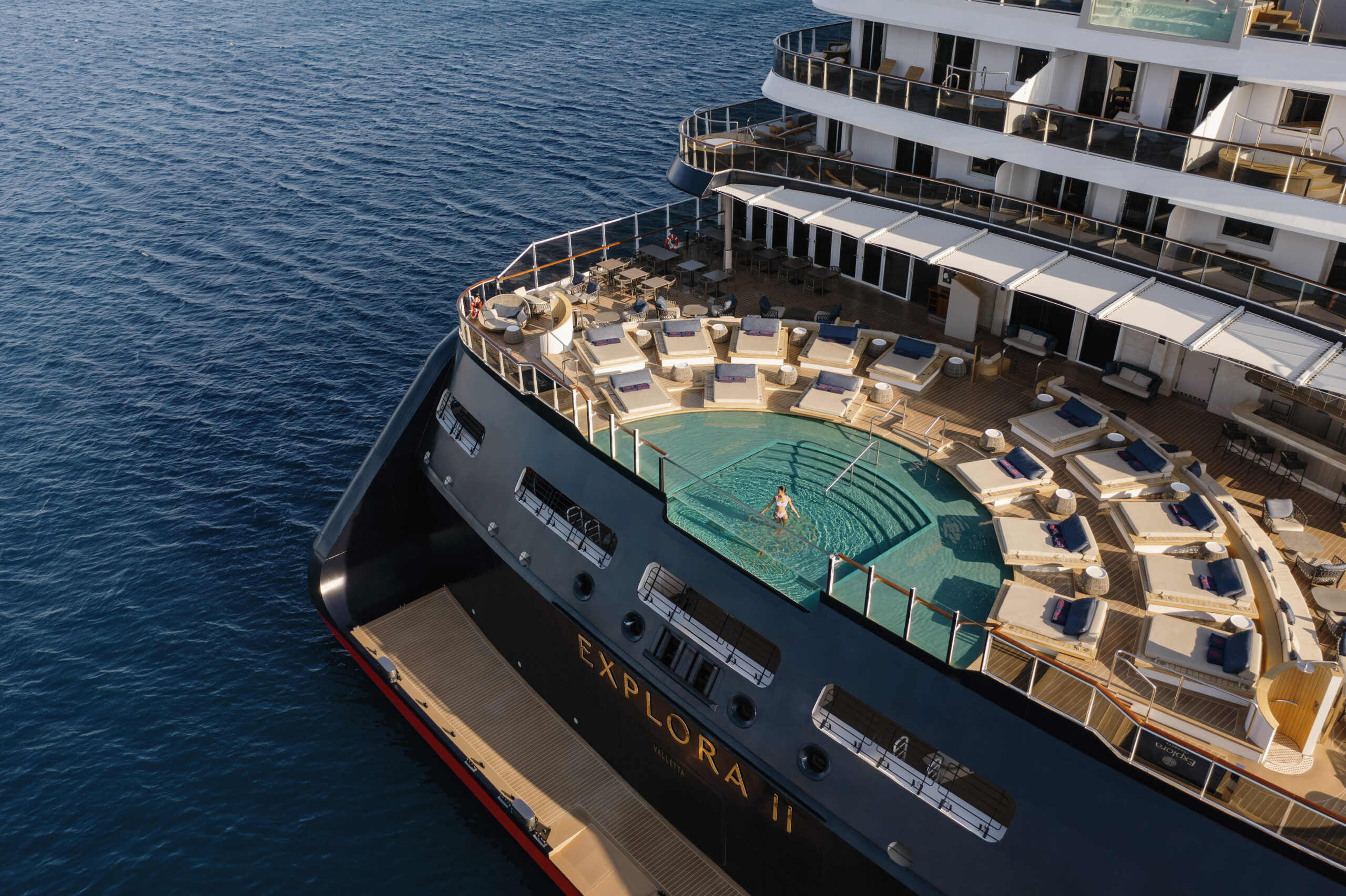
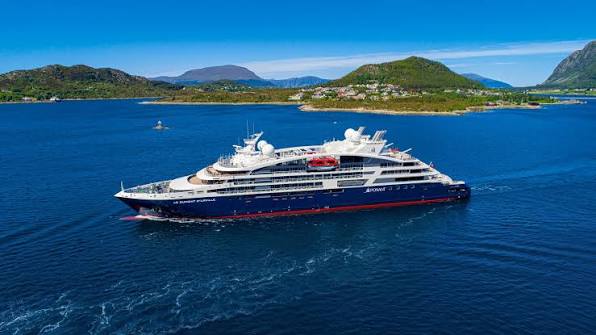
This intimate and popular little ship was the first crossover ship in the fleet, reborn as a stylish expedition ship following an extensive refurbishment in 2017.
The lovely Silver Cloud is now part of Silversea’s Expeditions
fleet, with a reduced capacity, an ice-strengthened hull and 18
zodiacs making this one of the most luxurious expedition ships at
sea.
Puerto Williams has the feel of a true frontier town, situated on windswept Navarino Island facing out across the Beagle Channel. It's home to a fishing port and an important Chilean naval base, and is often described as 'the world's southernmost city', although it's debatable whether it's really a city. The surrounding mountains offer a spectacular backdrop for hiking and kayaking, while to the south lies the infamous Drake Passage and, beyond that, the frozen continent of Antarctica.
Arriving on New Island's sandy beach, you'd be forgiven for thinking you were off the coast of Scotland. Yet a short walk over the crest of a hill reveals a colony of rockhopper penguins and black-browed albatross perched on a cliff. A small hut, originally built by stranded sailors, is now a museum dedicated to the history of the island.
West Point Island is located in the northwest of the Falklands archipelago, and is also known as Albatross Island thanks to the many black-browed albatross that nest on the spectacular cliffs. The island is also a working sheep farm, and is home to a large colony of rockhopper penguins.
The rugged and windswept Falkland Islands make for a fascinating stop on the way to or from Antarctica. Over 80% of the population lives in the capital, Stanley, though humans are far outnumbered by other creatures, including penguins, sea lions and albatrosses.
Remote and virtually uninhabited, the island of South Georgia is a beautiful and fascinating place. The landscape of jagged, snowy peaks and dramatic fjords is home to an abundance of penguins and seals, as well as ghostly abandoned whaling stations and the grave of Sir Ernest Shackleton.
Named after the elephant seals that live along the coast, Elephant Island is synonymous with the early days of Antarctic exploration. It was here that Ernest Shackleton and his men were stranded for four months, and a monument to their bravery now stands on the island, often surrounded by Gentoo penguins.
The Antarctic Sound is a 37-mile channel that separates the Joinville Island group from the Antarctic Peninsula. Prepare to be amazed as you sail among vast icebergs that have broken free from the Larsen Ice Shelf, and look out for wildlife including Gentoo penguins and whales.
Antarctica is the world’s last great wilderness, an alien landscape of snow-covered mountains, jagged icebergs and extraordinary wildlife. February is a great time to spot whales, with species including humpback, sperm and orca, and you still have a chance of seeing penguin chicks. Fur seals are also abundant at this time of year.
Icy and remote, the South Shetland Islands are situated about 100 miles north of the Antarctic peninsula. The archipelago is home to a scattering of research stations, along with thousands of penguins, seals and sea lions, and you can still see the remains of Ernest Shackleton’s ship the ‘Endurance’ on the south west shore of Elephant Island.
Puerto Williams has the feel of a true frontier town, situated on windswept Navarino Island facing out across the Beagle Channel. The surrounding mountains offer a spectacular backdrop for hiking and kayaking, while to the south lies the infamous Drake Passage and, beyond that, the frozen continent of Antarctica.