From St John's to Colón · Caribbean · 12 nights
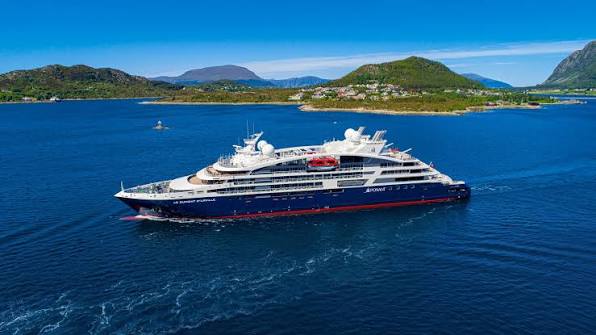
True clipper ships, these beautiful four-masted vessels reflect a proud seafaring heritage in their elegant sails, warm woods and polished brass.
Sister ships Star Clipper and Star Flyer certainly stand out
from the crowd. In full sail they are an awe-inspiring sight,
reminiscent of a bygone age, yet combining this tradition with the
comfort of a modern cruise line, ideal for those who wish to
experience a tall ship cruise. Climb the mast or relax by the small
pool; you can be as involved as you wish on these easy-going and
friendly ships.
Antigua is famously home to 365 beaches - one for every day of the year - and there is an undeniable allure to the many white sand coves dotted along the coast. The capital, St John's, is worth a look, but if you've got time to visit the south coast you'll find historic Nelson's Dockyard a lot more interesting.
Guadeloupe is made up of two main islands that resemble the wings of a butterfly, and several smaller islands offering a diverse array of cultural, historical and natural attractions. The islands are swathed in lush rainforest and fringed by golden beaches, and a strong French influence is discernible in the flavoursome Creole cuisine.
The beach at South Friars Bay is a lovely sweep of golden sand at the southern end of St Kitts, although it can get a little busy when the larger cruise ships are docked on the island. There are several bars and restaurants along this half-mile stretch, with watersports equipment and loungers available to rent.
Eight tiny islands make up the Iles des Saintes, a sparsely inhabited archipelago off the southern coast of Guadeloupe. The most interesting island is hilly Terre-de-Haut, almost entirely populated by the fair-skinned descendants of Breton sailors and home to a beautiful bay reminiscent of a mini Rio de Janeiro.
The gabled houses of Willemstad lend an undeniably Dutch feel to the capital of little Curaçao, with a splash of Caribbean colour thrown in. The island itself is not your typical lush tropical paradise - the landscape is characterised instead by thorny shrubs and cacti - but there are some fantastic beaches and quaint little villages.
The tiny Dutch Caribbean island of Aruba, located just off the coast of Venezuela, lies outside of the hurricane belt, meaning it enjoys a largely dry climate, and boasts some of the best beaches in the region, if not the world.
Situated on Colombia’s Caribbean coast, Santa Marta is the oldest surviving Spanish colonial city in South America. The modern city lacks some of the charm of nearby Cartagena, but tourism has come on leaps and bounds in recent years, with a number of ambitious regeneration projects and a host of new restaurants and bars.
Cartagena was founded by Spanish conquistadors in 1533, and the beautifully preserved centre is a real highlight of Colombia’s Caribbean coast. The walled old town, the Ciudad Amurallada, is a camera-friendly collection of cobbled streets and colourful, colonial-era buildings.
Situated just off the coast of Panama, the idyllic San Blas islands are home to the Kuna Indians, who enjoy political autonomy from the mainland and have an unusual degree of control over tourism to their homeland. Visiting these simple island communities is a privilege, and an insight into an indigenous way of life unsullied by mass tourism.
Situated at the Atlantic entrance to the Panama Canal, Colón is not somewhere you will want to hang around for long, and serves merely as a gateway to the Canal, which will carry you to much nicer places.