From Miami to Lisbon · South America & Antarctica · 112 nights
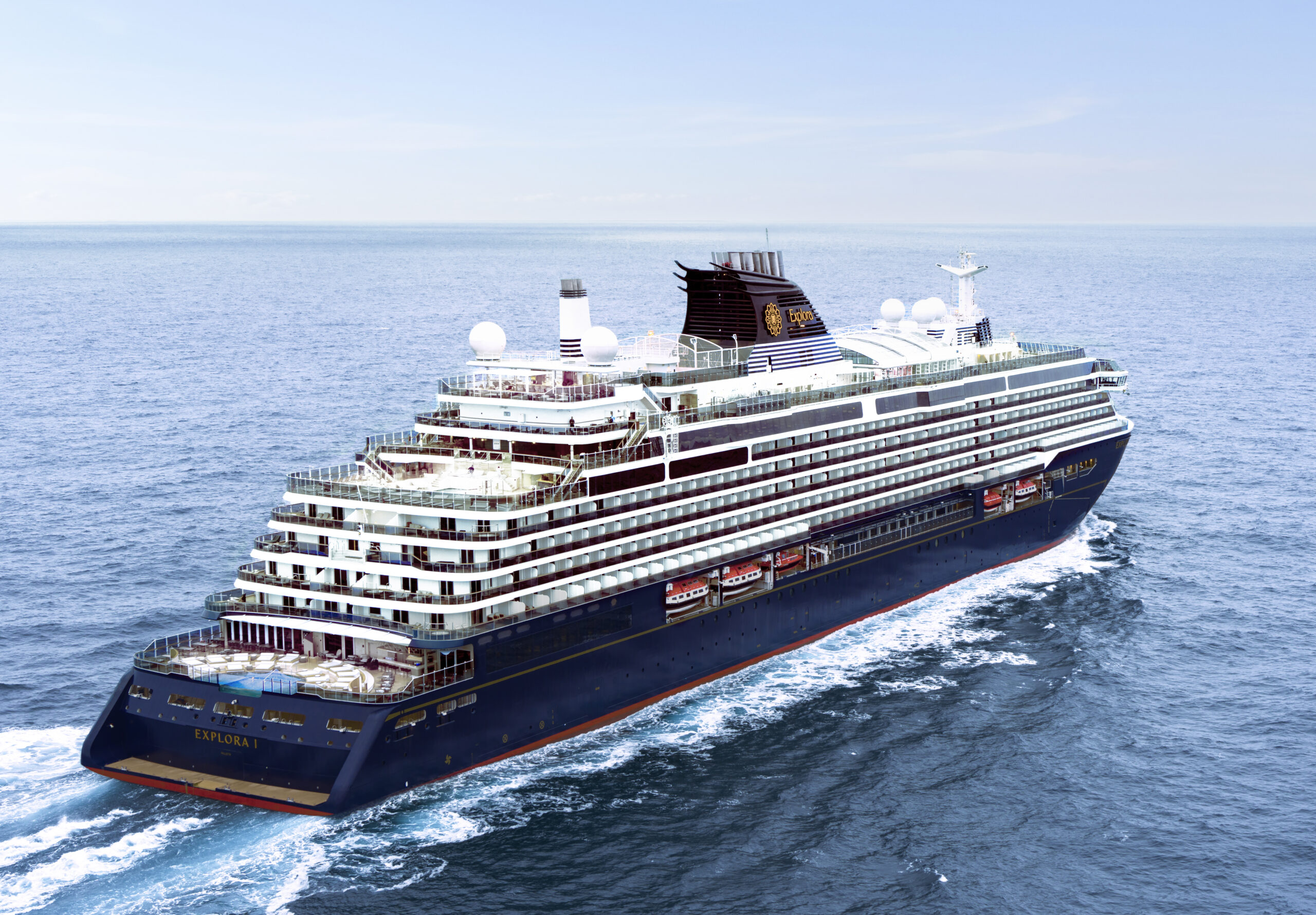
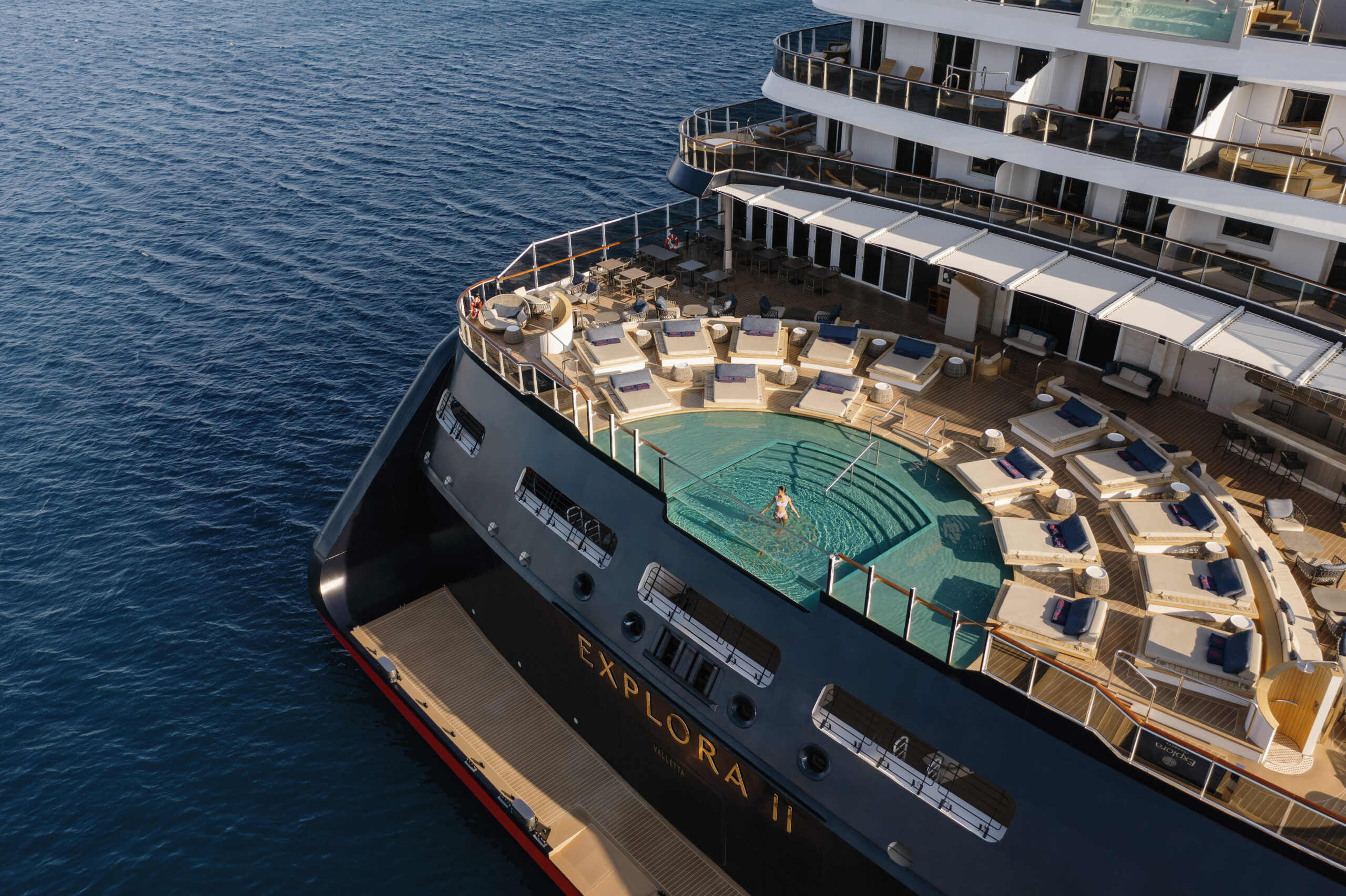
These spacious and elegant sisters are the perfect choice for a combination of contemporary style and expert hospitality.
When Seabourn built these 458-guest ships we were delighted. Not
only because each one is beautiful, but also because their
similarity means that they are interchangeable, enabling you to
travel all over the world in a familiar environment.
Miami is a pulsating modern city, a cultural crossroads where Cuban émigrés rub shoulders with affluent New Yorkers topping up on winter sun, and where you're just as likely to hear Spanish or Caribbean patois being spoken as you are English. Downtown Miami is a destination in its own right, with a host of world class galleries including the fantastic MOCA (Museum of Contemporary Art), but it's still Miami Beach that draws the biggest crowds. The Art Deco district around South Beach is very much back in vogue, with new restaurants, bars and luxury developments sprouting up all over the place.
The port of Fuerte Amador sits at the southern edge of Panama City, near the Pacific entrance to the Panama Canal. The shining skyscrapers of the Panamanian capital are a testament to the city’s status as a key financial centre, while the tiny Casco Viejo is home to pretty colonial streets, hip hotels and happening bars.
Guayaquil is Ecuador’s largest city and most important commercial centre, and acts as the gateway to the Pacific coast and the wildlife haven of the Galapagos Islands. It’s a busy, buzzing sort of place, centred around the pleasant riverfront Malecón promenade.
Salaverry is the nearest port to Trujillo, northern Peru’s most important city. Located amongst the verdant Andean foothills, Trujillo is home to a host of beautiful colonial buildings, and is also known for the spectacular nearby ruins of Chan Chan, the largest pre-Columbian city in South America.
Peru’s underrated capital enjoys a fine setting on the Pacific coast, and the handsome colonial-era buildings surrounding the Plaza de Armas give clues to Lima’s distinguished history; for three centuries this was the capital of the Spanish Americas, when the city grew rich on the back of plundered Inca gold.
Pisco is best known for its eponymous grape brandy, the key ingredient in a pisco sour cocktail. From here you can explore the desert landscapes of the Paracas Reserve, discover the rich marine life of the Ballestas Islands or fly over the mysterious Nazca Lines.
The enigmatic moai statues of Rapa Nui (Easter Island) remain one of the world’s most intriguing archaeological mysteries. Descendants of the Polynesian settlers who carved them still live here, though these days the island belongs to Chile, despite being separated from the mainland by over 2,000 miles of Pacific Ocean.
Situated 400 miles off the coast of mainland Chile, Robinson Crusoe Island is part of the Juan Fernández archipelago, a UNESCO World Biosphere Reserve. The sailor Alexander Selkirk was marooned here from 1704 to 1709, and his story is thought to have inspired Daniel Defoe’s famous novel.
Characterful, colourful and a little chaotic, the port city of Valparaíso is scattered across 45 vertiginous hills. Thanks to this difficult topography the city streets are punctuated by steep staircases and funicular elevators, and energetic explorers will be rewarded with wonderful views of the pastel hued buildings that hug the slopes.
Puerto Montt is the capital of the Chilean Lake District, spread out around a wide bay against a backdrop of snow-capped volcanoes. This wild region offers a host of outdoor activities, including mountain hikes, kayaking, white water rafting, fishing, zip lining and cycling.
Rugged and unspoilt Chiloé, situated at the southern end of Chile’s Lake District, is a unique and culturally distinct island that stands apart from the rest of the country. The main town, Castro, is notable for its colourful waterfront homes on stilts (known as palafitos), and is the gateway to the dense forests and rolling hills of the island interior.
Puerto Chacabuco is situated close to the Aysén Fjord and serves as a gateway to the Laguna San Rafael National Park, a UNESCO Biosphere Reserve. Amongst the lush forests, waterfalls and lagoons you have the chance to spot wildlife including marine otters, giant condors and Chilean dolphins.
The remote El Brujo Glacier is situated at the end of Asia Fjord, a branch of the Peel Fjord in Chile’s spectacular Bernardo O’Higgins National Park. As you cruise along the channel you’ll see waterfalls cascading down from the snowy mountains, while the water's surface is scattered with chunks of ice.
The weather-beaten city of Punta Arenas is a laid back and welcoming place, in spite of its inhospitable location on the shores of the Strait of Magellan. Nearby attractions include penguin colonies and the dramatic scenery of Torres del Paine National Park, while beyond the horizon lie the frozen wastes of Antarctica.
Perched on the ragged southern edge of Argentina, where the snow-capped Andes fall away into the churning sea, Ushuaia has a frontier town feel to it, and serves as the base for expeditions into the icy waters of Antarctica.
Antarctica is the world’s last great wilderness, an alien landscape of snow-covered mountains, jagged icebergs and extraordinary wildlife. February is a great time to spot whales, with species including humpback, sperm and orca, and you still have a chance of seeing penguin chicks. Fur seals are also abundant at this time of year.
The rugged and windswept Falkland Islands make for a fascinating stop on the way to or from Antarctica. Over 80% of the population lives in the capital, Stanley, though humans are far outnumbered by other creatures, including penguins, sea lions and albatrosses.
The rugged and windswept Falkland Islands make for a fascinating stop on the way to or from Antarctica. Over 80% of the population lives in the capital, Stanley, though humans are far outnumbered by other creatures, including penguins, sea lions and albatrosses.
Located just across the Río de la Plata from Buenos Aires, Uruguay’s underrated capital is a cosmopolitan and eclectic mix of colourful colonial architecture and high rise modernity. The 14-mile waterfront promenade, La Rambla, is a popular and pleasant place to be on a summer’s evening.
The streets of Buenos Aires are redolent of a grand old European capital, lined with elegant architecture that wouldn’t look out of place in Madrid or Paris. There is also plenty of Latin passion on display: Argentina is the home of tango, that most electrifying of dances, and has played host to countless revolutions over the years.
There is remote, and then there is Tristan da Cunha. This little volcanic rock in the South Atlantic supports a population of less than 300 people, and is an astonishing 1,200 miles from St Helena, the nearest inhabited island. There is no airport, so arriving by ship really is the only way to get here.
Remote, volcanic and uninhabited by humans, Nightingale Island is part of the Tristan da Cunha archipelago. The island is known for its spectacular birdlife, home to over a million seabirds, including rockhopper penguins, Atlantic yellow-nosed albatross and the rare Nightingale bunting.
Richards Bay itself is an industrial city with little in the way of tourist sights, but the port serves as a gateway for the many attractions of KwaZulu-Natal province. Head inland and you’ll find traditional Zulu villages, undulating hills and wildlife including crocodiles, hippos and the rare black rhino.
Mozambique’s laid back capital is an eclectic mix of elegant Portuguese colonial architecture and concrete blocks that hark back to the days of Soviet influence. Maputo also has an excellent selection of restaurants and a lively nightlife scene, as well as some interesting museums and markets.
Durban is a real melting pot; not only does the city feel more authentically African than Cape Town, it’s also home to a large Indian community that lends the city a distinctly Asian flavour. The lovely waterfront promenade was revamped for the 2010 World Cup, and the beach is a popular destination for domestic tourists.
Port Elizabeth is home to some nice beaches and a handful of interesting buildings, but it is perhaps not the most exciting city on the Sunshine Coast. There are plenty of things to see and do in the surrounding area, however, and we highly recommend a day trip to the fantastic Addo Elephant Park.
The sunny city of Mossel Bay is on South Africa’s famous Garden Route, situated roughly halfway between Cape Town and Port Elizabeth. The city has a pleasant seafront promenade and there are some lovely beaches nearby, along with whale and dolphin watching hotspots and game reserves.
Cape Town is a magical, multicultural city where Africa meets a European-style cosmopolitan atmosphere, creating a vibrant melting pot of cultures and religions. With flat-topped Table Mountain soaring above the city, beautiful natural landscapes, and gardens within the city, you never feel far from nature here.
Sandwiched between the Namib Desert and the wild Atlantic coast, the geographically isolated town of Lüderitz is notable for its surreal Art Nouveau architecture. Most of these colourful buildings date back to the diamond rush period of the early 20th century, when Namibia was a German colony.
Walvis Bay is situated on the edge of a tidal lagoon, sheltered from the Atlantic by a long sand spit. This important wetland area is famous for its birdlife, home to one of southern Africa’s largest flamingo colonies, and it’s a short drive to the city of Swakopmund, known for its quirky German colonial architecture.
Luanda is a city of shocking contrasts, where conspicuous consumption fuelled by Angola’s oil boom rubs up against sprawling shanty towns. The most attractive areas of the city date back to the Portuguese colonial period, including the fortress of São Miguel de Luanda and the pleasant seafront promenade known as the Marginal.
The equatorial island nation of São Tomé and Principe, located just off the west coast of Africa, is an idyllic and unspoilt tropical paradise that few people have even heard of. Wander along beautiful beaches with barely a tourist in sight, explore lush rainforests rich in birdlife, or immerse yourself in São Tomé’s unique Portuguese-Creole culture.
Bustling Cotonou is Benin’s biggest city, and the nation’s capital in all but name. We recommend taking an excursion out to the nearby town of Ouidah, a key transit port for the West African slave trade, where you can learn more about this dark period in human history.
Ghana’s capital city Accra is located on the Atlantic Ocean, where Europeans arrived to establish a trading hub on what was known as the Gold Coast. Precious metals were soon superseded by slaves, and visitors can get a flavour of the remnants of this grim practice in the former slave prisons and museums.
Once just a little fishing village, Takoradi is now a deep-water sea port growing rapidly on the back of Ghana’s oil industry. Nearby points of interest include Cape Coast Castle, part of a network of colonial-era forts where slaves were held captive before being shipped across the Atlantic.
The busy, dusty streets of Senegal’s capital Dakar are filled with life and colour, noises, smells and local music. The people here are friendly and helpful, so expect a warm welcome – but watch out for the usual hustles and scams of a busy city.
The dry and barren volcanic island of São Vicente is home to Cape Verde’s most appealing port, the charming city of Mindelo. The cobbled streets and colonial architecture are a real pleasure to explore, and the city plays host to a raucous carnival in February.
Said to have the world's most perfect climate, cosmopolitan Las Palmas is the capital of Gran Canaria and the largest city in the Canary Islands. The charming old quarter, La Vegueta, is where you'll find the city's most interesting colonial architecture, while beach fans should head for lovely Playa de las Canteras.
In recent years Lanzarote has begun to shake off its mass market reputation and reinvent itself as a more upmarket destination. The extraordinary volcanic landscapes and the works of local artist César Manrique give the island a unique appearance, and the understated capital, Arrecife, is well worth exploring.
Bustling and modern, fizzing with industry and commerce, Casablanca is often overlooked in favour of Morocco’s better known tourist draws. But then this is part of its appeal: it’s an authentic and unvarnished city, and it’s also home to the spectacular modernist architecture of the Hassan II Mosque.
After years of neglect, Tangier is finally being restored to its former glory as a cosmopolitan crossroads between Europe and Africa. The Moroccan government has invested heavily in modern infrastructure, while the spruced up medina shines with a new-found cultural dynamism.
The crumbling, sun-baked seafront city of Cádiz is said to be the oldest continuously inhabited settlement in the western world, founded by the Phoenicians around 1100 BC. Although the city lacks any obvious landmarks, it’s rich in atmosphere, and plays host to one of Spain’s most colourful carnivals.
Spread across steep hillsides that overlook the Rio Tejo, Lisbon’s colourful cityscape includes Gothic cathedrals, majestic monasteries and quaint museums. But for many the best times will be had wandering the narrow lanes of Lisbon’s lovely backstreets, with their great local food, wine and music.