
From Miami to Miami · Africa & Indian Ocean · 112 nights
From Miami to Miami
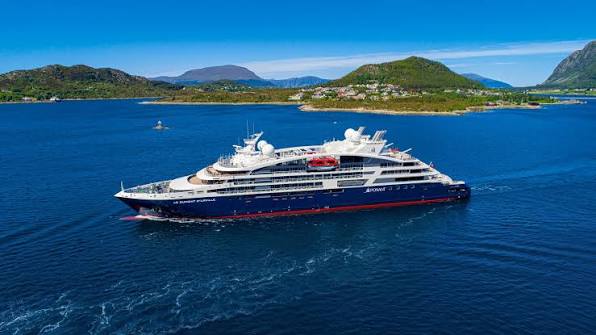
Named by Her Majesty the Queen, Cunard’s luxury liner still recalls the rich heritage of the first Cunarder to bear the name.
Modern features combined with traditional and elegant décor
reminiscent of the golden age of cruising makes this ship a firm
favourite with her passengers. We particularly like the excellent
Queens Grill accommodation which offers additional space and access
to the exclusive Queens Grill restaurant, along with dedicated
lounges and deck areas.
Miami is a pulsating modern city, a cultural crossroads where Cuban émigrés rub shoulders with affluent New Yorkers topping up on winter sun, and where you're just as likely to hear Spanish or Caribbean patois being spoken as you are English. Downtown Miami is a destination in its own right, with a host of world class galleries including the fantastic MOCA (Museum of Contemporary Art), but it's still Miami Beach that draws the biggest crowds. The Art Deco district around South Beach is very much back in vogue, with new restaurants, bars and luxury developments sprouting up all over the place.
Terceira means ‘third’ in Portuguese - this was the third island in the Azores to be discovered, and it’s also the third largest island. The main town, the UNESCO-listed Angra do Heroismo, is the oldest in the archipelago, with some lovely historic buildings lining the cobbled streets.
Ponta Delgada is the capital of São Miguel, the largest and most populous island of the Azores. Founded in the 15th century, the city is home to elegant architecture and some excellent restaurants, though the main attraction is the tranquility and natural beauty of the surrounding countryside.
Southampton is the UK’s leading port. Bustling modern cruise terminals, as well as wharfs and commercial harbours, line the waterfront, whilst the city itself is a fascinating mix of ancient and modern, with a picturesque old town, the original city walls still standing, and super-modern shopping centres and office complexes
Spread across steep hillsides that overlook the Rio Tejo, Lisbon’s colourful cityscape includes Gothic cathedrals, majestic monasteries and quaint museums. But for many the best times will be had wandering the narrow lanes of Lisbon’s lovely backstreets, with their great local food, wine and music.
Situated on Tenerife’s north eastern shore, the island’s capital is a busy port that serves mostly as a gateway to the popular south west coast and the spectacular volcanic landscapes of the island’s interior.
The dry and barren volcanic island of São Vicente is home to Cape Verde’s most appealing port, the charming city of Mindelo. The cobbled streets and colonial architecture are a real pleasure to explore, and the city plays host to a raucous carnival in February.
Cape Town is a magical, multicultural city where Africa meets a European-style cosmopolitan atmosphere, creating a vibrant melting pot of cultures and religions. With flat-topped Table Mountain soaring above the city, beautiful natural landscapes, and gardens within the city, you never feel far from nature here.
Port Elizabeth is home to some nice beaches and a handful of interesting buildings, but it is perhaps not the most exciting city on the Sunshine Coast. There are plenty of things to see and do in the surrounding area, however, and we highly recommend a day trip to the fantastic Addo Elephant Park.
Durban is a real melting pot; not only does the city feel more authentically African than Cape Town, it’s also home to a large Indian community that lends the city a distinctly Asian flavour. The lovely waterfront promenade was revamped for the 2010 World Cup, and the beach is a popular destination for domestic tourists.
The Indian Ocean island of Réunion is home to an intoxicating cultural mix of French, African and Asian influences. The lush landscape of spectacular lakes and rugged mountains has been shaped by volcanic activity, and the smouldering Piton de la Fournaise is one of the world’s most active volcanoes.
The lovely island of Mauritius in the Indian Ocean is striking in the contrasts between its mountainous backdrop and beautiful white sand beaches. The capital Port Louis, on the northwest coast, dates back to 1735 and is a busy administrative centre, packed with office workers during the day.
The Malaysian island of Penang is a fascinating blend of East and West, far more than just a beach destination. Lovely Georgetown, a UNESCO World Heritage Site, is home to British colonial architecture, crumbling Chinese shophouses and incense-perfumed temples.
Malaysia’s capital is a hot and humid cultural melting pot, defined by its distinctive Malay, Chinese and Indian communities. The dazzling Petronas Towers are KL’s most recognisable landmark, while at street level you’ll find temples and mosques, elegant colonial buildings and bustling markets.
Singapore’s heritage as an important trading post means that there is a real cultural mix, with four official languages: English, Chinese, Malay and Tamil. Step away from the gleaming towers and you’ll find yourself transported into another world amongst the intoxicating streets of Chinatown and Little India.
Hong Kong is a striking mix of ancient and modern, Chinese and British, and there is a lot more to the city than just skyscrapers and high finance. It's also a fantastic destination for foodies, a melting pot of culinary influences from around Asia and beyond.
Busan is South Korea’s second biggest city and one of the world’s busiest container ports, but it’s an easygoing place with a discernibly different character to Seoul. Haeundae beach is a popular summer holiday destination for Koreans, while the pungent Jagalchi market sells every type of fish and sea creature imaginable.
Three days after Hiroshima was flattened by an atomic bomb, Nagasaki suffered the same horrifying fate. The reconstruction of both cities has been quite extraordinary; Nagasaki today is a vibrant, cosmopolitan place, with a fascinating history that goes back a lot further than 1945.
The friendly southern Japanese city of Kagoshima enjoys a balmy climate, and sits just across the bay from the very active Sakurajima volcano, which erupts so regularly that an ‘ash forecast’ is included in local weather reports.
In a state of constant renewal and forever looking to the future, densely populated Tokyo is a dazzling introduction to Japan and its utterly unique culture. With more neon than Las Vegas and more Michelin stars than Paris, it’s a real assault on the senses.
Looming over Rabaul is smouldering Mount Tavurvur, an active volcano that buried much of the city when it erupted in 1994, and which still periodically belches smoke and ash. Rabaul is also an appealing destination for history buffs, with several World War II sites still scattered with rusting wreckage.
Cairns is a buzzing tourist hub, gateway to the Great Barrier Reef and the Daintree Rainforest. A snorkelling trip out to the reef is the most obvious excursion to take here, but other options include riding the Skyrail cableway over the rainforest canopy or swimming in the croc-free saltwater lagoon.
The lively town of Airlie Beach is backpacker central, and serves as a transport hub for the many offshore attractions of the east coast. From here you can take a trip out to snorkel on the Great Barrier Reef, or visit the stunning tropical beaches of the nearby Whitsunday Islands.
One or our favourite cities in the world, we love pretty much everything about Sydney. Offering outdoor living at its best, the city is known for the excellent beaches but offers so much more, including a thriving and varied food scene inspired by Asian and European flavours.
Nuku’Alofa, the ‘Abode of Love’, is the capital of Tonga, the last surviving Polynesian monarchy. The city's main attraction is the Royal Palace, an attractive wooden building dating back to 1867, while the island of Tongatapu offers wild beaches, cute villages and intriguing archaeological sites.
If the word Honolulu makes you think of deserted beaches and dusky maidens, think again! Despite its remote location in the North Pacific, Honolulu is busy busy, in particular the boisterous, touristy Waikiki beach.
Hilo is located on the east coast of Hawaii’s Big Island, a lush region of verdant rainforests, botanical gardens and gushing waterfalls. In the 1800s this was an important centre for the sugar industry, and the surviving plantation-era architecture gives downtown Hilo its uniquely quaint appearance.
Los Angeles is an energetic, creative place with cultural riches to match any world city, home to Hollywood glamour, the iconic beaches of Venice and Santa Monica, and affluent, image-conscious Beverly Hills.
The sister towns of Cabo San Lucas and San José del Cabo sit at the tip of Mexico’s Baja California peninsula. The towns themselves are mostly given over to luxury hotels and boisterous nightlife, but the surrounding landscape is characterised by arid arroyos, bristly cacti and rocky coastal outcrops.
Situated on a peculiarly shaped peninsula on the Gulf of Nicoya, Puntarenas is a popular weekend beach destination for residents of Costa Rica’s capital, San José. The port itself is not pretty, but the beachfront Paseo de los Turistas is a nice place to relax with a drink or enjoy a seafood lunch.
The tiny Dutch Caribbean island of Aruba, located just off the coast of Venezuela, lies outside of the hurricane belt, meaning it enjoys a largely dry climate, and boasts some of the best beaches in the region, if not the world.
Downtown Miami is a destination in its own right, with a host of world class galleries, but it's still Miami Beach that draws the biggest crowds. The Art Deco district around South Beach is very much back in vogue, with new restaurants, bars and luxury developments sprouting up all over the place.