From Barcelona to Miami · Mediterranean · 21 nights
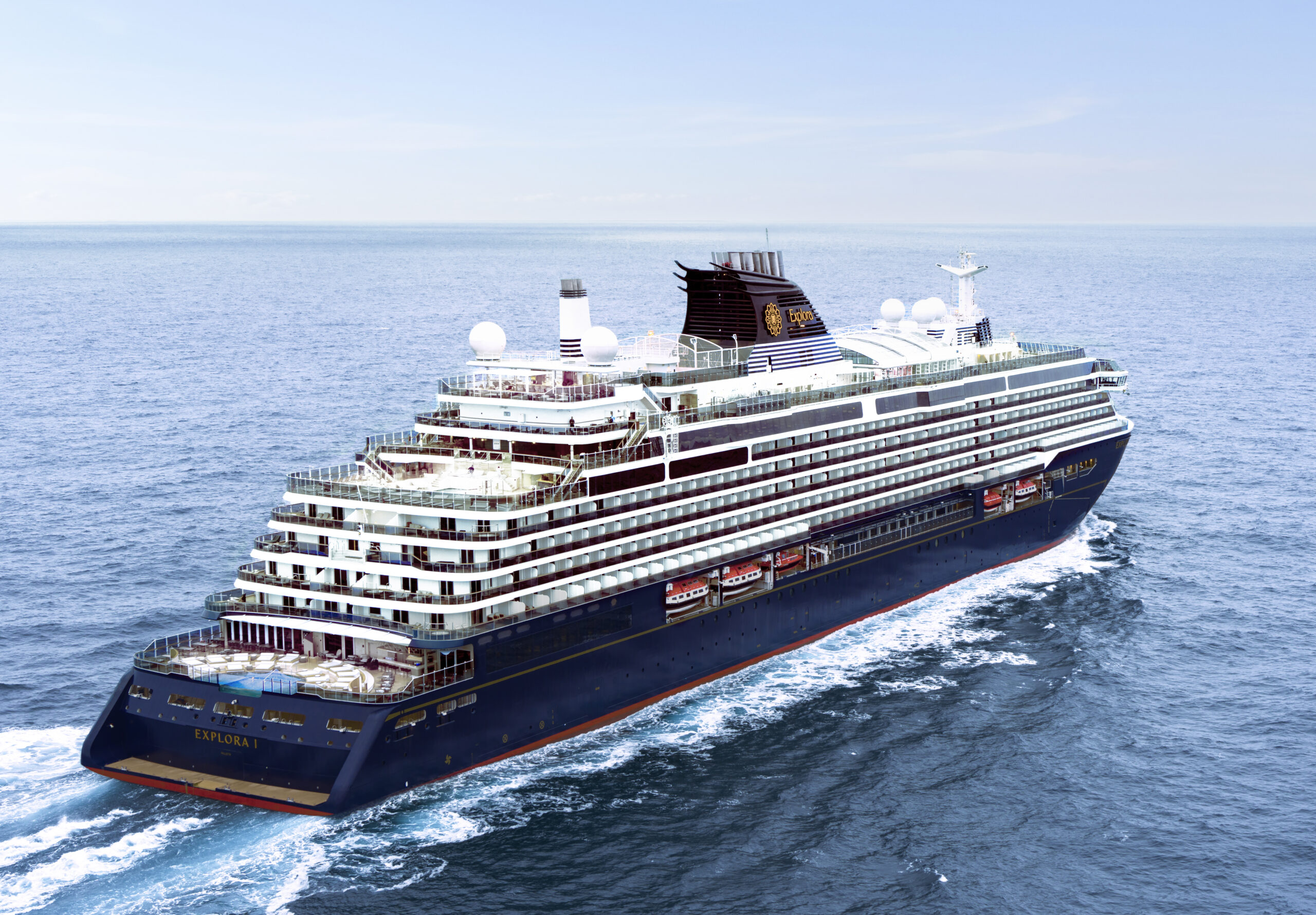
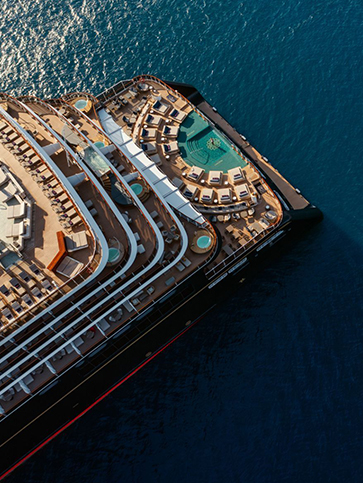
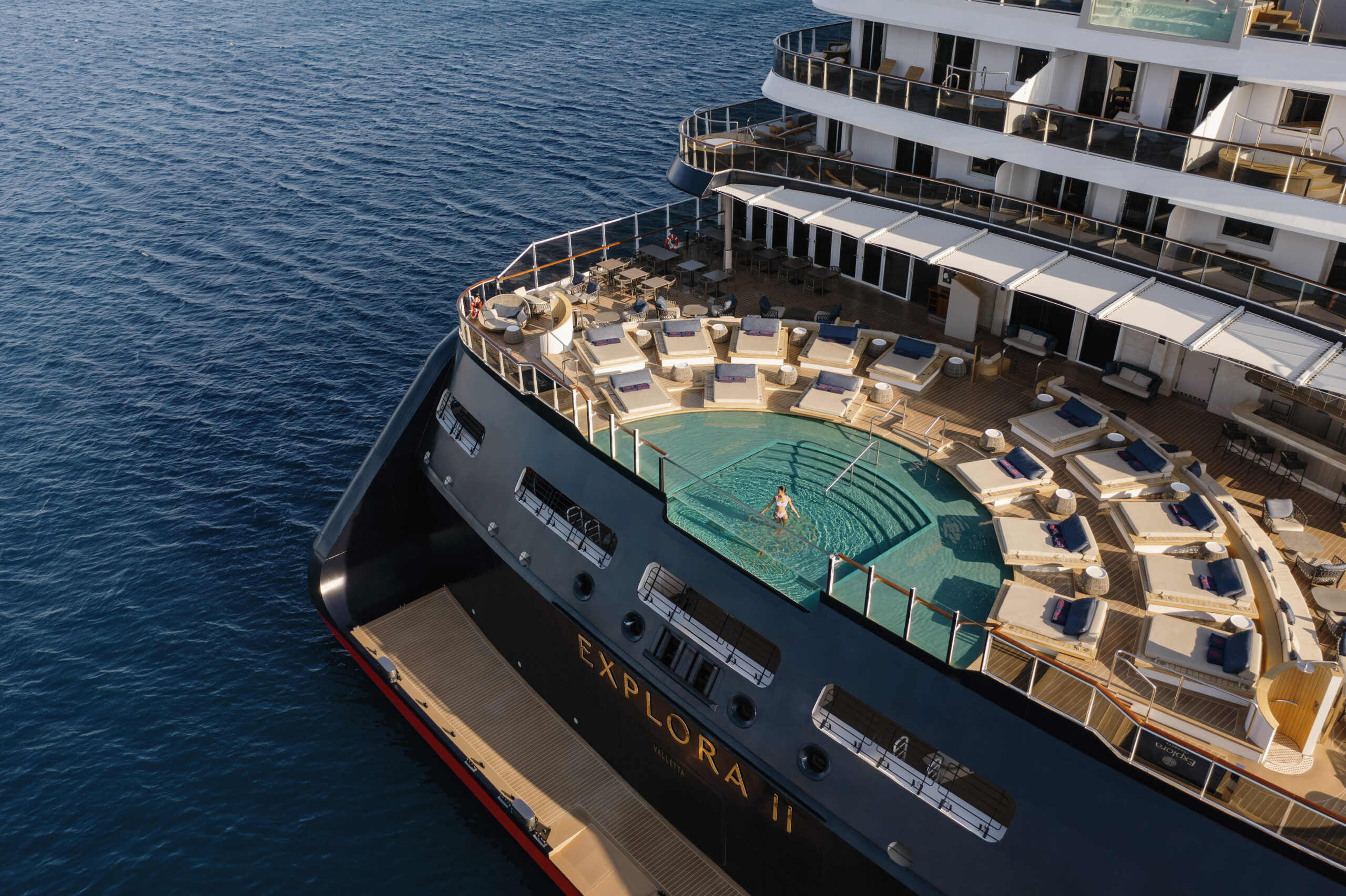
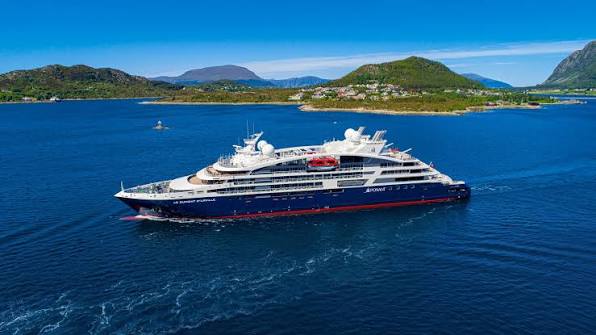
Sailing from late 2027, Oceania Aurelia is the result of a complete redesign of Oceania Nautica, reducing the guest capacity and reimagining the ship’s onboard spaces to create an intimate yet spacious vessel, purposefully designed for extended global journeys.
Oceania Aurelia will debut in late 2027 as the result of a
programme which will completely reimagine and enhance Oceania
Nautica. The ship’s guest capacity will be reduced from 670 to 476
and over half the accommodation will be designed as spacious
suites, before re-emerging as Oceania Aurelia, a ship which will
undertake longer voyages including the 2028 and 2029 World Cruises
and several Grand Journeys.
Barcelona, the cosmopolitan capital of Catalonia, is one of our favourite ports of call. From the warren-like medieval streets of the Barri Gòtic to the fantastical modernist architecture of Antoni Gaudí, from the dizzy heights of Mount Tibidabo to the golden sands of Barceloneta, there's never a dull moment in this most beguiling of cities. Take a stroll along the Ramblas, soak up the wonderful art of Picasso and Miró, or experience the electrifying atmosphere of a match at the Camp Nou. Barcelona is truly a city with something for everyone.
Spain’s third city is a dazzling destination that combines historic architecture, cutting edge design and an inviting stretch of beach. Don’t miss the futuristic City of Arts and Sciences, designed by local architect Santiago Calatrava, or the old riverbed, now a delightful park.
Cartagena was founded by the Carthaginians around 227 BC, who named it after their home city in North Africa. These days the city is best known for its well-preserved Roman theatre, which was remarkably only discovered in 1987, in spite of its location in the centre of town.
Málaga boasts plenty of chic restaurants and bars where you can ease into the rhythms of life in southern Spain, before exploring sights including the intriguing, unfinished Gothic cathedral, and a museum devoted to the city's most famous son, Pablo Picasso.
The crumbling, sun-baked seafront city of Cádiz is said to be the oldest continuously inhabited settlement in the western world, founded by the Phoenicians around 1100 BC. Although the city lacks any obvious landmarks, it’s rich in atmosphere, and plays host to one of Spain’s most colourful carnivals.
Spread across steep hillsides that overlook the Rio Tejo, Lisbon’s colourful cityscape includes Gothic cathedrals, majestic monasteries and quaint museums. But for many the best times will be had wandering the narrow lanes of Lisbon’s lovely backstreets, with their great local food, wine and music.
In recent years Lanzarote has begun to shake off its mass market reputation and reinvent itself as a more upmarket destination. The extraordinary volcanic landscapes and the works of local artist César Manrique give the island a unique appearance, and the understated capital, Arrecife, is well worth exploring.
Situated on Tenerife’s north eastern shore, the island’s capital is a busy port that serves mostly as a gateway to the popular south west coast and the spectacular volcanic landscapes of the island’s interior.
Founded by the Spanish in 1521, Puerto Rico’s capital is the second oldest European settlement in the Americas. Modern San Juan is a bustling city, home to over a third of the island’s population, but the cobbled streets of the Old Town remain the biggest tourist draw.
Downtown Miami is a destination in its own right, with a host of world class galleries, but it's still Miami Beach that draws the biggest crowds. The Art Deco district around South Beach is very much back in vogue, with new restaurants, bars and luxury developments sprouting up all over the place.