From Trieste to Athens (Piraeus) · Mediterranean · 12 nights
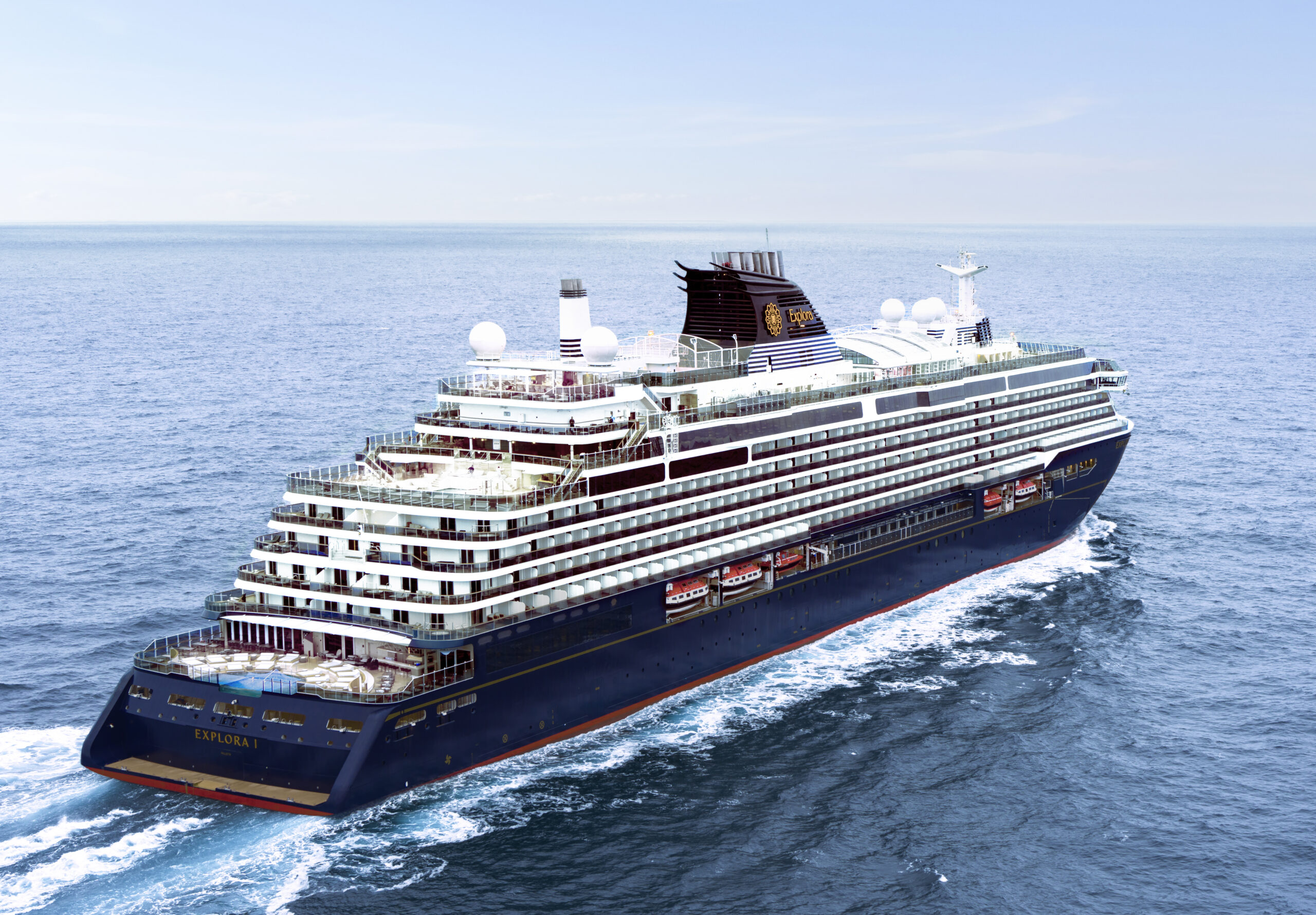
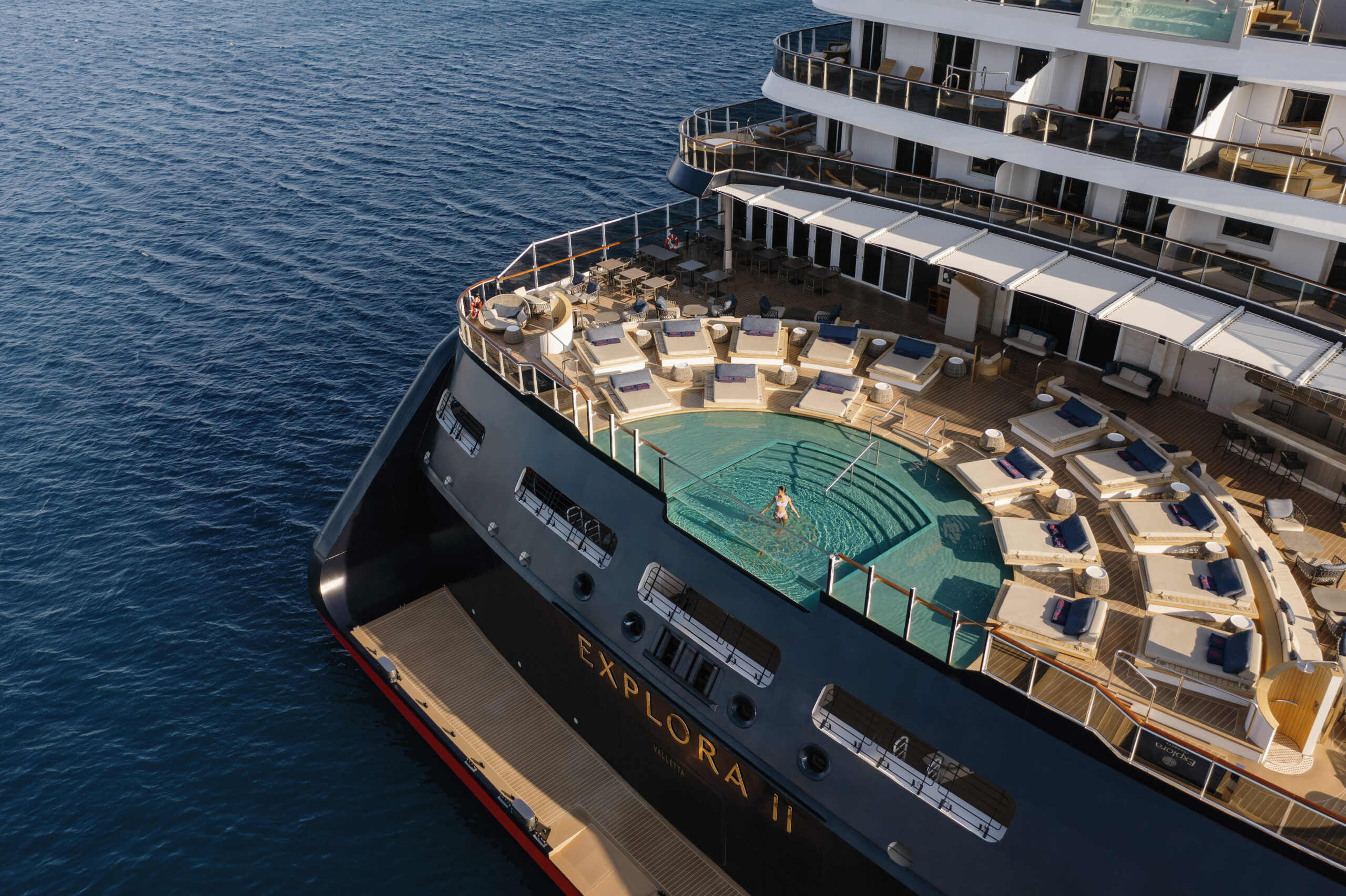
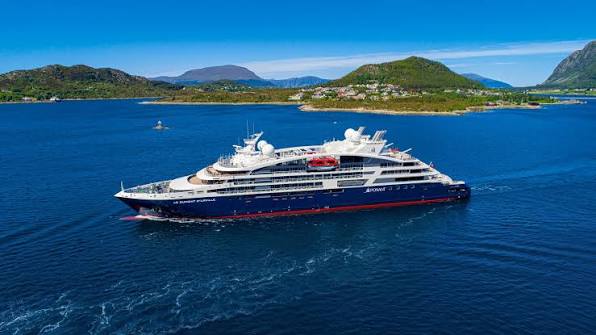
Sailing from late 2027, Oceania Aurelia is the result of a complete redesign of Oceania Nautica, reducing the guest capacity and reimagining the ship’s onboard spaces to create an intimate yet spacious vessel, purposefully designed for extended global journeys.
Oceania Aurelia will debut in late 2027 as the result of a
programme which will completely reimagine and enhance Oceania
Nautica. The ship’s guest capacity will be reduced from 670 to 476
and over half the accommodation will be designed as spacious
suites, before re-emerging as Oceania Aurelia, a ship which will
undertake longer voyages including the 2028 and 2029 World Cruises
and several Grand Journeys.
Almost encircled by the territory of neighbouring Slovenia, the Adriatic port of Trieste has always stood slightly apart from the rest of Italy, and the city's former status as a free port under Austrian rule is reflected in the handsome Habsburg architecture.
The largest town on Slovenia’s sliver of Adriatic coastline, Koper has an attractive medieval centre and some impressive Venetian architecture. There is also a sizeable Italian community here, reflected in the bilingual road signs, and it's a short drive across the border to the former Habsburg city of Trieste.
Croatia’s second city enjoys a dramatic setting, hugging a sweeping bay against a backdrop of sheer grey mountains. Split's labyrinthine old town is contained within the remarkable Roman ruins of Diocletian’s Palace, a UNESCO World Heritage Site, and spills out onto the buzzing seafront Riva promenade.
Kotor sits at the head of a beautiful, fjord-like bay, hemmed in by glowering mountains. The compact, walled old town is Montenegro’s star attraction, a warren of little alleyways and shady squares that is often described as a ‘mini Dubrovnik’.
The port of Brindisi sits at the end of the old Via Appia, and was once an important transit point for pilgrims and crusading knights heading east to the Holy Land. Brindisi's compact old town is pleasant enough, but you may prefer to head inland to visit the stunning baroque city of Lecce.
Crete’s bustling capital is a modern and cosmopolitan city, where the island’s rich history isn’t immediately apparent. Take a closer look, however, and you’ll find a fantastic archaeological museum, along with remnants of Venetian fortifications and a lively seafront promenade, with plenty of nice outdoor cafés.
Sun-kissed Rhodes, the largest of the Dodecanese islands, is steeped in history; the medieval heart of Rhodes Town was once home to the crusading Knights of St John, and later fell to the Ottoman sultan Suleiman the Magnificent. The hillside village of Lindos, with its pretty whitewashed houses, is another highlight.
The Turkish port of Kusadasi is the gateway to Ephesus, one of the most spectacular archaeological sites in the Eastern Mediterranean. This was the Roman capital of Asia Minor, and the remains constitute the most complete classical city in Europe.
Istanbul is the place where East meets West, where Asia Minor reaches out across the Bosphorus and almost touches Europe, and the city remains a bristling, bustling cultural melting pot, the skyline dotted with magnificent minarets and domes.
Athens is a city awash with historical and cultural significance, but it's much more than an open air museum; this is a dynamic, bustling metropolis, and a place where history is still very much unfolding.