From Tokyo to Singapore · Asia · 21 nights
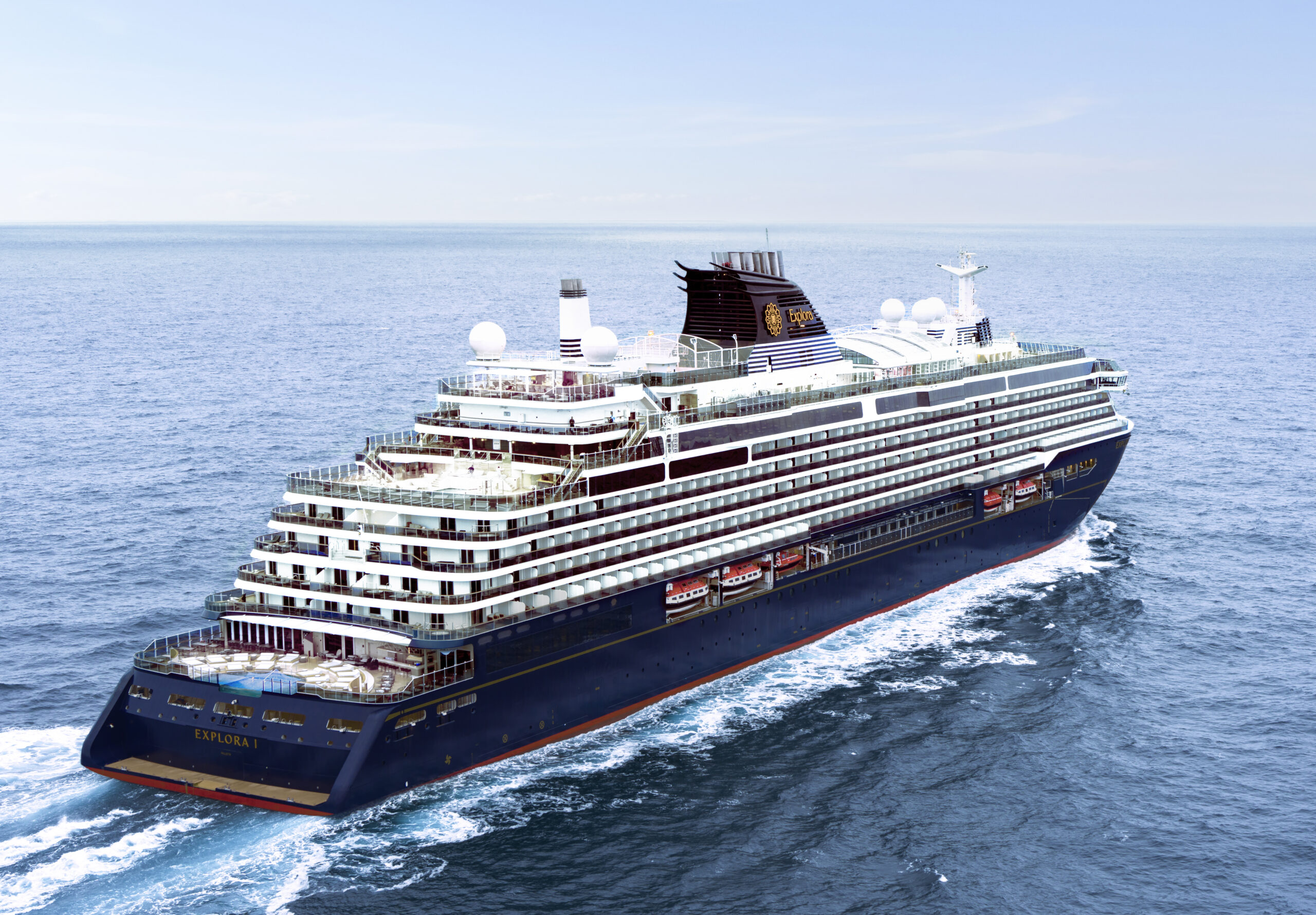
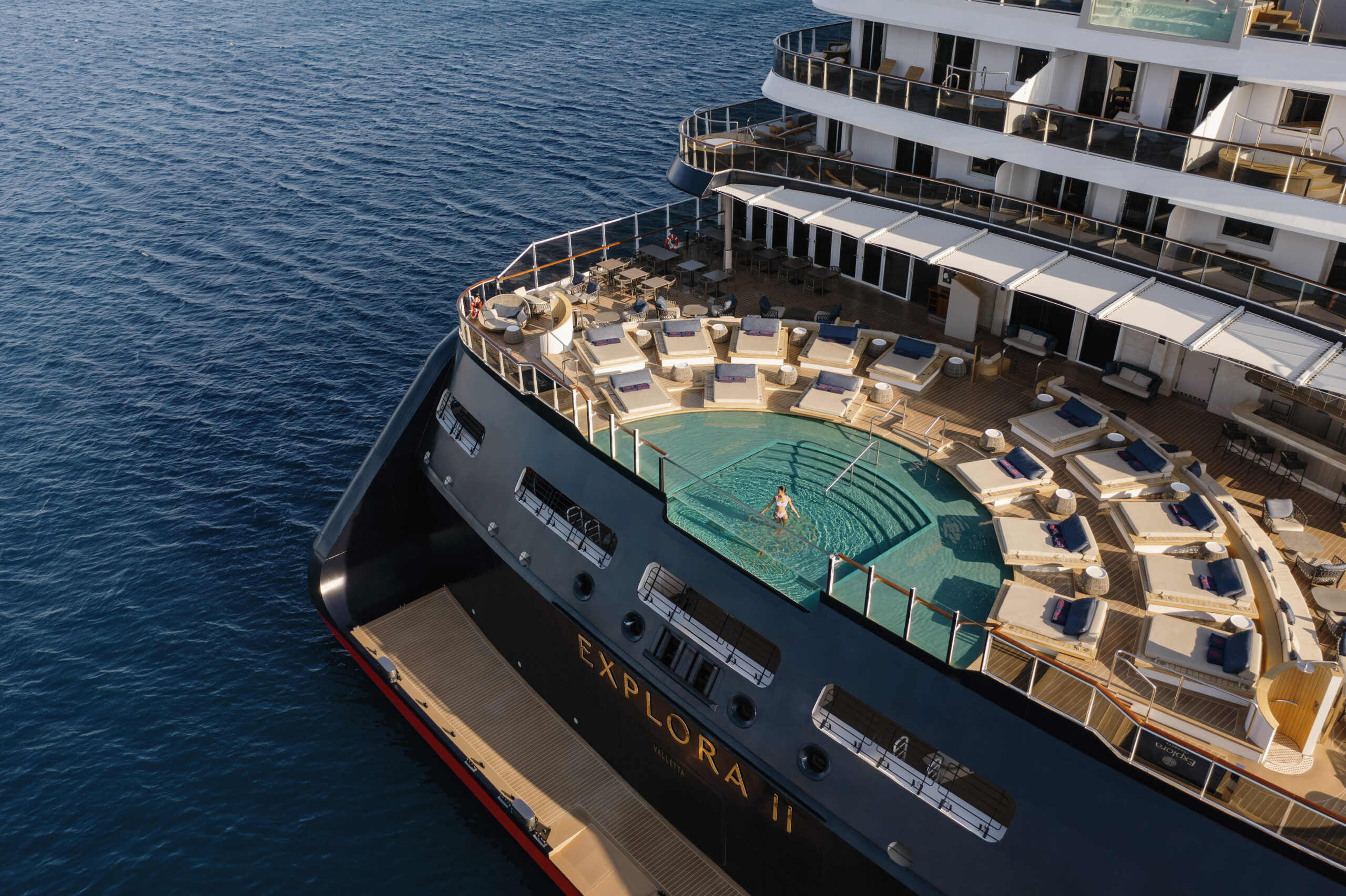
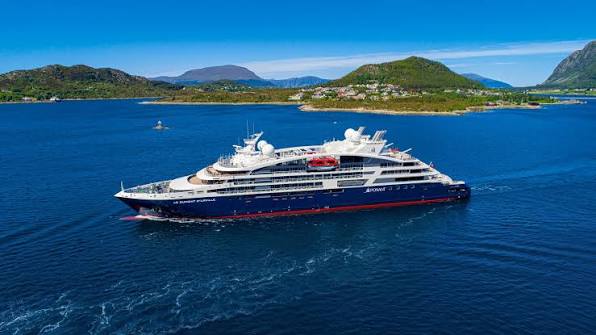
When luxury goes exploring, you are on a Regent ship. Seven Seas Explorer takes the Regent experience one step forward.
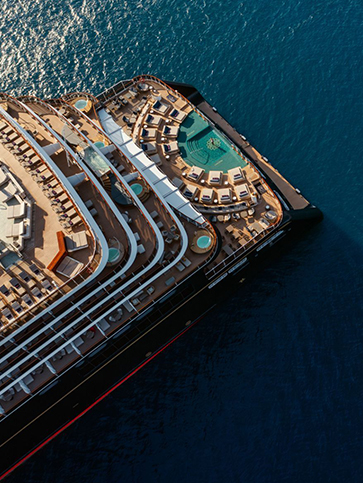
Just 746 guests enjoy the perfect balance of space and intimacy
on Seven Seas Explorer. With plenty of comfort and great value for
money, she steps up the classic Regent luxury offering with their
signature spacious accommodation, a relaxed and unpretentious style
and loads of good dining choices. The most all-inclusive of all
luxury lines.
Tokyo is a dazzling introduction to Japan and its utterly unique culture. With more neon than Las Vegas and more Michelin stars than Paris, it's a real assault on the senses, but an efficient public transport system means it's easy to explore. Asakusa is an atmospheric district where you'll find Tokyo's oldest Buddhist temple, Akihibara spills over with shops selling electronic gadgets, and Harajuku is the place to marvel at the latest colourful Japanese fashions. It's also easy to escape the crowds and find a spot of peace and quiet, with tranquil parks, shrines and lotus ponds dotted around the city.
Shimizu is one of the most spectacular ports in Japan, a sweeping bay in the shadow of the iconic Mount Fuji. You can spend some time admiring the views and wandering through peaceful pine groves, or visit the unique Shimizu Sushi Museum at the S-Pulse Dream Plaza shopping mall.
Small in size and cosmopolitan in its outlook, Kobe is a thoroughly pleasant city with a long and distinguished history as one of Japan’s main trading ports. Kobe’s past as a commercial hub is reflected in its architecture, with a number of unusually European-looking houses, as well as a charming, if slightly touristy, Chinatown.
The small, laid back city of Kochi is situated on the south coast of Shikoku island, an important place of pilgrimage for Japanese Buddhists. Three of the 88 temples on the pilgrimage route are in Kochi, and the city is also known for its elegant 17th century hilltop castle.
The friendly southern Japanese city of Kagoshima enjoys a balmy climate, and sits just across the bay from the very active Sakurajima volcano, which erupts so regularly that an ‘ash forecast’ is included in local weather reports.
Ishigaki is the most developed of the Yaeyama islands, an idyllic tropical archipelago located closer to Taiwan than mainland Japan. The offshore coral reefs make this a popular spot for diving and snorkelling, while the jungle interior offers some great hiking opportunities.
Keelung is a fairly unremarkable port city close to Taipei, Taiwan’s capital. Taipei draws on an interesting mix of Chinese, Japanese and Western influences, and is home to attractive temples, a burgeoning street food scene and Taipei 101, which was the world's tallest building until it was eclipsed by Dubai's Burj Khalifa in 2010.
Hong Kong is a striking mix of ancient and modern, Chinese and British, and there is a lot more to the city than just skyscrapers and high finance. It's also a fantastic destination for foodies, a melting pot of culinary influences from around Asia and beyond.
Wander along the perfumed streets of Hanoi’s atmospheric Old Quarter and you could almost forgive yourself for thinking you’d travelled back in time, were it not for the beeping, buzzing morass of motorcycles zipping past.
Saigon, as it was known then, was the capital of the South during the Vietnam War, and American-style capitalism has been embraced more enthusiastically here than in the North, with a clutch of shining skyscrapers standing as testament to Vietnam’s surging economic growth.
Thailand’s sprawling capital is an assault on the senses, an invigorating blend of tradition and modernity. Soaring skyscrapers, air-conditioned shopping malls and an efficient public transport system combine with shimmering golden temples, ancient palaces, floating markets and at times gridlocked rush hour traffic.
Attracting everyone from budget backpackers to ostentatious oligarchs, Koh Samui is one of Thailand’s most popular islands. It’s no surprise, given the truly stunning beaches, but the more developed areas such as Chaweng have lost a lot of their charm, so head for the quieter south and west if you can.
Singapore’s heritage as an important trading post means that there is a real cultural mix, with four official languages: English, Chinese, Malay and Tamil. Step away from the gleaming towers and you’ll find yourself transported into another world amongst the intoxicating streets of Chinatown and Little India.