From Papeete to Benoa (Bali) · Pacific Islands · 49 nights
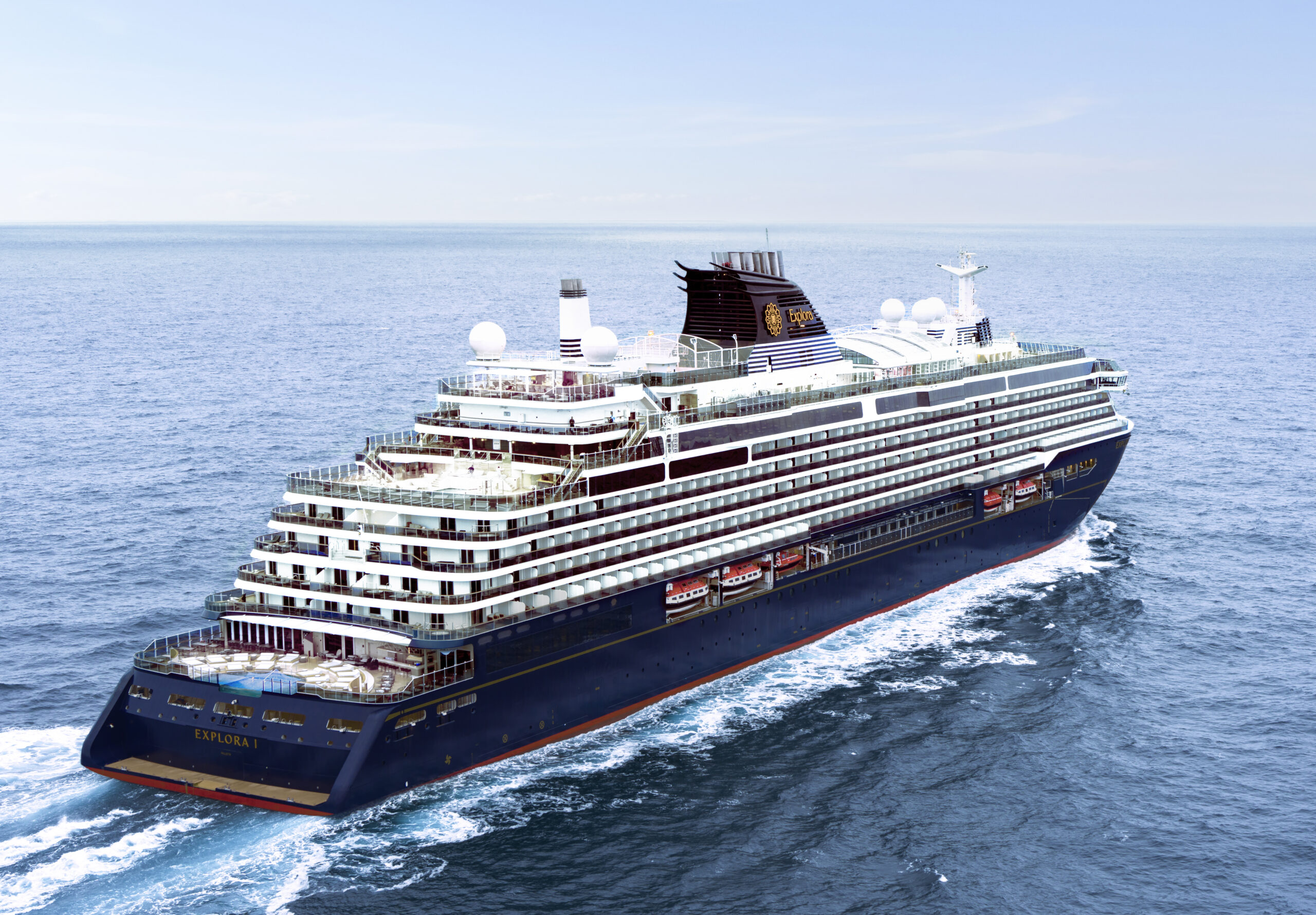
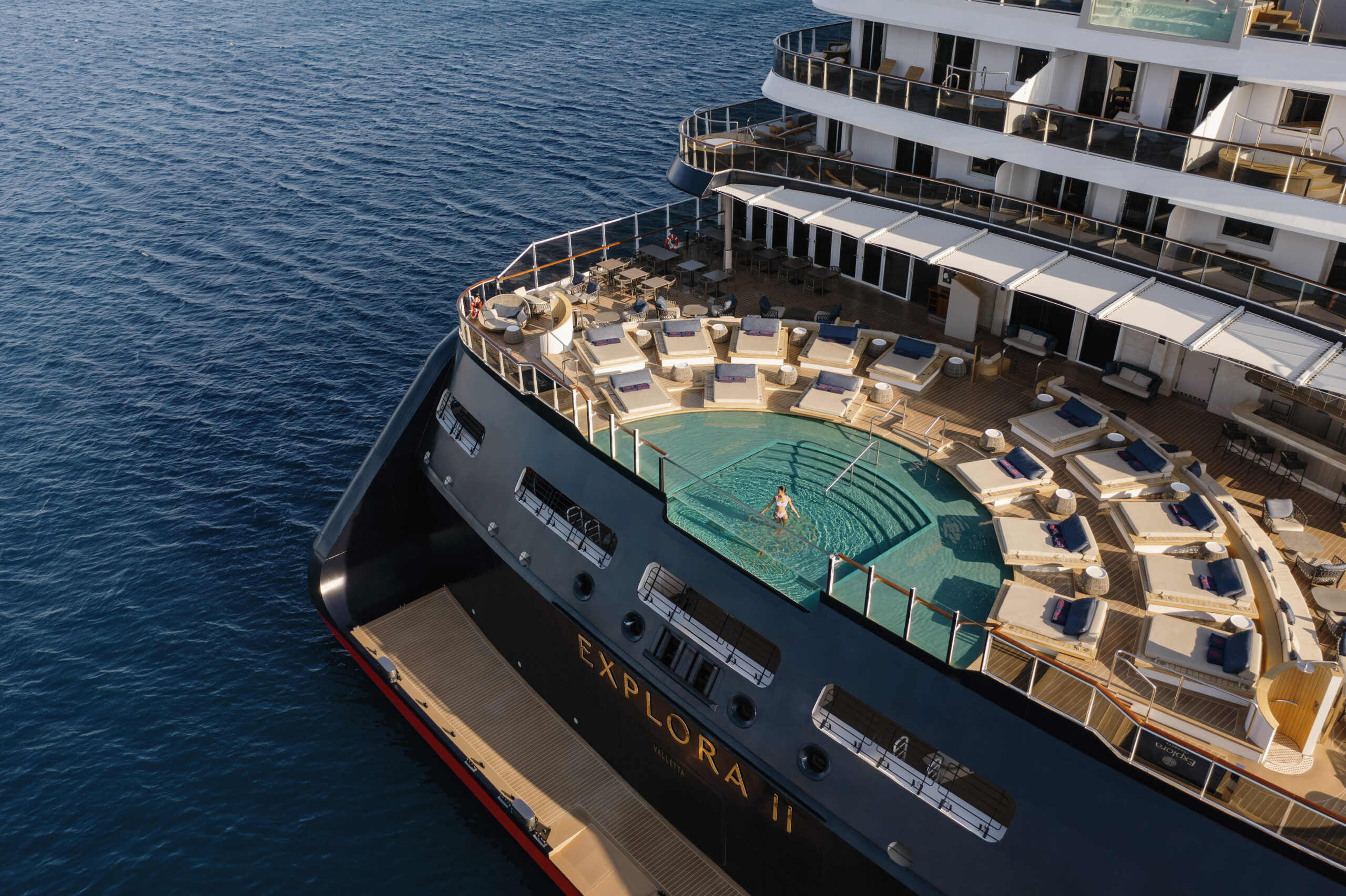
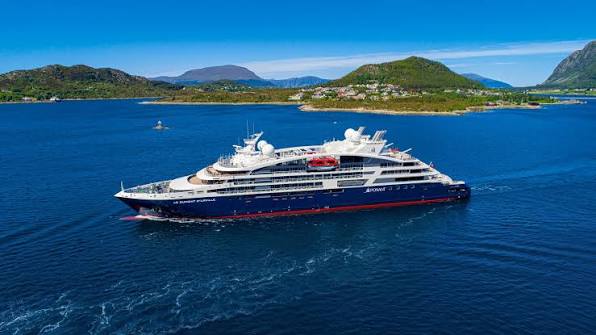
Windstar’s Star Plus Class of vessels – Star Pride, Star Legend and Star Breeze – each carry just over 300 guests and are hugely popular for very good reason.
These small ships accommodate 312 guests in large all-suite
accommodation, following the completion of the Star Plus
refurbishment programme in 2021 which saw the ships lengthened.
There’s a choice of restaurants, comfortable lounges, and plenty of
deck space, while the ship’s marina ensures you can enjoy the
complimentary watersports when anchored in hidden bays and tiny
coves.
If you are in search of paradise, don't expect it to be easy to get there! It's a long old haul to get to Papeete, the capital of French Polynesia. And once you are there, Papeete itself is by no means the most magical spot - you need to venture forth to see the other islands, and luxuriate in the turquoise lagoons, white sand beaches fringed with palm trees, rugged mountain peaks and coral reefs. Expensive and remote, these islands have maintained their uncommercial magic, with excellent hotels and a warm Polynesian welcome everywhere you go.
The Fakarava atoll surrounds a deep lagoon in the west of the Tuamotu island group, scarcely populated and home to a host of rare wildlife. The entire atoll has been declared a UNESCO biosphere reserve, and the shallow coastal waters make for excellent snorkelling.
Remote and unspoilt Fatu Hiva is the southernmost of the Marquesas island group, known for its tapa bark paintings and wood carvings. There are just two settlements on the island: the village of Omoa has a church and a small museum, while Hanavave lies on the staggeringly beautiful Bay of Virgins.
Hiva Oa is the last resting place of the artist Paul Gauguin, who spent the final years of his life here, and the Gauguin museum in Atuona documents his time in the South Pacific. This beautiful island is also home to some evocative archaeological sites, including ancient petroglyphs and stone tiki statues.
The Rangiroa atoll is one of the biggest in the world, a ring of over 400 motu (islets) surrounding a vast lagoon. This stunning area is a popular destination for divers and snorkellers, and the waters are home to marine life including sea turtles, bottlenose dolphins, hammerhead sharks and manta rays.
Bora Bora is the very definition of idyllic, a diminutive Polynesian island dominated by rainforest-clad volcanic peaks, overlooking an electric blue lagoon ringed by coral reefs. The beaches and over-water bungalows are particularly popular with honeymooners, and the clear waters of the lagoon are perfect for snorkelling.
Mo’orea is one of the real highlights of the South Pacific, a picture perfect landscape of jagged green mountains and dazzling cobalt bays. The warm waters of the lagoon are perfect for a host of watersports, while the lush island interior can be easily explored by scooter or bicycle.
Papeete is the capital of French Polynesia, situated on the northwest coast of Tahiti. The port is not the most magical spot, so we advise venturing forth to luxuriate in the turquoise lagoons, relax on the white sand beaches fringed with palm trees, and explore the rugged mountain peaks.
Mo’orea is one of the real highlights of the South Pacific, a picture perfect landscape of jagged green mountains and dazzling cobalt bays. The warm waters of the lagoon are perfect for a host of watersports, while the lush island interior can be easily explored by scooter or bicycle.
Bora Bora is the very definition of idyllic, a diminutive Polynesian island dominated by rainforest-clad volcanic peaks, overlooking an electric blue lagoon ringed by coral reefs. The beaches and over-water bungalows are particularly popular with honeymooners, and the clear waters of the lagoon are perfect for snorkelling.
The sleepy island of Aitutaki is big on natural beauty, thanks to its stunning reef-enclosed lagoon. It’s also a deeply spiritual place: in the village of Arutanga you’ll find the oldest church in the Cook Islands, dating back to 1829, and services here are a spellbinding spectacle, with hymns featuring unaccompanied four-part harmonies.
Nuku’Alofa, the ‘Abode of Love’, is the capital of Tonga, the last surviving Polynesian monarchy. The city's main attraction is the Royal Palace, an attractive wooden building dating back to 1867, while the island of Tongatapu offers wild beaches, cute villages and intriguing archaeological sites.
Taveuni is known as Fiji’s ‘Garden Isle’, dense with pristine rainforest where rare flora and colourful endemic birds thrive. Off the west coast is the Somosomo Strait, one of Fiji’s most spectacular diving and snorkelling sites, home to manta rays, spinner dolphins, humpback whales and more.
Savusavu is the main town on Vanua Levu, a much sleepier and less developed island than nearby Viti Levu. Explore a volcanic landscape of hot springs, mangrove forests and spectacular waterfalls, snorkel amongst colourful coral reefs, visit bustling local markets and look out for spinner and bottlenose dolphins.
Lautoka is Fiji’s second largest city, known as the ‘Sugar City’ due to its important role in the local sugarcane industry. The waterfront area is pleasant enough, but we’d recommend using Lautoka as a jumping off point to visit some of the smaller surrounding islands, or the forests and waterfalls of the interior.
The sparsely populated Yasawa Islands are famous for their stunning beaches and hilly volcanic terrain. You can indulge in all the usual activities such as sunbathing and snorkelling, along with a visit to the unique Sawa-i-lau caves, accessible by swimming through an underwater tunnel.
Champagne Beach is a stunning stretch of perfect white sand on the east coast of Espiritu Santo, the largest of Vanuatu’s islands. The beach is named after a bizarre natural phenomenon, in which gas escaping from volcanic rocks on the sea floor causes the water to bubble and fizz at low tide.
Honiara is the capital of the Solomon Islands and the nation’s only real port, situated on the largely unspoilt island of Guadalcanal. Reminders of the famous Second World War battle that took place here can be seen all over the island, as well as under the water at the fantastic dive sites off the north coast.
Alotau is the capital of Milne Bay province, on the remote eastern tip of mainland Papua New Guinea. Milne Bay was the scene of heavy fighting during the Second World War, and today you can dive amongst the wreckage left behind. Alotau also serves as a base for visiting the nearby islands, including the fascinating Trobriand archipelago.
Dili is the capital of Timor-Leste (East Timor), one of the world’s youngest nations. The city’s old quarter includes a number of impressive buildings from the Portuguese colonial era, while the Resistance Museum documents the country’s 25-year struggle to win independence from Indonesia.
Komodo Island is situated within an area of spectacular natural beauty, home to the famous Komodo dragon. The stunning beaches are tinged with pink thanks to the high concentration of red coral just offshore, and the waters draw intrepid divers from all over the world.
The beaches, spectacular volcanic scenery and lush green rice terraces lend Bali a natural beauty that seems to dovetail perfectly with the island’s distinct Hindu culture, which adorns the landscape with stunning temples.