From Monte Carlo to Lisbon · Mediterranean · 12 nights
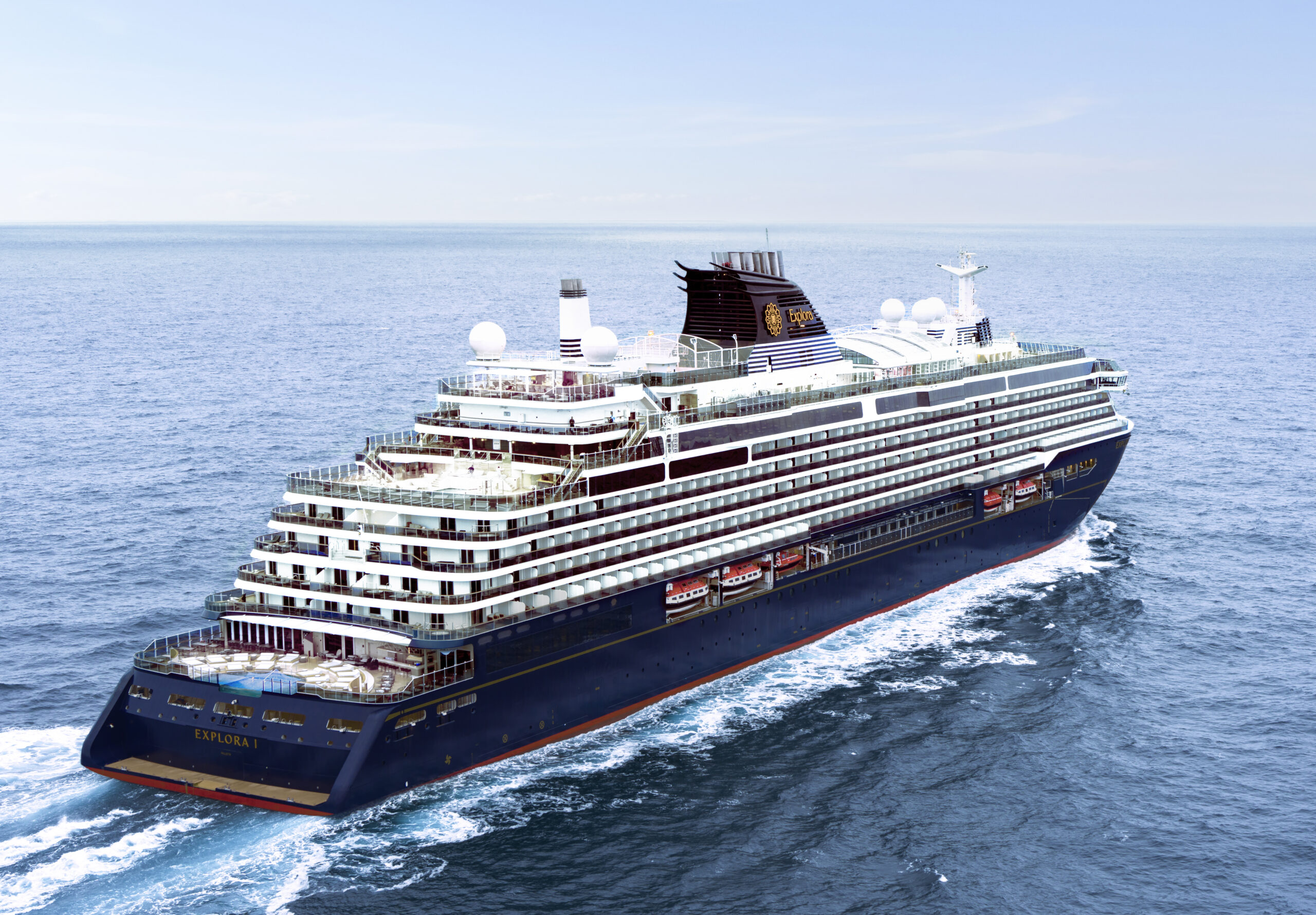
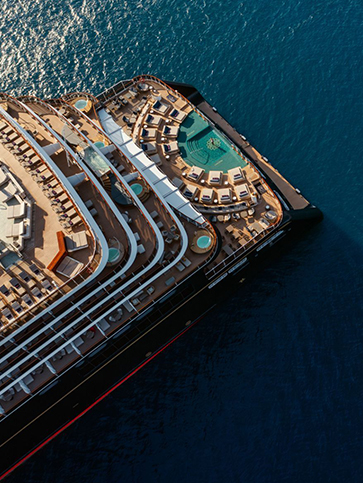
Silver Moon and Silver Dawn represent a subtle evolution from sister ship Silver Muse, with an innovative dining concept and an enhanced spa.
These stylish ships are large enough to offer a wide range of
dining options, including the innovative Sea and Land Taste
(S.A.L.T.) culinary programme, and all-suite accommodation, yet
retain the small-ship intimacy that is synonymous with the rest of
the fleet.
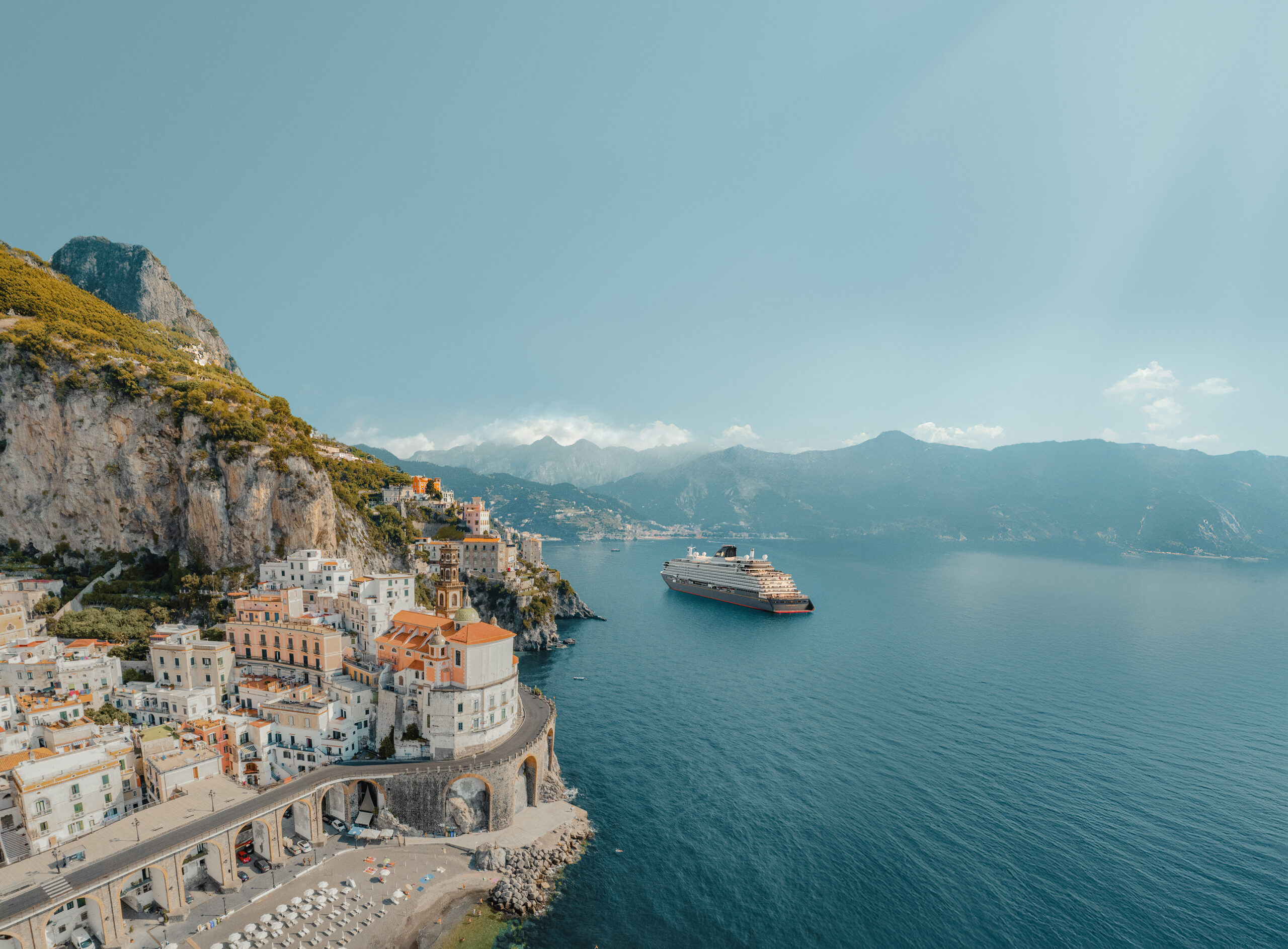
Renowned for its casino, its Grand Prix and its oligarch-friendly tax policies, Monte Carlo is glamour and hedonism personified, with a price tag to match. Wedged between Italy and France on the Côte d'Azur, this little principality enjoys a lovely setting, the villas and penthouses tumbling down the hillside towards the sweeping blue expanse of the Mediterranean. Most visitors won't feel the need (or be able to afford) to stay more than a day or two, but the Prince's Palace and the Oceanographic Museum are both well worth a visit. Enter the casino at your own risk...
The rumbustious port of Marseille often gets a bad press, but the city has been transformed in recent years, with a host of new cultural attractions. The vibrant Vieux Port remains at the heart of life in Marseille, however, and is the best place to begin your exploration of the city’s many historic sights.
The down-to-earth port of Sète, sandwiched between the Mediterranean and the Etang de Thau lagoon, is a working town rather than a tourist hotspot, though the canals and colourful buildings have a certain charm. It’s also a great spot for a seafood lunch, and a visit to the nearby citadel of Carcassonne is a popular excursion.
From the warren-like medieval streets of the Barri Gòtic to the fantastical modernist architecture of Antoni Gaudí, from the dizzy heights of Mount Tibidabo to the golden sands of Barceloneta, there’s never a dull moment in Barcelona.
Spain’s third city is a dazzling destination that combines historic architecture, cutting edge design and an inviting stretch of beach. Don’t miss the futuristic City of Arts and Sciences, designed by local architect Santiago Calatrava, or the old riverbed, now a delightful park.
Cartagena was founded by the Carthaginians around 227 BC, who named it after their home city in North Africa. These days the city is best known for its well-preserved Roman theatre, which was remarkably only discovered in 1987, in spite of its location in the centre of town.
Málaga boasts plenty of chic restaurants and bars where you can ease into the rhythms of life in southern Spain, before exploring sights including the intriguing, unfinished Gothic cathedral, and a museum devoted to the city's most famous son, Pablo Picasso.
After years of neglect, Tangier is finally being restored to its former glory as a cosmopolitan crossroads between Europe and Africa. The Moroccan government has invested heavily in modern infrastructure, while the spruced up medina shines with a new-found cultural dynamism.
Bustling and modern, fizzing with industry and commerce, Casablanca is often overlooked in favour of Morocco’s better known tourist draws. But then this is part of its appeal: it’s an authentic and unvarnished city, and it’s also home to the spectacular modernist architecture of the Hassan II Mosque.
The crumbling, sun-baked seafront city of Cádiz is said to be the oldest continuously inhabited settlement in the western world, founded by the Phoenicians around 1100 BC. Although the city lacks any obvious landmarks, it’s rich in atmosphere, and plays host to one of Spain’s most colourful carnivals.
Spread across steep hillsides that overlook the Rio Tejo, Lisbon’s colourful cityscape includes Gothic cathedrals, majestic monasteries and quaint museums. But for many the best times will be had wandering the narrow lanes of Lisbon’s lovely backstreets, with their great local food, wine and music.