From Trieste to Miami · Mediterranean · 32 nights
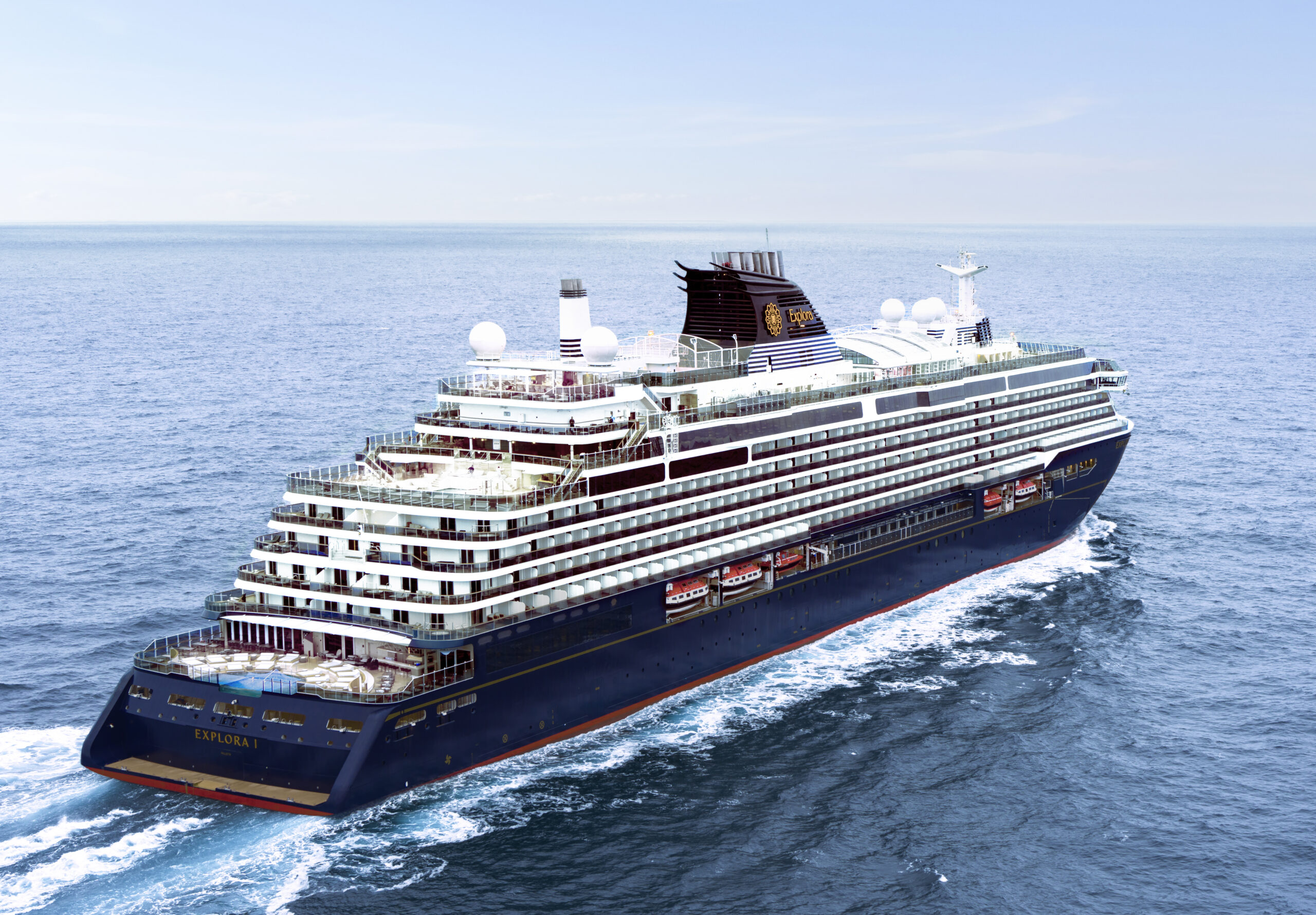
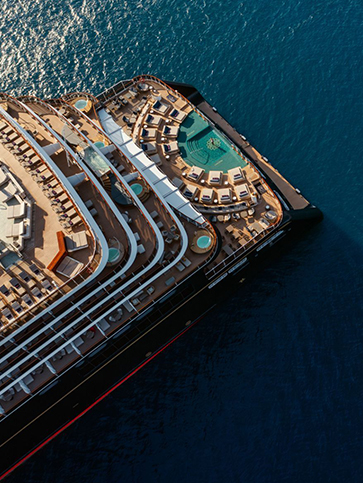
The ninth ship in the Oceania Cruises fleet, Oceania Sonata will debut in summer 2027, and will be the first vessel in a new class of ships.
Oceania Cruises’ newest ship in the fleet, Oceania Sonata, will
build upon Oceania’s hallmarks including culinary excellence and
immersive itineraries, as well as being the most spacious vessel in
the fleet. The ship will feature two brand-new dining venues and
30% of accommodations will be suites, and like the rest of the
Oceania Cruises fleet, will operate on an adults-only basis. She
will debut in summer 2027 so stay tuned for further updates…
Almost encircled by the territory of neighbouring Slovenia, the Adriatic port of Trieste has always stood slightly apart from the rest of Italy, and the city's former status as a free port under Austrian rule is reflected in the handsome Habsburg architecture.
Ravenna is a must-visit for art and history lovers, with an impressive array of UNESCO-listed historic buildings decorated with beautiful Byzantine mosaics. The city is also home to Dante’s tomb, and you’re within easy reach of Bologna, Ferrara and San Marino.
Located on the quieter northern stretch of Croatia’s Dalmatian coast, the walled port city of Zadar is an intriguing blend of old and new, where Roman ruins and psychedelic modern art installations sit alongside one another.
Croatia’s second city enjoys a dramatic setting, hugging a sweeping bay against a backdrop of sheer grey mountains. Split's labyrinthine old town is contained within the remarkable Roman ruins of Diocletian’s Palace, a UNESCO World Heritage Site, and spills out onto the buzzing seafront Riva promenade.
Kotor sits at the head of a beautiful, fjord-like bay, hemmed in by glowering mountains. The compact, walled old town is Montenegro’s star attraction, a warren of little alleyways and shady squares that is often described as a ‘mini Dubrovnik’.
Sarandë is southern Albania’s premier seaside resort, and in summer the population swells with day-trippers from nearby Corfu. If the beach doesn’t appeal then visit the fascinating archaeological remains at Butrint, or take a dip in the refreshing waters of the beautiful Blue Eye Spring.
Situated on the north eastern tip of Sicily, so close to the Italian mainland you can almost touch it, Messina is the busy main entry point to the island. The city was flattened by an earthquake in 1908, and again by Allied bombing in 1943, so few historical sights remain, although the cathedral is one of Sicily’s most impressive.
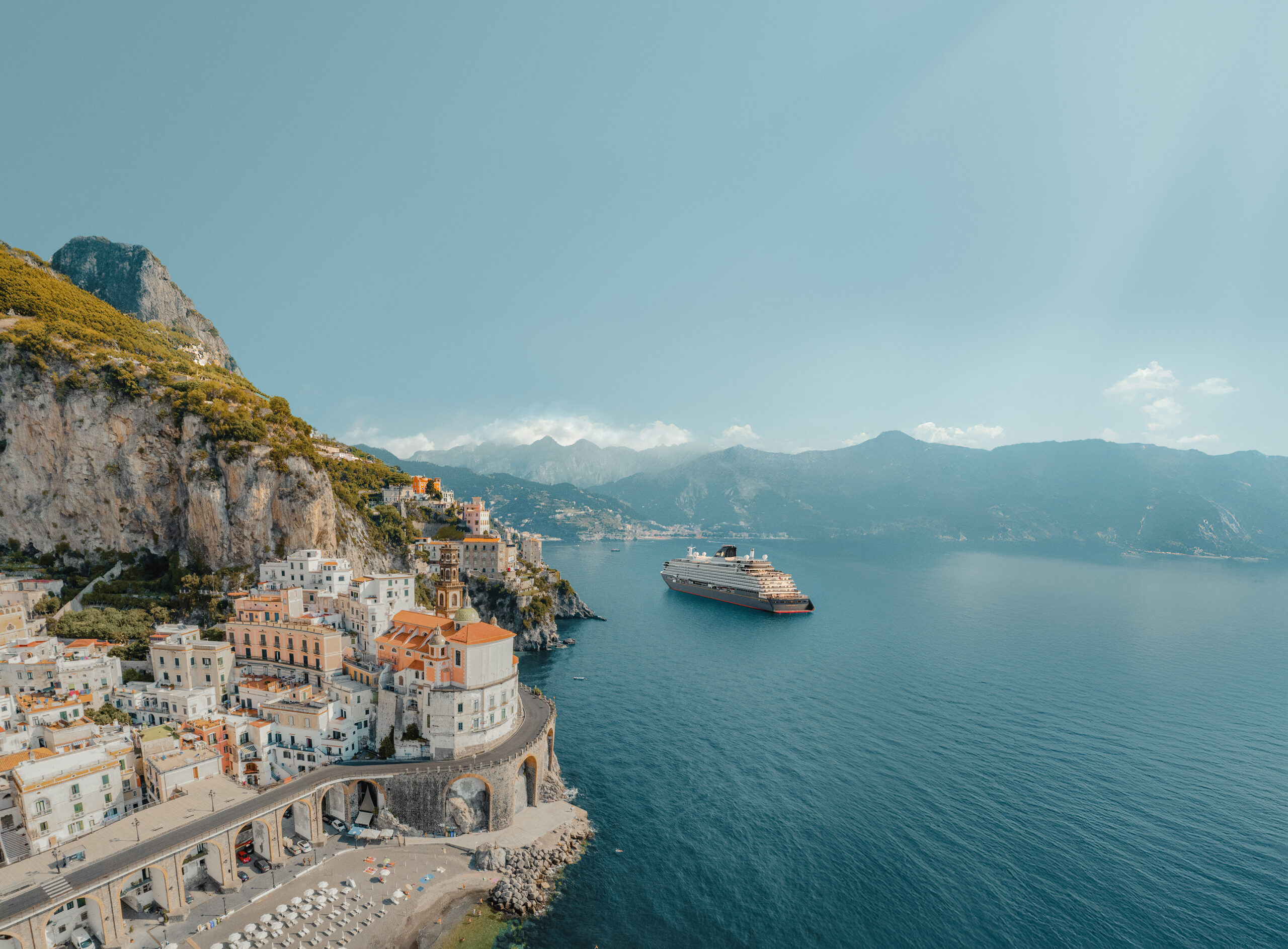
Salerno is the capital of the Campania region, an attractive city at the eastern end of the Amalfi Coast. The historic centre and beautiful seafront promenade are well worth exploring, and the ruins at nearby Paestum make for an interesting day trip.
One of the world’s great cities, Rome continues to dazzle and delight visitors with a potent mix of architectural marvels, continent-defining history and buzzing nightlife. The Colosseum, the Vatican and the Forum are among the big ticket items, with the crowds to match, though in truth you will find history around almost every corner.
Salerno is the capital of the Campania region, an attractive city at the eastern end of the Amalfi Coast. The historic centre and beautiful seafront promenade are well worth exploring, and the ruins at nearby Paestum make for an interesting day trip.
Situated on the northeastern coast of Sardinia, Olbia is a busy port city that serves mostly as a gateway to the beautiful Costa Smeralda. The compact historic centre has some pleasant places to eat, drink and shop if you feel like exploring, or you may prefer to head straight for the beach.
The attractive, oceanfront capital of Corsica was the birthplace of the island’s most famous son, Napoleon Bonaparte. You can find out more about the emperor at his childhood home, the Maison Bonaparte, which is now a museum.
The faded port town of Livorno serves as a gateway to Tuscany’s star attractions. Wonderful Florence, the cradle of the Renaissance, is resplendent with beautiful architecture and unrivalled artistic treasures, while nearby Pisa is of course famous for its precarious Leaning Tower.
Few ports conjure up images of glitz and movie star glamour quite so readily as Cannes. May is when the glitterati roll into town for the Film Festival, but there’s still plenty to divert you the rest of the year, including the old quarter, Le Suquet, and the dazzling Croisette.
The rumbustious port of Marseille often gets a bad press, but the city has been transformed in recent years, with a host of new cultural attractions. The vibrant Vieux Port remains at the heart of life in Marseille, however, and is the best place to begin your exploration of the city’s many historic sights.
Although Ibiza is best known as a hedonistic party island, it’s easy to give the clubbers a swerve and discover the White Isle’s mellower side. The island boasts some spectacularly beautiful coastline, and the fortified Old Town (Dalt Vila) is UNESCO listed.
Mallorca is renowned for its beaches, ranging from big, bustling resorts to small, secluded coves. The island interior offers ruggedly beautiful scenery and quaint little towns, while the charming capital, Palma, boasts an attractive old quarter dominated by the imposing Gothic cathedral.
From the warren-like medieval streets of the Barri Gòtic to the fantastical modernist architecture of Antoni Gaudí, from the dizzy heights of Mount Tibidabo to the golden sands of Barceloneta, there’s never a dull moment in Barcelona.
Much more than just a gateway to the Costa Blanca, Alicante is an attractive and atmospheric city with plenty to recommend it. Founded by the Romans, then ruled by the Arabs for 500 years, the city has a rich history and a lovely old town, along with superb beaches and an excellent modern art museum.
The bustling port of Motril is less than an hour’s drive from Granada, last stronghold of the Moors in Spain and home to the famous Alhambra palace. The narrow streets of the Albayzín quarter are particularly evocative of the days of Al Andalus, and you can explore Granada’s Jewish heritage in the atmospheric Realejo district.
The crumbling, sun-baked seafront city of Cádiz is said to be the oldest continuously inhabited settlement in the western world, founded by the Phoenicians around 1100 BC. Although the city lacks any obvious landmarks, it’s rich in atmosphere, and plays host to one of Spain’s most colourful carnivals.
Funchal, Madeira’s bustling capital, tumbles down a dramatic hillside towards a beautiful sweeping bay. Highlights include colourful markets, wine lodges and the spectacular cable car ride up to the village of Monte, home of the famous toboggan run.
King’s Wharf is the port of choice for the larger cruise ships that visit Bermuda, originally built as a base for the British Navy. Attractions in the immediate vicinity include the National Museum of Bermuda and the Arts Centre, and you don’t have to travel far to find one of Bermuda's beautiful pink sand beaches.
Downtown Miami is a destination in its own right, with a host of world class galleries, but it's still Miami Beach that draws the biggest crowds. The Art Deco district around South Beach is very much back in vogue, with new restaurants, bars and luxury developments sprouting up all over the place.