From Tokyo to Tokyo · Asia · 14 nights
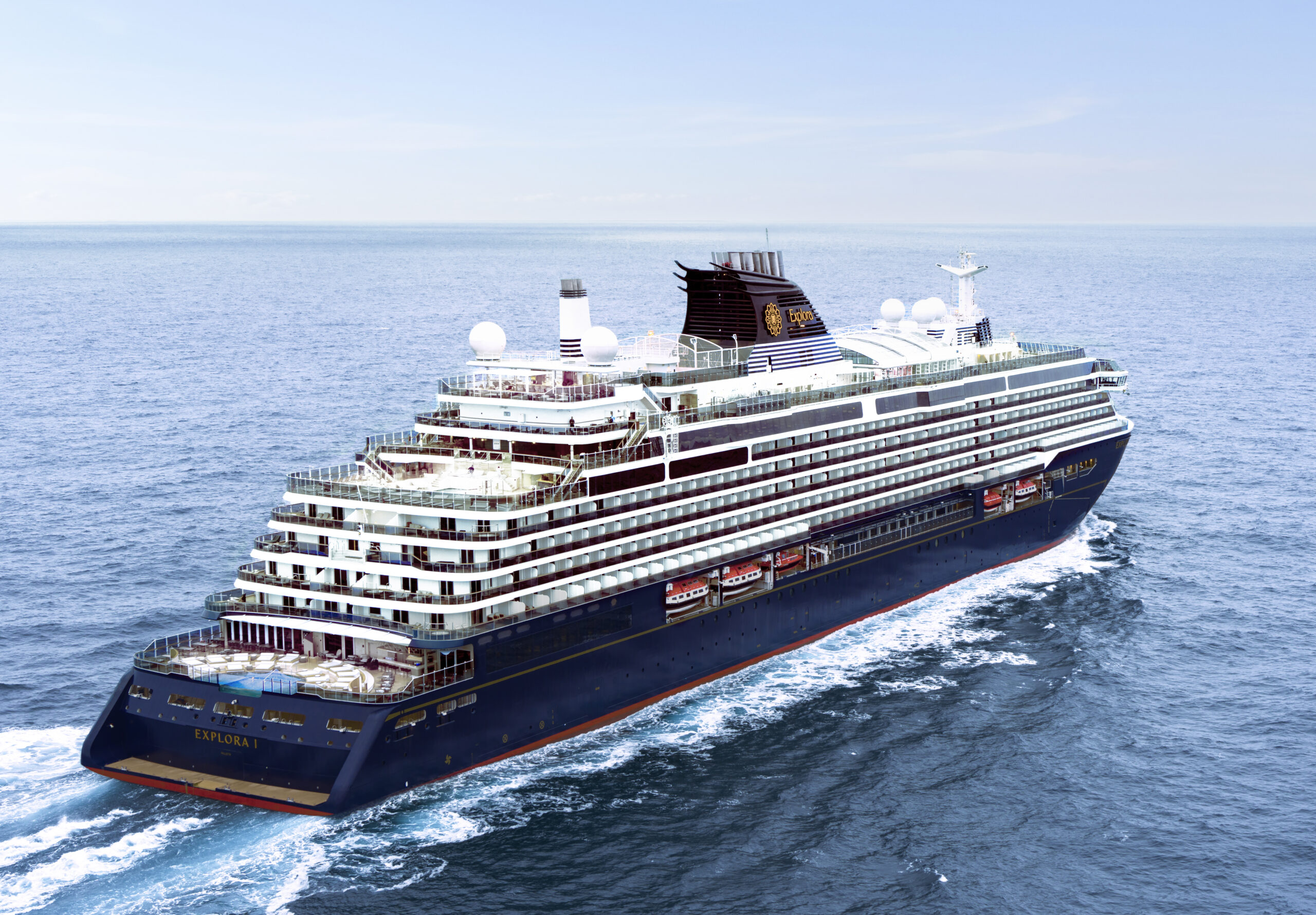
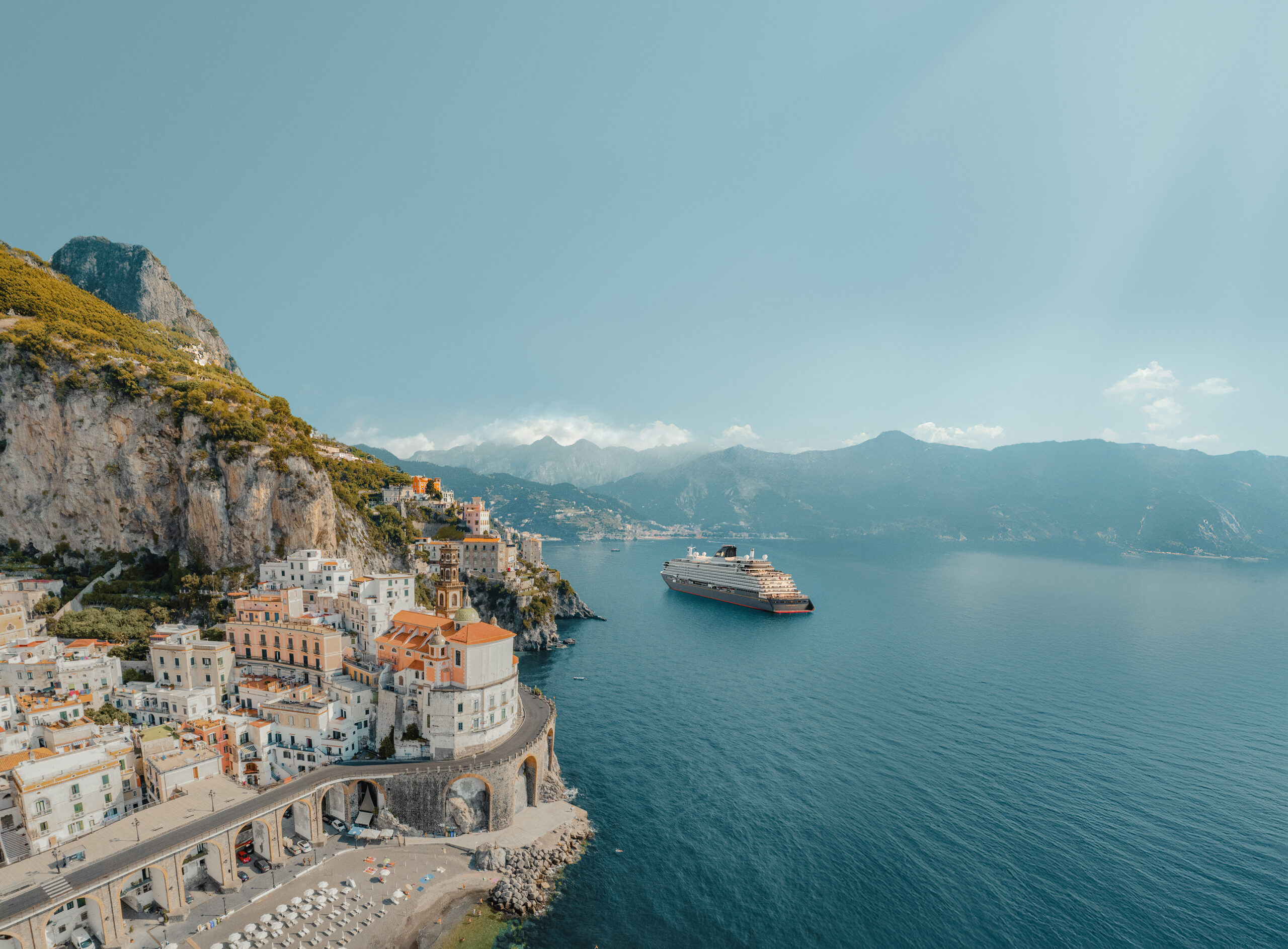
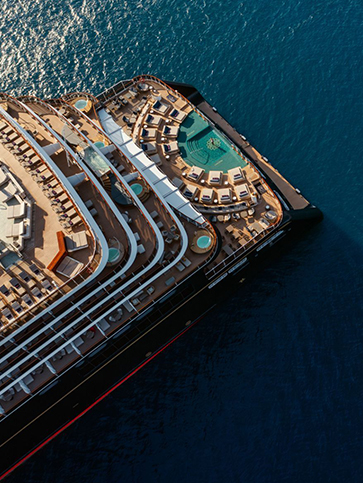
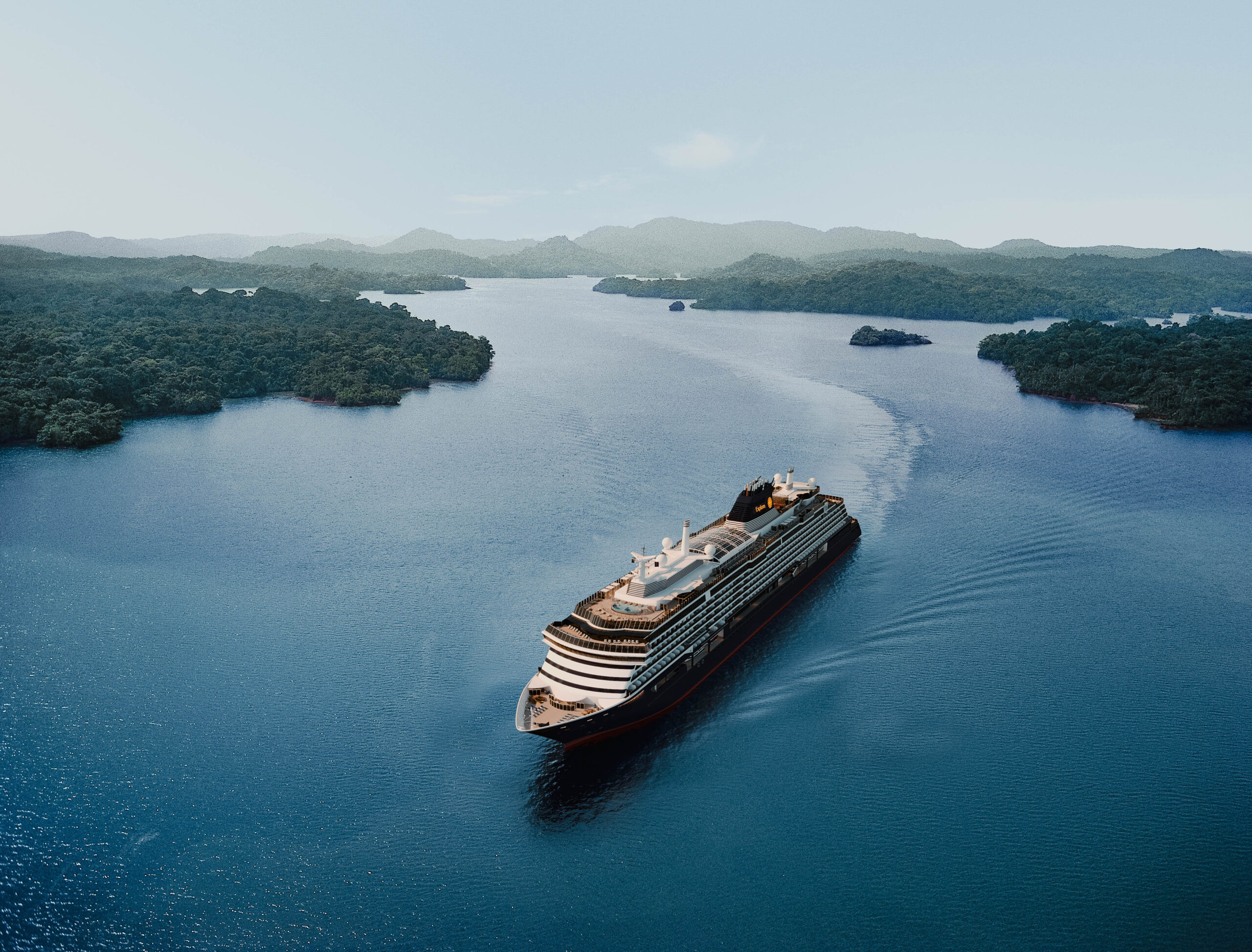
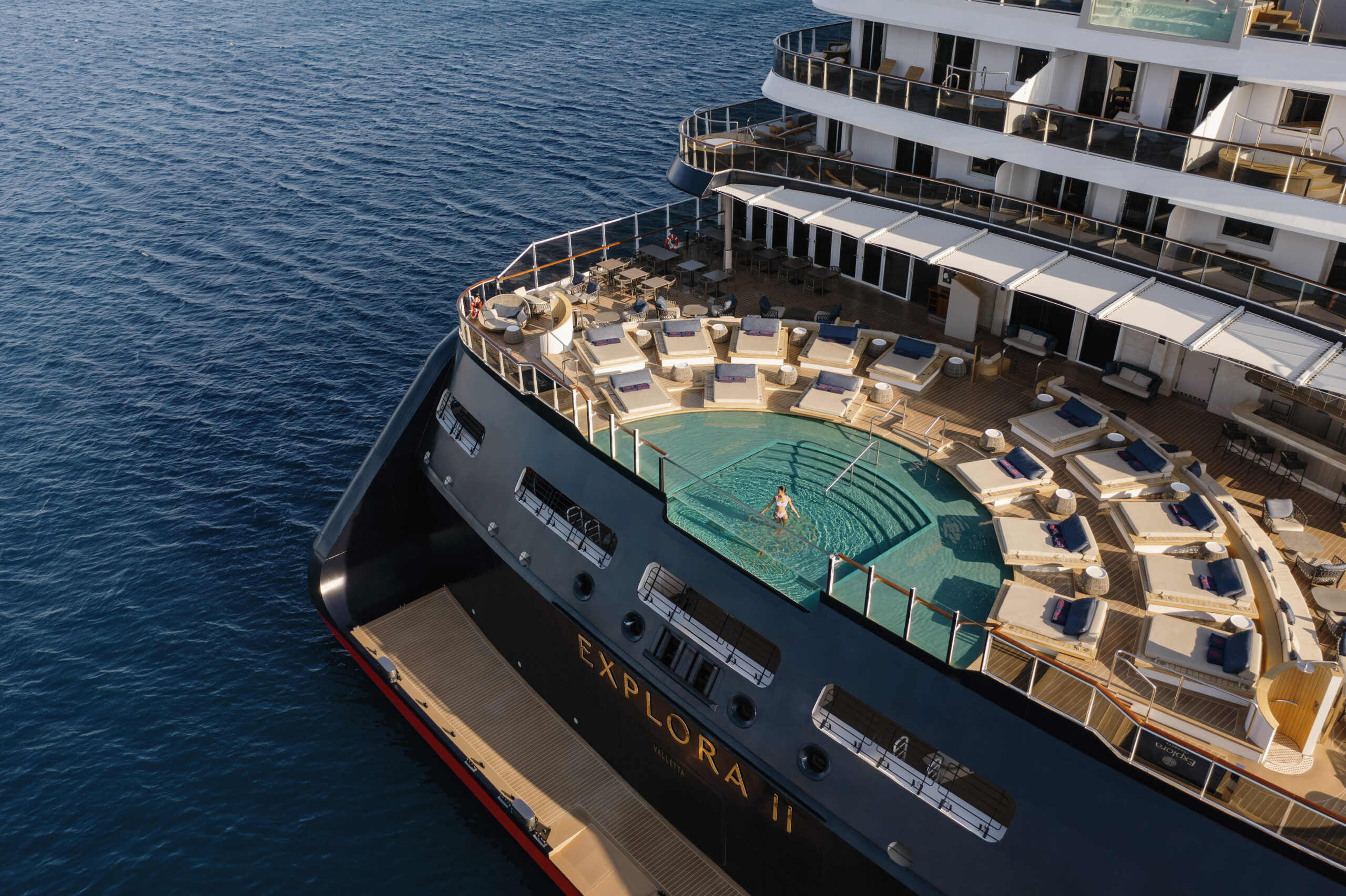
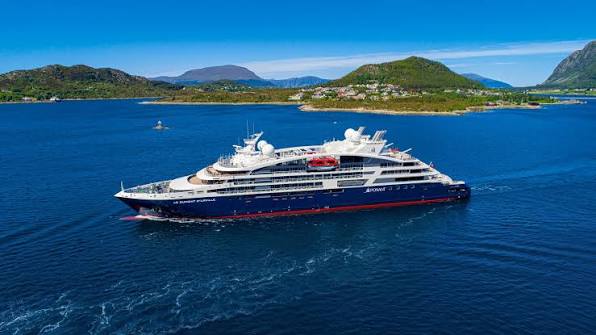
Innovative sister ships Seabourn Encore and Ovation represent an evolution in the Seabourn fleet, slightly larger in size with all-verandah accommodation.
When Seabourn introduced these sisters, they changed the face of
luxury cruising. Seabourn Encore and her sister Seabourn Ovation,
with 600 guests on board, take things a step further, with lots of
new thinking and special additions, continuing Seabourn’s magical
ability to surprise and delight.
Tokyo is a dazzling introduction to Japan and its utterly unique culture. With more neon than Las Vegas and more Michelin stars than Paris, it's a real assault on the senses, but an efficient public transport system means it's easy to explore. Asakusa is an atmospheric district where you'll find Tokyo's oldest Buddhist temple, Akihibara spills over with shops selling electronic gadgets, and Harajuku is the place to marvel at the latest colourful Japanese fashions. It's also easy to escape the crowds and find a spot of peace and quiet, with tranquil parks, shrines and lotus ponds dotted around the city.
The fishing port of Sokcho is the gateway to the mountainous Seoraksan National Park, home to wildlife including the rare Korean goral, musk deer and Tristram’s woodpecker. Sokcho is also less than 40 miles from North Korea, with the possibility of visiting the fascinating DMZ Museum at the border.
Kanazawa rivals Kyoto for historical significance, though the city is far less overrun with tourists. The 17th-century Kenroku-en garden is the jewel in Kanazawa’s crown, filled with pretty ponds and waterfalls, and the city is also home to exceptionally well preserved samurai and geisha districts.
Set amongst snowy mountains on the west coast of Honshu, the city of Niigata is known for its ski resorts, seafood and hot springs, and produces some of the finest sake in Japan. Other attractions nearby include Shibata’s impressive castle and the town of Murakami, renowned for its traditional wind-dried salmon.
The city of Aomori, at the northern tip of Honshu island, is best known for its summer Nebuta Matsuri festival, which lights up the streets every August. There is still plenty to see during the rest of the year, including elegant Hirosaki Castle, pretty Lake Towada and the Seiryu-ji Temple, home of the largest Buddha statue in Japan.
Situated at the southern tip of Hokkaido, Hakodate was one of the first Japanese ports to open up to international trade in the 19th century, and a scattering of European-style buildings remain. Take a ride on the historic streetcar, tuck into delicious seafood or enjoy a revitalising dip in an onsen (hot spring).
Cave exploring, kayaking, and coastal hiking is what visitors to Miyako, on Honshu's eastern shore can expect, with its dramatic, rocky shoreline of bays, cliffs and coves along the 300-km Sanriku Coast. Don't miss the stunning white pebbled shores of Jodogahama Beach, punctuated by jagged, rocky islands.
Sendai is the largest city in the Tohoku region, founded in the 16th century by the powerful samurai lord Date Masamune. His legacy lives on in the ruins of Sendai Castle, heavily damaged by Allied bombing during the Second World War. The city also plays host to the colourful Tanabata Matsuri festival every summer.
The city of Hitachinaka is situated on the east coast of Japan’s main island, Honshu, in an area known for its long sandy beaches and busy fishing ports. Don’t miss the famous Hitachi Seaside Park, which lights up with pale blue nemophilia flowers during the spring and crimson kochia bushes in autumn.
In a state of constant renewal and forever looking to the future, densely populated Tokyo is a dazzling introduction to Japan and its utterly unique culture. With more neon than Las Vegas and more Michelin stars than Paris, it’s a real assault on the senses.