From New York to Fort Lauderdale · South America & Antarctica · 71 nights
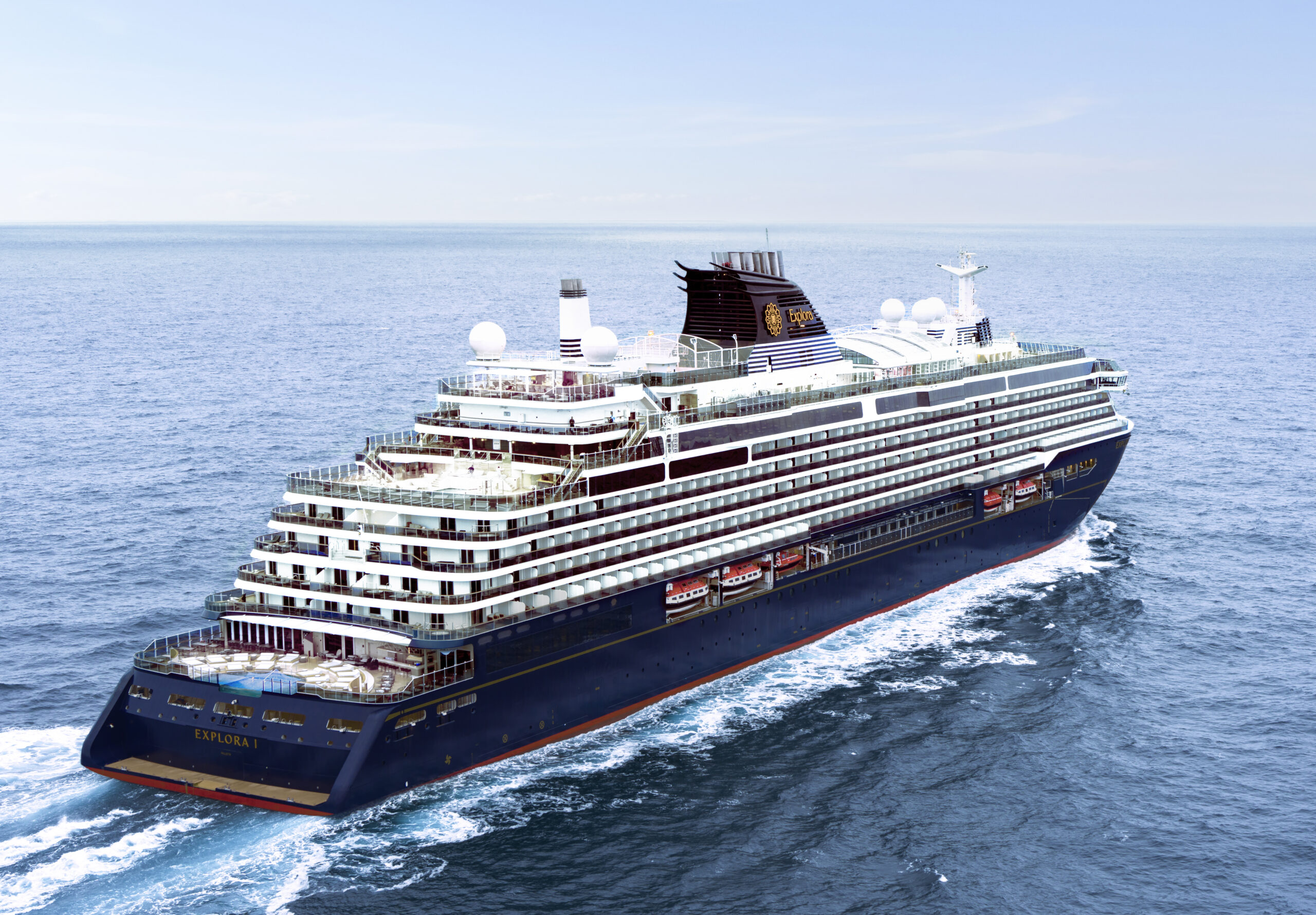
Arguably one of the finest ships at sea returned to the ultra-luxury cruise sector in 2023, completely refurbished and enhanced.
Following extensive refurbishment, Crystal Serenity has emerged
reinvigorated with contemporary, spacious accommodations and an
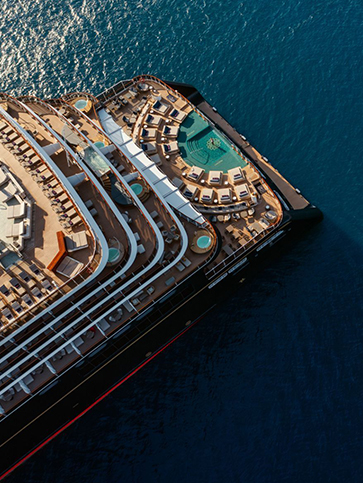
industry-leading space to guest ratio. The array of social areas,
wide-ranging entertainment and world-class dining options deliver
the ultimate in luxury cruising.
The Big Apple is one of the world's most iconic, cosmopolitan cities, a place that everyone should visit at least once in their lifetime. From the lofty heights of the Manhattan skyscrapers to the hipster hangouts of resurgent Brooklyn, New York City buzzes with energy and excitement, and there's never been a better time to visit. Cultural highlights include the Museum of Modern Art (MoMA), the Lincoln Center for Performing Arts and the theatres of Broadway, and the culinary scene is arguably the most exciting in the US, with an ever-changing smorgasbord of innovative restaurants, pop-ups and fashionable street food trucks.
King’s Wharf is the port of choice for the larger cruise ships that visit Bermuda, originally built as a base for the British Navy. Attractions in the immediate vicinity include the National Museum of Bermuda and the Arts Centre, and you don’t have to travel far to find one of Bermuda's beautiful pink sand beaches.
Antigua is famously home to 365 beaches - one for every day of the year - and there is an undeniable allure to the many white sand coves dotted along the coast. The capital, St John's, is worth a look, but if you've got time to visit the south coast you'll find historic Nelson's Dockyard a lot more interesting.
Gustavia is the chic and petite capital of Saint Barths, a tiny French Caribbean island that’s renowned as a haunt of the rich and the famous. You can certainly live well here if you’ve got the means, with an array of gourmet restaurants and luxury boutiques aimed squarely at the A-list. The beautiful beaches, on the other hand, are free and open to all.
Founded by the Spanish in 1521, Puerto Rico’s capital is the second oldest European settlement in the Americas. Modern San Juan is a bustling city, home to over a third of the island’s population, but the cobbled streets of the Old Town remain the biggest tourist draw.
Laid back and low key, Saint Kitts is an island typified by rolling green hills, characterful beach bars and the lingering remnants of the sugar cane trade that once dominated here. Attractions include the UNESCO-listed Brimstone Hill fortress, the 18-mile Scenic Railway and the faded Georgian elegance of the capital, Basseterre.
Castries, Saint Lucia’s diminutive capital, is home to some interesting markets and colonial buildings. The island’s highlights are situated elsewhere, however, and we’d recommend either heading south towards Soufrière, where the iconic Piton mountains guard a beautiful bay, or north to the bars, restaurants and beaches of Rodney Bay.
Scarborough is the capital of Tobago, a sleepy island where tourism remains mostly low key. The town has a few interesting colonial era sights, but we’d recommend exploring Tobago’s natural treasures instead, including stunning reefs, secluded waterfalls and a rainforest reserve that draws birdwatchers from around the globe.
The Îles du Salut, a trio of islands more popularly known as Devil’s Island, were the site of a French penal colony which gained notoriety thanks to the harsh treatment of inmates. As well as the overgrown ruins of the prison, which closed in 1953, the islands are today also home to a surprisingly rich variety of wildlife.
Situated on Brazil’s northeastern coast, the sprawling city of Fortaleza is best known for its beaches and nightlife, and it’s also a major seaport. There isn’t a huge amount in the way of sights, though the Mercado Central is good for shopping and there are some nice beach bars along the Praia do Futuro.
Colourful Salvador is Brazil’s third biggest city and a vibrant centre for Afro-Brazilian culture, with frequent festivals that fill the streets with music and dancing. The historic core of the old city is the biggest tourist magnet, where elegant, brightly hued colonial buildings line the cobbled streets.
The carnival capital of the world, Rio de Janeiro needs little introduction. We can think of few cities in the world that are able to compete when it comes to location: hugging the beautiful sandy shore and surrounded by jungle-clad islands and mountains, including the iconic Corcovado, the setting for Brazil’s most vibrant city is simply breathtaking.
Ilhabela, the aptly named ‘beautiful island’, is swathed in rainforest and fringed by golden beaches. The majority of the island is a protected state park, and walking trails lead you through dense foliage to magical waterfalls, with the chance to spot wildlife including toucans and capuchin monkeys.
Located just across the Río de la Plata from Buenos Aires, Uruguay’s underrated capital is a cosmopolitan and eclectic mix of colourful colonial architecture and high rise modernity. The 14-mile waterfront promenade, La Rambla, is a popular and pleasant place to be on a summer’s evening.
The streets of Buenos Aires are redolent of a grand old European capital, lined with elegant architecture that wouldn’t look out of place in Madrid or Paris. There is also plenty of Latin passion on display: Argentina is the home of tango, that most electrifying of dances, and has played host to countless revolutions over the years.
The upmarket Uruguayan beach resort of Punta del Este is where the A-listers come to party, with a reputation as the Saint Tropez of South America. The town also has an arty side, typified by intriguing sculptures such as the giant concrete fingers emerging from the beach at Playa Brava.
Founded by Welsh settlers in 1886, bustling Puerto Madryn owes its popularity as a tourist destination to the incredible wildlife of the Península Valdés. From June to December the bay is filled with migrating right whales, and at the beginning of the season the whales come so close to the shore that you can view them from the pier.
The rugged and windswept Falkland Islands make for a fascinating stop on the way to or from Antarctica. Over 80% of the population lives in the capital, Stanley, though humans are far outnumbered by other creatures, including penguins, sea lions and albatrosses.
Perched on the ragged southern edge of Argentina, where the snow-capped Andes fall away into the churning sea, Ushuaia has a frontier town feel to it, and serves as the base for expeditions into the icy waters of Antarctica.
The weather-beaten city of Punta Arenas is a laid back and welcoming place, in spite of its inhospitable location on the shores of the Strait of Magellan. Nearby attractions include penguin colonies and the dramatic scenery of Torres del Paine National Park, while beyond the horizon lie the frozen wastes of Antarctica.
Puerto Chacabuco is situated close to the Aysén Fjord and serves as a gateway to the Laguna San Rafael National Park, a UNESCO Biosphere Reserve. Amongst the lush forests, waterfalls and lagoons you have the chance to spot wildlife including marine otters, giant condors and Chilean dolphins.
Rugged and unspoilt Chiloé, situated at the southern end of Chile’s Lake District, is a unique and culturally distinct island that stands apart from the rest of the country. The main town, Castro, is notable for its colourful waterfront homes on stilts (known as palafitos), and is the gateway to the dense forests and rolling hills of the island interior.
Puerto Montt is the capital of the Chilean Lake District, spread out around a wide bay against a backdrop of snow-capped volcanoes. This wild region offers a host of outdoor activities, including mountain hikes, kayaking, white water rafting, fishing, zip lining and cycling.
Characterful, colourful and a little chaotic, the port city of Valparaíso is scattered across 45 vertiginous hills. Thanks to this difficult topography the city streets are punctuated by steep staircases and funicular elevators, and energetic explorers will be rewarded with wonderful views of the pastel hued buildings that hug the slopes.
The busy port of Coquimbo is the gateway to the charming colonial city of La Serena, one of the oldest in Chile, where you’ll find attractive architecture and a fine stretch of beach. Other nearby sights include the fertile Elqui and Limarí Valleys, home to excellent wineries and ancient petroglyphs.
Situated in the far north of Chile, the golden sands of Iquique attract both sunseekers and thrillseekers; surfing and paragliding are particularly popular here thanks to the clear skies and the wind coming in off the Pacific. The city is also home to some charming old mansions, remnants of a 19th century nitrate mining boom.
Pisco is best known for its eponymous grape brandy, the key ingredient in a pisco sour cocktail. From here you can explore the desert landscapes of the Paracas Reserve, discover the rich marine life of the Ballestas Islands or fly over the mysterious Nazca Lines.
Peru’s underrated capital enjoys a fine setting on the Pacific coast, and the handsome colonial-era buildings surrounding the Plaza de Armas give clues to Lima’s distinguished history; for three centuries this was the capital of the Spanish Americas, when the city grew rich on the back of plundered Inca gold.
Salaverry is the nearest port to Trujillo, northern Peru’s most important city. Located amongst the verdant Andean foothills, Trujillo is home to a host of beautiful colonial buildings, and is also known for the spectacular nearby ruins of Chan Chan, the largest pre-Columbian city in South America.
Guayaquil is Ecuador’s largest city and most important commercial centre, and acts as the gateway to the Pacific coast and the wildlife haven of the Galapagos Islands. It’s a busy, buzzing sort of place, centred around the pleasant riverfront Malecón promenade.
The port of Fuerte Amador sits at the southern edge of Panama City, near the Pacific entrance to the Panama Canal. The shining skyscrapers of the Panamanian capital are a testament to the city’s status as a key financial centre, while the tiny Casco Viejo is home to pretty colonial streets, hip hotels and happening bars.
Puerto Limón is a busy port on Costa Rica’s Caribbean coast, and plays a vital role in the export of bananas. Take a trip out of the city and explore the lush rainforest, with nearby attractions including the canals of Tortuguero National Park, a key breeding site for green turtles.
Roatán is the largest and busiest of the Bay Islands, which sit off the coast of Honduras in the crystal clear waters of the Caribbean Sea. It’s a fantastic destination for divers and snorkellers, with a stunning reef just offshore, and also boasts some lovely beaches.
The port of Santo Tomás de Castilla sits on Guatemala’s sliver of Caribbean coastline, and serves as a jumping-off point to explore this fascinating country. Nearby highlights include the Mayan site of Quiriguá and colourful, laid-back Livingston, and it’s also possible to take a day trip by air to the famous ruins at Tikal.
Belize’s capital does not enjoy the best reputation, and we wouldn’t recommend spending too much time here; use it instead as a jumping-off point to explore the fascinating Mayan ruins of Xunantunich, Lamanai and Altun Ha, or take a snorkelling trip to the beautiful Barrier Reef, including the famous Blue Hole.
Cozumel first made its name as an off the beaten track destination for divers, thanks to the crystalline waters and low key beach vibe. These days the cat is very much out of the bag, but get away from the craft shops and jewellery stores of the busy port and you’ll find a welcoming island community that is still authentically Mexican.
The town of Progreso, on the north coast of the Yucatán Peninsula, is the jumping off point for exploring the fascinating Mayan ruins of Chichén Itzá, a 100-mile drive inland. The lovely colonial town of Mérida is another option, and is much closer, while Progreso itself has a decent beach.
These days Fort Lauderdale is a sophisticated place awash with upmarket hotels and excellent restaurants. The glorious weather and swathes of golden beach are still a huge draw, but there are also plenty of cultural attractions, such as the Museum of Art and the Museum of Discovery and Science.