From Darwin to Lautoka · Pacific Islands · 18 nights
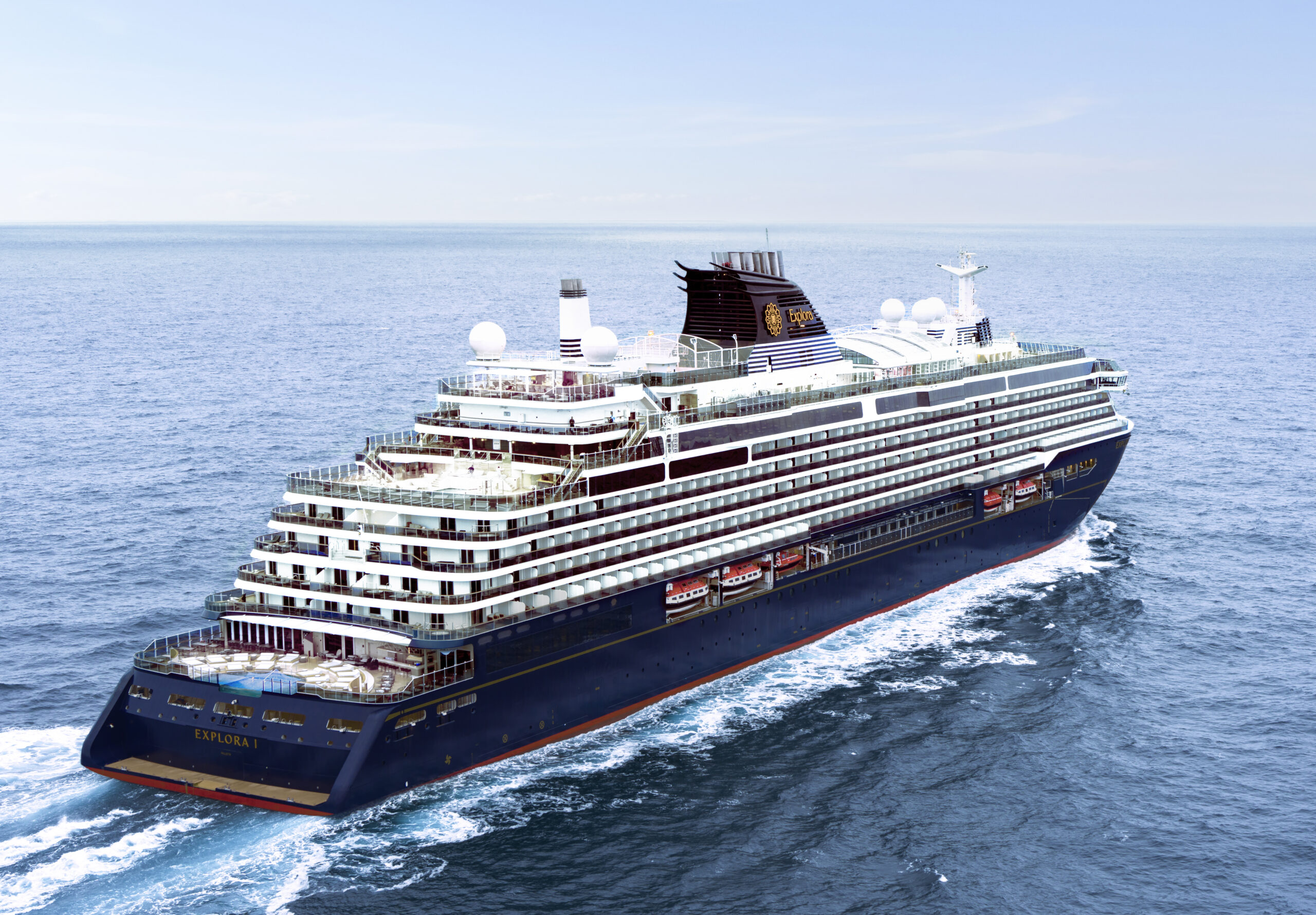
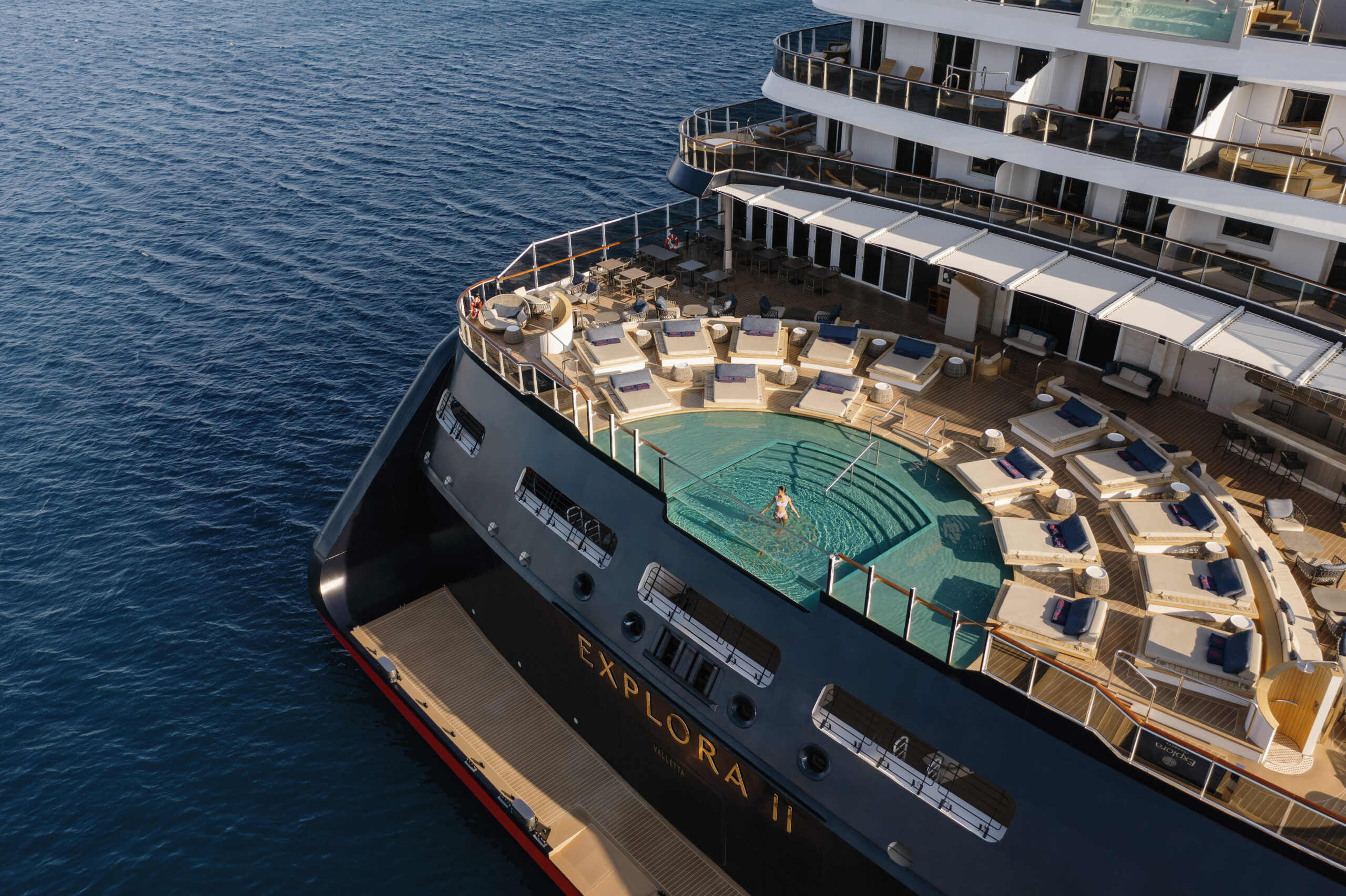
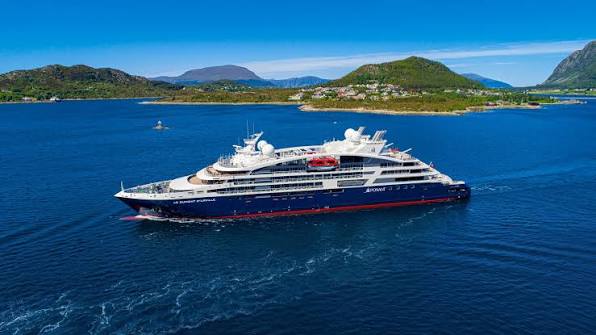
This intimate and popular little ship was the first crossover ship in the fleet, reborn as a stylish expedition ship following an extensive refurbishment in 2017.
The lovely Silver Cloud is now part of Silversea’s Expeditions
fleet, with a reduced capacity, an ice-strengthened hull and 18
zodiacs making this one of the most luxurious expedition ships at
sea.
More of a large town than a city, Darwin is less about what's contained within the city limits and more about the huge expanse of wild landscape that's outside it. Closer to Jakarta than Sydney, the city really does feel remote in its tropical perch. There are a number of waterfront restaurants and pretty parks, making it a pleasant place to relax after a long flight. For those with the energy we highly recommend a visit to Litchfield and Kakadu National Parks.
Thursday Island is one of the Torres Strait Islands, situated to the north of Cape York. Proximity to Papua New Guinea makes for an interesting cultural mix, and the island has a fascinating military history. Be aware that swimming off the beautiful beaches is not recommended due to the presence of crocodiles and marine stingers.
Alotau is the capital of Milne Bay province, on the remote eastern tip of mainland Papua New Guinea. Milne Bay was the scene of heavy fighting during the Second World War, and today you can dive amongst the wreckage left behind. Alotau also serves as a base for visiting the nearby islands, including the fascinating Trobriand archipelago.
Fergusson Island is the largest of the D’Entrecasteaux Islands, with a landscape of volcanoes, mud pools, hot springs and geysers. The Dei Dei hot springs are particularly impressive, and you may spot locals cooking food in the boiling hot water using baskets made from palm and pandanus leaves.
Dobu is a small island that belongs to the D’Entrecasteaux group, and was once feared by outsiders as a hotbed for black magic. The island is also part of the Kula ring, a fascinating and unique ceremonial practice in which the inhabitants of 18 different islands exchange armbands and necklaces.
Looming over Rabaul is smouldering Mount Tavurvur, an active volcano that buried much of the city when it erupted in 1994, and which still periodically belches smoke and ash. Rabaul is also an appealing destination for history buffs, with several World War II sites still scattered with rusting wreckage.
The lush island of Santa Ana, also known as Owaraha, is home to just three villages, and visitors are usually welcomed to the island with traditional songs and dances. You will find a few stalls where you can buy locally-made souvenirs, and you can also snorkel in the surrounding lagoon.
Champagne Beach is a stunning stretch of perfect white sand on the east coast of Espiritu Santo, the largest of Vanuatu’s islands. The beach is named after a bizarre natural phenomenon, in which gas escaping from volcanic rocks on the sea floor causes the water to bubble and fizz at low tide.
Ambrym is known as the ‘Black Island’ due to its dark volcanic soil, with two active volcanoes, Mount Marum and Mount Benbow. The island is also known for its magic and sorcery, and for its traditional Rom dances, when locals don elaborate masks and costumes.
Lautoka is Fiji’s second largest city, known as the ‘Sugar City’ due to its important role in the local sugarcane industry. The waterfront area is pleasant enough, but we’d recommend using Lautoka as a jumping off point to visit some of the smaller surrounding islands, or the forests and waterfalls of the interior.