From Vancouver to Hong Kong · Asia · 36 nights
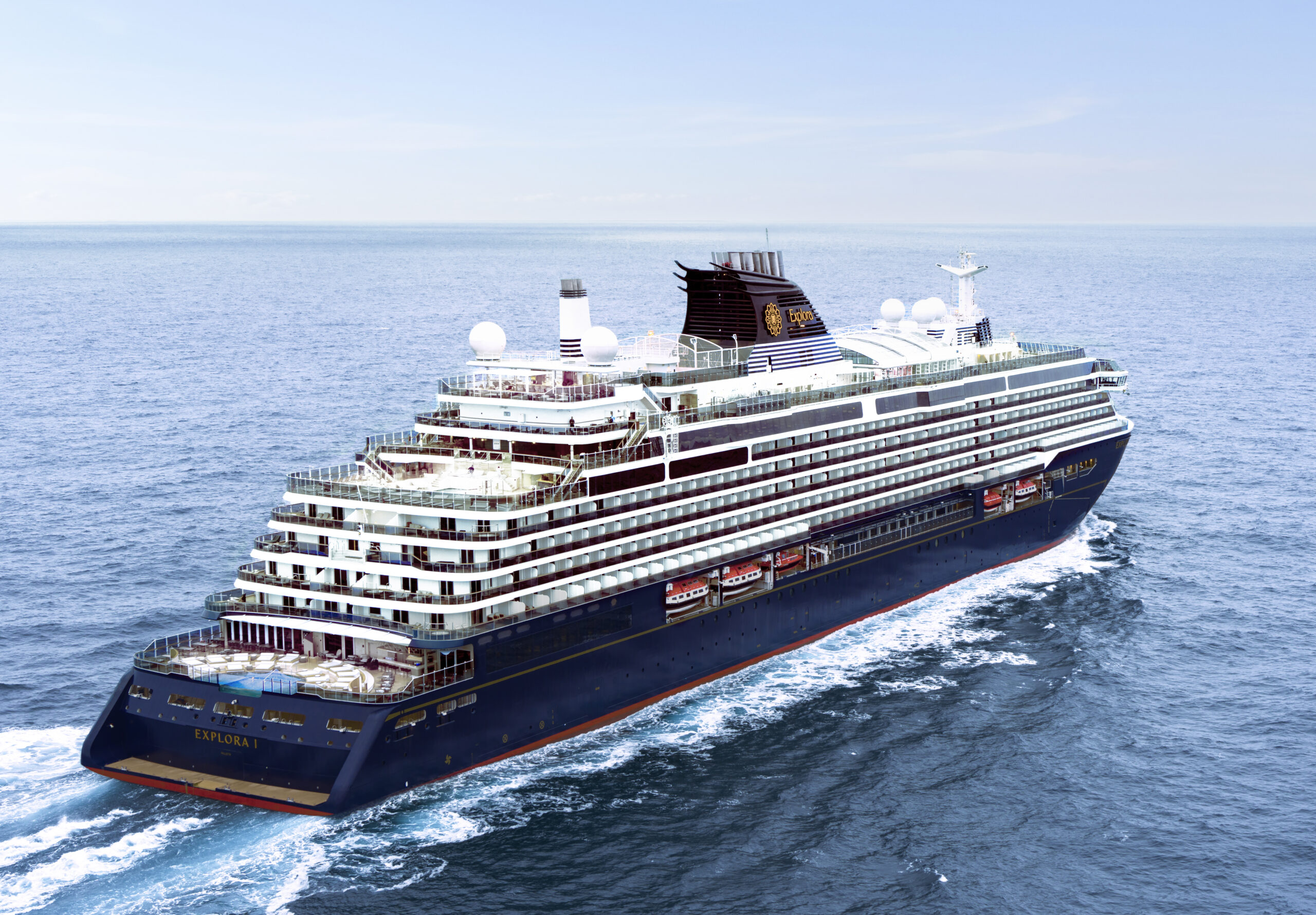
Viking’s hugely successful river cruise operation expanded into ocean cruising with a fleet of ten contemporary 930-guest ocean ships featuring attractive inclusive pricing and interesting itineraries. A slightly larger ship joined the fleet in 2024 with two additional ships scheduled in 2025 and 2026 each carrying 998 guests.
The airy contemporary style of the ships, with fresh Nordic
décor, is most appealing. Add to that the huge choices in dining
and other facilities, and veranda staterooms throughout, not to
mention included shore excursions and an excellent spa, and you
have a winner. In 2024 Viking Vela joined the fleet which is very
slightly larger, carrying 998 guests, yet identical in all other
respects to her predecessors. Two further 998-guest ships, Viking
Vesta and Viking Mira, launch in 2025 and 2026 respectively.
Cosmopolitan Vancouver is a city that rewards exploration, an eminently liveable place and an easy gateway to the natural beauty of British Columbia. The culinary scene here is a particular draw, with seafood galore and some fantastic Asian restaurants, and the city has also been at the forefront of the craft beer movement. Verdant Stanley Park is a favourite of locals and visitors alike, while Kitsilano's beaches and wooden houses are wonderfully picturesque. Cultural attractions tend to be on a smaller scale than you'd expect from a city of this size, but the thrill of stumbling across one of Vancouver's quirky little galleries is all part of the city's appeal.
Ketchikan is a great introduction to Alaska’s natural attractions, situated at the foot of towering Deer Mountain and within easy reach of the Misty Fjords. The colourful wooden buildings of Creek Street, the old red light district, are a reminder of Ketchikan’s former status as a rough and ready frontier town; these days, things are rather more civilised!
Sitka was founded by Russian fur traders in 1799 as the city of New Archangel, and there is still a discernible Russian influence here, including the distinctive St Michael’s Orthodox Cathedral. The town also enjoys spectacular natural surroundings, facing the Pacific Ocean and dramatic Mount Edgecumbe.
The tiny city of Seward, home to just 3,000 people, enjoys a spectacular setting on the edge of Resurrection Bay, on Alaska’s southern coast. Surrounded by the mountains and forests of the Kenai Fjords National Park, it’s a great base for exploring the Harding Ice Field and the stunning scenery of the Kenai Peninsula.
Kodiak is known as Alaska’s ‘Emerald Isle’ thanks to the lush green countryside, a landscape crisscrossed by gushing salmon-filled streams that provides a home to around 3,000 Kodiak bears, the world’s largest. Ships dock in Kodiak city, an important fishing port with a fascinating Russian heritage.
Dutch Harbor is the port that serves the city of Unalaska, and is known for the hardy fishermen who brave the turbulent, icy seas off the Aleutian Islands. Points of interest include the remains of defensive fortifications built during the Second World War and the striking Russian Orthodox church.
In a state of constant renewal and forever looking to the future, densely populated Tokyo is a dazzling introduction to Japan and its utterly unique culture. With more neon than Las Vegas and more Michelin stars than Paris, it’s a real assault on the senses.
Shimizu is one of the most spectacular ports in Japan, a sweeping bay in the shadow of the iconic Mount Fuji. You can spend some time admiring the views and wandering through peaceful pine groves, or visit the unique Shimizu Sushi Museum at the S-Pulse Dream Plaza shopping mall.
Osaka, Japan’s third largest city, is a pulsating commercial hub, famous for its food, and the cityscape rivals Tokyo for neon-lit futurism. If you need respite from the urban sprawl seek out Osaka Castle and the surrounding Nishinomaru Garden, a particularly pretty spot during the cherry blossom season.
On 6 August 1945 the world witnessed the terrifying power of nuclear weapons for the first time, unleashed on the unsuspecting Japanese city of Hiroshima. The modern city's sobering Peace Memorial Park commemorates that fateful day, which left more than 140,000 dead.
Steam rises over the spa town of Beppu, home to numerous onsen (hot springs) and the surreal red waters of the macabre-sounding ‘blood pond hell’. Beppu is also close to Mount Aso, the largest active volcano in Japan, and the ancient temples of the Kunisaki Peninsula.
The friendly southern Japanese city of Kagoshima enjoys a balmy climate, and sits just across the bay from the very active Sakurajima volcano, which erupts so regularly that an ‘ash forecast’ is included in local weather reports.
Three days after Hiroshima was flattened by an atomic bomb, Nagasaki suffered the same horrifying fate. The reconstruction of both cities has been quite extraordinary; Nagasaki today is a vibrant, cosmopolitan place, with a fascinating history that goes back a lot further than 1945.
Keelung is a fairly unremarkable port city close to Taipei, Taiwan’s capital. Taipei draws on an interesting mix of Chinese, Japanese and Western influences, and is home to attractive temples, a burgeoning street food scene and Taipei 101, which was the world's tallest building until it was eclipsed by Dubai's Burj Khalifa in 2010.
Hong Kong is a striking mix of ancient and modern, Chinese and British, and there is a lot more to the city than just skyscrapers and high finance. It's also a fantastic destination for foodies, a melting pot of culinary influences from around Asia and beyond.