From Lautoka to Buenos Aires · South America & Antarctica · 50 nights
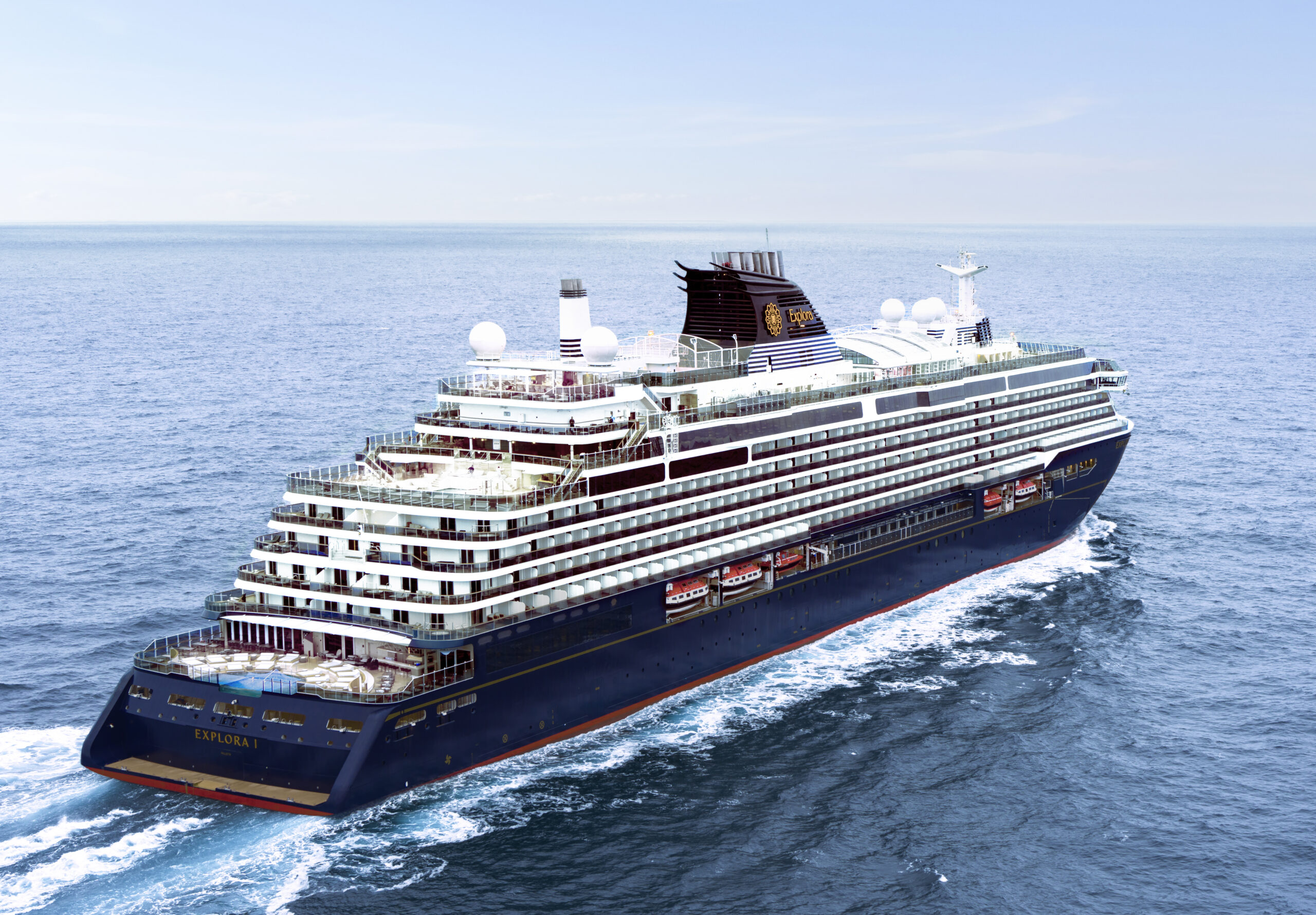
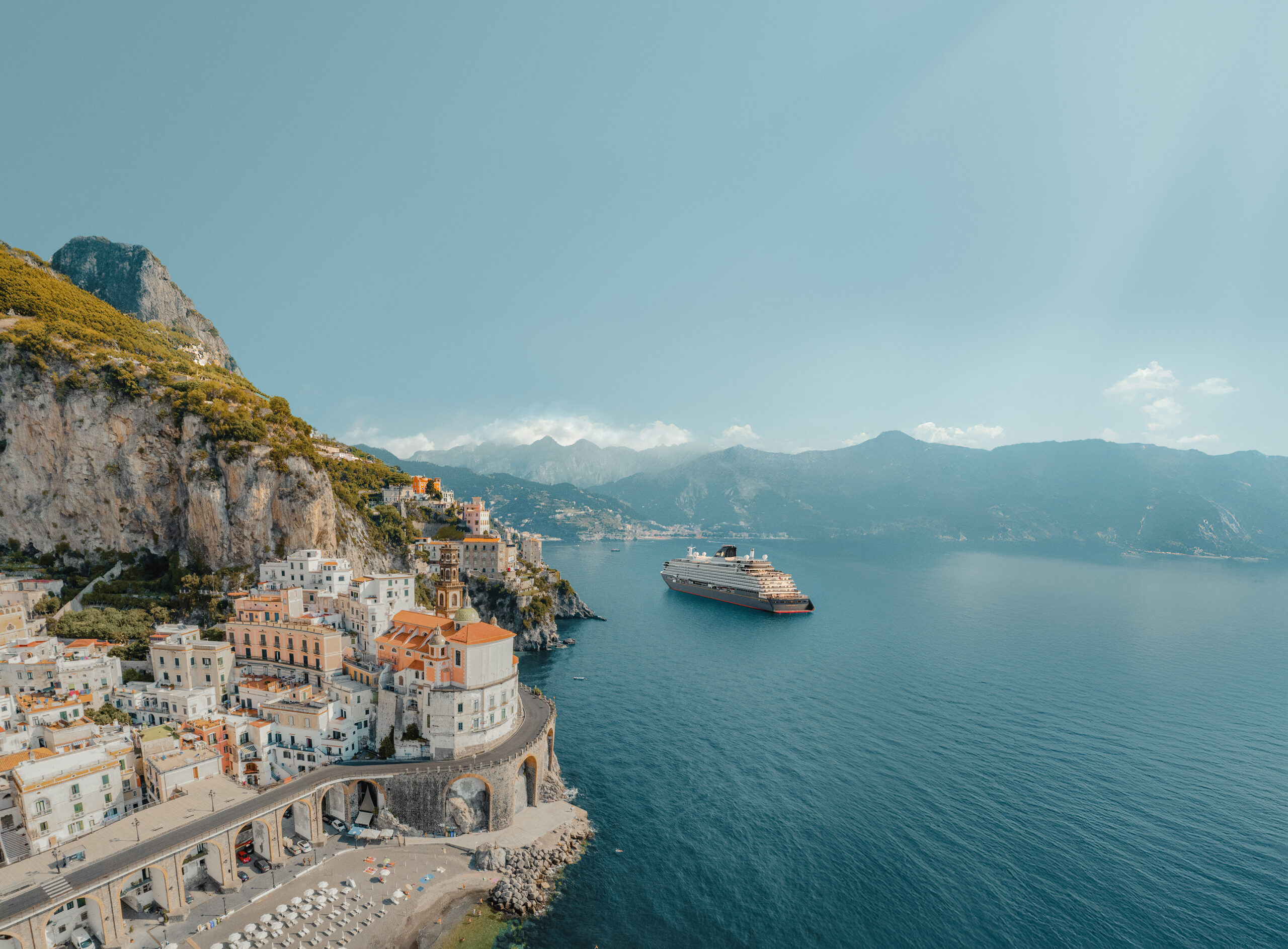
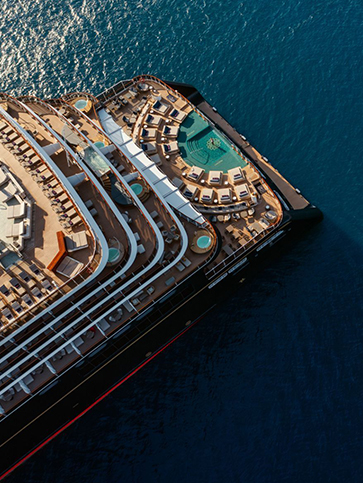
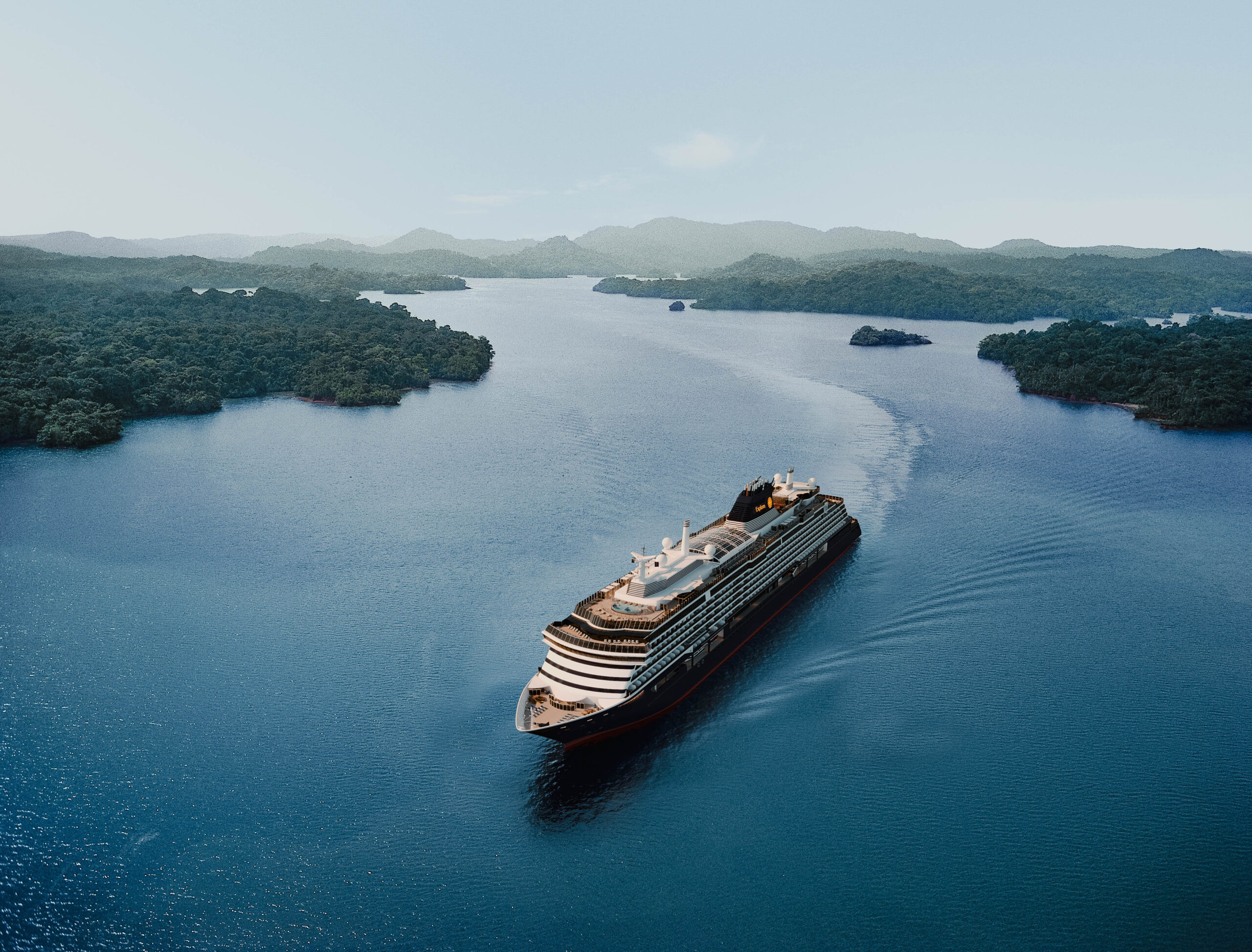
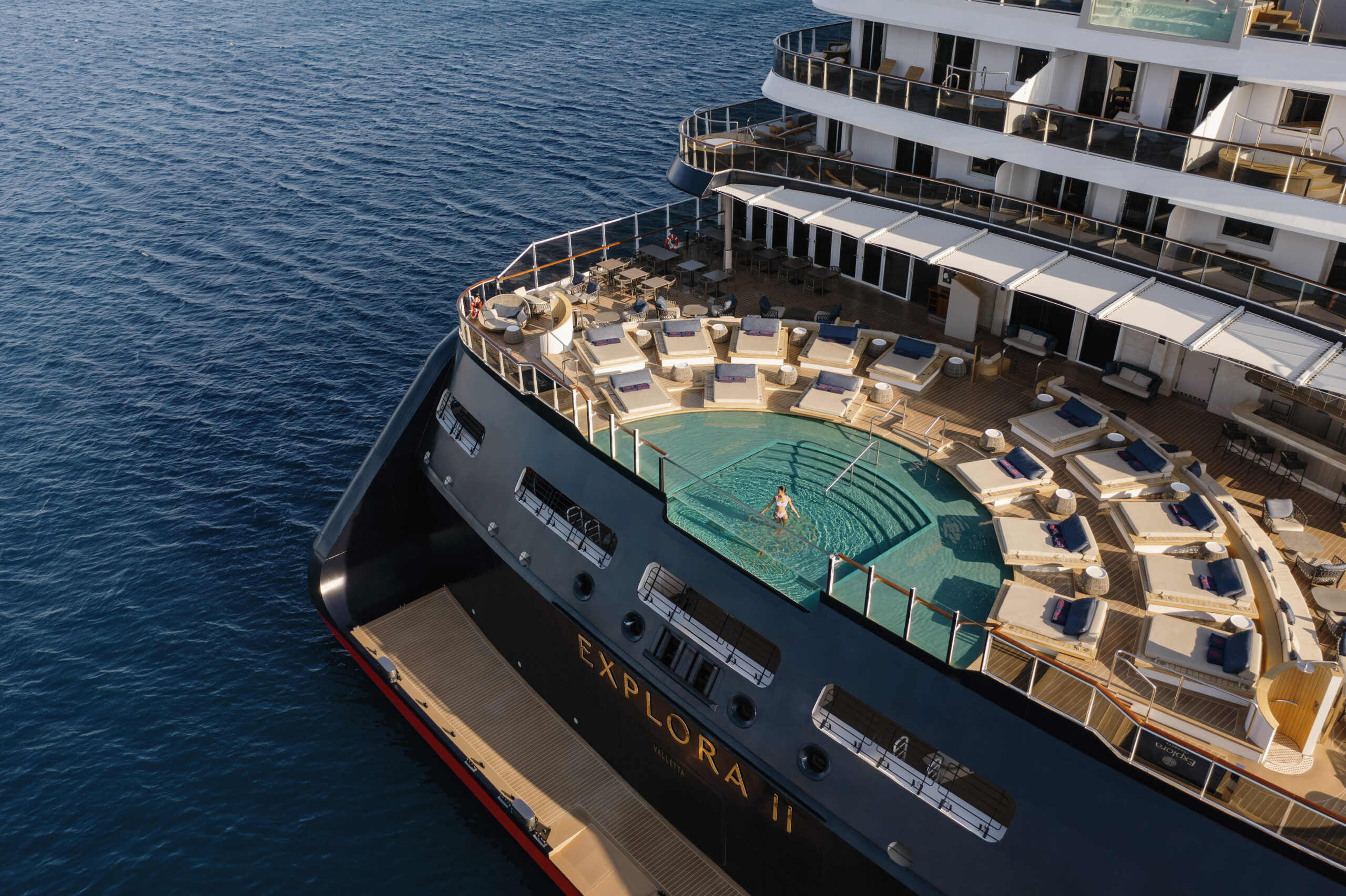
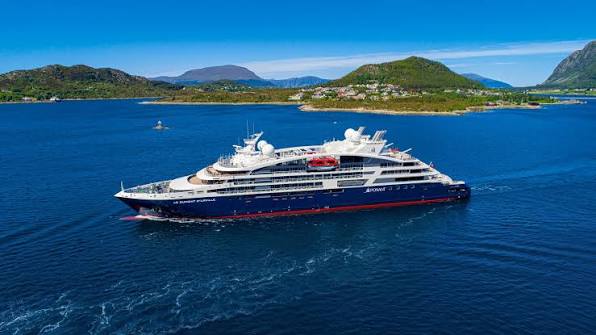
Seabourn has become the latest ultra-luxury cruise line to enter the expedition market with the launch of Seabourn Venture in 2022, followed by sister ship Seabourn Pursuit in 2023.
Seabourn Venture and Pursuit bring the trademark Seabourn style
and sophistication to the world of expedition cruising, with
interiors by designer Adam D Tihany, sumptuous veranda suite
accommodation and immersive adventure activities.
Lautoka is Fiji's second largest city, known as the 'Sugar City' due to its important role in the local sugarcane industry. The waterfront area is pleasant enough, but we'd recommend using Lautoka as a jumping off point to visit some of the smaller surrounding islands, or the forests and waterfalls of the interior.
Neiafu is the second largest city in Tonga and the capital of the Vava’u group of islands, situated next to the deep water Port of Refuge. Humpback whales pass through here between June and November, while on land the ‘Ene’io Botanical Garden is well worth a visit.
Apia is the capital of Samoa, situated on the north coast of the island of Upolu. Highlights include the colourful markets and Robert Louis Stevenson's former house, now a museum, though you may just want to use the city as a jumping off point for the beautiful beaches located further along the coast.
The sleepy island of Aitutaki is big on natural beauty, thanks to its stunning reef-enclosed lagoon. It’s also a deeply spiritual place: in the village of Arutanga you’ll find the oldest church in the Cook Islands, dating back to 1829, and services here are a spellbinding spectacle, with hymns featuring unaccompanied four-part harmonies.
Raiatea, the second largest of the Society Islands, played a vital role in the development of Polynesian culture; it was from this island that settlers departed for Hawaii and New Zealand over a millennium ago. The island feels wilder than Tahiti, with steep, jungle-covered mountains, cascading waterfalls and ancient Polynesian temples.
Huahine is perhaps the most beautiful of the Society Islands, and one of the least developed too. The laid back ambience means it’s impossible not to relax here, whether you’re on one of the gorgeous beaches or taking a stroll around the friendly village of Fare.
Papeete is the capital of French Polynesia, situated on the northwest coast of Tahiti. The port is not the most magical spot, so we advise venturing forth to luxuriate in the turquoise lagoons, relax on the white sand beaches fringed with palm trees, and explore the rugged mountain peaks.
The Fakarava atoll surrounds a deep lagoon in the west of the Tuamotu island group, scarcely populated and home to a host of rare wildlife. The entire atoll has been declared a UNESCO biosphere reserve, and the shallow coastal waters make for excellent snorkelling.
The remote South Pacific island of Pitcairn was settled by a party of British sailors and Tahitians following the famous mutiny on the HMS Bounty in 1789, and their descendants still live on the island. The tiny capital, Adamstown, has a population of around 50 people.
The enigmatic moai statues of Rapa Nui (Easter Island) remain one of the world’s most intriguing archaeological mysteries. Descendants of the Polynesian settlers who carved them still live here, though these days the island belongs to Chile, despite being separated from the mainland by over 2,000 miles of Pacific Ocean.
Chile’s cosmopolitan capital is a smart, sophisticated place, where life plays out against the stunning backdrop of the snow-capped Andean mountains. Santiago’s moneyed elite congregate in the upmarket districts of the barrio alto, while the Centro buzzes with commerce and culture, home to museums, theatres and shopping malls.
Puerto Montt is the capital of the Chilean Lake District, spread out around a wide bay against a backdrop of snow-capped volcanoes. This wild region offers a host of outdoor activities, including mountain hikes, kayaking, white water rafting, fishing, zip lining and cycling.
The little fishing village of Caleta Tortel hugs the base of a mountain, perched above turquoise waters fed by glaciers. There are no cars or horses in Caleta Tortel - instead, the piers and houses are connected together by a remarkable network of wooden boardwalks.
The remote El Brujo Glacier is situated at the end of Asia Fjord, a branch of the Peel Fjord in Chile’s spectacular Bernardo O’Higgins National Park. As you cruise along the channel you’ll see waterfalls cascading down from the snowy mountains, while the water's surface is scattered with chunks of ice.
The weather-beaten city of Punta Arenas is a laid back and welcoming place, in spite of its inhospitable location on the shores of the Strait of Magellan. Nearby attractions include penguin colonies and the dramatic scenery of Torres del Paine National Park, while beyond the horizon lie the frozen wastes of Antarctica.
Antarctica is the world’s last great wilderness, an alien landscape of snow-covered mountains, jagged icebergs and extraordinary wildlife. Visiting at the beginning of the cruise season in October or November means bigger icebergs and pristine snowy landscapes, along with the chance to see breeding elephant seals. There may still be sea ice around the Antarctic Peninsula, and temperatures are cold.
Perched on the ragged southern edge of Argentina, where the snow-capped Andes fall away into the churning sea, Ushuaia has a frontier town feel to it, and serves as the base for expeditions into the icy waters of Antarctica.
The streets of Buenos Aires are redolent of a grand old European capital, lined with elegant architecture that wouldn’t look out of place in Madrid or Paris. There is also plenty of Latin passion on display: Argentina is the home of tango, that most electrifying of dances, and has played host to countless revolutions over the years.