From Southampton to Istanbul · Mediterranean · 36 nights
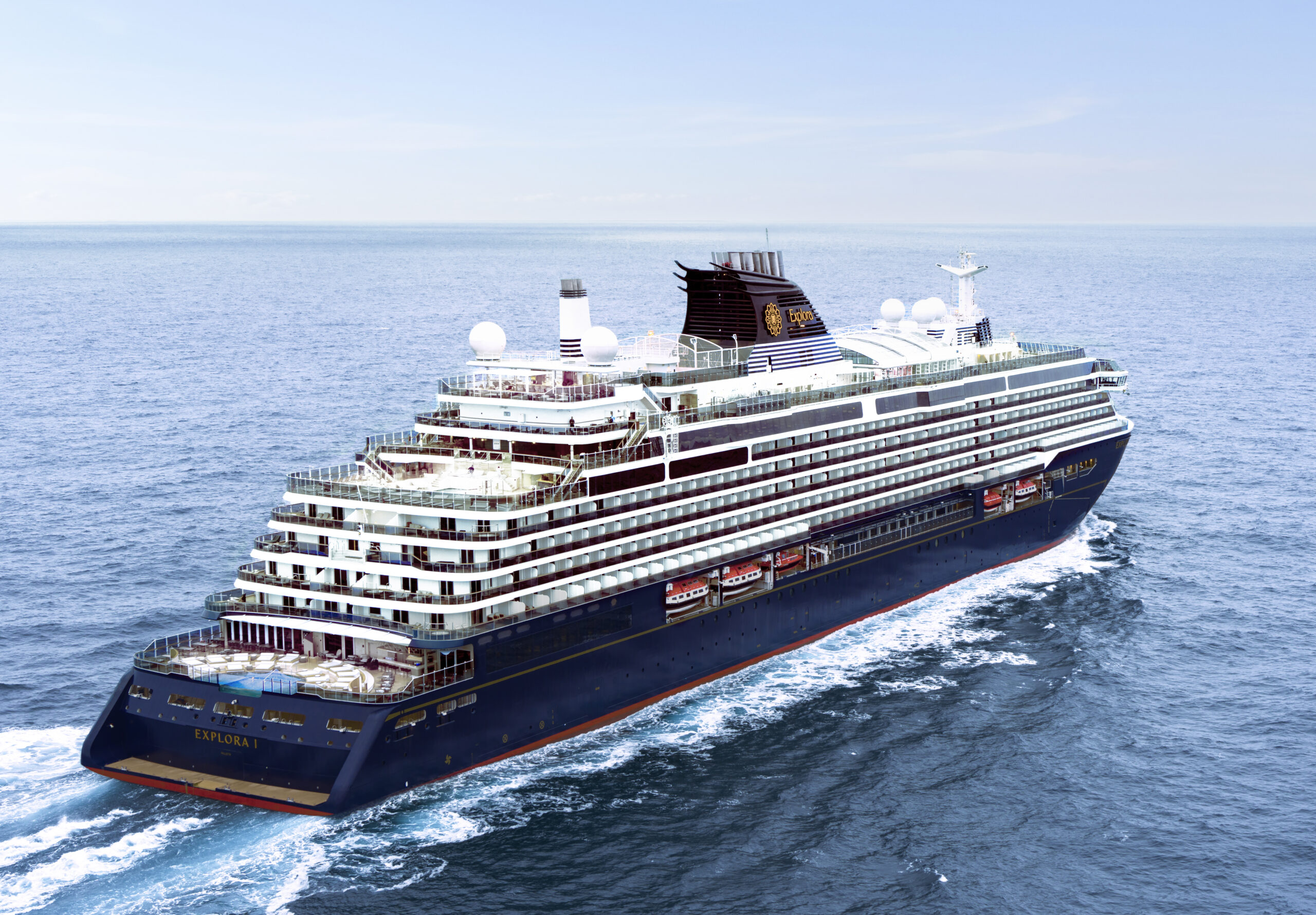
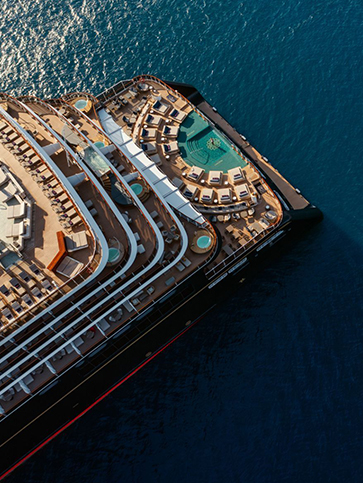
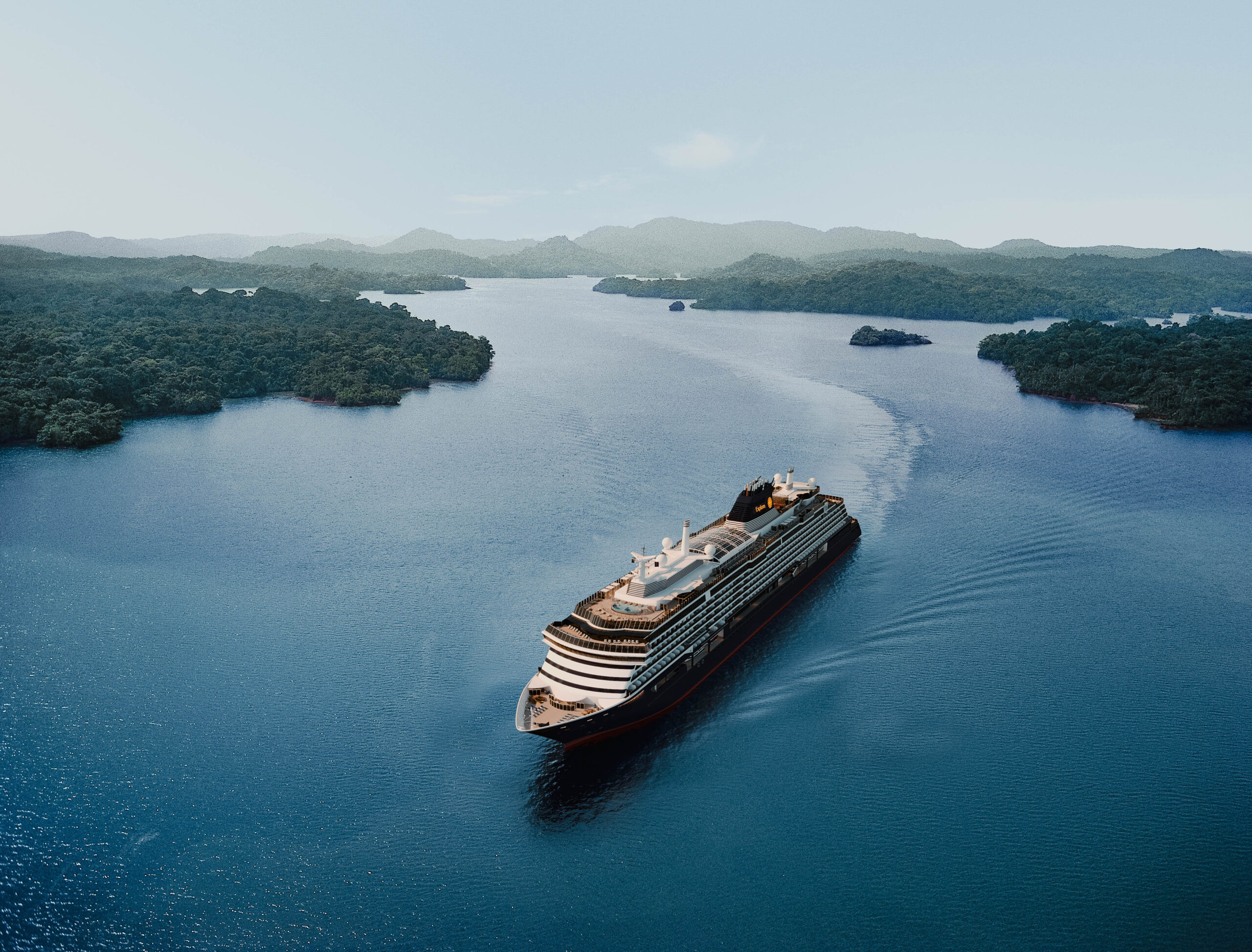
The ninth ship in the Oceania Cruises fleet, Oceania Sonata will debut in summer 2027, and will be the first vessel in a new class of ships.
Oceania Cruises’ newest ship in the fleet, Oceania Sonata, will
build upon Oceania’s hallmarks including culinary excellence and
immersive itineraries, as well as being the most spacious vessel in
the fleet. The ship will feature two brand-new dining venues and
30% of accommodations will be suites, and like the rest of the
Oceania Cruises fleet, will operate on an adults-only basis. She
will debut in summer 2027 so stay tuned for further updates…
Southampton is the UK's leading port. Bustling modern cruise terminals, as well as wharfs and commercial harbours, line the waterfront, whilst the city itself is a fascinating mix of ancient and modern, with a picturesque old town, the original city walls still standing, and super-modern shopping centres and office complexes. On all corners you will see tributes to the city's rich history and maritime heritage. Henry V marched his troops through the Westgate on his way to the battle of Agincourt, The Mayflower sailed from here with a cargo of settlers to the New World, and the Titanic started her fateful voyage here.
La Rochelle is an attractive seaside town of elegant limestone facades and agreeable weather, known as La Ville Blanche (the ‘White City’). The heart of the city is the atmospheric Vieux Port, guarded by three imposing towers which offer excellent views of the harbour and nearby islands.
It’s not so long ago that Bilbao was a grim and unappealing place, scarred by heavy industry, but the Basque Country’s biggest city has reinvented itself as a cultural hub since the opening of the shimmering Guggenheim Museum in 1997.
Gijón is the largest city in the Asturias region of northern Spain, an important industrial port but also a lively and youthful place, ideally positioned for exploring the Costa Verde. The most interesting area is the historic fishing village of Cimadevilla, which sits on a peninsula that divides the bay in two.
La Coruña is the largest city in Galicia, a beautiful region of lush green countryside and wild, windswept beaches. Historical sights of note include the Tower of Hercules, a UNESCO-listed Roman lighthouse, and the city is also home to some great seafood restaurants.
Vigo is the biggest city in Galicia, Spain’s verdant northwest corner. The city itself is a busy fishing port with limited tourist appeal, but it’s a great base for striking out into the countryside, visiting the lovely Cíes Islands just offshore or joining the pilgrims in Santiago de Compostela, 60 miles to the north.
Blessed with a dramatic setting on the steep banks of the river Douro, Portugal’s second city is currently enjoying something of a renaissance, and is best known as the home of the country’s most famous export, port wine.
Spread across steep hillsides that overlook the Rio Tejo, Lisbon’s colourful cityscape includes Gothic cathedrals, majestic monasteries and quaint museums. But for many the best times will be had wandering the narrow lanes of Lisbon’s lovely backstreets, with their great local food, wine and music.
Portimão is a bustling fishing port and gateway to the Algarve, with a pleasant riverside promenade where the smell of sizzling sardines fills the air. The most popular attraction is Praia da Rocha just to the south, one of the Algarve’s loveliest beaches.
Málaga boasts plenty of chic restaurants and bars where you can ease into the rhythms of life in southern Spain, before exploring sights including the intriguing, unfinished Gothic cathedral, and a museum devoted to the city's most famous son, Pablo Picasso.
Much more than just a gateway to the Costa Blanca, Alicante is an attractive and atmospheric city with plenty to recommend it. Founded by the Romans, then ruled by the Arabs for 500 years, the city has a rich history and a lovely old town, along with superb beaches and an excellent modern art museum.
From the warren-like medieval streets of the Barri Gòtic to the fantastical modernist architecture of Antoni Gaudí, from the dizzy heights of Mount Tibidabo to the golden sands of Barceloneta, there’s never a dull moment in Barcelona.
The rumbustious port of Marseille often gets a bad press, but the city has been transformed in recent years, with a host of new cultural attractions. The vibrant Vieux Port remains at the heart of life in Marseille, however, and is the best place to begin your exploration of the city’s many historic sights.
The faded port town of Livorno serves as a gateway to Tuscany’s star attractions. Wonderful Florence, the cradle of the Renaissance, is resplendent with beautiful architecture and unrivalled artistic treasures, while nearby Pisa is of course famous for its precarious Leaning Tower.
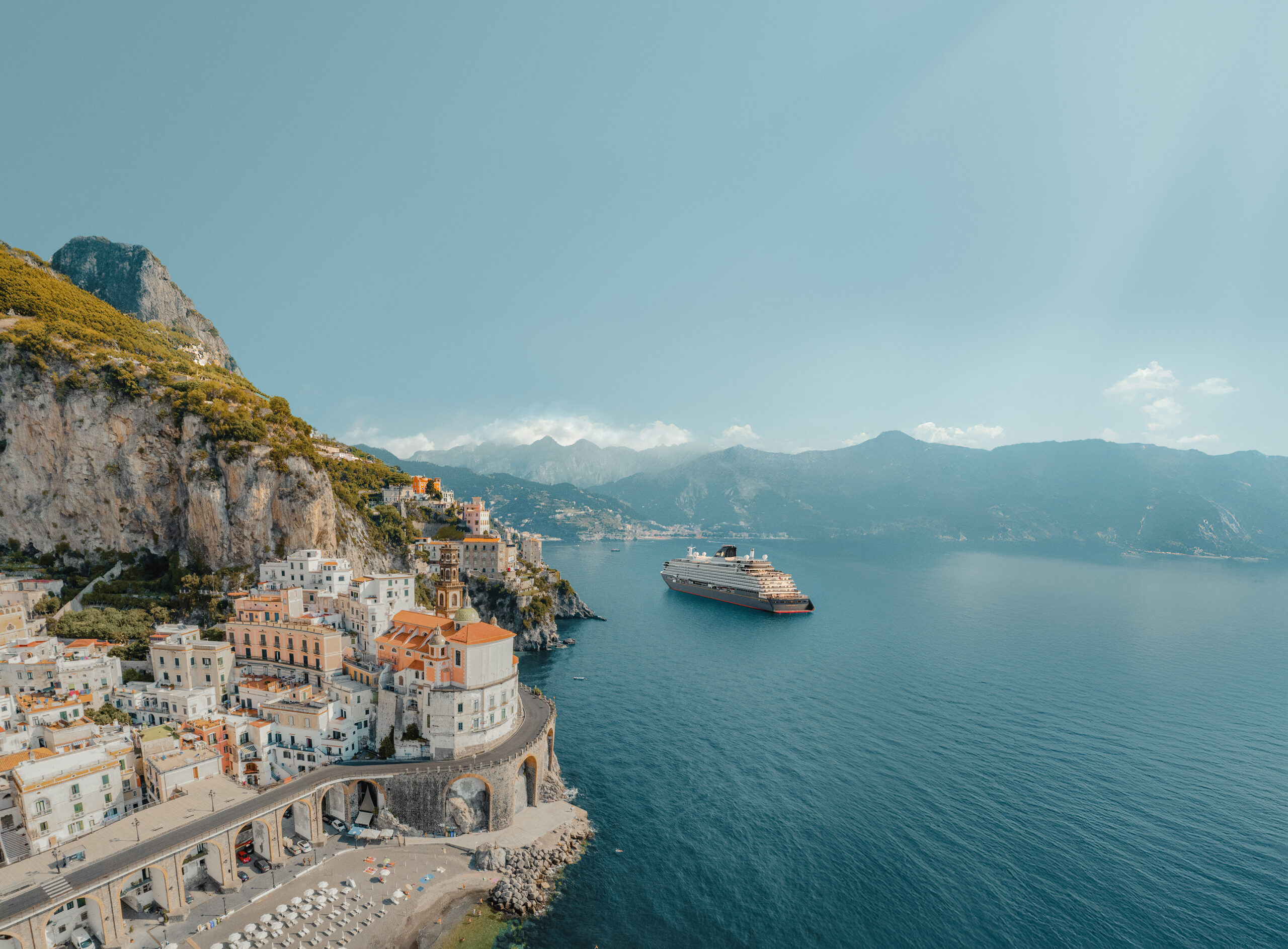
Salerno is the capital of the Campania region, an attractive city at the eastern end of the Amalfi Coast. The historic centre and beautiful seafront promenade are well worth exploring, and the ruins at nearby Paestum make for an interesting day trip.
Busy, noisy and a little bit scruffy, Catania is Sicily’s second city, poised perilously in the shadow of Mount Etna. In recent years gentrification has taken hold, and the city’s many beautiful palazzi and baroque churches have been restored to their former glory. Eating out here is also a real treat.
Corfu, known as Kerkyra in Greek, is a beautiful island of verdant hills and rocky coves, and away from the more crowded resorts it remains a sleepy and idyllic place. Don’t miss the picturesque Venetian architecture of Corfu Town, a UNESCO World Heritage Site.
Almost encircled by the territory of neighbouring Slovenia, the Adriatic port of Trieste has always stood slightly apart from the rest of Italy, and the city’s former status as a free port under Austrian rule is reflected in the handsome Habsburg architecture.
The gritty port city of Rijeka isn’t a huge tourist draw, with most visitors passing through en route to the islands or the neighbouring seaside resort of Opatija, although the city centre is home to some handsome Austro-Hungarian architecture.
Hvar is the most popular of Croatia’s islands, a ruggedly beautiful place carpeted with lavender fields and dotted with little villages. The island’s capital, Hvar Town, is a charming collection of marble streets arranged around a harbour, and it gets very busy in the summer months.
Sarandë is southern Albania’s premier seaside resort, and in summer the population swells with day-trippers from nearby Corfu. If the beach doesn’t appeal then visit the fascinating archaeological remains at Butrint, or take a dip in the refreshing waters of the beautiful Blue Eye Spring.
Rugged Kefalonia is the largest of the Ionian islands, and remains unspoilt by tourism despite earning fame as the setting for ‘Captain Corelli’s Mandolin’. The island rewards exploration, with some splendid beaches and lovely little villages, and the vineyards here produce some excellent wines.
Chania, Crete’s second city, is an alluring blend of architectural styles. The jumble of streets that make up the Venetian old town are remarkably intact, and there are plenty of reminders too of the two centuries of Ottoman rule, such as the imposing harbourfront Mosque of the Janissaries.
Glamorous Mykonos is the most popular of the Cyclades islands, well known as a haunt of the rich and the famous. It’s also the gateway to the nearby island of Delos, home to one of the most important archaeological sites in Greece.
Athens is a city awash with historical and cultural significance, but it's much more than an open air museum; this is a dynamic, bustling metropolis, and a place where history is still very much unfolding.
Paros gleams with a classic Cycladic colour palette of whitewashed houses and blue-domed churches, and is famous for its ancient marble quarries, which provided the raw material for the Venus de Milo. The island is also home to some great restaurants, peaceful inland villages and lovely beaches.
Crete’s bustling capital is a modern and cosmopolitan city, where the island’s rich history isn’t immediately apparent. Take a closer look, however, and you’ll find a fantastic archaeological museum, along with remnants of Venetian fortifications and a lively seafront promenade, with plenty of nice outdoor cafés.
Sun-kissed Rhodes, the largest of the Dodecanese islands, is steeped in history; the medieval heart of Rhodes Town was once home to the crusading Knights of St John, and later fell to the Ottoman sultan Suleiman the Magnificent. The hillside village of Lindos, with its pretty whitewashed houses, is another highlight.
Saint John is said to have written the Book of Revelations in a cave on Patmos, and today the spot is marked by the hillside Monastery of the Apocalypse. As well as spirituality, the island is known for its beaches and upmarket vibe, with a scattering of stylish restaurants and bars.
The Turkish port of Izmir, formerly the Greek city of Smyrna, is a liberal and progressive place where the secularism of Ataturk remains strong. During the Ottoman era this was a melting pot of ethnic groups including Armenians, Jews and Italians, and a cosmopolitan atmosphere persists to this day.
Istanbul is the place where East meets West, where Asia Minor reaches out across the Bosphorus and almost touches Europe, and the city remains a bristling, bustling cultural melting pot, the skyline dotted with magnificent minarets and domes.