From Reykjavík to Montréal · North America · 17 nights
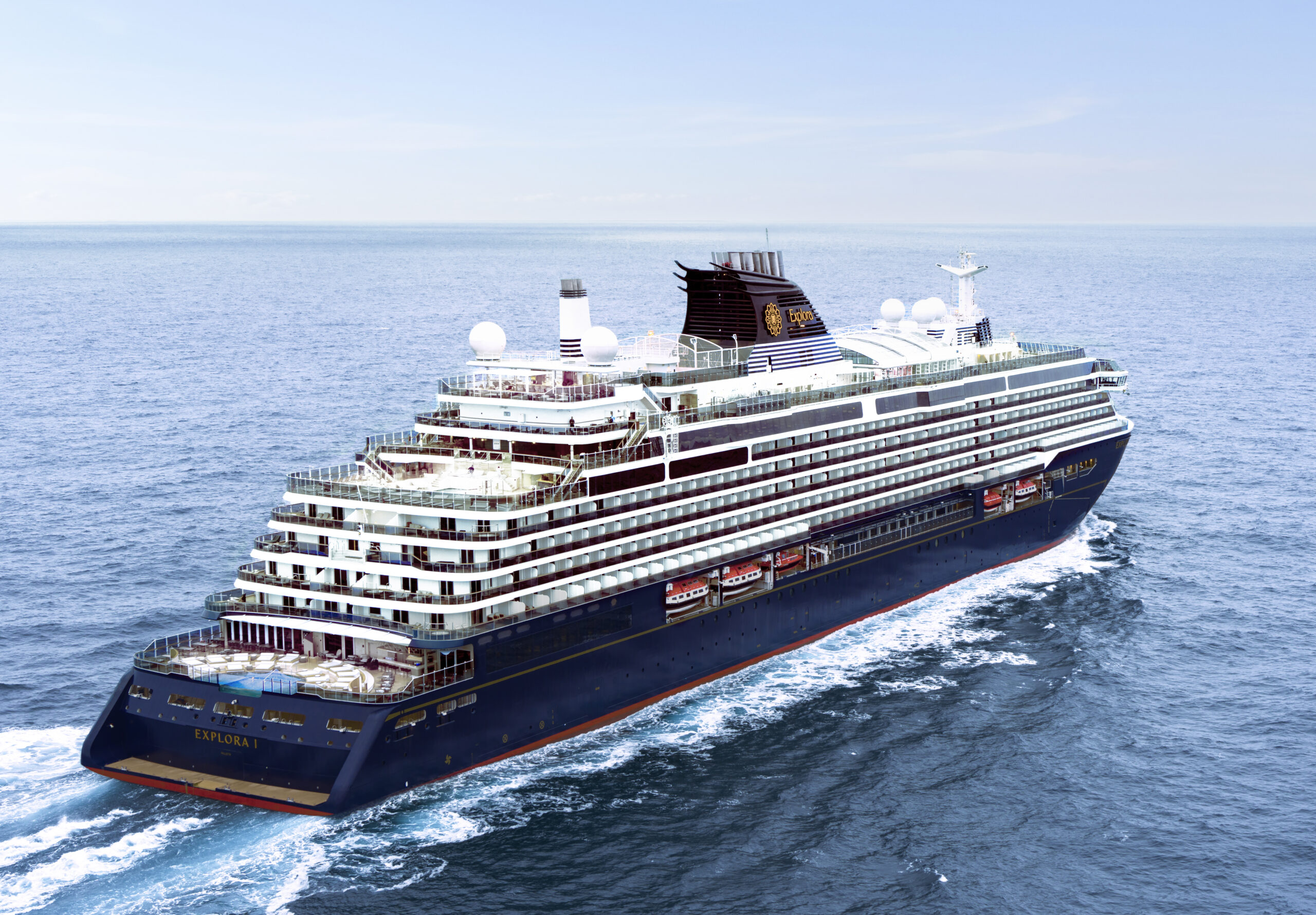
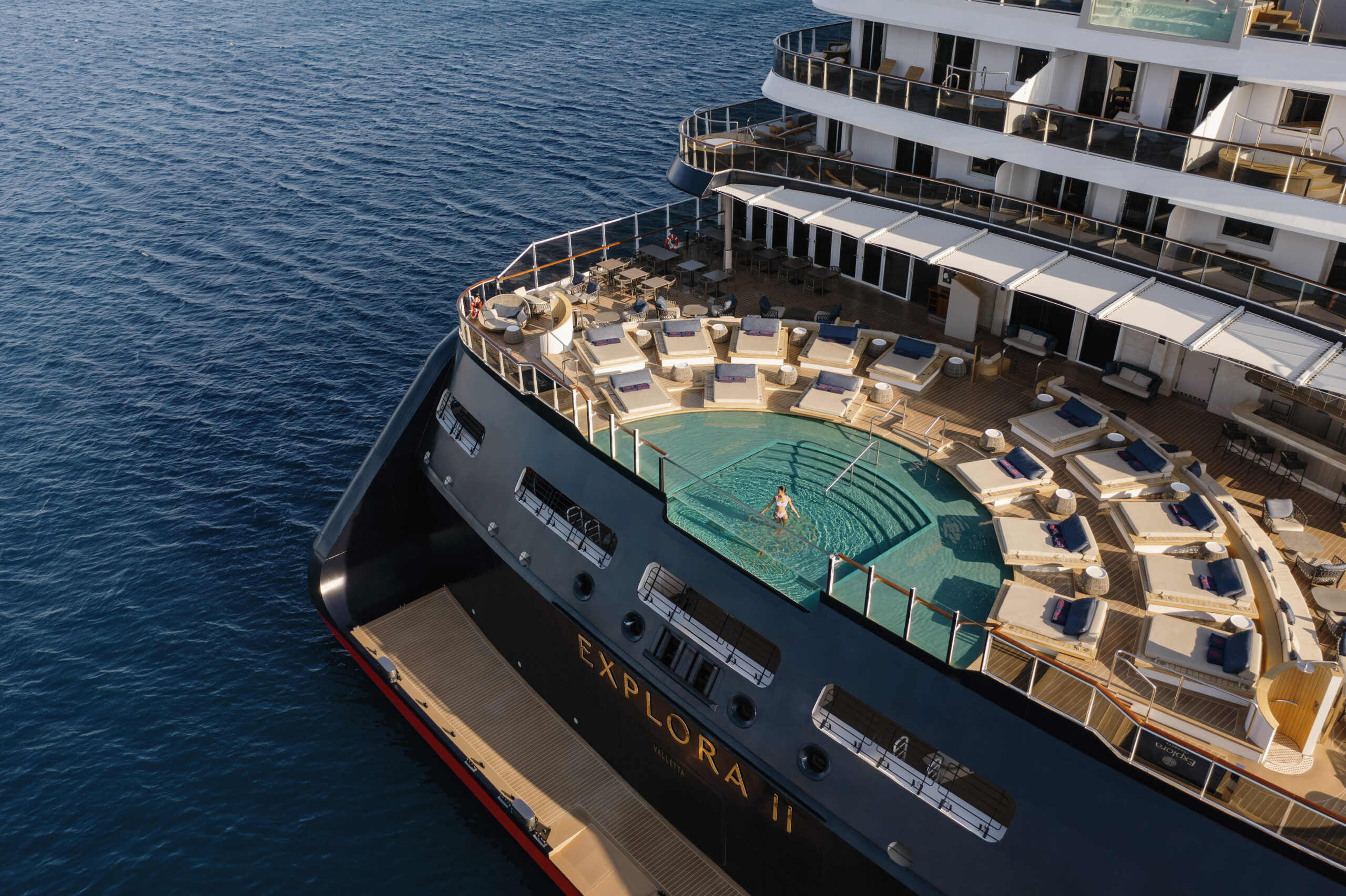
These spacious and elegant sisters are the perfect choice for a combination of contemporary style and expert hospitality.
When Seabourn built these 458-guest ships we were delighted. Not
only because each one is beautiful, but also because their
similarity means that they are interchangeable, enabling you to
travel all over the world in a familiar environment.
Fly to Reykjavik and transfer to The Reykjavik EDITION for a two-night stay. Explore the small and charming city - visit the impressive Hallgrímskirkja church, relax in a thermal pool, potter around the old harbour, and see the Sun Voyager sculpture. You can also venture inland to the island's dramatic waterfalls and geysers. Then join Seabourn Quest for your 14-night cruise.
Capital of Iceland and gateway to this extraordinary volcanic island, modern Reykjavík is home to an impressive collection of interesting attractions and places of historic significance. Visit the impressive Hallgrímskirkja church, relax in a thermal pool, potter around the old harbour, and enjoy 24 hour daylight in the summer months.
The little fishing town of Grundarfjörður enjoys a picturesque setting on the Snæfellsnes Peninsula, surrounded by dramatic volcanic peaks and gushing waterfalls. The nearby Snæfellsjökull volcano, capped by a glacier, was made famous by Jules Verne in ‘Journey to the Centre of the Earth’.
Ísafjörður is the largest town in Iceland’s wild Westfjords, dramatically located on a spit of sand hemmed in by mountains on three sides. The town itself is fairly low key, and the main attraction is exploring the surrounding landscapes, such as the spectacular Hornstrandir Peninsula.
The spectacular Prince Christian Sound provides a protected passage for ships rounding the southern tip of Greenland, at times narrowing to just 1,500 feet across. Waterfalls cascade down the rugged mountain sides, and you can often spot whales and seals amongst the icebergs.
Nanortalik is the southernmost city in Greenland, and sits on a small island at the mouth of the Tasermiut fjord. The name means ‘the place of polar bears’, since bears come to hunt on the sea ice in summer, and the town is also known for its unique choir singing culture.
Qaqortoq is southern Greenland’s largest town, though with just 3,000 inhabitants it’s hardly crowded. A trip to the nearby hot springs at Uunartoq is recommended; relaxing in the 38°C water and watching icebergs drift across the bay is quite something.
St Anthony sits right at the tip of Newfoundland’s Great Northern Peninsula, first settled by French and Basque fishermen in the 16th century. Off the coast you can see whales and icebergs that have drifted here from Greenland, while nearby attractions on land include the fascinating Norse site of L’Anse aux Meadows.
The rugged Gaspé Peninsula is one of the most beautiful landscapes in the Canadian Maritimes, and the waters off the coast are a whale watching hotspot. Highlights include Forillon National Park, home to wildlife including moose and bears, and Bonaventure Island, where you’ll find one of the world’s biggest gannet colonies.
Québec City, the capital of French-speaking Canada, is one of the North American continent’s most beguiling cities. The pretty old town, a UNESCO World Heritage Site, is a joy to behold; the cobbled streets and church spires are enclosed within the old city walls, and many of the buildings date back to the 17th century
Bilingual Montréal is Québec’s largest city, a vibrant island metropolis with a distinctive blend of old style European charm and thrusting modernity. Architectural highlights include the beautiful Basilique Notre-Dame-de-Montréal, and the city also boasts the world’s third largest botanical garden.