From Reykjavik to Rio de Janeiro · North America · 57 nights
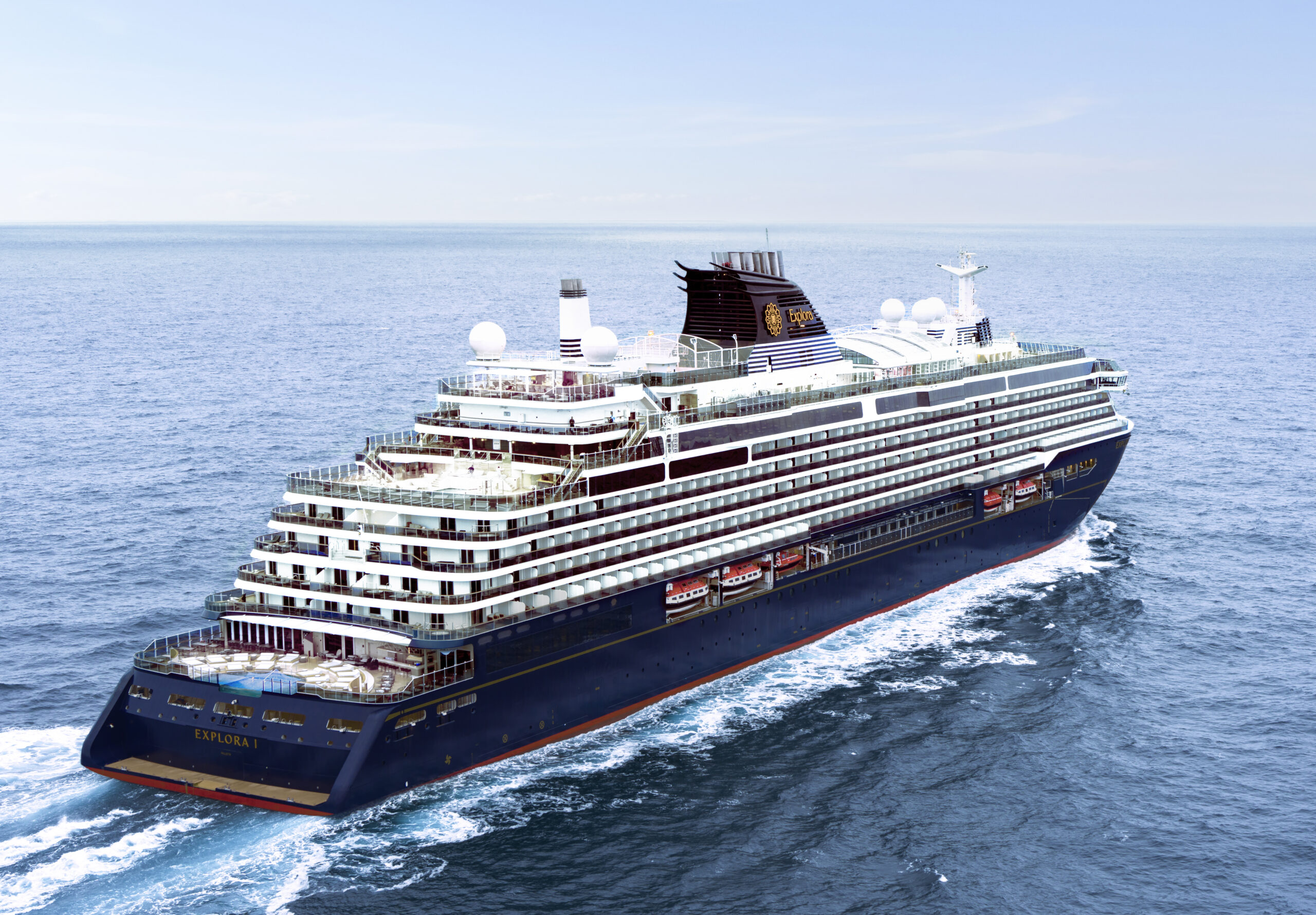
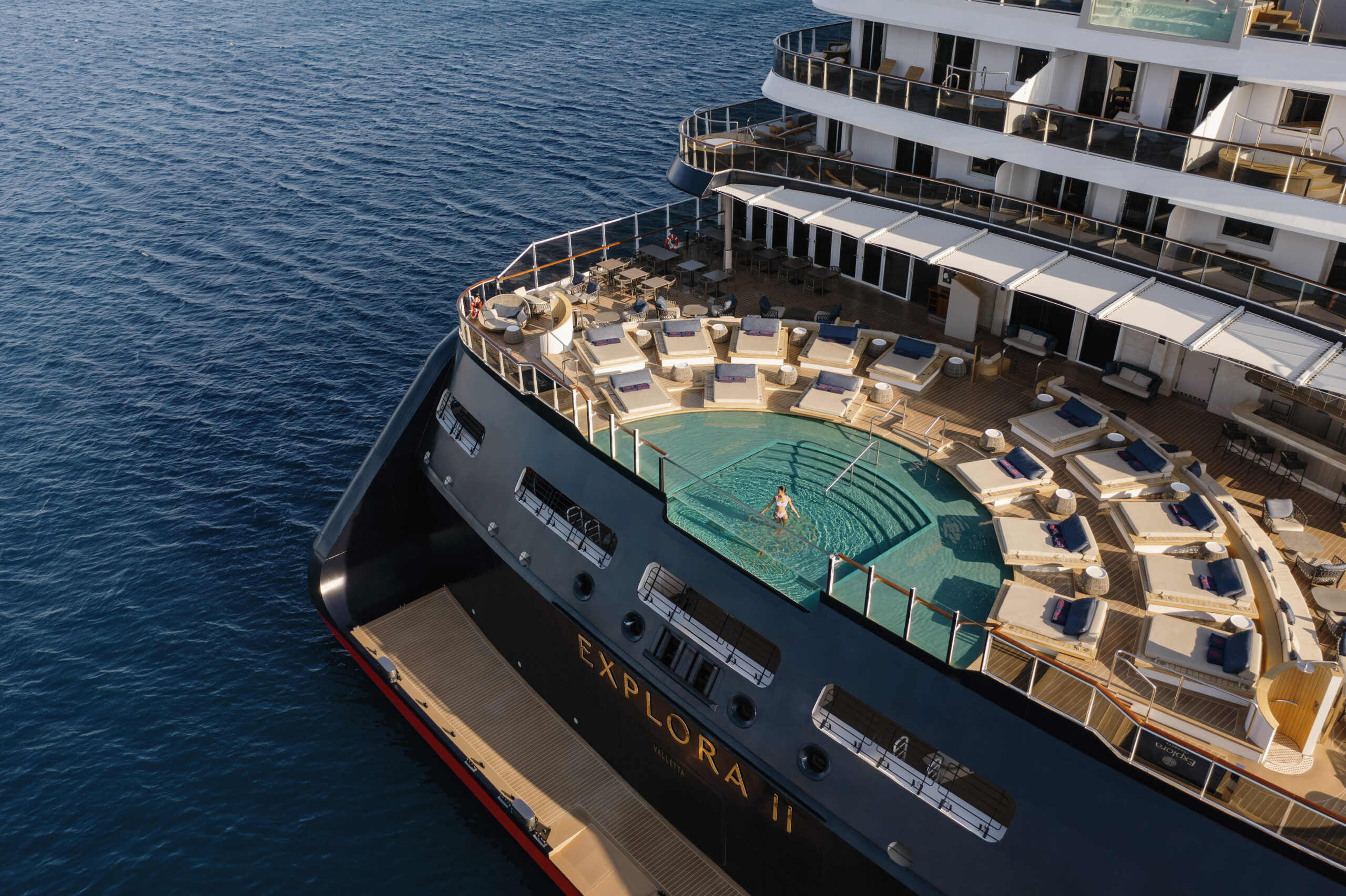
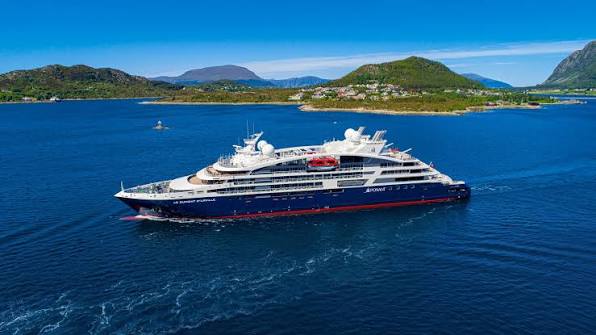
Seabourn has become the latest ultra-luxury cruise line to enter the expedition market with the launch of Seabourn Venture in 2022, followed by sister ship Seabourn Pursuit in 2023.
Seabourn Venture and Pursuit bring the trademark Seabourn style
and sophistication to the world of expedition cruising, with
interiors by designer Adam D Tihany, sumptuous veranda suite
accommodation and immersive adventure activities.
Capital of Iceland and gateway to this extraordinary volcanic island, modern Reykjavik is home to an impressive collection of interesting attractions and places of historic significance. Visit the impressive Hallgrímskirkja church, relax in a thermal pool, potter around the old harbour, and with 24 hour daylight in the summer months, you can play golf at midnight, or choose the perfect place to view the midnight sun such as the lighthouse at Grotta or on the waterfront by Sólfar - the Sun Voyager sculpture. If you're like us, you will find travelling out of Reykjavik by land or sea to be unforgettable.
Founded in 1941 as a US Air Force base, Kangerlussuaq is home to Greenland’s main airport and a place that most visitors to the country will pass through at some point. The town also offers easy access to the magnificent Greenland Ice Cap, and the surrounding countryside is a great place to see the Northern Lights.
Greenland’s capital and largest town, Nuuk is positively cosmopolitan compared to the rest of this remote and isolated country. The setting amongst mountains and fjords is striking, and attractions include the Greenland National Museum and the picturesque Old Harbour.
The Arctic city of Iqaluit is the capital of Nunavut, Canada’s northernmost territory. It’s a surprisingly cosmopolitan place given its isolation and polar climate, and is an important centre for contemporary Inuit culture; make sure you check out the fascinating Nunatta Sunakkutaangit Museum.
The remote community of Cambridge Bay is located on the southeast coast of Victoria Island, part of the Canadian territory of Nunavut. It’s the largest stop for ships transiting the Northwest Passage, despite a population of less than 2,000, and it's a great place to learn about the wildlife of the Arctic and the culture of the Inuit people who live here.
The name Sisimiut means ‘the people living in a place where there are fox dens’, though these days the town is better known for being Greenland’s northernmost year-round ice-free port. Around 25 miles north of the Arctic Circle, it’s a common stop for ships making the journey north to Disko Bay.
Founded in 1941 as a US Air Force base, Kangerlussuaq is home to Greenland’s main airport and a place that most visitors to the country will pass through at some point. The town also offers easy access to the magnificent Greenland Ice Cap, and the surrounding countryside is a great place to see the Northern Lights.
Greenland’s capital and largest town, Nuuk is positively cosmopolitan compared to the rest of this remote and isolated country. The setting amongst mountains and fjords is striking, and attractions include the Greenland National Museum and the picturesque Old Harbour.
The archaeological site of L’Anse aux Meadows, on the northern tip of Newfoundland, is the only confirmed site of Norse settlement in North America. Vikings arrived from Iceland and Greenland some 500 years before Columbus, and you can visit the reconstructed timber and peat-turf homes that they built.
The natural harbour at Halifax is the second largest in the world after Sydney, and this charming city has a proud maritime heritage. Take a stroll along the historic waterfront, delve into the vibrant arts scene or explore the beautiful coastal scenery of Nova Scotia.
The beach at South Friars Bay is a lovely sweep of golden sand at the southern end of St Kitts, although it can get a little busy when the larger cruise ships are docked on the island. There are several bars and restaurants along this half-mile stretch, with watersports equipment and loungers available to rent.
Montserrat garnered global attention in 1995 when the Soufrière Hills volcano erupted, burying the island’s capital, Plymouth. Although an exclusion zone is still in place in the south, visitors are often surprised by how lush and unspoilt the rest of the island is, home to a colourful variety of birdlife.
The majority of Saint Lucia’s hotels are clustered around the broad sweep of Rodney Bay, where you’ll find some of the best beaches on the island and a host of lively bars and restaurants. At the northern end of the bay is Pigeon Island and historic Fort Rodney, well worth a visit for the splendid views.
There’s more to Barbados than just beaches; the delightful architecture of the old garrison in Bridgetown, the capital, is fully deserving of its UNESCO World Heritage status, and the island interior is littered with old sugar plantations and natural wonders such as Harrison’s Cave.
Trinidad’s main industries are oil and gas rather than tourism, and this is reflected in Port of Spain’s skyscrapers and urban sprawl, quite a contrast with other Caribbean capitals. It's a bustling melting pot famed for its boisterous carnival, but beyond the city limits lies a beautiful island of waterfalls, rainforests and colourful birdlife.
The Iles de Salut, a trio of islands more popularly known as Devil’s Island, were the site of a French penal colony which gained notoriety thanks to the harsh treatment of inmates. As well as the overgrown ruins of the prison, which closed in 1953, the islands are today also home to a surprisingly rich variety of wildlife.
Situated on Brazil’s northeastern coast, the sprawling city of Fortaleza is best known for its beaches and nightlife, and it’s also a major seaport. There isn’t a huge amount in the way of sights, though the Mercado Central is good for shopping and there are some nice beach bars along the Praia do Futuro.
Natal takes its name from the Portuguese word for Christmas, since the city was founded on Christmas Day in 1599. The local tourist industry is focused mostly on the region’s beautiful beaches, and a buggy ride along the huge sand dunes is a popular activity.
Colourful Salvador is Brazil’s third biggest city and a vibrant centre for Afro-Brazilian culture, with frequent festivals that fill the streets with music and dancing. The historic core of the old city is the biggest tourist magnet, where elegant, brightly hued colonial buildings line the cobbled streets.
Once just a sleepy fishing village on a picturesque peninsula, Búzios was put firmly on the map by Brigitte Bardot, who holidayed here in the 1960s. These days it’s an upmarket beach destination, with a host of luxury hotels, sophisticated restaurants and chic boutiques.
Paraty is a beautiful colonial town to the west of Rio de Janeiro, surrounded by stunning beaches and set against a backdrop of jungle-covered mountains. The cobbled streets are closed off to traffic, which makes wandering amongst the pretty whitewashed buildings all the more enjoyable.
The carnival capital of the world, Rio de Janeiro needs little introduction. We can think of few cities in the world that are able to compete when it comes to location: hugging the beautiful sandy shore and surrounded by jungle-clad islands and mountains, including the iconic Corcovado, the setting for Brazil’s most vibrant city is simply breathtaking.