
From Rouen to Barcelona · Mediterranean · 24 nights
From Rouen to Barcelona
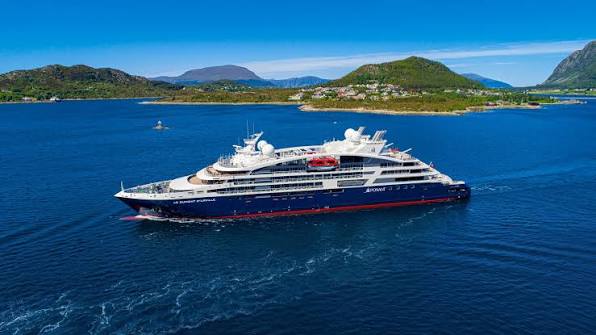
Windstar’s new sister ships, Star Seeker and Star Explorer, will each have 112 suites and a staff-to-guest ratio of 1:2, offering Windstar’s brand of laid-back luxury with some enhancements.
Each yacht will maintain the intimate atmosphere of Windstar’s
other ships, and will feature Windstar’s classic watersports
platform with new staircase access, as well an intimate forward
whirlpool and spacious open deck perfect for Windstar’s famous deck
barbecues, alongside a two-level spa and fitness centre. Dining
options include dishes from James Beard Foundation-affiliated
chefs, as well a Yacht Club café and lounge. Star Seeker joined the
fleet in December 2025, and Star Explorer will join in December
2026.
Rouen has endured a turbulent history: it was here that Joan of Arc was burnt at the stake in 1431, and much of the city was destroyed during World War II. Many cruise visitors head straight for Paris, an hour away by train, which is a real shame since there's so much to see in Rouen itself, including a beautiful cathedral, the atmospheric Medieval quarter and museums aplenty.
Situated on the southern bank of the Seine estuary, Honfleur was once one of France’s most important ports. It was also a favourite location of Monet and the Impressionists, and art lovers may well recognise the elegant Renaissance architecture of the old harbour, the Vieux Bassin.
Caen was founded by William the Conqueror in the 11th century, and the beautiful Abbaye aux Hommes is his last resting place, though only a thigh bone remains. Caen was heavily damaged during the Second World War, and there are several D-Day sites nearby; learn more at the city's excellent Memorial Museum.
Saint-Malo grew rich off the back of maritime trade and its plundering corsairs, a seafaring heritage that is still proudly on display today. It’s great fun getting lost in the streets of the walled old town, and the famous medieval abbey of Mont Saint-Michel is an easy day-trip.
The island of Guernsey draws visitors south from the British mainland with its more favourable climate and beautiful coastline. The capital, St Peter Port, is a lovely little town of cobbled streets and elegant architecture, and there are also several interesting museums dedicated to the Nazi occupation of the island.
Bordeaux sits at the centre of the world's most famous wine region, and is home to a beguiling blend of beautiful buildings, sophisticated gastronomy and high culture. It's a marvellous place to spend some time, whether it's a day sampling wines, an evening at the opera or a night on the tiles.
Biarritz basks in its reputation as a glitzy seaside resort, where the emperor Napoleon III’s wife Eugenie famously built a palace on the beach in 1854 (now the Hotel du Palais). The glamour of old also lingers on in the town’s belle époque villas, while the broad sandy beach is a popular spot for surfers.
The lovely little city of San Sebastián, set on the golden sands of Playa de la Concha, is a real foodie favourite, famous for its Michelin-starred restaurants and bars serving pintxos (Basque tapas). Spend some time exploring the buzzing old town, and take the funicular to the top of Monte Igueldo for magnificent views.
It’s not so long ago that Bilbao was a grim and unappealing place, scarred by heavy industry, but the Basque Country’s biggest city has reinvented itself as a cultural hub since the opening of the shimmering Guggenheim Museum in 1997.
Gijón is the largest city in the Asturias region of northern Spain, an important industrial port but also a lively and youthful place, ideally positioned for exploring the Costa Verde. The most interesting area is the historic fishing village of Cimadevilla, which sits on a peninsula that divides the bay in two.
Vigo is the biggest city in Galicia, Spain’s verdant northwest corner. The city itself is a busy fishing port with limited tourist appeal, but it’s a great base for striking out into the countryside, visiting the lovely Cíes Islands just offshore or joining the pilgrims in Santiago de Compostela, 60 miles to the north.
Blessed with a dramatic setting on the steep banks of the river Douro, Portugal’s second city is currently enjoying something of a renaissance, and is best known as the home of the country’s most famous export, port wine.
Spread across steep hillsides that overlook the Rio Tejo, Lisbon’s colourful cityscape includes Gothic cathedrals, majestic monasteries and quaint museums. But for many the best times will be had wandering the narrow lanes of Lisbon’s lovely backstreets, with their great local food, wine and music.
Seville is a wonderful destination, a sophisticated and sun-kissed city on the banks of the Guadalquivir river. It’s a treat for all the senses, from the smell of orange blossom to the heart-tugging sounds of flamenco, and the highlight of the calendar is undoubtedly Semana Santa, when a spectacular Easter parade fills the streets.
After years of neglect, Tangier is finally being restored to its former glory as a cosmopolitan crossroads between Europe and Africa. The Moroccan government has invested heavily in modern infrastructure, while the spruced up medina shines with a new-found cultural dynamism.
Cartagena was founded by the Carthaginians around 227 BC, who named it after their home city in North Africa. These days the city is best known for its well-preserved Roman theatre, which was remarkably only discovered in 1987, in spite of its location in the centre of town.
Spain’s third city is a dazzling destination that combines historic architecture, cutting edge design and an inviting stretch of beach. Don’t miss the futuristic City of Arts and Sciences, designed by local architect Santiago Calatrava, or the old riverbed, now a delightful park.
From the warren-like medieval streets of the Barri Gòtic to the fantastical modernist architecture of Antoni Gaudí, from the dizzy heights of Mount Tibidabo to the golden sands of Barceloneta, there’s never a dull moment in Barcelona.