From Broome to Santiago (San Antonio) · Australia & New Zealand · 64 nights
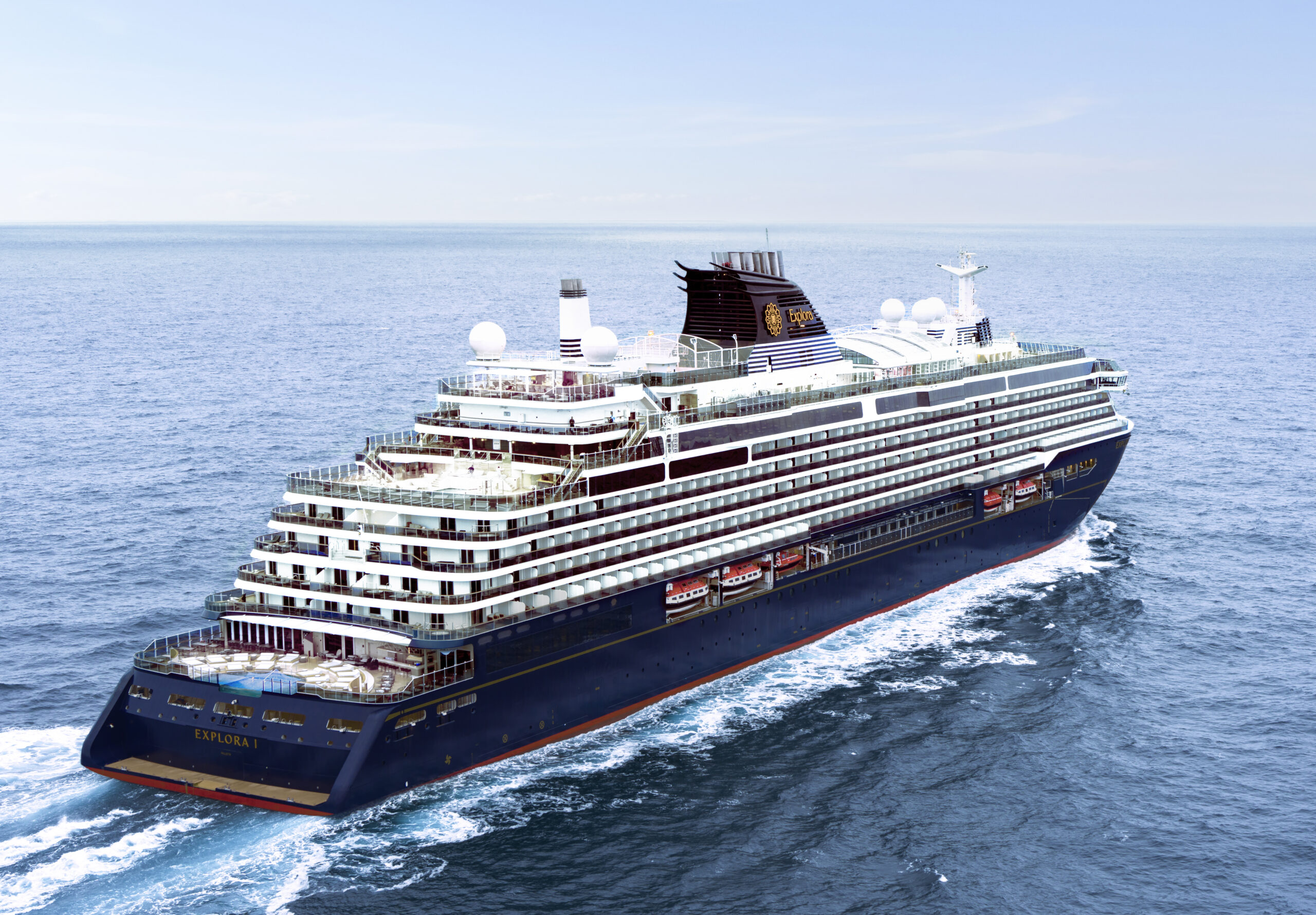
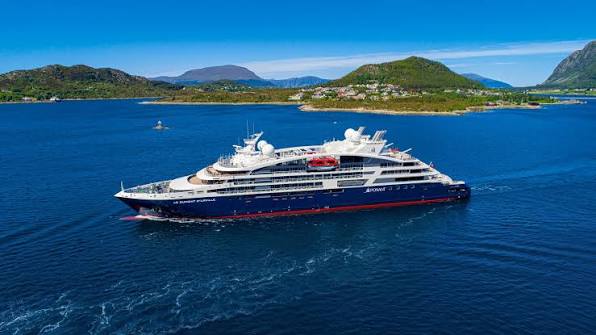
Seabourn has become the latest ultra-luxury cruise line to enter the expedition market with the launch of Seabourn Venture in 2022, followed by sister ship Seabourn Pursuit in 2023.
Seabourn Venture and Pursuit bring the trademark Seabourn style
and sophistication to the world of expedition cruising, with
interiors by designer Adam D Tihany, sumptuous veranda suite
accommodation and immersive adventure activities.
Western Australia is a closed book to many UK visitors, and those who do choose this coast often get no further than Perth and the Margaret River. For travellers by ship, however, Broome is the gateway to the extraordinary Kimberley region. But that's not all: it is also the pearling capital of Australia and boasts fantastic white sand beaches and memorable sunsets. Very relaxed nowadays, Broome was the centre of the 'pearl rush' in the 1800s, which resulted in a real melting pot of cultures here, with Japanese, Filipino and Malay influences.
Talbot Bay is home to one of the world’s most unusual natural wonders, the ‘Horizontal Falls’. This amazing spectacle occurs when tidal movements force water through the narrow gaps in the ridges either side of Poulton Creek, with the water building up on one side quicker than it can flow through the gap, causing a spectacular waterfall effect.
The Hunter River region is home to a spectacular system of mangroves surrounded by red sandstone cliffs, providing a habitat for mudskippers, fiddler crabs, saltwater crocodiles and numerous species of bird. Head further inland and you’ll reach the stunning Mitchell Falls, where the waters cascade from one shimmering emerald pool to the next.
Vansittart Bay lies close to the northern tip of Western Australia, and is home to some interesting examples of aboriginal rock art. You can also take a trip across a lagoon to visit the intact wreckage of a C-53 aircraft that crash landed here during the Second World War.
More of a large town than a city, Darwin is less about what’s contained within the city limits and more about the huge expanse of wild landscape that’s outside it. Closer to Jakarta than Sydney, the city really does feel remote in its tropical perch.
Ambon is one of the Maluku Islands, or the Spice Islands as they were known during colonial times, when nutmeg, cloves and mace grew nowhere else. Ambon was the seat of Dutch power in the islands, but little colonial architecture remains; visit one of the mountain villages instead, or snorkel amongst colourful reefs offshore.
Misool is one of the main islands in the Raja Ampat archipelago, surrounded by some of the most spectacular coral reefs on earth. Snorkel, swim and kayak amongst these rich, biodiverse waters, and explore white sandy beaches, mangroves, lakes and jungle-clad limestone peaks.
The broad sweep of Cenderawasih Bay, off the northern coast of Papua, is known for its spectacularly biodiverse coral reefs. These waters are home to dolphins, dugongs and four different species of turtle, but the star attraction is the resident population of whale sharks, the biggest fish in the sea.
Jayapura, also known as Port Numbay, is the capital of Indonesia’s Papua province. This busy city is well off the tourist trail, and provides an introduction to the fascinating customs of the region. Nearby sights include beautiful Lake Sentani, where you can take a trip on a local longboat out to one of the islands.
Garove is a flooded volcanic caldera, with most of the inhabitants living on the outside of the volcano, and just one village inside the steep-sided caldera itself. Visiting ships are met by curious locals in outrigger canoes, and you may be welcomed ashore with a traditional ‘sing-sing’.
Looming over Rabaul is smouldering Mount Tavurvur, an active volcano that buried much of the city when it erupted in 1994, and which still periodically belches smoke and ash. Rabaul is also an appealing destination for history buffs, with several World War II sites still scattered with rusting wreckage.
Ghizo island is small compared to its neighbours, but it’s also home to the Solomon Islands’ second biggest city, which is somewhat confusingly called Gizo (sounds the same, different spelling). The open air market is a great place to find unique souvenirs such as shell jewellery, and there is excellent snorkelling and diving just offshore.
Honiara is the capital of the Solomon Islands and the nation’s only real port, situated on the largely unspoilt island of Guadalcanal. Reminders of the famous Second World War battle that took place here can be seen all over the island, as well as under the water at the fantastic dive sites off the north coast.
Ambrym is known as the ‘Black Island’ due to its dark volcanic soil, with two active volcanoes, Mount Marum and Mount Benbow. The island is also known for its magic and sorcery, and for its traditional Rom dances, when locals don elaborate masks and costumes.
Lautoka is Fiji’s second largest city, known as the ‘Sugar City’ due to its important role in the local sugarcane industry. The waterfront area is pleasant enough, but we’d recommend using Lautoka as a jumping off point to visit some of the smaller surrounding islands, or the forests and waterfalls of the interior.
Neiafu is the second largest city in Tonga and the capital of the Vava’u group of islands, situated next to the deep water Port of Refuge. Humpback whales pass through here between June and November, while on land the ‘Ene’io Botanical Garden is well worth a visit.
Apia is the capital of Samoa, situated on the north coast of the island of Upolu. Highlights include the colourful markets and Robert Louis Stevenson's former house, now a museum, though you may just want to use the city as a jumping off point for the beautiful beaches located further along the coast.
The sleepy island of Aitutaki is big on natural beauty, thanks to its stunning reef-enclosed lagoon. It’s also a deeply spiritual place: in the village of Arutanga you’ll find the oldest church in the Cook Islands, dating back to 1829, and services here are a spellbinding spectacle, with hymns featuring unaccompanied four-part harmonies.
Raiatea, the second largest of the Society Islands, played a vital role in the development of Polynesian culture; it was from this island that settlers departed for Hawaii and New Zealand over a millennium ago. The island feels wilder than Tahiti, with steep, jungle-covered mountains, cascading waterfalls and ancient Polynesian temples.
Huahine is perhaps the most beautiful of the Society Islands, and one of the least developed too. The laid back ambience means it’s impossible not to relax here, whether you’re on one of the gorgeous beaches or taking a stroll around the friendly village of Fare.
Papeete is the capital of French Polynesia, situated on the northwest coast of Tahiti. The port is not the most magical spot, so we advise venturing forth to luxuriate in the turquoise lagoons, relax on the white sand beaches fringed with palm trees, and explore the rugged mountain peaks.
The Fakarava atoll surrounds a deep lagoon in the west of the Tuamotu island group, scarcely populated and home to a host of rare wildlife. The entire atoll has been declared a UNESCO biosphere reserve, and the shallow coastal waters make for excellent snorkelling.
The remote South Pacific island of Pitcairn was settled by a party of British sailors and Tahitians following the famous mutiny on the HMS Bounty in 1789, and their descendants still live on the island. The tiny capital, Adamstown, has a population of around 50 people.
The enigmatic moai statues of Rapa Nui (Easter Island) remain one of the world’s most intriguing archaeological mysteries. Descendants of the Polynesian settlers who carved them still live here, though these days the island belongs to Chile, despite being separated from the mainland by over 2,000 miles of Pacific Ocean.
Chile’s cosmopolitan capital is a smart, sophisticated place, where life plays out against the stunning backdrop of the snow-capped Andean mountains. Santiago’s moneyed elite congregate in the upmarket districts of the barrio alto, while the Centro buzzes with commerce and culture, home to museums, theatres and shopping malls.