From Dun Laoghaire (Dublin) to Rouen · Northern Europe · 10 nights
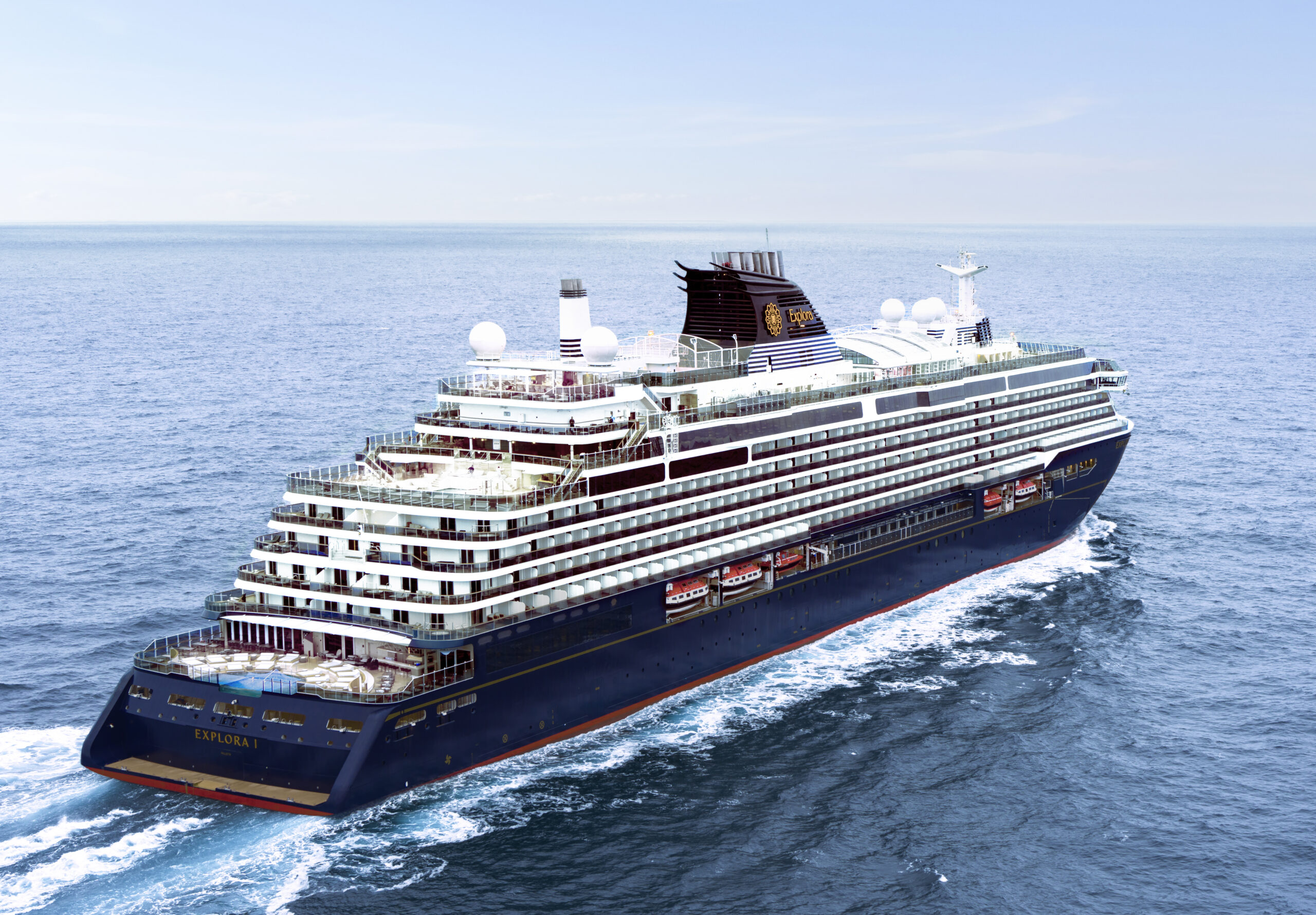
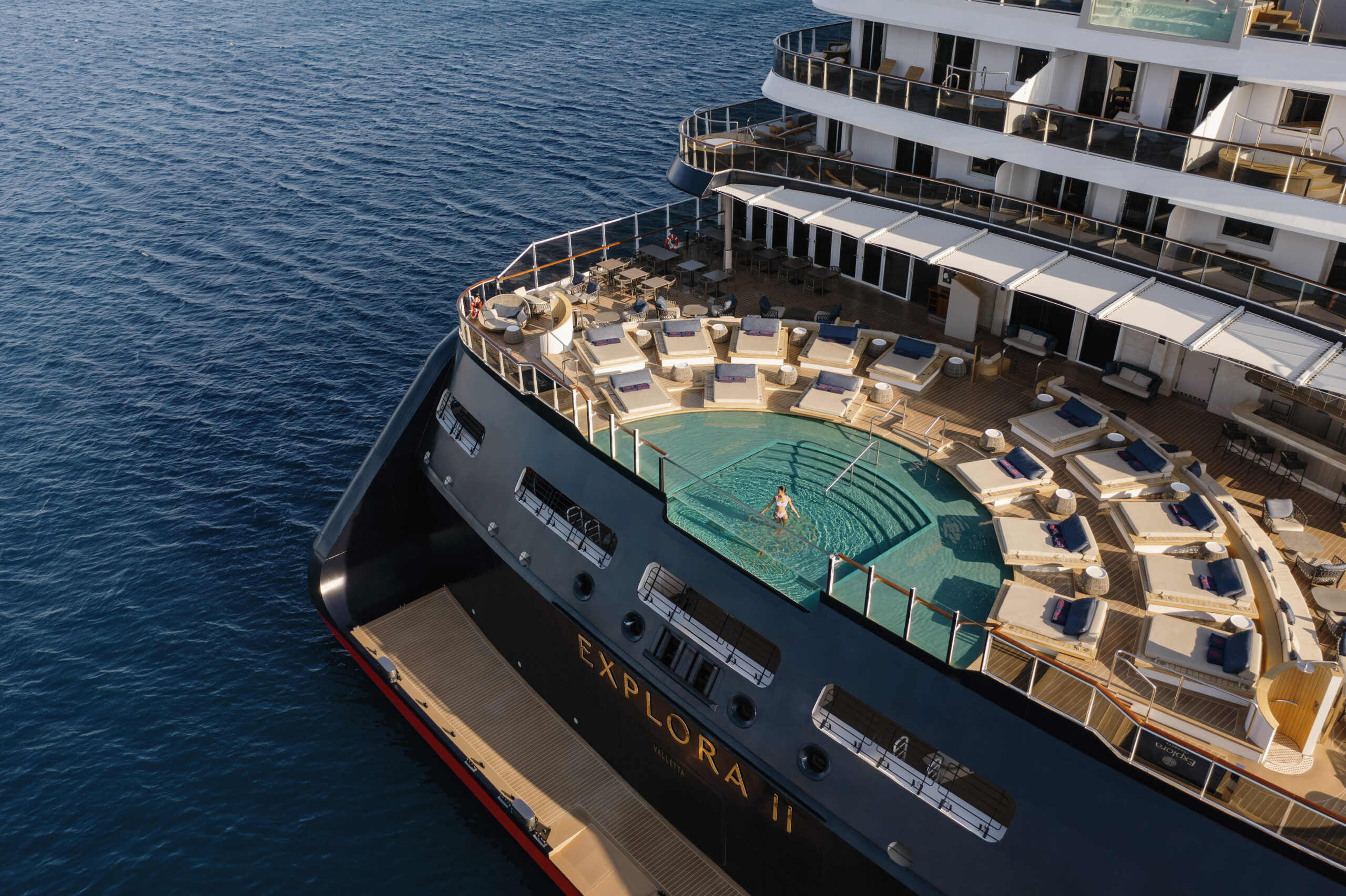
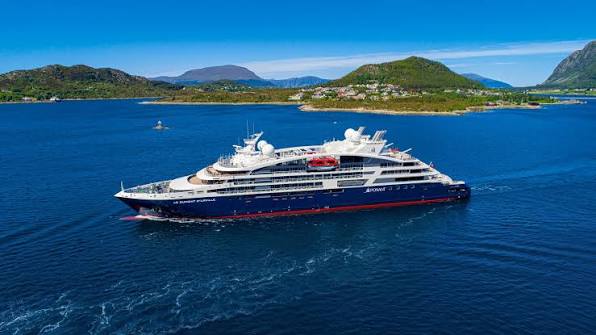
Windstar’s new sister ships, Star Seeker and Star Explorer, will each have 112 suites and a staff-to-guest ratio of 1:2, offering Windstar’s brand of laid-back luxury with some enhancements.
Each yacht will maintain the intimate atmosphere of Windstar’s
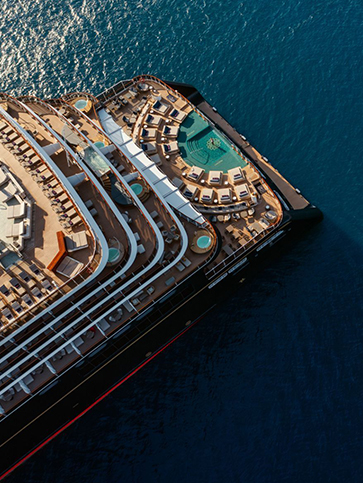
other ships, and will feature Windstar’s classic watersports
platform with new staircase access, as well an intimate forward
whirlpool and spacious open deck perfect for Windstar’s famous deck
barbecues, alongside a two-level spa and fitness centre. Dining
options include dishes from James Beard Foundation-affiliated
chefs, as well a Yacht Club café and lounge. Star Seeker joined the
fleet in December 2025, and Star Explorer will join in December
2026.
There is nothing like a visit to Ireland for a warm welcome, and in Dublin great literature, fascinating history and the friendly atmosphere make a stay here an unforgettable experience. The fair city of the song is a great place to meet the locals, enjoy the Georgian townhouses, explore the nooks and crannies of the castle, and of course to indulge in some serious retail therapy. And do seek out the Viking roots, medieval streets, city parks and beautiful bridges over the river Liffey - this is after all a great city to investigate on foot.
The 1998 Good Friday Agreement was a watershed moment for Northern Ireland, and its rejuvenated capital is enjoying a surge in popularity. The new Titanic Belfast museum is the star attraction, while the city centre boasts some handsome Victorian architecture and a lively pub scene.
Disagreements over the correct name for Northern Ireland’s second city date back to 1613, and are unlikely to be resolved any time soon, so let’s focus instead on what the city has to offer. Highlights include the 17th century city walls, a vibrant live music scene and a city centre rejuvenated by Derry’s stint as UK Capital of Culture in 2013.
Killybegs is a bustling fishing port on the Donegal coast, and you’ll see both local and international vessels filling the harbour. The village has some nice pubs worth visiting, and the surrounding countryside is typified by beautiful coastal scenery such as the dramatic Slieve League cliffs.
Galway is known as the ‘city of festivals’, home to a cosmopolitan mix of artists, musicians and students. Buskers and folk bands provide the soundtrack as you explore the city’s fantastic pubs and pedestrianised streets, and Galway is also a useful base for visiting sights such as the Cliffs of Moher and Connemara National Park.
The beautiful Dingle Peninsula reaches out into the crashing Atlantic surf, culminating in the westernmost point on the Irish mainland. The peninsula’s buzzing ‘capital’, Dingle town, is a charming little place full of lively pubs, colourful shopfronts and toe-tapping traditional Irish music.
Ireland’s second city is an engaging mix of cosy pubs, grand Georgian architecture and forward-thinking restaurants, with one of the best foodie scenes in the country. Cork’s historic centre sits on an island in the River Lee, and the narrow streets are full of cafés, bars and markets.
Rouen has endured a turbulent history: it was here that Joan of Arc was burnt at the stake in 1431, and much of the city was destroyed during World War II. Many cruise visitors head straight for Paris, an hour away by train, which is a shame since there’s so much to see in Rouen, including a beautiful cathedral and the atmospheric Medieval quarter.