From Athens (Piraeus) to Rome (Civitavecchia) · Mediterranean · 11 nights
True clipper ships, these beautiful four-masted vessels reflect a proud seafaring heritage in their elegant sails, warm woods and polished brass.
Sister ships Star Clipper and Star Flyer certainly stand out
from the crowd. In full sail they are an awe-inspiring sight,
reminiscent of a bygone age, yet combining this tradition with the
comfort of a modern cruise line, ideal for those who wish to
experience a tall ship cruise. Climb the mast or relax by the small
pool; you can be as involved as you wish on these easy-going and
friendly ships.
Athens is a city awash with historical and cultural significance. Towering over the city are the gleaming columns of the Parthenon, surely one of the most iconic sights in the whole of Europe. And yet Athens is much more than an open air museum; this is a dynamic, bustling metropolis, and a place where history is still very much unfolding. For all its faults, the Greek capital possesses an energy and an optimism that are manifest in everything from the burgeoning art scene to the restaurants and bars that continue to pop up on a regular basis.
Hydra is unique amongst the Greek islands, blissfully free of motorised traffic; transport here is by donkey, water taxi or on foot. The island has attracted many artists, musicians and actors over the years, but retains a rustic and tranquil atmosphere.
The beautiful Byzantine town of Monemvasia is dramatically located on a steep chunk of rock, originally a coastal headland until an earthquake in AD 375 turned it into an island. Nowadays access is via a narrow causeway, and the pretty streets of the medieval citadel are home to more churches than people.
The little fishing town of Gythion was once the seaport for ancient Sparta, though these days it’s a pretty sleepy place. Take a stroll around the picturesque streets and soak up the atmosphere, with pastel-hued houses, balconies draped in bougainvillea and some great little seafood restaurants.
The little seaside town of Katakolon, on the western coast of the Peloponnese, is the gateway to ancient Olympia, birthplace of the Games and the place where the Olympic flame begins its journey every four years. Make the most of your visit with a guided tour of the ruins, and don’t miss the treasures of the Archaeological Museum.
Founded by Greek colonists in 734 BC, Siracusa was once the largest city in the ancient world, surpassing even Athens in its splendour. Highlights include the island of Ortigia, where narrow streets are lined by beautiful Baroque architecture, and the impressive ruins at the Parco Archeologico della Neapolis on the Sicilian mainland.
Taormina enjoys a truly spectacular setting on Sicily’s east coast, perched on a mountainside looking out towards the smouldering Mount Etna. The medieval streets are pleasant but often crowded in high season, so we’d recommend getting out and exploring the surrounding countryside.
Lipari is the largest of the Aeolian Islands, a volcanic archipelago to the north of Sicily. The main port is Lipari Town, a charming little harbour of pastel-coloured houses, fishing boats and enticing restaurants, overlooked by the imposing 13th century citadel.
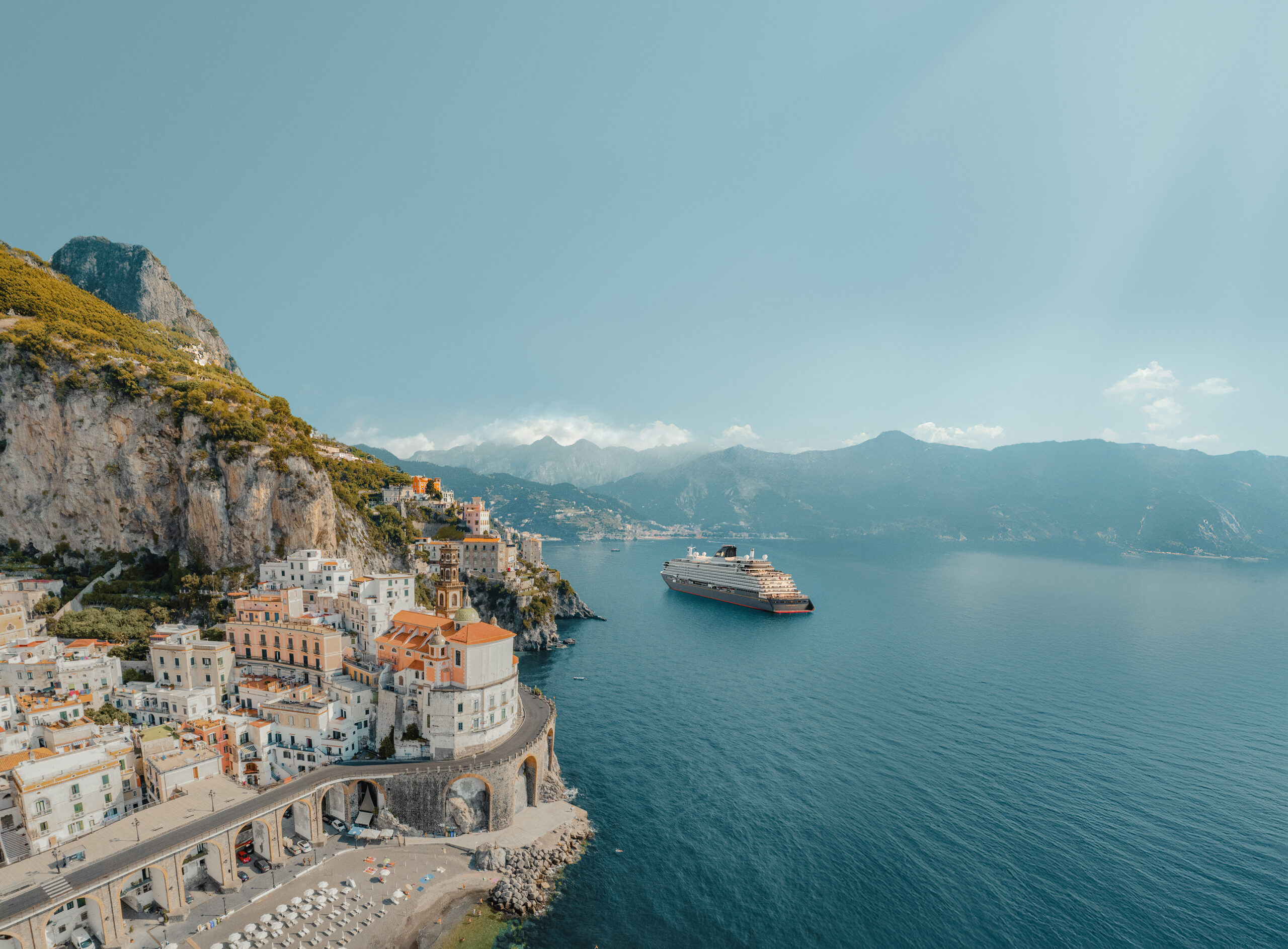
The picturesque little town of Amalfi was once a major Mediterranean naval power, but a devastating earthquake in 1343 cut the city down in its prime and destroyed most of its historic buildings. These days, of course, Amalfi is best known for the eponymous stretch of stunning coastline on which it sits.
Ponza is the largest of the Pontine islands, situated out in the Tyrrhenian Sea to the west of Naples. Sometimes described as a more authentic alternative to Capri, the island is notable for its natural beauty and Neapolitan-influenced cuisine, and has a reputation as a hideaway for the rich and famous.
One of the world’s great cities, Rome continues to dazzle and delight visitors with a potent mix of architectural marvels, continent-defining history and buzzing nightlife. The Colosseum, the Vatican and the Forum are among the big ticket items, with the crowds to match, though in truth you will find history around almost every corner.