From Stockholm to Reykjavik · Northern Europe · 14 nights
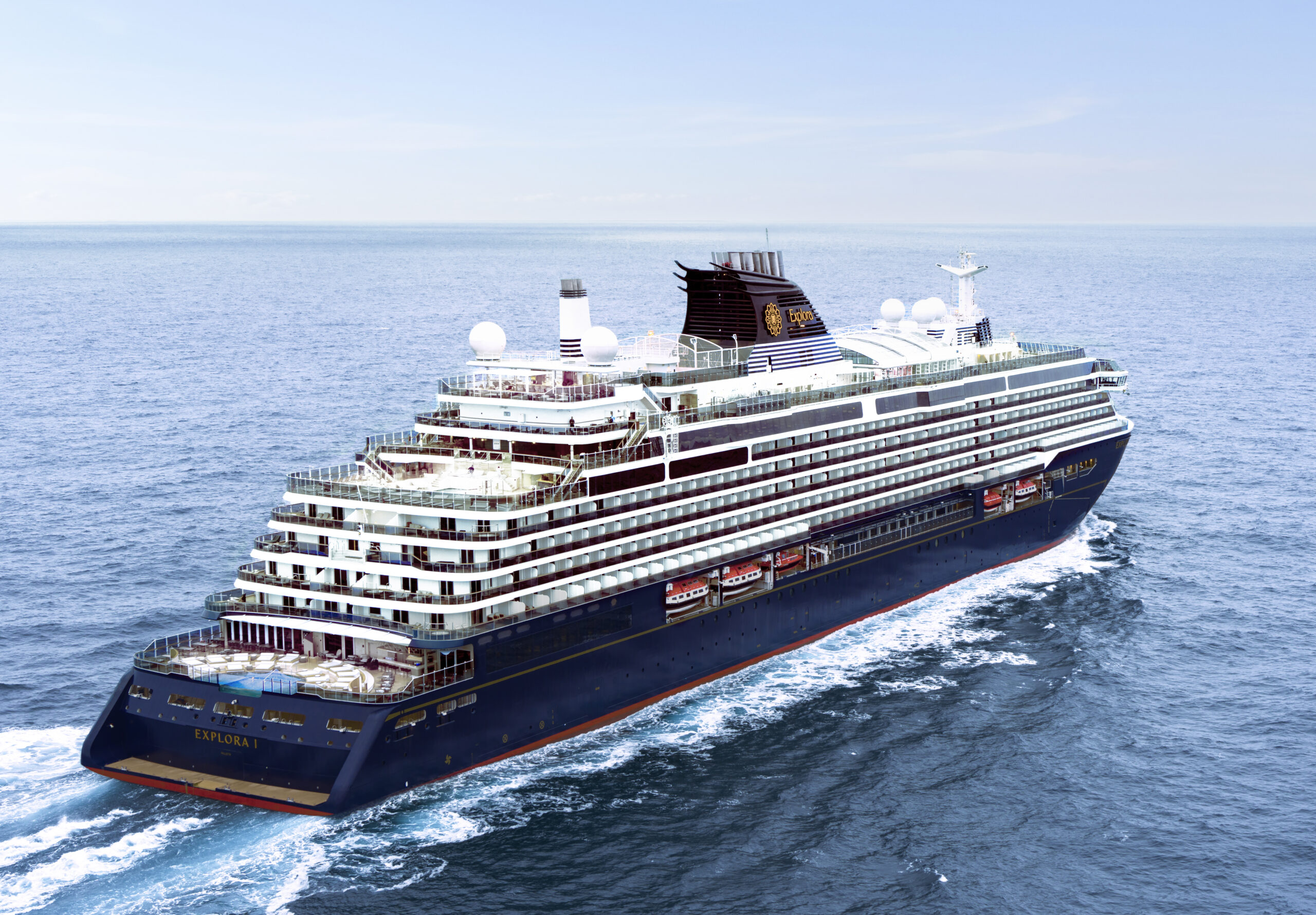
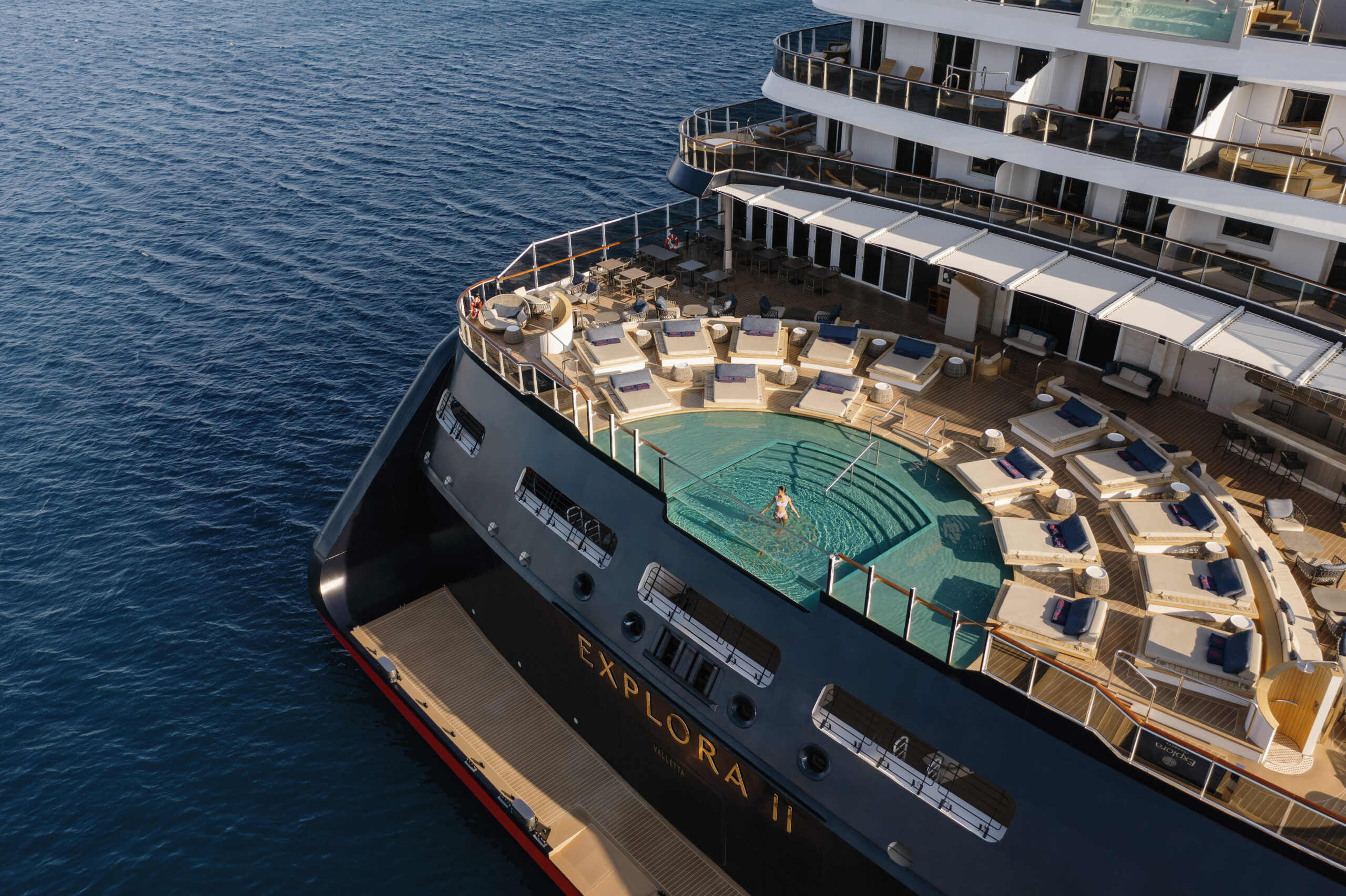
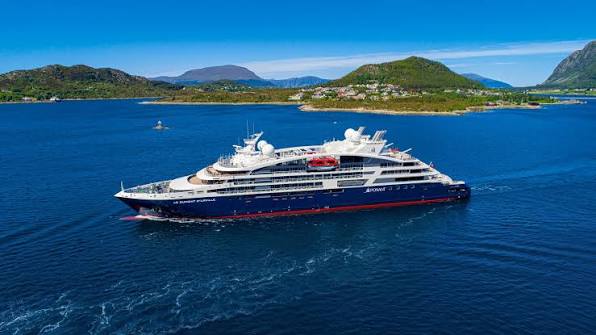
The first ship in Oceania’s Allura Class, Vista joined the fleet in 2023, with sister ship Allura setting sail in 2025. These ships represent an exciting evolution and offer elevated dining options, accommodation, and guest experience.
The Allura Class ships promise to enhance and redefine the
Oceania onboard experience, with chic residential-style
accommodation, all ocean facing with either French or full private
balcony, and a plethora of eye-catching public spaces that combine
dramatic architectural flourishes with the relaxed intimacy for
which Oceania is known. These are also the first Oceania ships to
include dedicated staterooms for solo travellers, and you can
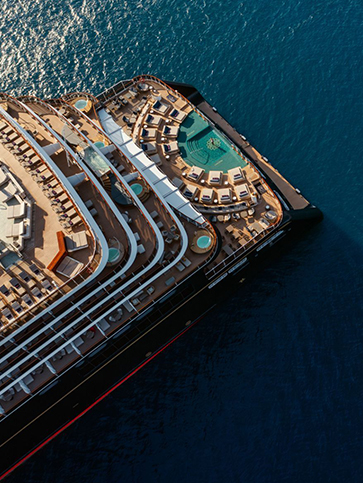
expect innovative dining venues, a serene spa and a stunning pool
deck.
The buzzing city of Stockholm is the capital of Sweden. Visitors are captivated by the busy waterfront, the beautiful cobbled streets in the Gamla Stan, or Old Town, the museums, palaces, gardens and galleries, whilst a mere 20 minutes away, Stockholm's archipelago of 30,000 islands offers its own delights, not least some serene tranquillity. The city itself features trend-setting restaurants, a vibrant nightlife and a rich cultural heritage. Many interesting excursions from the city centre ensure that a prolonged stay will be both stimulating and varied.
The charming UNESCO-listed town of Visby is the capital of Gotland, the largest island in the Baltic. The photogenic cobbled streets and ruined Gothic churches are a reminder of the island’s fascinating history, invaded by both Germans and Danes and decimated by the Black Death in the 14th century.
Wonderful Copenhagen is the perfect city to explore on foot, by bicycle or by water. Visit the bustling wharf at Nyhavn, enjoy the palaces, galleries and museums, wander through the amazing Tivoli Gardens, and if you have time, make the most of Copenhagen’s gastronomic revolution.
Gothenburg, or Goeteborg locally, is Sweden’s laid back second city, a delightful mix of cobbled streets, neoclassical architecture and picturesque canals. The old town is full of history, with some interesting museums, and the thriving arts scene has helped to revitalise the city’s previously run-down industrial districts.
Haugesund dates back to Viking times, and the surrounding region is known as the birthplace of Norway, where King Harald Fairhair first united the country under one ruler. Highlights include the reconstructed Viking farm at Avaldsnes, the Arquebus War History Museum and the Haraldshaugen Monument.
Dramatically located at the head of the Aurlandsfjord, the picturesque little village of Flåm is a popular base for excursions into Norway’s great outdoors. Strike out into the surrounding countryside and you’ll find steep mountains, cascading waterfalls and bucolic farms, with some spectacular walking and cycling trails.
Beautiful Bergen, Norway’s former capital, is a perfect city to explore on foot. Bryggen – the old Hanseatic wharf, and a UNESCO World Heritage site – still has the old harbour timber buildings, whilst other attractions include the funicular up Mount Floyen and the busy fish market.
When Ålesund was destroyed by fire in 1904, the German Kaiser Wilhelm II agreed to foot the bill to rebuild it. The result was the stunning Art Nouveau architecture that you see today, which blends elements of the German 'Jugendstil' with Viking flourishes.
Seyðisfjörður is one of the highlights of Iceland’s Eastfjords, a cute collection of colourful houses at the head of a dramatic fjord. The backdrop of snowy mountains and cascading waterfalls makes this one of the most picturesque ports in Iceland, and the town is surprisingly cosmopolitan.
Akureyri is Iceland’s second city, though with just 18,000 inhabitants it’s really more of a small town. Situated on the north coast at the head of Iceland’s largest fjord, it’s a cute and quirky place that also serves as a base from which to explore the bubbling mud pools and lunar landscapes around Lake Mývatn.
Ísafjörður is the largest town in Iceland’s wild Westfjords, dramatically located on a spit of sand hemmed in by mountains on three sides. The town itself is fairly low key, and the main attraction is exploring the surrounding landscapes, such as the spectacular Hornstrandir Peninsula.
Capital of Iceland and gateway to this extraordinary volcanic island, modern Reykjavík is home to an impressive collection of interesting attractions and places of historic significance. Visit the impressive Hallgrímskirkja church, relax in a thermal pool, potter around the old harbour, and enjoy 24 hour daylight in the summer months.