From Southampton to Reykjavik · Northern Europe · 14 nights
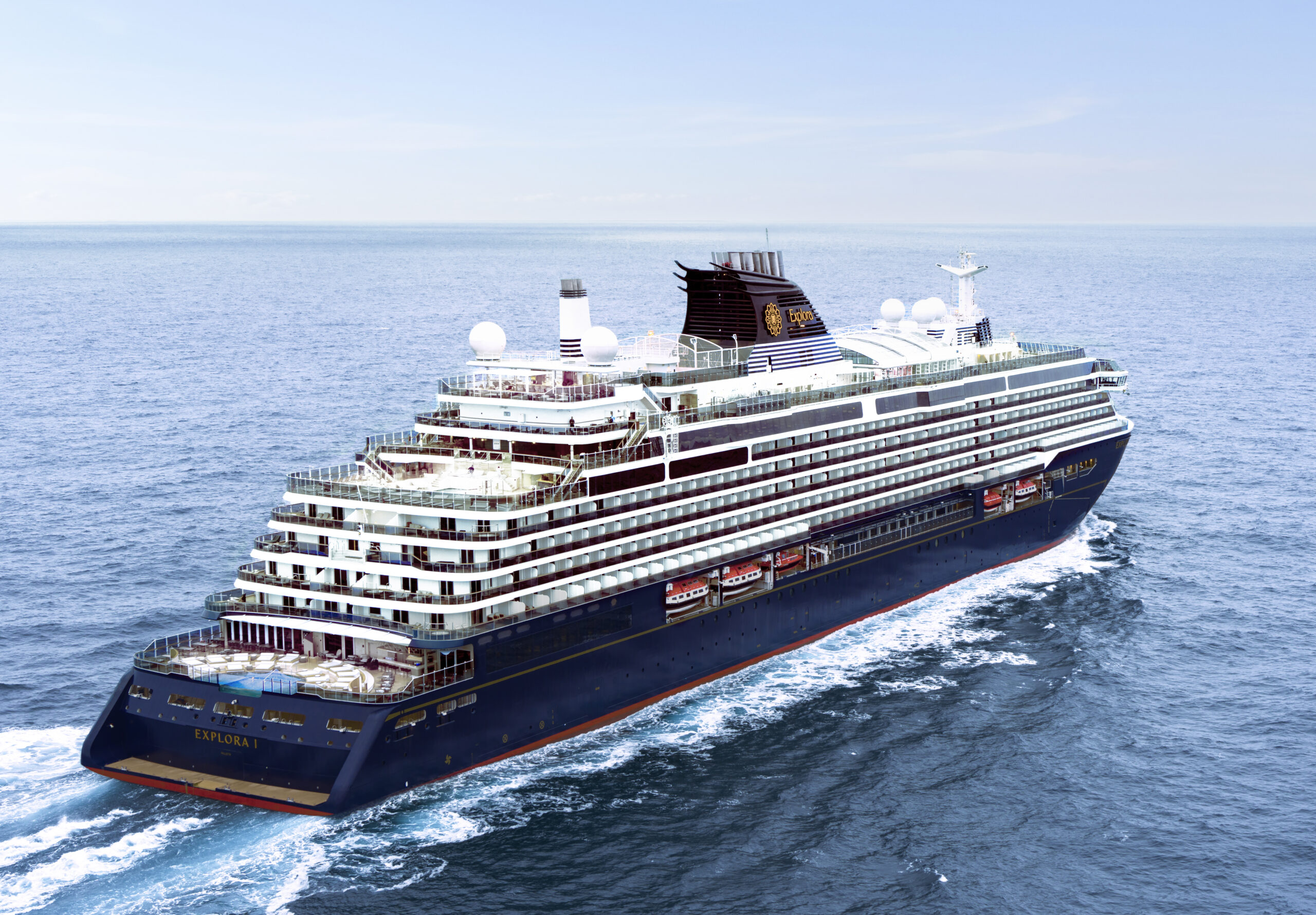
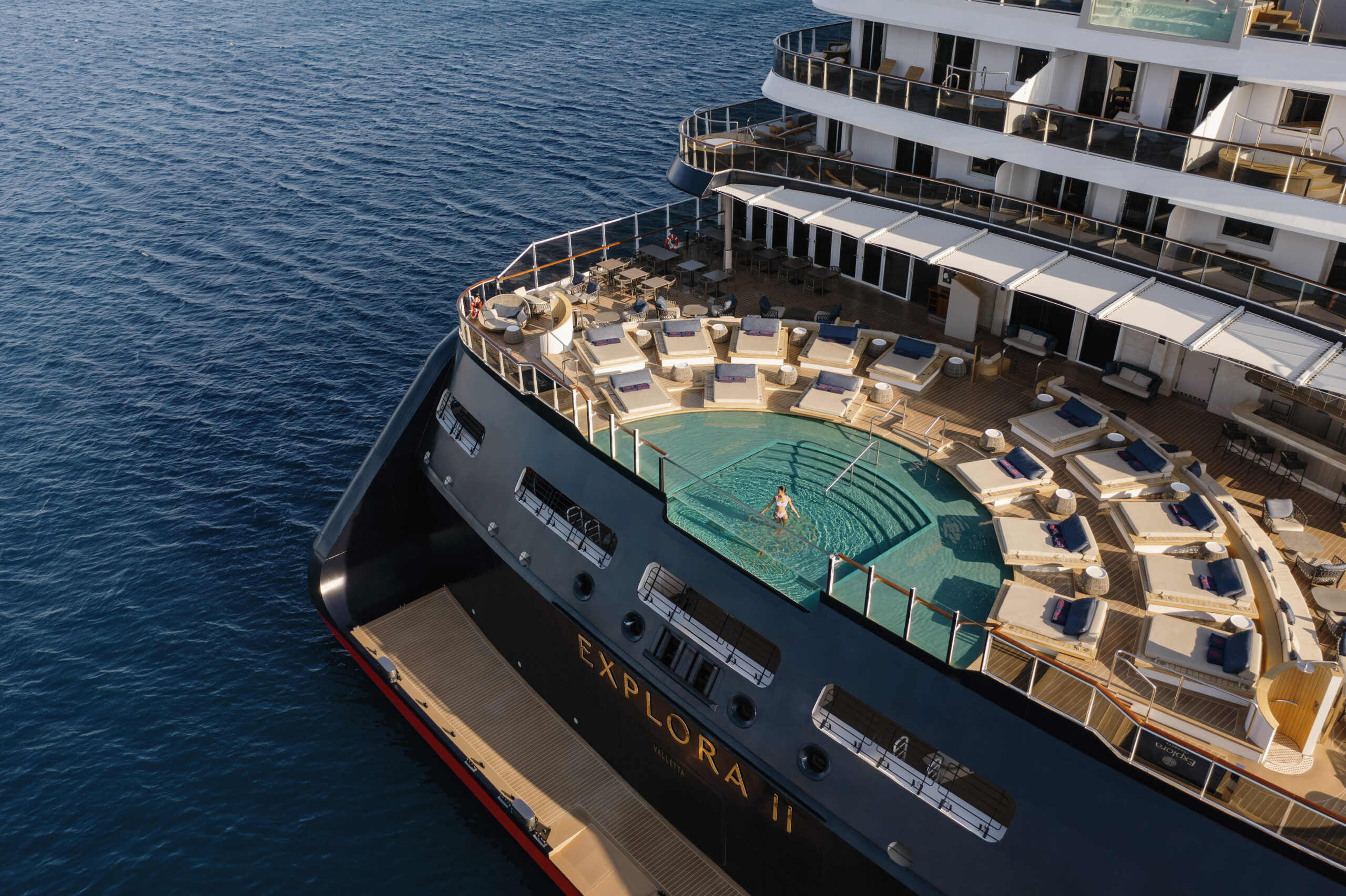
The newest vessel in the Regent fleet, Seven Seas Splendor builds on the magnificent foundations laid by sister ship Seven Seas Explorer.
Just 746 guests enjoy the perfect balance of space and intimacy
on Seven Seas Splendor. With plenty of comfort and great value for
money, she steps up the classic Regent luxury offering with their
signature spacious accommodation, a relaxed and unpretentious style
and loads of good dining choices. The most all-inclusive of all
luxury lines.
Southampton is the UK's leading port. Bustling modern cruise terminals, as well as wharfs and commercial harbours, line the waterfront, whilst the city itself is a fascinating mix of ancient and modern, with a picturesque old town, the original city walls still standing, and super-modern shopping centres and office complexes. On all corners you will see tributes to the city's rich history and maritime heritage. Henry V marched his troops through the Westgate on his way to the battle of Agincourt, The Mayflower sailed from here with a cargo of settlers to the New World, and the Titanic started her fateful voyage here.
Waterford is Ireland’s oldest city, over 1,000 years old, with a fascinating Viking and Norman heritage that is still discernible in the narrow streets of the ‘Viking Triangle’. The city is also famous as the home of Waterford crystal, and the glass-making industry here dates back to the late 18th century.
The city of Dublin has something for everyone with great shopping, beautiful Georgian architecture, lovely parks, galleries and museums. Everywhere you go you will be bowled away by the jovial Irish welcome. Don’t miss the chance to sample a local pint of Guinness.
Holyhead is best known as the departure point for ferries to Ireland, but it’s also the gateway to the enchanting island of Anglesey. This green and ancient land was once a druid stronghold, and the rugged landscape is crowned with some of the most beautiful castles in Wales.
The 1998 Good Friday Agreement was a watershed moment for Northern Ireland, and its rejuvenated capital is enjoying a surge in popularity. The new Titanic Belfast museum is the star attraction, while the city centre boasts some handsome Victorian architecture and a lively pub scene.
Disagreements over the correct name for Northern Ireland’s second city date back to 1613, and are unlikely to be resolved any time soon, so let’s focus instead on what the city has to offer. Highlights include the 17th century city walls, a vibrant live music scene and a city centre rejuvenated by Derry’s stint as UK Capital of Culture in 2013.
The pretty fishing town of Ullapool is a popular gateway to both the Highlands and the Western Isles, bustling with visitors during the summer. There is an excellent museum with exhibits on crofting, fishing and emigration, while just offshore the uninhabited Summer Isles are home to seabirds, dolphins and porpoises.
Tórshavn, named after the Norse god Thor, is one of the world’s smallest capitals, with a population of just 20,000. The brightly coloured facades and turfed roofs lend the harbour an attractive, storybook quality, and the narrow streets are home to some atmospheric pubs and cafés.
Seyðisfjörður is one of the highlights of Iceland’s Eastfjords, a cute collection of colourful houses at the head of a dramatic fjord. The backdrop of snowy mountains and cascading waterfalls makes this one of the most picturesque ports in Iceland, and the town is surprisingly cosmopolitan.
Akureyri is Iceland’s second city, though with just 18,000 inhabitants it’s really more of a small town. Situated on the north coast at the head of Iceland’s largest fjord, it’s a cute and quirky place that also serves as a base from which to explore the bubbling mud pools and lunar landscapes around Lake Mývatn.
Ísafjörður is the largest town in Iceland’s wild Westfjords, dramatically located on a spit of sand hemmed in by mountains on three sides. The town itself is fairly low key, and the main attraction is exploring the surrounding landscapes, such as the spectacular Hornstrandir Peninsula.
The little fishing town of Grundarfjörður enjoys a picturesque setting on the Snæfellsnes Peninsula, surrounded by dramatic volcanic peaks and gushing waterfalls. The nearby Snæfellsjökull volcano, capped by a glacier, was made famous by Jules Verne in ‘Journey to the Centre of the Earth’.
Capital of Iceland and gateway to this extraordinary volcanic island, modern Reykjavík is home to an impressive collection of interesting attractions and places of historic significance. Visit the impressive Hallgrímskirkja church, relax in a thermal pool, potter around the old harbour, and enjoy 24 hour daylight in the summer months.