From Copenhagen to Reykjavik · Northern Europe · 32 nights
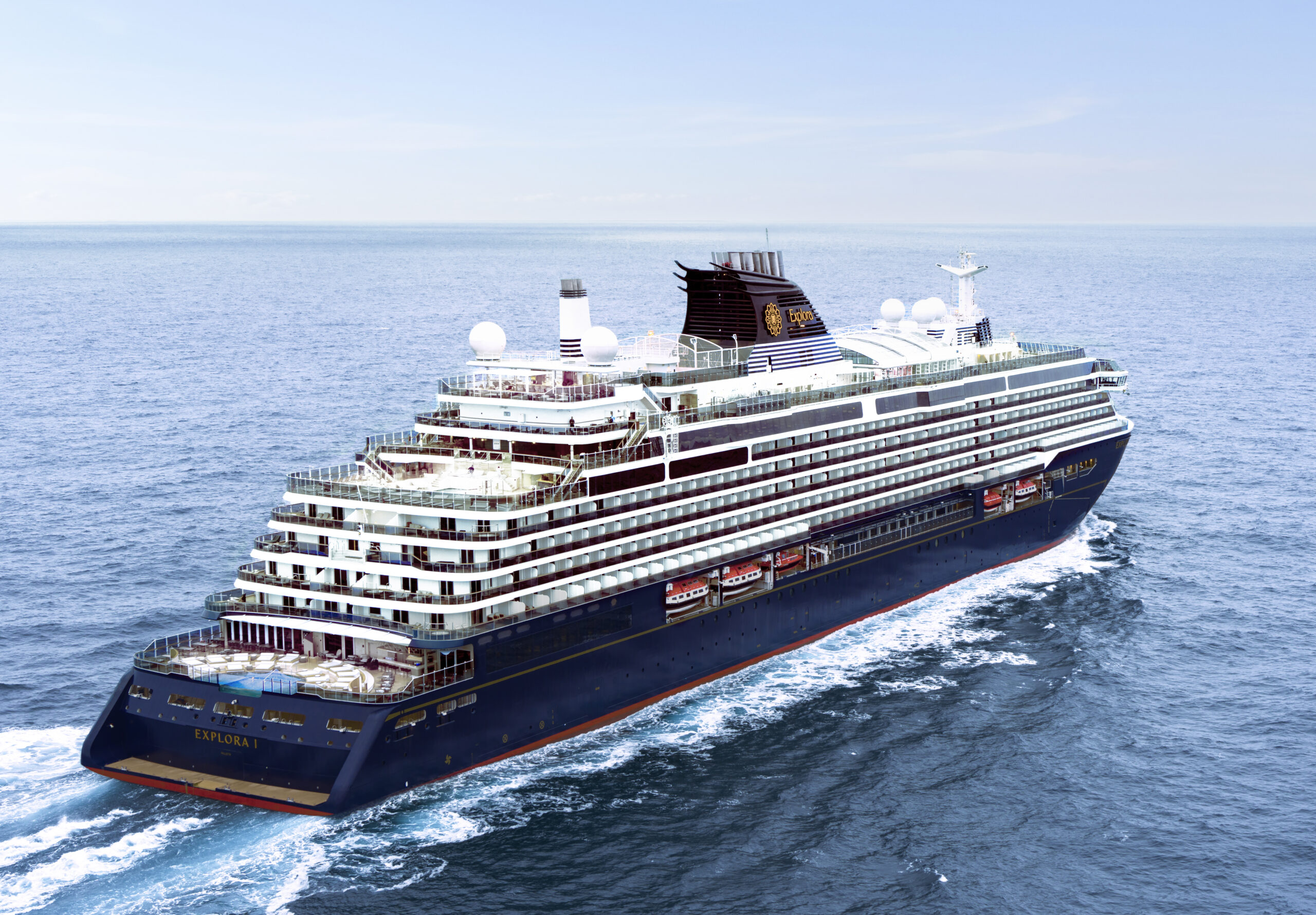
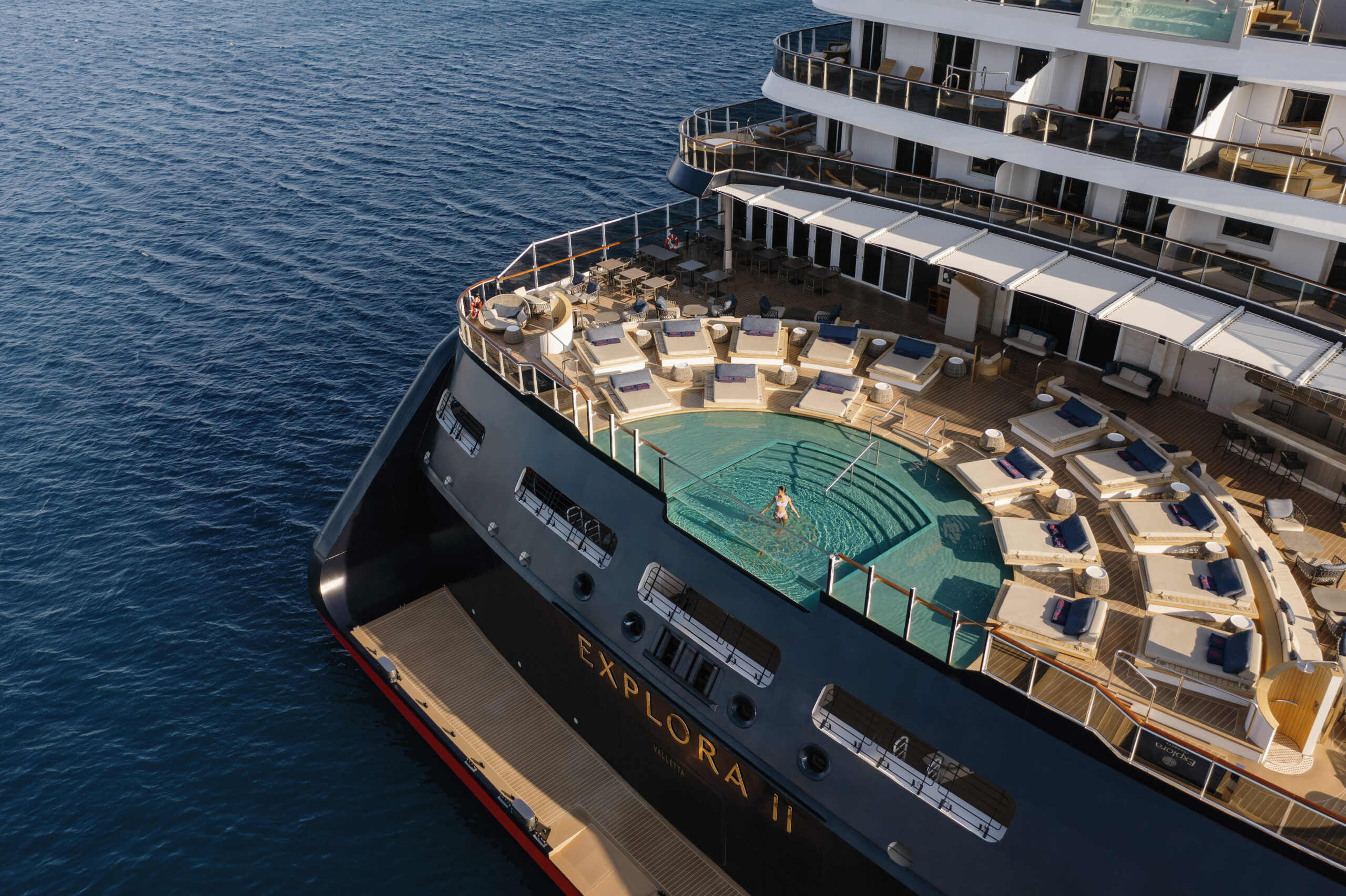
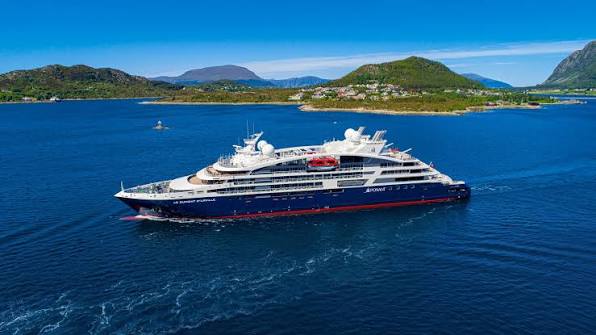
Crystal Symphony returned to the ultra-luxury cruise sector in 2023 – fully refurbished and enhanced and not to be missed.
The beloved Crystal Symphony, having been dutifully maintained
for the past three decades underwent an extensive refurbishment in
2023, reducing the guest capacity and enhancing the accommodations
onboard. Crystal signatures such as exceptional service and
world-class dining remain but the ship returned to service with a
new lease of life.
With a history that dates back to 1043, this small city is full of historic landmarks, significant buildings and interesting sights and museums. It is of course also a history that sits alongside the height of modern Danish design. It is great to explore on foot, by bicycle or by water. Be sure to visit Amalienborg Palace and to walk down the famed shopping street (Strøget). The pretty harbour of Nyhavn is a great location to stop for coffee or lunch and watch the world go by. And of course highlights include the Tivoli Gardens, and the (surprisingly) tiny statue of The Little Mermaid.
Aarhus is Denmark’s second largest city, but it’s also a compact and likeable place with a burgeoning cultural scene and a large student population. The combination of superb restaurants, attractive cobbled streets and excellent museums make Aarhus an unexpected highlight of any cruise around the Baltic.
Gothenburg, or Goeteborg locally, is Sweden’s laid back second city, a delightful mix of cobbled streets, neoclassical architecture and picturesque canals. The old town is full of history, with some interesting museums, and the thriving arts scene has helped to revitalise the city’s previously run-down industrial districts.
Arendal, on the southern coast of Norway, is a popular summer holiday destination for local tourists and a pleasant town to spend some time exploring. Highlights include the lively harbourside area, Pollen, and the 17th century wooden architecture of Tyholmen in the city centre.
Haugesund dates back to Viking times, and the surrounding region is known as the birthplace of Norway, where King Harald Fairhair first united the country under one ruler. Highlights include the reconstructed Viking farm at Avaldsnes, the Arquebus War History Museum and the Haraldshaugen Monument.
The little town of Måløy is a major fishing port, on the sheltered eastern side of Vågsøy island. Nearby sights include the Kannesteinen rock, sculpted by the sea into a bizarre mushroom-like shape, while further afield is the Jostedalsbreen National Park, home to continental Europe’s largest glacier.
You might not expect to find a beach resort in Norway, but the sunny city of Kristiansand is where Norwegians go for a spot of fun by the seaside. There are plenty of family-friendly attractions, including a zoo, and it’s also a good base for exploring the pretty fishing villages of the south coast.
Tromso’s location well within the Arctic Circle means the summer months are lit by the Midnight Sun, a compensation for long dark winters. Explore the streets with their multi-coloured wooden houses, see the amazing architecture of the Arctic cathedral, or take the cable car up to Mount Storsteinen for a fantastic view.
Situated over 600 miles beyond the Arctic Circle, Hammerfest claims to be the world’s northernmost town, although other Arctic settlements would contest this. It’s also the only place where you can join the Royal and Ancient Polar Bear Society, a slightly eccentric club with some 250,000 members worldwide.
The port of Honningsvåg is the gateway to Europe’s most northerly point, the North Cape, and enjoys 24-hour daylight in summer. Aside from tourism, fishing is the major industry in this part of Norway, and the region is also said to be inhabited by trolls.
Although Alta lies in Norway’s far north, the city has a surprisingly mild climate. Highlights include the UNESCO-listed prehistoric rock carvings at the Alta Museum, some of which date back over 6,000 years, and the striking Northern Lights Cathedral, with its aurora-inspired interior.
The island of Jan Mayen sits several hundred miles north of Iceland, a remote and inaccessible place where tourist numbers are strictly limited. Towering Mount Beerenburg is the world’s northernmost active volcano, and there is no human settlement except for a very lonely Norwegian weather station.
Akureyri is Iceland’s second city, though with just 18,000 inhabitants it’s really more of a small town. Situated on the north coast at the head of Iceland’s largest fjord, it’s a cute and quirky place that also serves as a base from which to explore the bubbling mud pools and lunar landscapes around Lake Mývatn.
Ísafjörður is the largest town in Iceland’s wild Westfjords, dramatically located on a spit of sand hemmed in by mountains on three sides. The town itself is fairly low key, and the main attraction is exploring the surrounding landscapes, such as the spectacular Hornstrandir Peninsula.
Capital of Iceland and gateway to this extraordinary volcanic island, modern Reykjavík is home to an impressive collection of interesting attractions and places of historic significance. Visit the impressive Hallgrímskirkja church, relax in a thermal pool, potter around the old harbour, and enjoy 24 hour daylight in the summer months.
Nanortalik is the southernmost city in Greenland, and sits on a small island at the mouth of the Tasermiut fjord. The name means ‘the place of polar bears’, since bears come to hunt on the sea ice in summer, and the town is also known for its unique choir singing culture.
The name Sisimiut means ‘the people living in a place where there are fox dens’, though these days the town is better known for being Greenland’s northernmost year-round ice-free port. Around 25 miles north of the Arctic Circle, it’s a common stop for ships making the journey north to Disko Bay.
Greenland’s capital and largest town, Nuuk is positively cosmopolitan compared to the rest of this remote and isolated country. The setting amongst mountains and fjords is striking, and attractions include the Greenland National Museum and the picturesque Old Harbour.
Paamiut is known for its warm community spirit and remarkable wildlife, home to the country’s largest population of white-tailed eagles. Here, ancient trails wind through dramatic landscapes dotted with colourful historic houses that recall a past shaped by whaling and fur trading, while nearby waters offer chances to spot whales.
Spread over several islands on an impressive natural harbour, Kristiansund is intimately connected to the sea, and is famous for its 'klipfish' - a dish of dry, salted cod. The city was badly damaged by fire during the war, and was rebuilt in a distinctive, multi-coloured style.
Tasiilaq is the largest town on Greenland’s sparsely populated east coast, and is home to around 2,000 hardy souls. Walking around town you’ll see dog sleds and kayaks made from animal hides, while the surrounding landscape is home to glaciers, caves and wildlife including seals and dolphins.
Siglufjörður is the most northerly town on the Icelandic mainland, a remote little fishing port backed by imposing mountains. You can learn about the town’s history at the herring museum, explore the local culture at the Folk Music Centre or head out on one of the scenic hiking trails around the fjord.
Ísafjörður is the largest town in Iceland’s wild Westfjords, dramatically located on a spit of sand hemmed in by mountains on three sides. The town itself is fairly low key, and the main attraction is exploring the surrounding landscapes, such as the spectacular Hornstrandir Peninsula.
The little fishing town of Grundarfjörður enjoys a picturesque setting on the Snæfellsnes Peninsula, surrounded by dramatic volcanic peaks and gushing waterfalls. The nearby Snæfellsjökull volcano, capped by a glacier, was made famous by Jules Verne in ‘Journey to the Centre of the Earth’.
Capital of Iceland and gateway to this extraordinary volcanic island, modern Reykjavík is home to an impressive collection of interesting attractions and places of historic significance. Visit the impressive Hallgrímskirkja church, relax in a thermal pool, potter around the old harbour, and enjoy 24 hour daylight in the summer months.