From Hamburg to Hamburg · Northern Europe · 16 nights
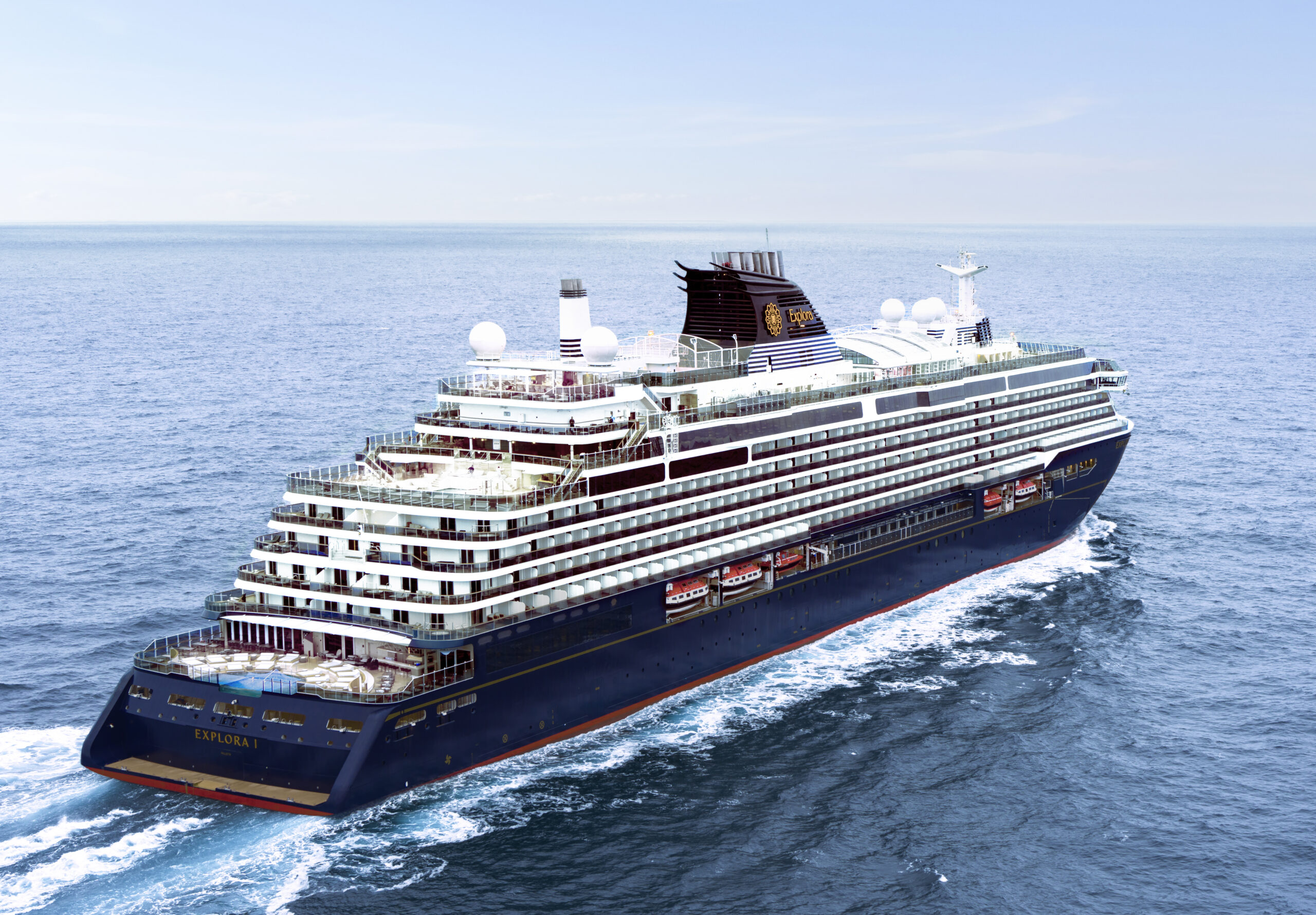
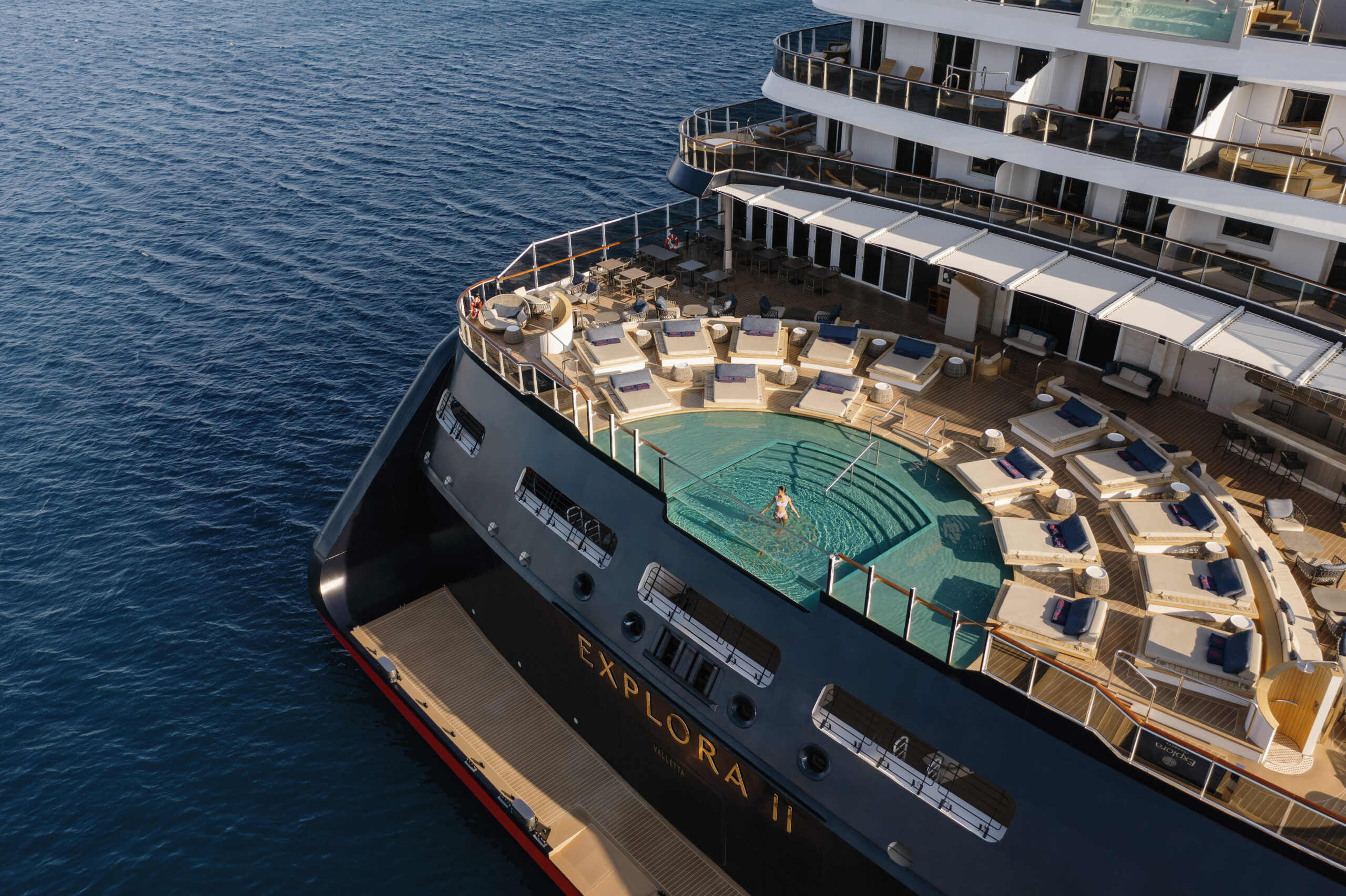
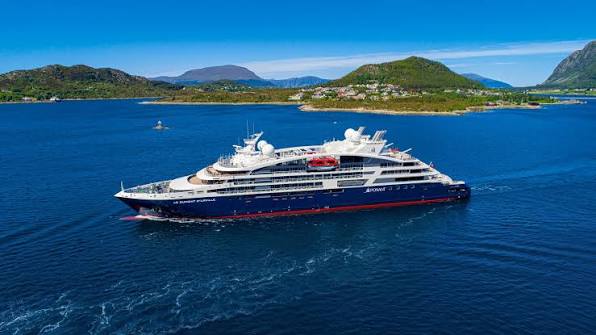
Part of Hapag-Lloyd Cruises’ award-winning fleet, MS Europa will operate bilingually in German and English beginning in January 2026, opening a whole host of exciting voyages for the English-speaking market and offering a laid-back small ship cruising experience.
MS Europa, like the rest of the Hapag-Lloyd Cruises fleet, is
awarded five stars year after year by Insight Guides Cruising &
Cruise Ships, formally the Berlitz Cruise Guide, and offers a
relaxed and stylish ambience on board. From January 2026, MS Europa
will operate bilingually, in German and English, opening up plenty
of exciting itineraries for our discerning guests.
Known locally as 'the gateway to the world', the port of Hamburg has a rich maritime history. Of course the city has its seedy side, as characterised by the old red light district around the Reeperbahn, but it's also a vibrant, progressive city with some excellent museums, galleries and theatres.
Every August sailors from all over the world descend on Cowes for Cowes Week, the world’s oldest sailing regatta, and the town has an unmistakable nautical vibe. Spend some time perusing the upmarket shops, tuck into some fish and chips or head out and explore the Isle of Wight's beautiful coastline.
The picturesque and historic town of Dartmouth is situated at the mouth of the river Dart, on the south coast of Devon. The town has a proud maritime heritage, home to the Royal Naval College, and the streets are lined with attractive 17th and 18th century buildings leaning at rakish angles.
Tresco is the second largest of the Isles of Scilly, privately owned and best known for the famous Abbey Garden. Founded by Augustus Smith in the 1830s on the site of the old Benedictine Abbey, this extraordinary subtropical garden is home to thousands of exotic plant species.
The attractive town of Cobh is situated on an island in Cork Harbour, one of the largest natural harbours in the world. It’s a colourful place with an interesting history; Cobh was the main exit point for thousands who fled Ireland during the famine years, and it was also the final port of call for the ill-fated Titanic.
The beautiful Dingle Peninsula reaches out into the crashing Atlantic surf, culminating in the westernmost point on the Irish mainland. The peninsula’s buzzing ‘capital’, Dingle town, is a charming little place full of lively pubs, colourful shopfronts and toe-tapping traditional Irish music.
Galway is known as the ‘city of festivals’, home to a cosmopolitan mix of artists, musicians and students. Buskers and folk bands provide the soundtrack as you explore the city’s fantastic pubs and pedestrianised streets, and Galway is also a useful base for visiting sights such as the Cliffs of Moher and Connemara National Park.
Killybegs is a bustling fishing port on the Donegal coast, and you’ll see both local and international vessels filling the harbour. The village has some nice pubs worth visiting, and the surrounding countryside is typified by beautiful coastal scenery such as the dramatic Slieve League cliffs.
Disagreements over the correct name for Northern Ireland’s second city date back to 1613, and are unlikely to be resolved any time soon, so let’s focus instead on what the city has to offer. Highlights include the 17th century city walls, a vibrant live music scene and a city centre rejuvenated by Derry’s stint as UK Capital of Culture in 2013. (Greencastle is actually in the Republic, but it's a short drive south to Derry.)
The Isle of Skye is one of Scotland’s most popular tourist destinations, thanks to a spectacular landscape of jagged peaks, misty moors and glassy lochs. The island’s biggest town is Portree, a pleasant little place with a colourful harbour.
The pretty fishing town of Ullapool is a popular gateway to both the Highlands and the Western Isles, bustling with visitors during the summer. There is an excellent museum with exhibits on crofting, fishing and emigration, while just offshore the uninhabited Summer Isles are home to seabirds, dolphins and porpoises.
The flat, windswept Orkney Islands, just off the northeast coast of Scotland, have a distinctive Scandinavian heritage that’s discernible in everything from the unusual place names to the ancient Norse architecture of the capital, Kirkwall. Don’t miss the Ring of Brodgar, a fascinating Neolithic stone circle.
Invergordon’s deep natural harbour makes it a popular jumping off point for the Scottish Highlands, and most cruise ship visitors will head inland on excursions to Loch Ness, Culloden battlefield or the nearby city of Inverness, capital of the Highlands.
Cosmopolitan Edinburgh, Scotland’s lovely capital, is located in spectacular countryside, always visible from the city centre. Striking architecture, lots to see and do, and great food mean that your time here will be very busy. And if your visit coincides with the Festival, you have a treat in store.
Known locally as ‘the gateway to the world’, the port of Hamburg has a rich maritime history. Of course the city has its seedy side, as characterised by the old red light district around the Reeperbahn, but it’s also a vibrant, progressive city with some excellent museums, galleries and theatres.