From Istanbul to Rome (Civitavecchia) · Mediterranean · 11 nights
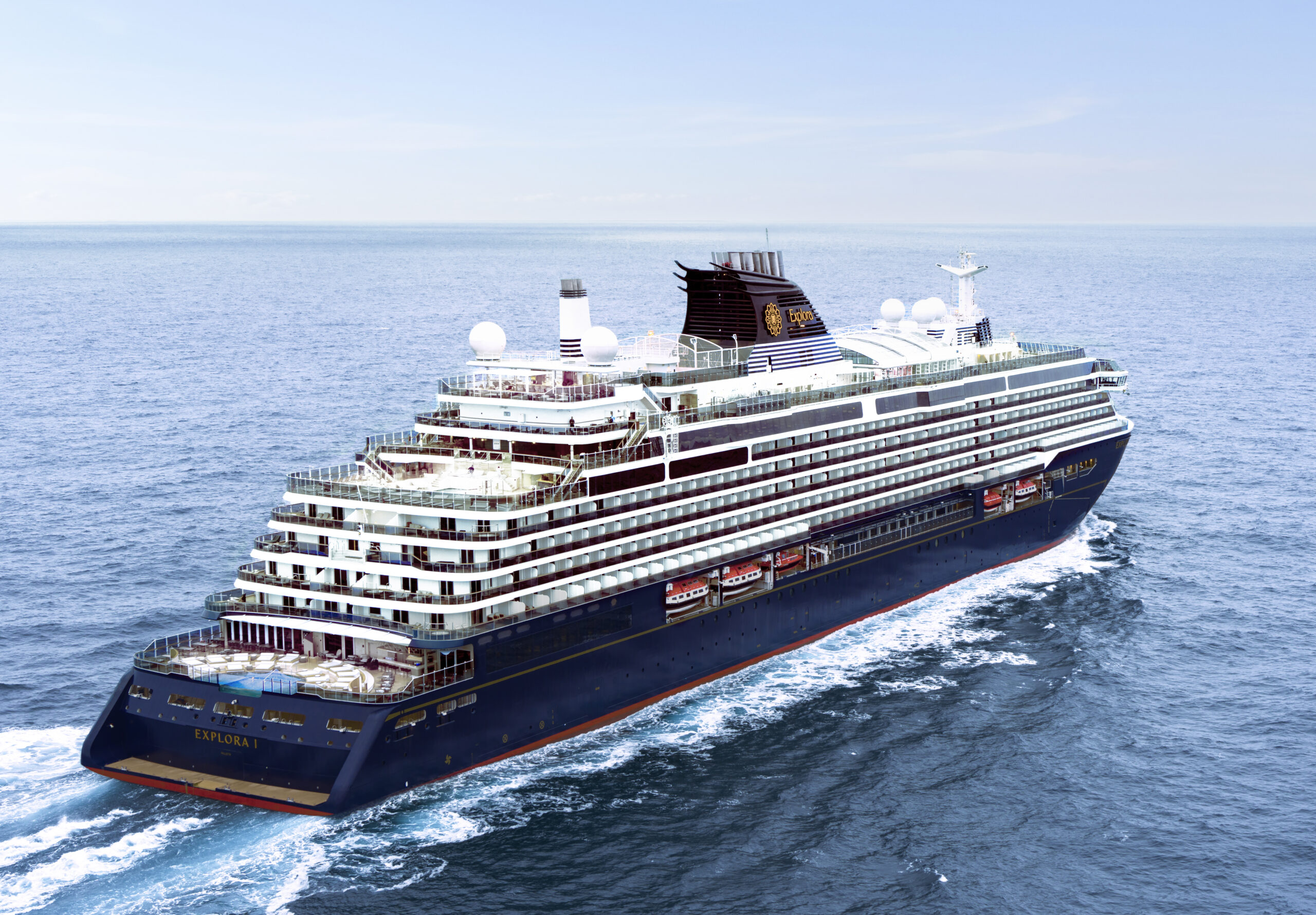
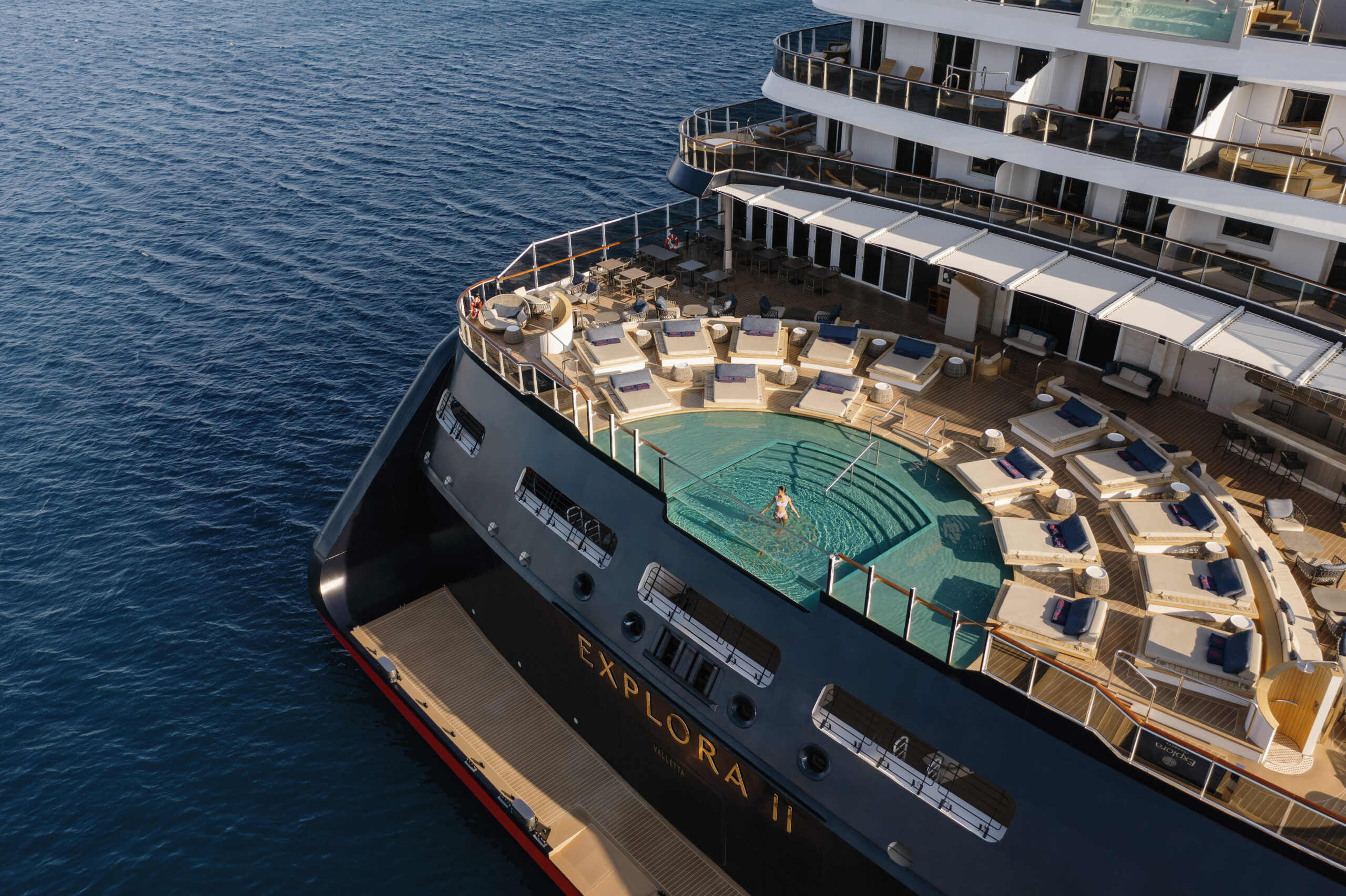
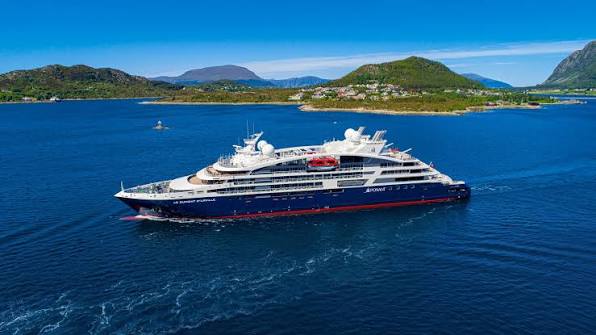
Small enough to operate fascinating port-intensive itineraries, but with the space for dining options, comfortable accommodation and more, sister ships Insignia, Nautica, Regatta and Sirena are for many the perfect size.
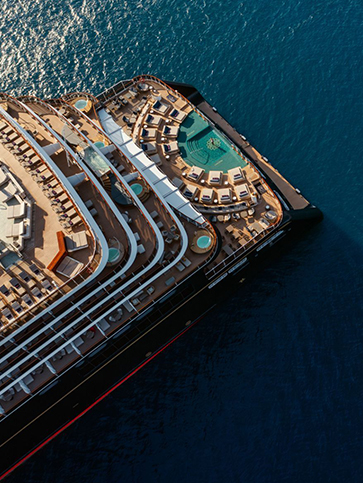
These four boutique style sister ships carry just 684 guests
apiece, with a comfortable, relaxed country house style and plenty
of intimate corners. We love the alternative restaurants – Oceania
is rightly renowned for great food – and the pretty little library
up on deck 10.
This is one of those destinations that really does live up to the hype! Istanbul is the place where East meets West, where Asia Minor reaches out across the Bosphorus and almost touches Europe. In its earlier incarnation as Constantinople, the city was the eastern bastion of the Byzantine Empire, holding out for centuries before finally capitulating to the Ottomans in 1453, and it remains a bristling, bustling cultural melting pot, the skyline dotted with magnificent minarets and domes.
Kavala has a rich history dating back nearly 3,000 years, and was known in antiquity as Neapolis. Many of the city’s most interesting sights were built by the Ottomans, including the aqueduct of Suleyman the Magnificent and the beautiful Imaret, a former religious school.
Greece’s bustling second city has a rich history, shaped by Roman, Byzantine and Ottoman rule, and was once home to a large Jewish community. Sadly many of Thessaloniki’s historic buildings were destroyed by a fire in 1917, but the famous White Tower survives, along with the city’s vibrant, multicultural spirit.
The bustling port of Volos sits on the site of the ancient city of Iolkos, the mythological home of Jason and the Argonauts. The modern city has plenty of interesting museums and churches, along with a pleasant waterfront lined with restaurants.
The Turkish port of Kusadasi is the gateway to Ephesus, one of the most spectacular archaeological sites in the Eastern Mediterranean. This was the Roman capital of Asia Minor, and the remains constitute the most complete classical city in Europe.
Sun-kissed Rhodes, the largest of the Dodecanese islands, is steeped in history; the medieval heart of Rhodes Town was once home to the crusading Knights of St John, and later fell to the Ottoman sultan Suleiman the Magnificent. The hillside village of Lindos, with its pretty whitewashed houses, is another highlight.
The volcanic island of Santorini (known officially as Thira) is one of the most spectacularly beautiful in the Mediterranean. The pretty village of Oia, with its whitewashed houses and windmills tumbling down the hillside, is particularly photogenic.
Malta’s tiny capital, established by the Knights of St John, packs in an awful lot of history considering its diminutive size. The atmospheric old streets, bathed in Mediterranean sunshine, are full of attractive honey-golden buildings, along with an impressive selection of bars and restaurants.
Founded by Greek colonists in 734 BC, Siracusa was once the largest city in the ancient world, surpassing even Athens in its splendour. Highlights include the island of Ortigia, where narrow streets are lined by beautiful Baroque architecture, and the impressive ruins at the Parco Archeologico della Neapolis on the Sicilian mainland.
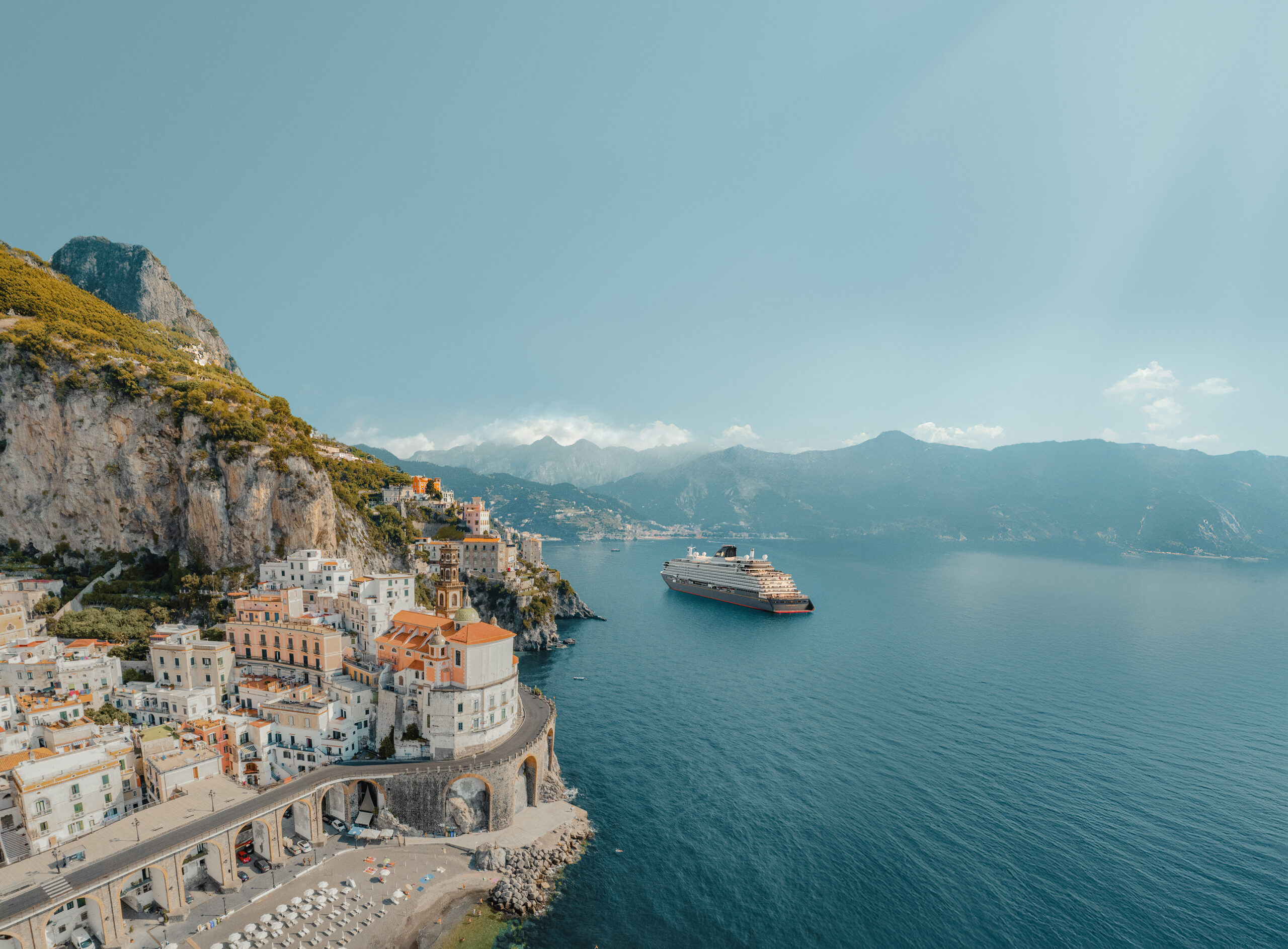
Salerno is the capital of the Campania region, an attractive city at the eastern end of the Amalfi Coast. The historic centre and beautiful seafront promenade are well worth exploring, and the ruins at nearby Paestum make for an interesting day trip.
One of the world’s great cities, Rome continues to dazzle and delight visitors with a potent mix of architectural marvels, continent-defining history and buzzing nightlife. The Colosseum, the Vatican and the Forum are among the big ticket items, with the crowds to match, though in truth you will find history around almost every corner.