From Rosyth (Edinburgh) to Reykjavik · Northern Europe · 14 nights
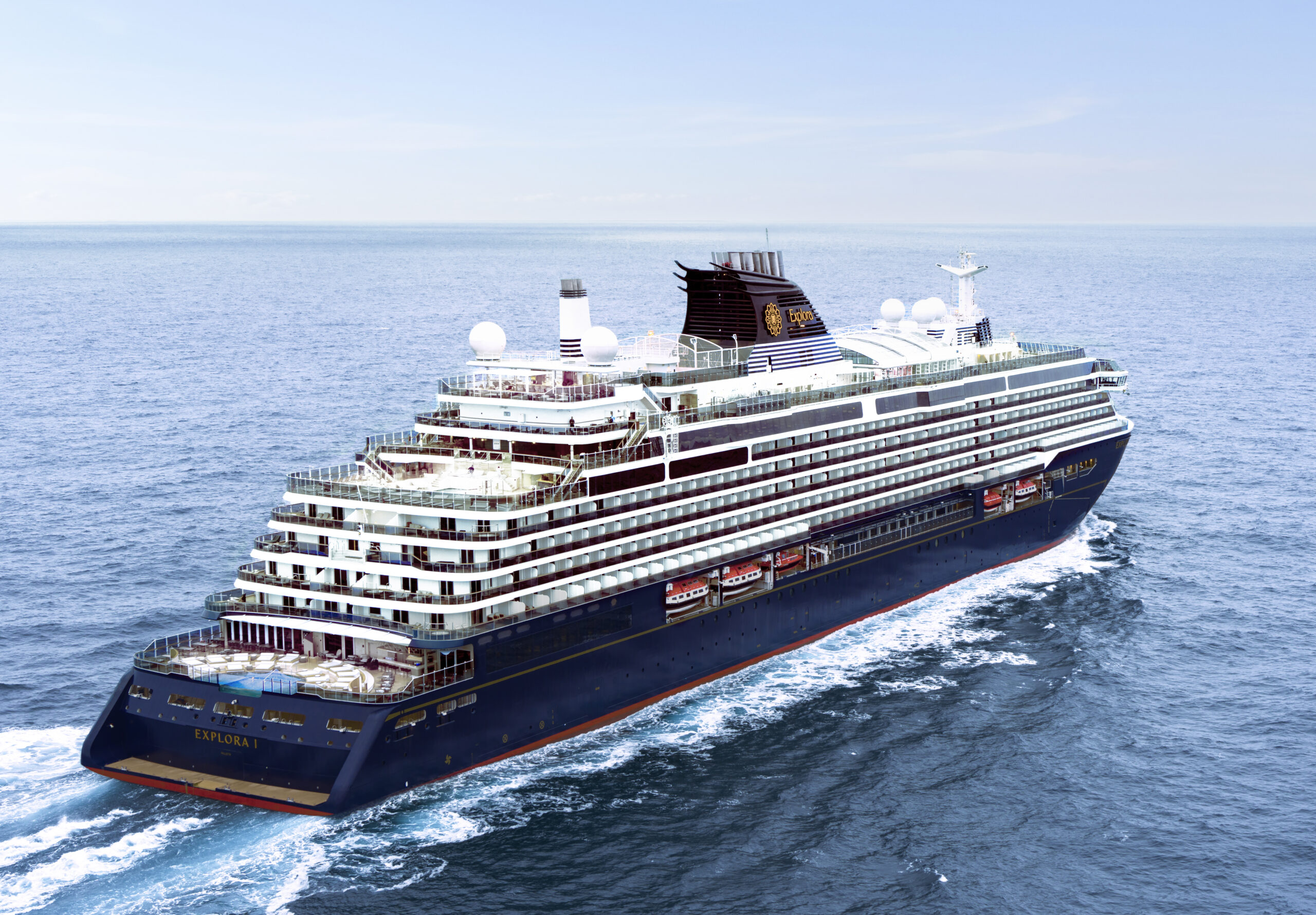
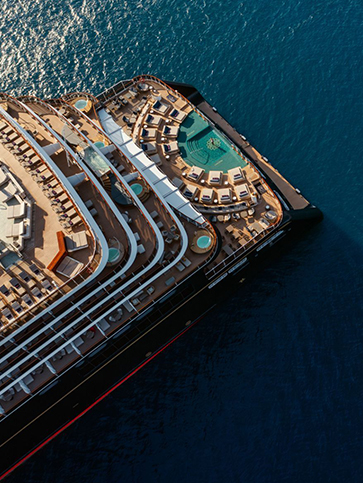
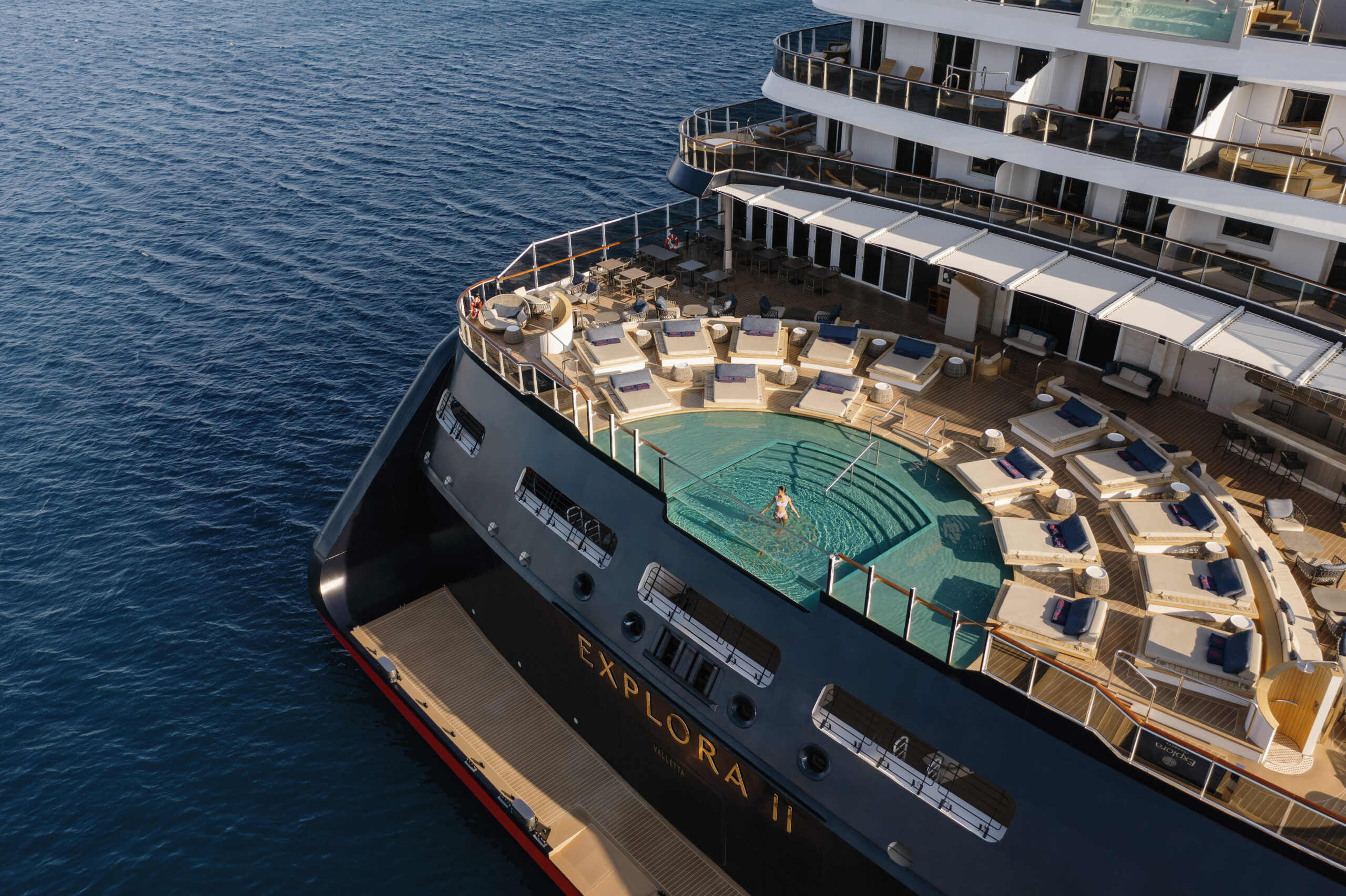
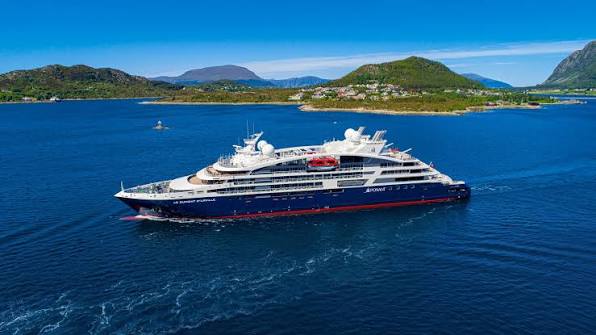
This little ship has an intimate style and personal service, and following a refurbishment in 2021 now offers both expedition and classic itineraries.
Silver Wind is a lovely size; with just 274 guests, she’s a
cruise ship in miniature, and an ice-strengthened hull allows her
to offer both expedition and classic voyages. You can expect all
the facilities and space of a larger ship, with the intimacy of a
small yacht. She’s comfortable in the middle of a great ocean, but
can also slip up rivers and into tiny harbours.
Edinburgh - what a city! The capital city of Scotland has some striking and varied architecture, an imposing Castle, memorable museums and galleries and some wonderful restaurants. And what we love best about this buzzing city is that you can always look up, and there's the beautiful countryside - the Seven Hills - surrounding you. It's a city of inexhaustible delights; in one day alone you could see the Scottish Crown Jewels and Stone of Destiny, follow the Royal Mile to explore narrow closes steeped in history, and go to the Palace of Holyroodhouse, the Edinburgh Dungeon and the Scottish Parliament.
Invergordon’s deep natural harbour makes it a popular jumping off point for the Scottish Highlands, and most cruise ship visitors will head inland on excursions to Loch Ness, Culloden battlefield or the nearby city of Inverness, capital of the Highlands.
Fair Isle is the UK’s most remote inhabited island, lying roughly halfway between Shetland and Orkney. The island is tiny, just 3 miles by 1½ miles, and is renowned for its traditional knitwear. It’s also a birdwatching hotspot, serving as both an important breeding ground for seabirds and as a stopping-off point for migrant species.
The little Isle of Noss, part of the Shetlands, is a nature reserve that hosts over 150,000 seabirds during the breeding season, a truly spectacular sight. Species you can expect to see include gannets, puffins, guillemots and razorbills, and the island is also home to otters, seals, whales and dolphins.
The bird cliffs at Vestmanna are one of the most spectacular sights in the Faroe Islands, home to thousands of puffins, razorbills, guillemots and kittiwakes. Take a boat trip to explore the sea caves at the foot of the near-vertical cliffs, and marvel at the waterfalls that cascade down the rock face.
Seyðisfjörður is one of the highlights of Iceland’s Eastfjords, a cute collection of colourful houses at the head of a dramatic fjord. The backdrop of snowy mountains and cascading waterfalls makes this one of the most picturesque ports in Iceland, and the town is surprisingly cosmopolitan.
The little town of Húsavík, on Iceland’s north coast, enjoys a picturesque setting just across the bay from the imposing Húsavíkurfjall mountain, and is known as Iceland’s whale watching capital. It’s also not far from the fascinating Lake Mývatn if you would prefer to take a land-based excursion.
The remote island of Grímsey lies some 25 miles to the north of the Icelandic mainland, straddling the Arctic Circle. This weather-beaten place has a year-round population of just 60 people, and humans are far outnumbered by the thousands of seabirds that nest on the cliffs, including puffins and Arctic terns.
Bolungarvík is the northernmost town in Iceland’s Westfjords region, a remote fishing settlement of some 950 people. You can learn about the town’s history at the Ósvör museum, a replica of an old fishing station, and the surrounding countryside is popular with hikers, horse riders and bird watchers.
The little island of Vigur is a haven for seabirds during the summer months, when thousands of Atlantic puffins, Arctic terns and black guillemots gather here. The island is also home to a single family-owned sheep farm, a 200-year-old rowing boat and Iceland’s last surviving windmill, built in 1840.
The spectacular Dynjandi waterfall is one of the highlights of Iceland’s Westfjords, cascading down for 100 metres into the bay. The waterfall is often likened to a bridal veil because of the way the water spreads out across the rocks, and the thundering noise of the falls is intense.
Capital of Iceland and gateway to this extraordinary volcanic island, modern Reykjavík is home to an impressive collection of interesting attractions and places of historic significance. Visit the impressive Hallgrímskirkja church, relax in a thermal pool, potter around the old harbour, and enjoy 24 hour daylight in the summer months.