From London (Greenwich) to Reykjavik · Northern Europe · 26 nights
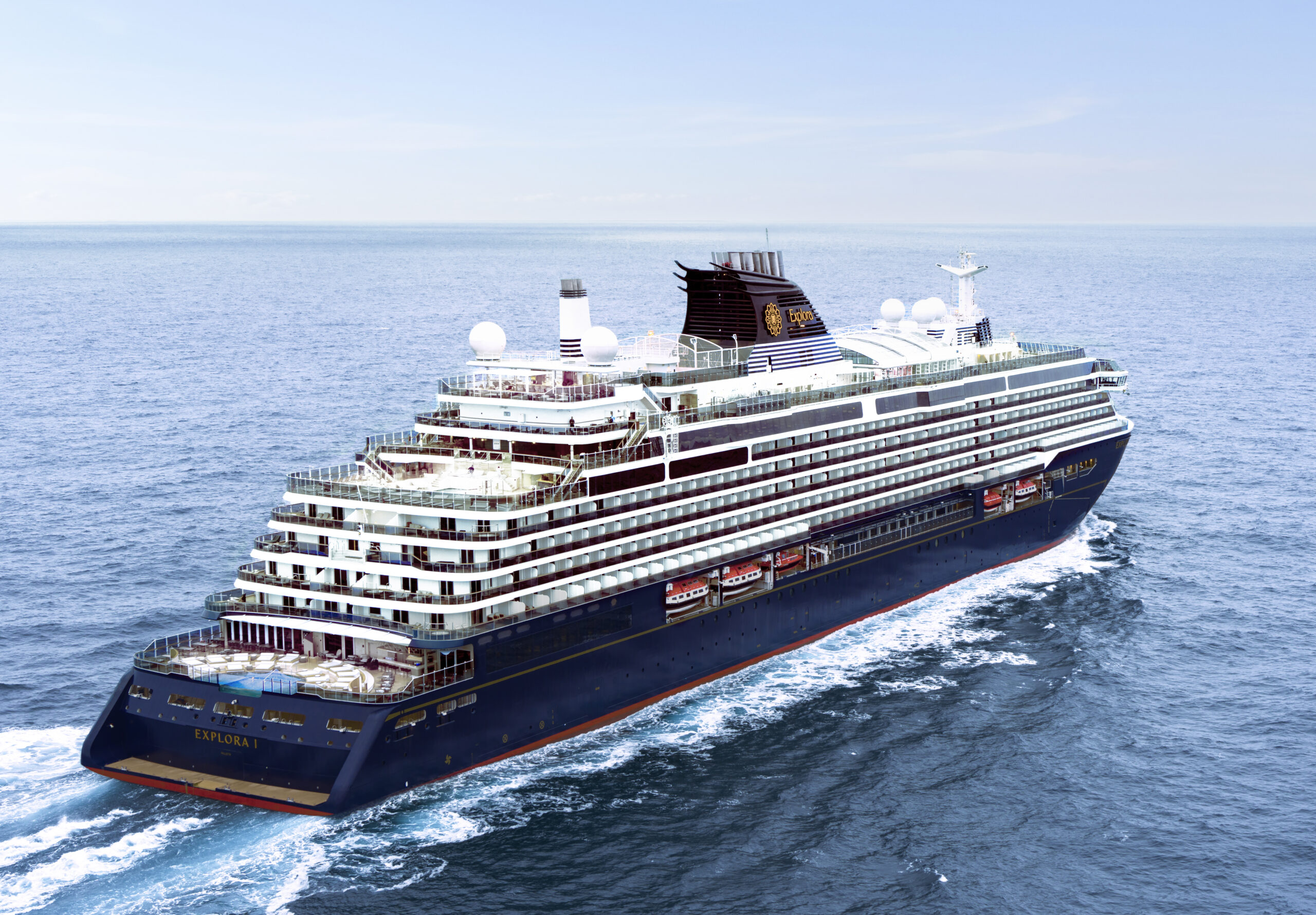
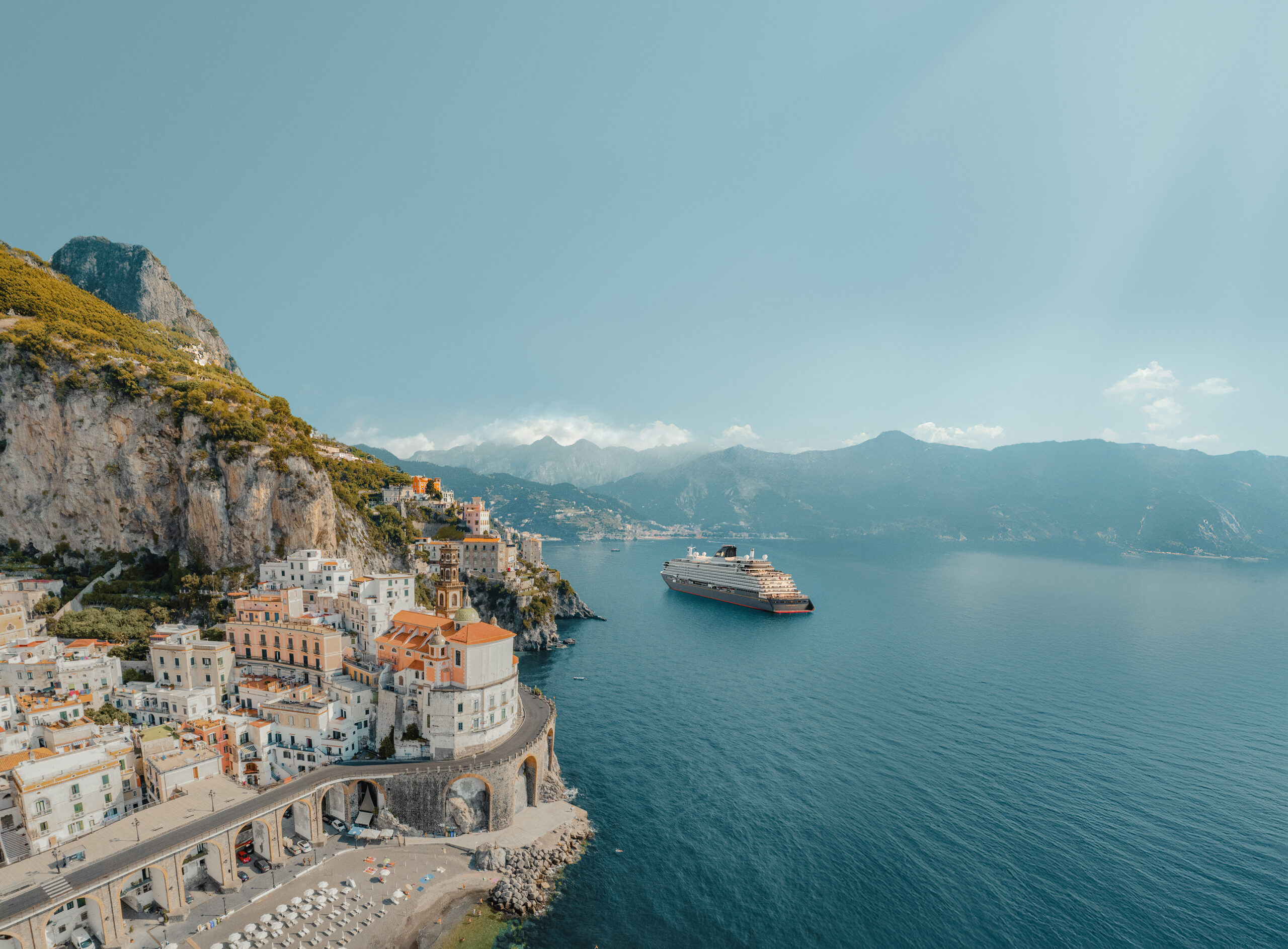
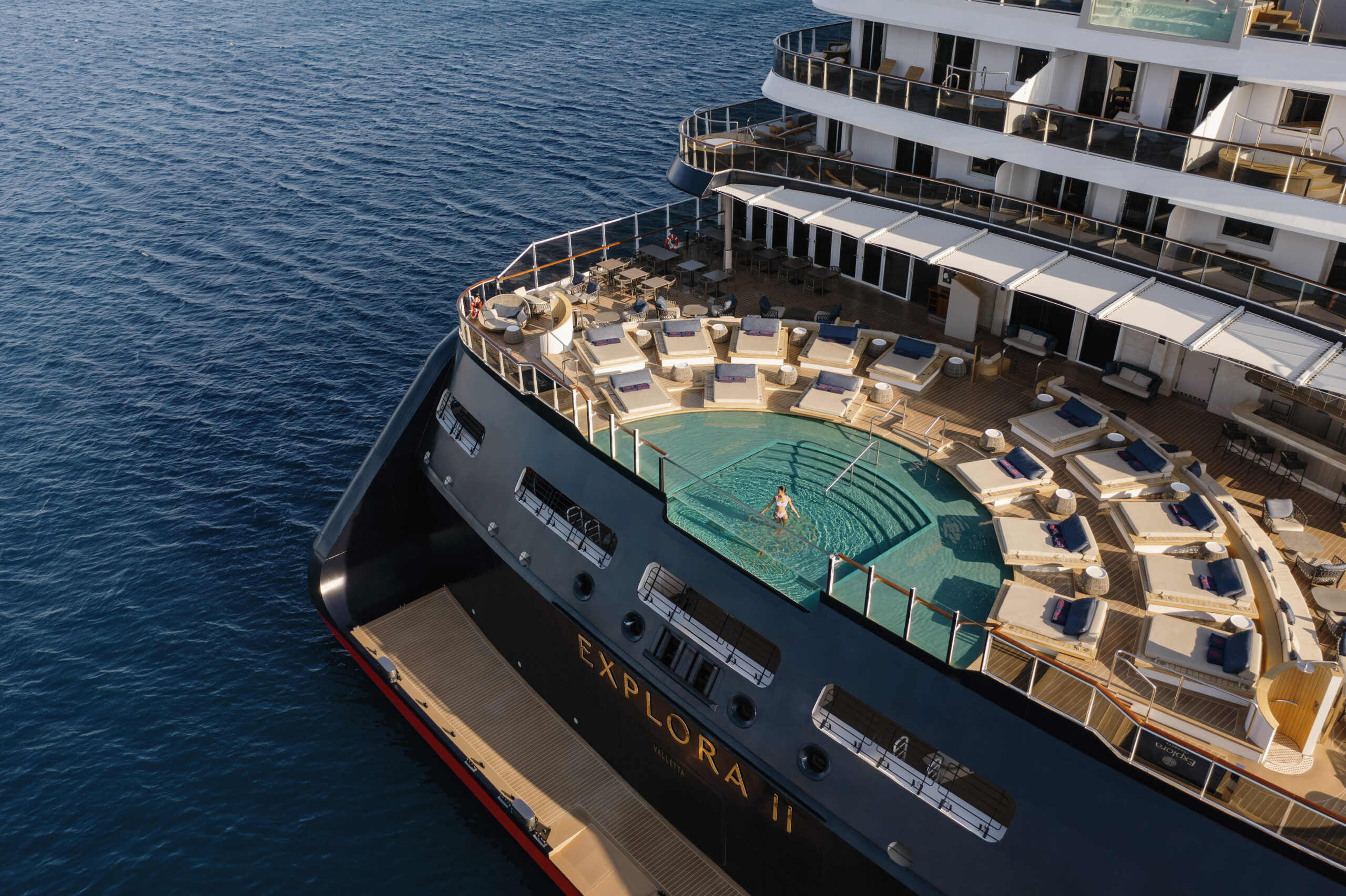
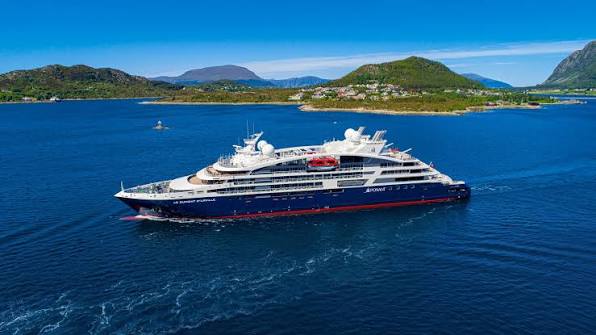
Seabourn has become the latest ultra-luxury cruise line to enter the expedition market with the launch of Seabourn Venture in 2022, followed by sister ship Seabourn Pursuit in 2023.
Seabourn Venture and Pursuit bring the trademark Seabourn style
and sophistication to the world of expedition cruising, with
interiors by designer Adam D Tihany, sumptuous veranda suite
accommodation and immersive adventure activities.
Greenwich is one of London's most fascinating boroughs, rich in maritime history and with a discernible seaside feel, in spite of the fact that it lies just 8 miles downstream from the city centre. This was once the seat of British naval power, and you can learn more about the area's seafaring heritage at the fascinating National Maritime Museum. Other attractions include the Cutty Sark, the O2 Arena and the Royal Observatory, where you can straddle two hemispheres by placing one foot either side of the Greenwich Meridian Line.
White Cliffs Country is a fascinating region, one packed with history and natural beauty. We think there is no sight like that of the stunning cliffs rising from the sea, topped by the fortifications of Dover Castle, and surrounded by lush green countryside.
The island of Guernsey draws visitors south from the British mainland with its more favourable climate and beautiful coastline. The capital, St Peter Port, is a lovely little town of cobbled streets and elegant architecture, and there are also several interesting museums dedicated to the island’s occupation by the Nazis during the Second World War.
Plymouth has a fine seafaring heritage, and it was here that the Pilgrim Fathers set sail for the New World on board the Mayflower. The city was badly damaged during the Second World War, but an ongoing regeneration project is breathing new life into the waterfront, and nearby attractions include Buckfast Abbey and Dartmoor National Park.
Holyhead is best known as the departure point for ferries to Ireland, but it’s also the gateway to the enchanting island of Anglesey. This green and ancient land was once a druid stronghold, and the rugged landscape is crowned with some of the most beautiful castles in Wales.
The city of Dublin has something for everyone with great shopping, beautiful Georgian architecture, lovely parks, galleries and museums. Everywhere you go you will be bowled away by the jovial Irish welcome. Don’t miss the chance to sample a local pint of Guinness.
Rugged and unspoilt, peaceful and perhaps a little parochial, the Isle of Man is proud to be different. The island has its own government, the Tynwald, which is said to be the oldest continuous parliament in the world, as well as its own language and even its own currency, the Manx pound.
The popular resort town of Portrush is well located for the attractions of the Antrim Coast, including the spectacular UNESCO-listed Giant’s Causeway and the ruins of Dunluce Castle, which has been used as a filming location for the TV series ‘Game of Thrones’.
Sparsely populated Rathlin Island, off the coast of Northern Ireland, is home to thousands of seabirds, including puffins, kittiwakes, razorbills and guillemots. This is also where Robert the Bruce famously took refuge in a cave when he was driven out of Scotland by the English.
The 1998 Good Friday Agreement was a watershed moment for Northern Ireland, and its rejuvenated capital is enjoying a surge in popularity. The new Titanic Belfast museum is the star attraction, while the city centre boasts some handsome Victorian architecture and a lively pub scene.
The flat, windswept Orkney Islands, just off the northeast coast of Scotland, have a distinctive Scandinavian heritage that’s discernible in everything from the unusual place names to the ancient Norse architecture of the capital, Kirkwall. Don’t miss the Ring of Brodgar, a fascinating Neolithic stone circle.
Lerwick is the only town of any size in the Shetland islands, and originally grew up around the herring trade. Highlights include the charming 18th century architecture along the waterfront and the informative Shetland Museum, which provides an excellent introduction to the history and culture of the islands.
Fair Isle is the UK’s most remote inhabited island, lying roughly halfway between Shetland and Orkney. The island is tiny, just 3 miles by 1½ miles, and is renowned for its traditional knitwear. It’s also a birdwatching hotspot, serving as both an important breeding ground for seabirds and as a stopping-off point for migrant species.
Lerwick is the only town of any size in the Shetland islands, and originally grew up around the herring trade. Highlights include the charming 18th century architecture along the waterfront and the informative Shetland Museum, which provides an excellent introduction to the history and culture of the islands.
The little Isle of Noss, part of the Shetlands, is a nature reserve that hosts over 150,000 seabirds during the breeding season, a truly spectacular sight. Species you can expect to see include gannets, puffins, guillemots and razorbills, and the island is also home to otters, seals, whales and dolphins.
The little island of Vigur is a haven for seabirds during the summer months, when thousands of Atlantic puffins, Arctic terns and black guillemots gather here. The island is also home to a single family-owned sheep farm, a 200-year-old rowing boat and Iceland’s last surviving windmill, built in 1840.
Tórshavn, named after the Norse god Thor, is one of the world’s smallest capitals, with a population of just 20,000. The brightly coloured facades and turfed roofs lend the harbour an attractive, storybook quality, and the narrow streets are home to some atmospheric pubs and cafés.
Klaksvík is the second largest town in the Faroe Islands, a bustling fishing harbour of around 5,000 inhabitants and the gateway to the Northern Isles. The sheltered bay is surrounded by vivid green mountains flecked with wildflowers, and the region is rich in seabirds including puffins.
Djúpivogur is a little fishing village on the east coast of Iceland, at the mouth of a steep fjord, and has recently joined the ‘slow city’ movement, the first place in Iceland to do so. A popular excursion is the boat trip across to Papey island, where you’ll find thousands of seabirds and Iceland’s oldest wooden church
The remote island of Grímsey lies some 25 miles to the north of the Icelandic mainland, straddling the Arctic Circle. This weather-beaten place has a year-round population of just 60 people, and humans are far outnumbered by the thousands of seabirds that nest on the cliffs, including puffins and Arctic terns.
Siglufjörður is the most northerly town on the Icelandic mainland, a remote little fishing port backed by imposing mountains. You can learn about the town’s history at the herring museum, explore the local culture at the Folk Music Centre or head out on one of the scenic hiking trails around the fjord.
The spectacular Dynjandi waterfall is one of the highlights of Iceland’s Westfjords, cascading down for 100 metres into the bay. The waterfall is often likened to a bridal veil because of the way the water spreads out across the rocks, and the thundering noise of the falls is intense.
Patreksfjörður is the largest village in the southern part of the Westfjords, and was named after St Patrick of Ireland. From here it’s easy to visit attractions including the famous Látrabjarg cliffs, home to thousands of nesting seabirds, and the dramatic Dynjandi waterfall.
Capital of Iceland and gateway to this extraordinary volcanic island, modern Reykjavík is home to an impressive collection of interesting attractions and places of historic significance. Visit the impressive Hallgrímskirkja church, relax in a thermal pool, potter around the old harbour, and enjoy 24 hour daylight in the summer months.