
From Amsterdam to Budapest · Europe (River) · 14 nights
From Amsterdam to Budapest
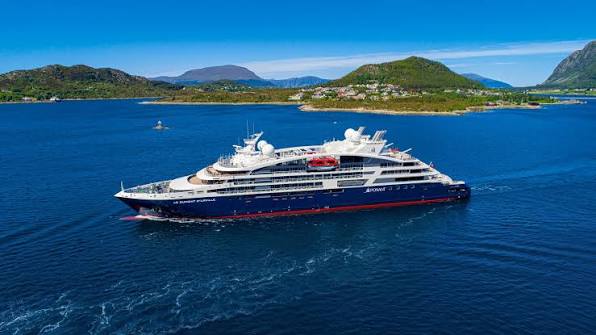
Viking’s award winning Longships are the success story of river cruising with sleek Scandinavian design and innovative engineering.
Viking Longships have led the way in the expansion of the river
cruise industry. With understated interiors, comfortable staterooms
and suites, a great main restaurant and excellent terrace offering
a lovely spot for a casual meal al fresco, they operate on Viking’s
most popular itineraries and consistently deliver to Viking’s ever
increasing clientele.
Amsterdam is one of our very favourite cities to visit, as well as also being a perfect base to explore the nearby landscape of windmills and dikes. The Amsterdam canal belt is now officially recognized as a UNESCO World Heritage site, and from them there are so many neighbourhoods to explore, such as the Jordaan with its higgledy-piggledy streets and its famed garden courtyards (hofjes). There are also a wealth of famous museums and galleries to choose from, such as the Van Gogh Museum, the Rijksmuseum and the Anne Frank House, not to mention some more, shall we say, quirky options.
Situated just to the north of Dordrecht, the UNESCO-listed Kinderdijk is one of the most photographed locations in the Netherlands. This is a quintessentially Dutch landscape of canals, marshes and 19 beautiful windmills that were built to protect the land from flooding.
Cologne is a wonderfully warm and welcoming city, its skyline dominated by one of the most beautiful Gothic cathedrals in Europe. You will likely spend most of your time in the attractive Altstadt (Old Town), home to beer halls aplenty and some fascinating museums.
Koblenz was founded by the Romans, who valued the city’s strategically important location where the Rhine and Moselle rivers meet. Rebuilt from the rubble of the Second World War, modern Koblenz has a pleasant and relaxed atmosphere, and serves as a gateway to the Romantic Rhine.
The quaint little Bavarian town of Miltenberg sits on the Main river to the southeast of Frankfurt, with a beautiful old town that survived the Second World War unscathed. Timber-framed buildings lean at jaunty angles overhead, not least in the ‘Black Quarter’, where the streets are so narrow that the sunlight barely reaches ground level.
The handsome town of Würzburg, situated on the river Main between Nuremberg and Frankfurt, was ruled for centuries by a succession of powerful prince-bishops. Although much of the city was destroyed during the Second World War, the majestic 18th century Residenz palace stands as a testament to the wealth of the bishopric.
Bamberg’s eye-catching, UNESCO-listed old town is one of the most beautiful in all of Germany. The city was briefly capital of the Holy Roman Empire, and the city centre is still dominated by the 13th century cathedral. There are also plenty of breweries, and you shouldn’t leave without trying Bamberg’s famous smoked beer.
Nuremberg, Bavaria’s second city, first pops up in the history books in 1050 as a stronghold of the Franks, and later became the unofficial capital of the Holy Roman Empire. Nowadays the city is a tourist magnet thanks to the beautifully restored old town, Christmas markets and excellent beer.
Originally founded by the Celts and later an important Roman settlement, Regensburg is one of Bavaria’s lesser known gems. Situated on the northernmost bend of the Danube, it’s a friendly and laid back city, with an exceptionally well preserved medieval centre.
The pretty Bavarian town of Passau, situated close to Germany’s border with Austria, enjoys a unique setting at the confluence of three rivers: the Inn, the Ilz and the Danube. The narrow cobbled streets of the handsome old town, the Altstadt, are quite delightful.
The riverside village of Melk is best known for its spectacular abbey, a Baroque masterpiece that dominates the landscape. A Benedictine abbey was first established here in 1089, and the 18th century reconstruction that you can see today is still a working monastery.
Krems sits on the river Danube at the eastern end of the beautiful Wachau Valley, surrounded by vineyards. It’s an attractive old town, with pretty cobbled streets and a good selection of galleries and museums, as well as some excellent restaurants.
Formerly the centre of the Habsburg Empire, Vienna is as grand a European capital as you can imagine, jam packed full of thrusting, bombastic buildings that stand as a reminder of Austria’s glorious imperial heyday.
Budapest is one of Eastern Europe’s most appealing cities, a vibrant and welcoming capital that straddles the Danube. The history of Budapest has been somewhat turbulent, but plenty of beautiful buildings survive, including the imposing Parliament and iconic St Stephen’s Basilica.