From Nice to Palermo · Mediterranean · 7 nights
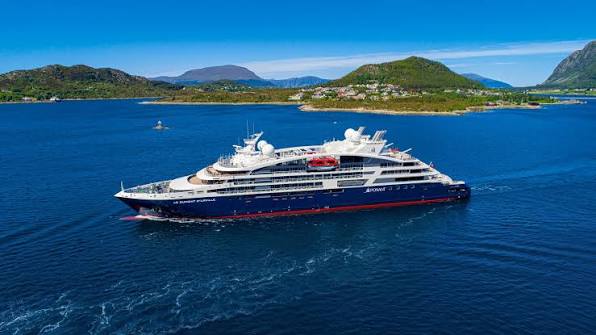
Le Ponant is a beautiful three-masted sailing yacht carrying just 32 guests, small enough to visit some of the world’s most secluded harbours.
Ponant’s most intimate ship came into service over 20 years ago,
but is still much loved today. The yacht is ultra sleek in its
design, and the modern staterooms all have porthole windows. The
mostly francophone guests love the al fresco nature of the public
spaces, with a large sundeck, outdoor restaurant and swimming
marina, and you’ll always feel connected to the sea.
Nice enjoys a marvellous setting on one of the most glorious stretches of the Côte d'Azur, the sweeping Bay of Angels, so it's no wonder that tourists have been flocking here since the 19th century. A stroll along the waterfront Promenade des Anglais, flanked by palm trees on one side and the dazzling blue of the Mediterranean on the other, is the quintessential Niçois experience, and one we'll never tire of. Do try and make some time to explore the old town as well though; it's a maze of wonderfully winding streets, some of which may be barely wide enough to squeeze through after that hearty seafood lunch!
This tiny village on the Ligurian coast must be one of the most photographed spots in Italy, and no wonder; brightly coloured houses cling to the hillside overlooking a delightfully picturesque little harbour, where fishing boats gently bob alongside luxury yachts.
The colourful facades along Portovenere’s UNESCO-listed harbourfront make this one of the most picturesque villages on the Ligurian coast, and it has often been described as the ‘sixth town’ of the Cinque Terre. Wandering the narrow alleyways is a delight, and it’s worth the climb to the impressive hilltop Castle Doria.
The island of Elba, just off the Tuscan coast, is where Napoleon Bonaparte was famously forced to live in exile between 1814-15. It’s hard to feel too sorry for him, though; the views from his plush Villa dei Mulini, situated high above the town of Portoferraio, are quite spectacular.
Ponza is the largest of the Pontine islands, situated out in the Tyrrhenian Sea to the west of Naples. Sometimes described as a more authentic alternative to Capri, the island is notable for its natural beauty and Neapolitan-influenced cuisine, and has a reputation as a hideaway for the rich and famous.
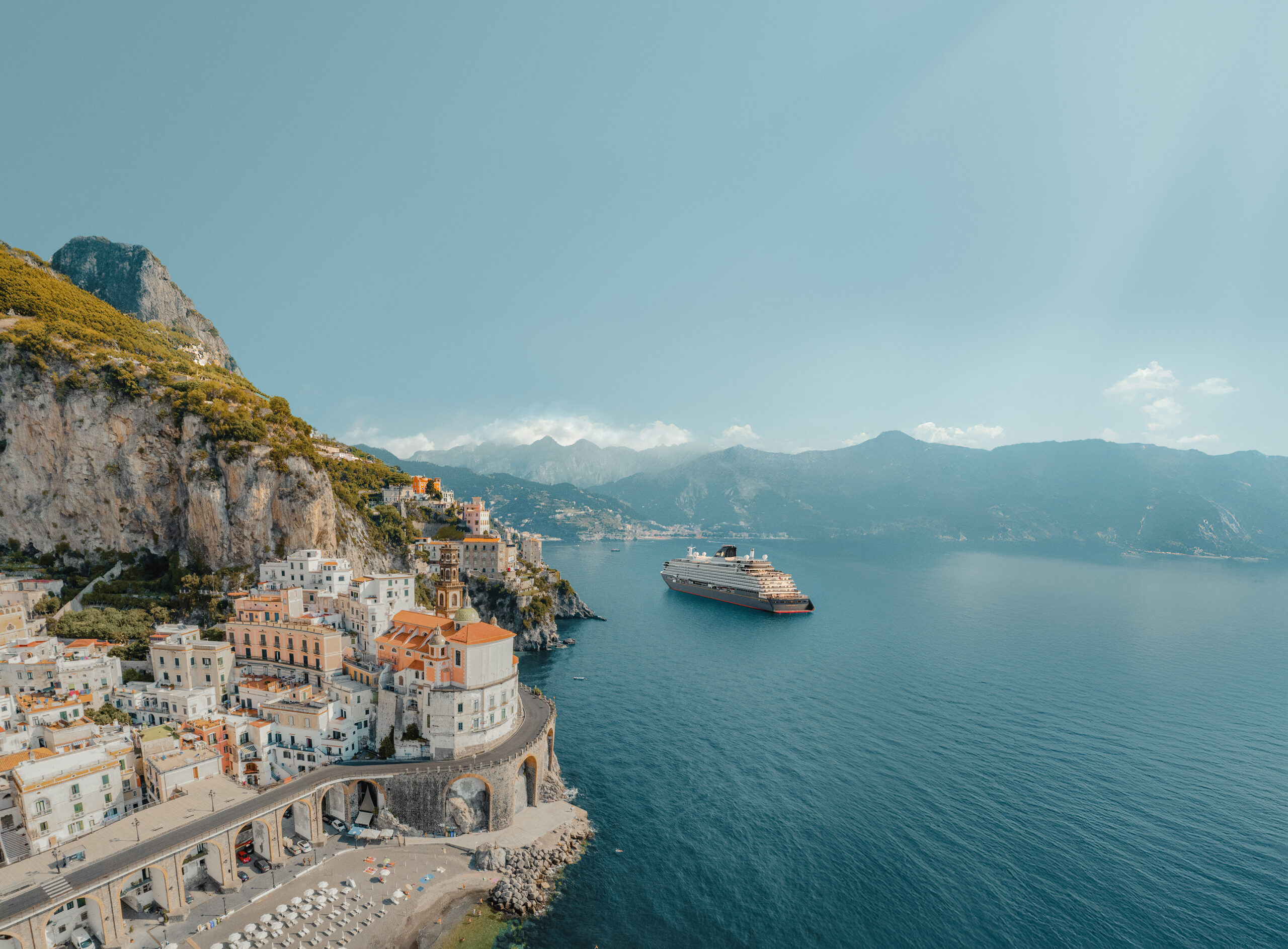
The picturesque little town of Amalfi was once a major Mediterranean naval power, but a devastating earthquake in 1343 cut the city down in its prime and destroyed most of its historic buildings. These days, of course, Amalfi is best known for the eponymous stretch of stunning coastline on which it sits.
Lipari is the largest of the Aeolian Islands, a volcanic archipelago to the north of Sicily. The main port is Lipari Town, a charming little harbour of pastel-coloured houses, fishing boats and enticing restaurants, overlooked by the imposing 13th century citadel.
The Aeolian island of Stromboli, just to the north of Sicily, is famous for being one of the most active volcanoes in the world. There are three active craters at the top of the 3,000-foot cone, and the volcano has been erupting more or less continuously for at least 2,000 years.
Palermo is an acquired taste; noisy, chaotic and rather grimey in places. But there’s something quite intoxicating about the crumbling facades and the bustling markets, and the Arabesque style of many of the buildings hints at Sicily’s historical role as a stepping stone between Europe and North Africa.