From Bergen to Budapest · Northern Europe · 21 nights
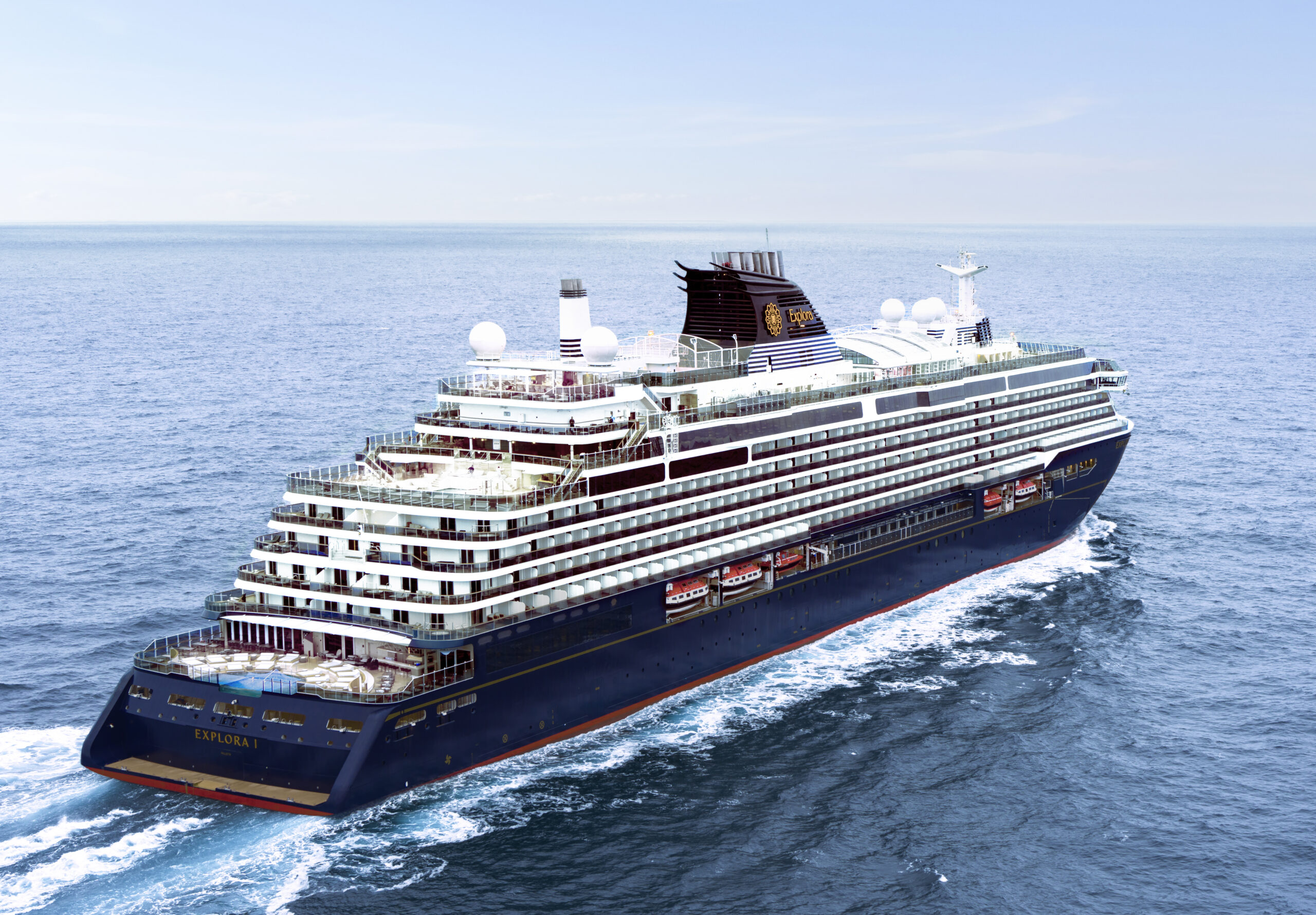
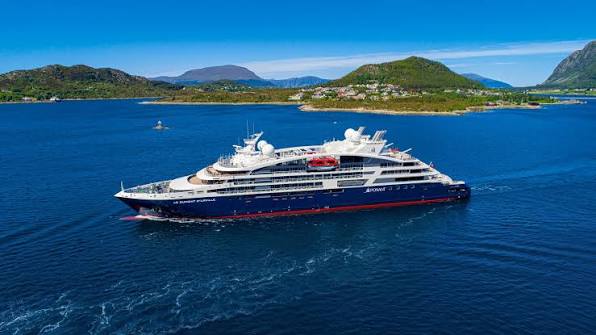
Viking’s hugely successful river cruise operation expanded into ocean cruising with a fleet of ten contemporary 930-guest ocean ships featuring attractive inclusive pricing and interesting itineraries. A slightly larger ship joined the fleet in 2024 with two additional ships scheduled in 2025 and 2026 each carrying 998 guests.
The airy contemporary style of the ships, with fresh Nordic
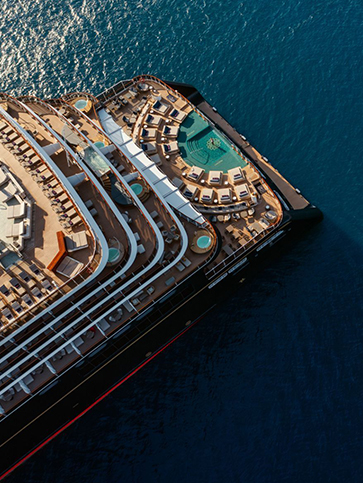
décor, is most appealing. Add to that the huge choices in dining
and other facilities, and veranda staterooms throughout, not to
mention included shore excursions and an excellent spa, and you
have a winner. In 2024 Viking Vela joined the fleet which is very
slightly larger, carrying 998 guests, yet identical in all other
respects to her predecessors. Two further 998-guest ships, Viking
Vesta and Viking Mira, launch in 2025 and 2026 respectively.
Beautiful Bergen, Norway's former capital, is a perfect city to explore on foot. Bryggen - the old Hanseatic wharf, and a UNESCO World Heritage site - still has the old harbour timber buildings, whilst other attractions include the funicular up Mount Floyen, with stunning views when you reach the top, and the busy fish market.
Dramatically located at the head of the Aurlandsfjord, the picturesque little village of Flåm is a popular base for excursions into Norway’s great outdoors. Strike out into the surrounding countryside and you’ll find steep mountains, cascading waterfalls and bucolic farms, with some spectacular walking and cycling trails.
The quiet town of Sandnes lies just to the south of Stavanger, and is close to the Lysefjord, one of the most popular tourist destinations in southern Norway. This beautiful fjord is famous for the Preikestolen, or Pulpit Rock, which juts out across the fjord and has graced countless postcards.
You might not expect to find a beach resort in Norway, but the sunny city of Kristiansand is where Norwegians go for a spot of fun by the seaside. There are plenty of family-friendly attractions, including a zoo, and it’s also a good base for exploring the pretty fishing villages of the south coast.
The intriguing city of Oslo, Norway’s capital, has so much to offer, from the open air Norwegian Folk Museum to the amazing Vigeland sculpture park, and from the Holmenkollen Ski Museum to the Munch Museum’s collection of memorable paintings. History, art and culture are what defines this lovely city.
Situated at the very northern tip of Jutland, Skagen is famed for its wonderful light and beautiful coastal scenery, which attracted many artists during the 19th century. Today it’s a popular destination for well-to-do Danes, drawn here by the beaches, charming architecture and spectacular sunsets.
Amsterdam is one of our very favourite cities to visit, as well as also being a perfect base to explore the nearby landscape of windmills and dikes. There is a wealth of famous museums and galleries to choose from, such as the Van Gogh Museum, the Rijksmuseum and the Anne Frank House.
Situated just to the north of Dordrecht, the UNESCO-listed Kinderdijk is one of the most photographed locations in the Netherlands. This is a quintessentially Dutch landscape of canals, marshes and 19 beautiful windmills that were built to protect the land from flooding.
Cologne is a wonderfully warm and welcoming city, its skyline dominated by one of the most beautiful Gothic cathedrals in Europe. You will likely spend most of your time in the attractive Altstadt (Old Town), home to beer halls aplenty and some fascinating museums.
Koblenz was founded by the Romans, who valued the city’s strategically important location where the Rhine and Moselle rivers meet. Rebuilt from the rubble of the Second World War, modern Koblenz has a pleasant and relaxed atmosphere, and serves as a gateway to the Romantic Rhine.
The quaint little Bavarian town of Miltenberg sits on the Main river to the southeast of Frankfurt, with a beautiful old town that survived the Second World War unscathed. Timber-framed buildings lean at jaunty angles overhead, not least in the ‘Black Quarter’, where the streets are so narrow that the sunlight barely reaches ground level.
The handsome town of Würzburg, situated on the river Main between Nuremberg and Frankfurt, was ruled for centuries by a succession of powerful prince-bishops. Although much of the city was destroyed during the Second World War, the majestic 18th century Residenz palace stands as a testament to the wealth of the bishopric.
Bamberg’s eye-catching, UNESCO-listed old town is one of the most beautiful in all of Germany. The city was briefly capital of the Holy Roman Empire, and the city centre is still dominated by the 13th century cathedral. There are also plenty of breweries, and you shouldn’t leave without trying Bamberg’s famous smoked beer.
Nuremberg, Bavaria’s second city, first pops up in the history books in 1050 as a stronghold of the Franks, and later became the unofficial capital of the Holy Roman Empire. Nowadays the city is a tourist magnet thanks to the beautifully restored old town, Christmas markets and excellent beer.
Originally founded by the Celts and later an important Roman settlement, Regensburg is one of Bavaria’s lesser known gems. Situated on the northernmost bend of the Danube, it’s a friendly and laid back city, with an exceptionally well preserved medieval centre.
The pretty Bavarian town of Passau, situated close to Germany’s border with Austria, enjoys a unique setting at the confluence of three rivers: the Inn, the Ilz and the Danube. The narrow cobbled streets of the handsome old town, the Altstadt, are quite delightful.
The riverside village of Melk is best known for its spectacular abbey, a Baroque masterpiece that dominates the landscape. A Benedictine abbey was first established here in 1089, and the 18th century reconstruction that you can see today is still a working monastery.
Krems sits on the river Danube at the eastern end of the beautiful Wachau Valley, surrounded by vineyards. It’s an attractive old town, with pretty cobbled streets and a good selection of galleries and museums, as well as some excellent restaurants.
Formerly the centre of the Habsburg Empire, Vienna is as grand a European capital as you can imagine, jam packed full of thrusting, bombastic buildings that stand as a reminder of Austria’s glorious imperial heyday.
Budapest is one of Eastern Europe’s most appealing cities, a vibrant and welcoming capital that straddles the Danube. The history of Budapest has been somewhat turbulent, but plenty of beautiful buildings survive, including the imposing Parliament and iconic St Stephen’s Basilica.