From Istanbul to Rome (Civitavecchia) · Mediterranean · 9 nights
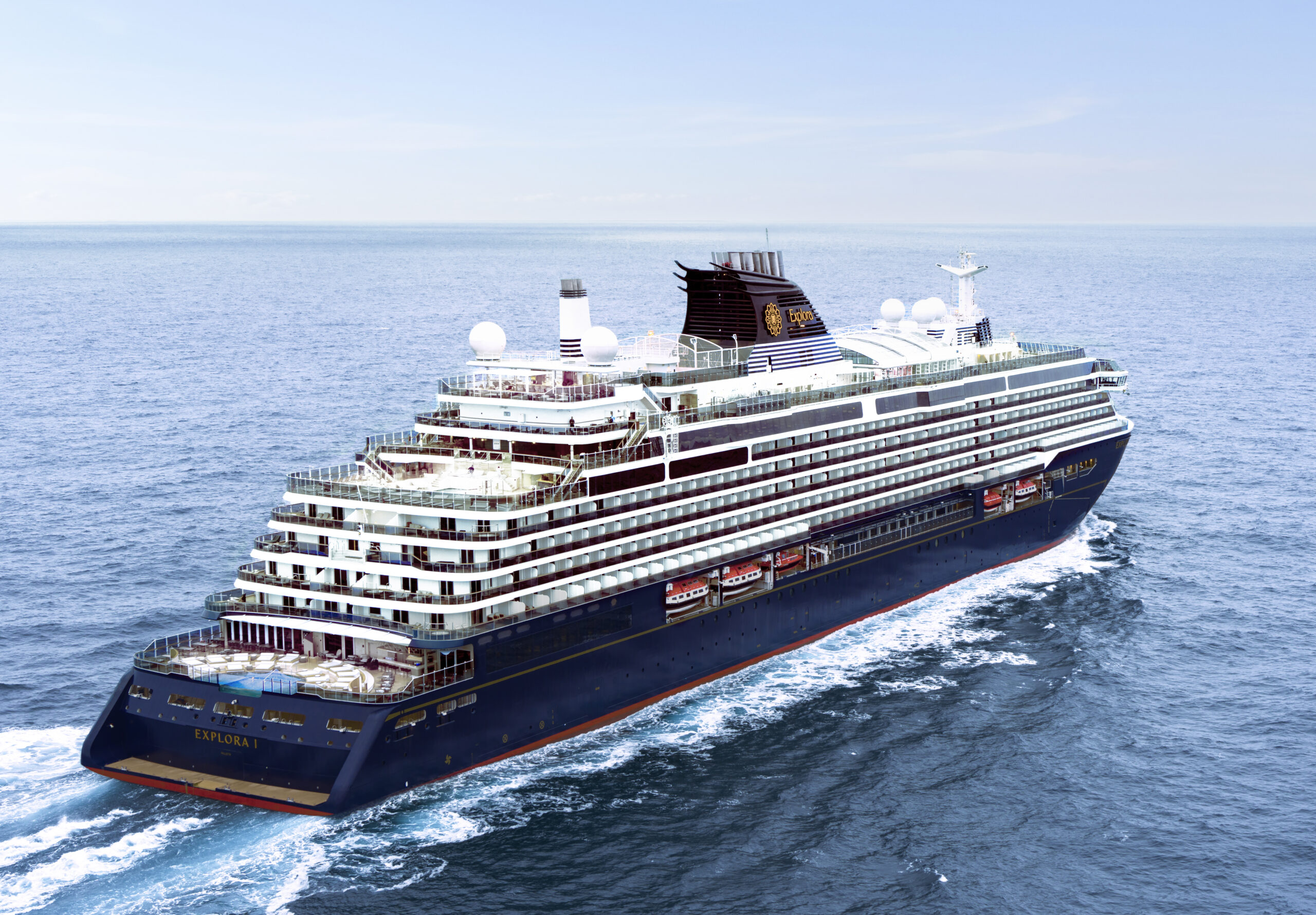
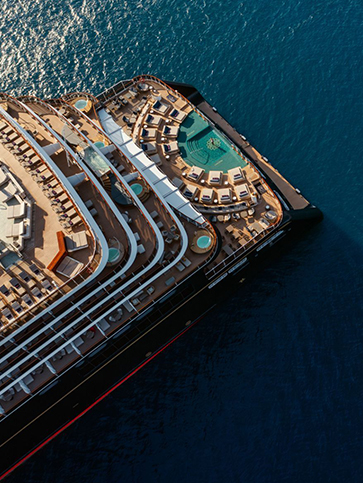
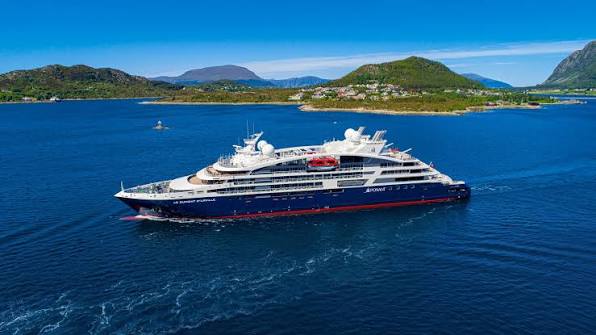
Small enough to operate fascinating port-intensive itineraries, but with the space for dining options, comfortable accommodation and more, sister ships Insignia, Nautica, Regatta and Sirena are for many the perfect size.
These four boutique style sister ships carry just 684 guests
apiece, with a comfortable, relaxed country house style and plenty
of intimate corners. We love the alternative restaurants – Oceania
is rightly renowned for great food – and the pretty little library
up on deck 10.
This is one of those destinations that really does live up to the hype! Istanbul is the place where East meets West, where Asia Minor reaches out across the Bosphorus and almost touches Europe. In its earlier incarnation as Constantinople, the city was the eastern bastion of the Byzantine Empire, holding out for centuries before finally capitulating to the Ottomans in 1453, and it remains a bristling, bustling cultural melting pot, the skyline dotted with magnificent minarets and domes.
Lesvos is the third largest of the Greek islands, with a landscape ranging from arid plains and rocky outcrops to lush olive groves, forested mountains and sandy beaches. Highlights include the beautiful harbour at Molyvos and the ruined Byzantine fortress that overlooks Mytilini, the island’s lively capital.
The Turkish port of Kusadasi is the gateway to Ephesus, one of the most spectacular archaeological sites in the Eastern Mediterranean. This was the Roman capital of Asia Minor, and the remains constitute the most complete classical city in Europe.
The volcanic island of Milos is ringed by pretty beaches and scattered with charming villages, famous as the place where the Venus de Milo was discovered by a local peasant in 1820. Milos is also known as the ‘island of colours’ thanks to its many-hued, mineral-rich cliffs and beaches.
The little seaside town of Katakolon, on the western coast of the Peloponnese, is the gateway to ancient Olympia, birthplace of the Games and the place where the Olympic flame begins its journey every four years. Make the most of your visit with a guided tour of the ruins, and don’t miss the treasures of the Archaeological Museum.
Situated on the north eastern tip of Sicily, so close to the Italian mainland you can almost touch it, Messina is the busy main entry point to the island. The city was flattened by an earthquake in 1908, and again by Allied bombing in 1943, so few historical sights remain, although the cathedral is one of Sicily’s most impressive.
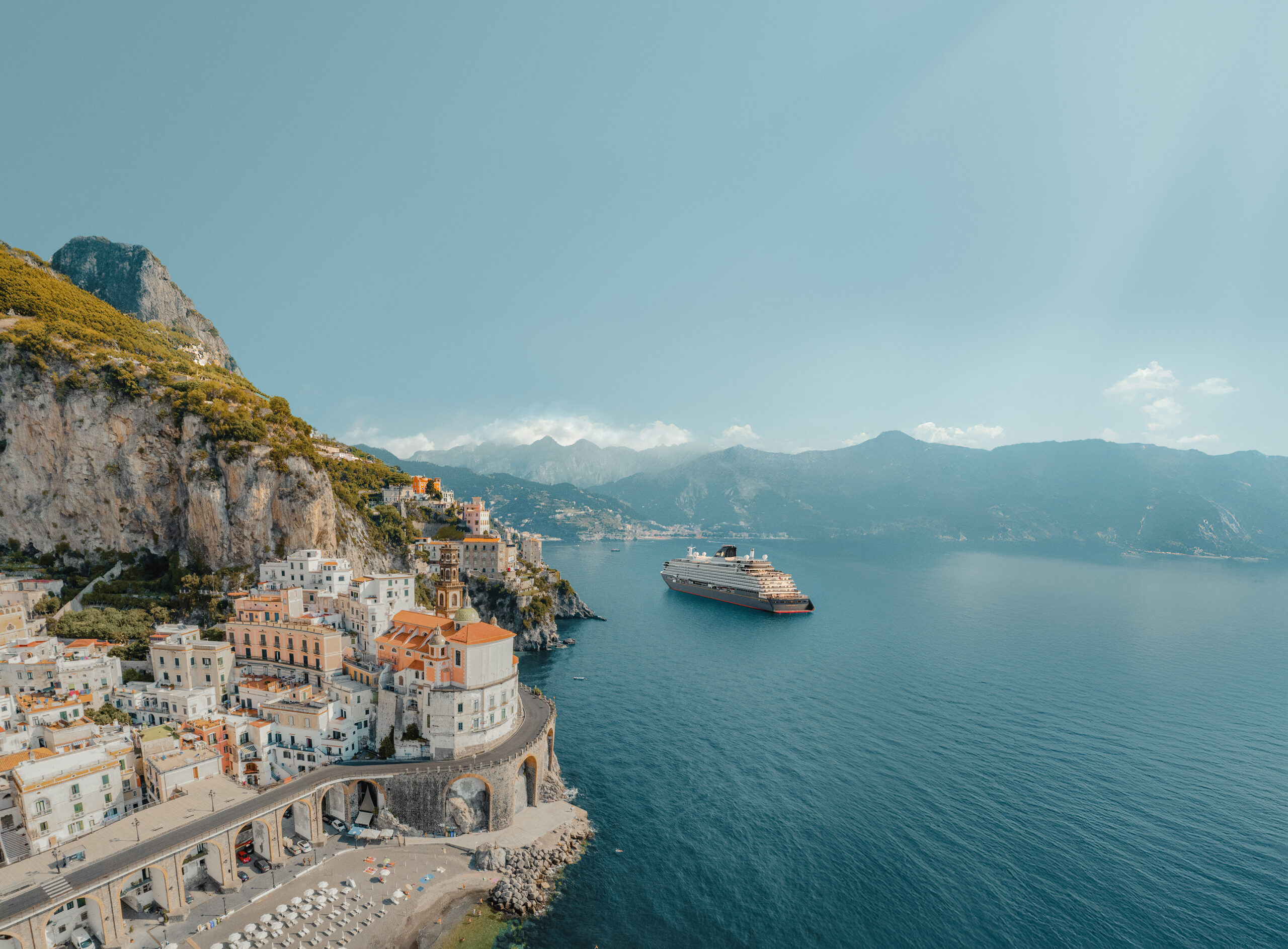
The picturesque little town of Amalfi was once a major Mediterranean naval power, but a devastating earthquake in 1343 cut the city down in its prime and destroyed most of its historic buildings. These days, of course, Amalfi is best known for the eponymous stretch of stunning coastline on which it sits.
Situated on the northeastern coast of Sardinia, Olbia is a busy port city that serves mostly as a gateway to the beautiful Costa Smeralda. The compact historic centre has some pleasant places to eat, drink and shop if you feel like exploring, or you may prefer to head straight for the beach.
One of the world’s great cities, Rome continues to dazzle and delight visitors with a potent mix of architectural marvels, continent-defining history and buzzing nightlife. The Colosseum, the Vatican and the Forum are among the big ticket items, with the crowds to match, though in truth you will find history around almost every corner.