From Lisbon to Le Havre · Mediterranean · 10 nights
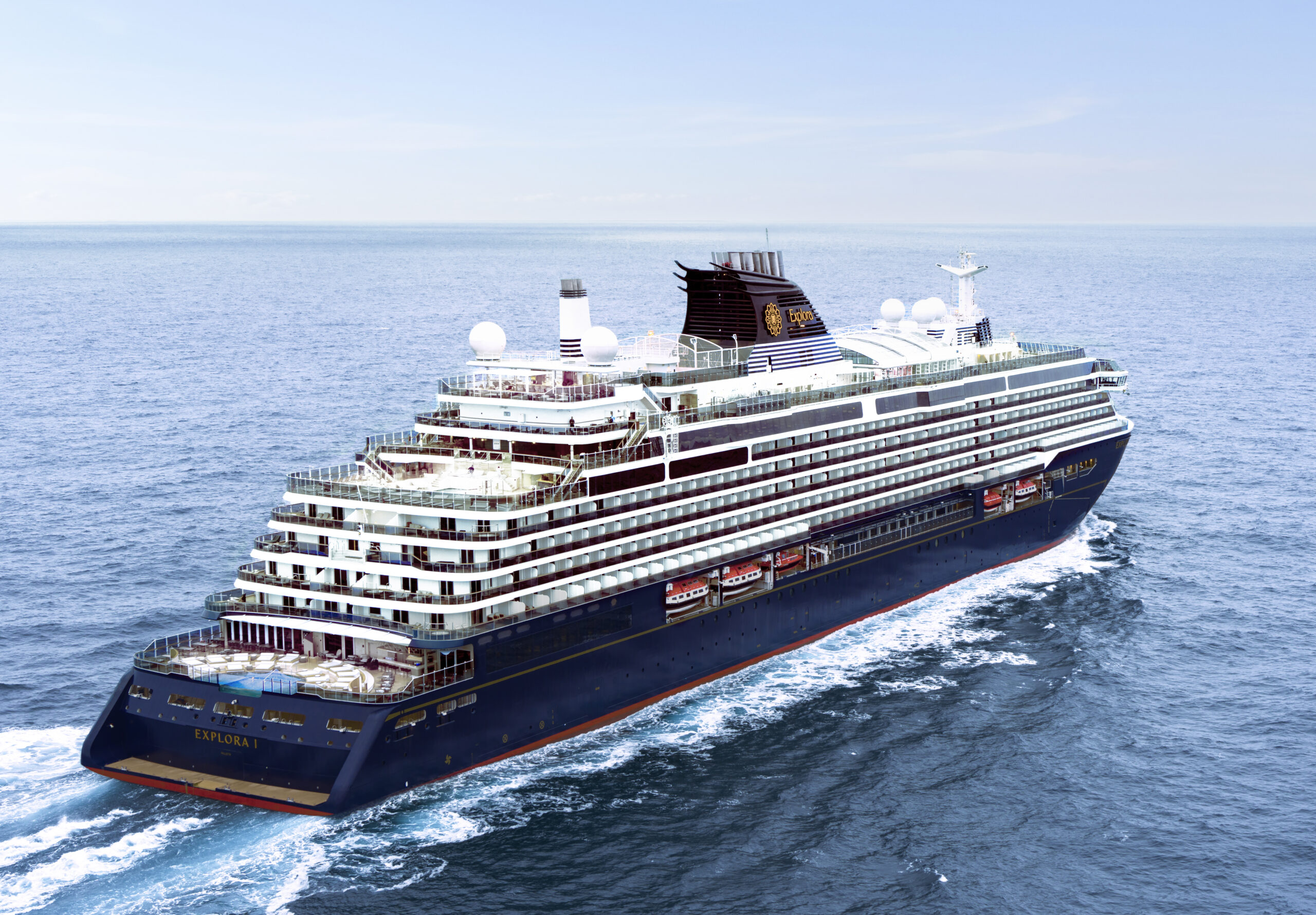
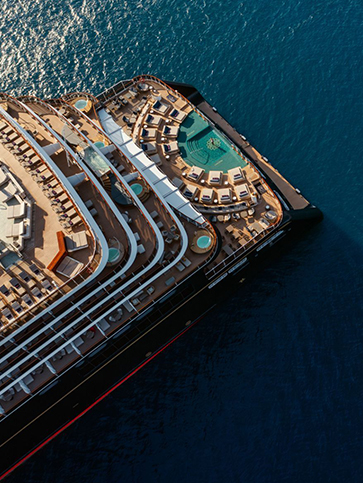
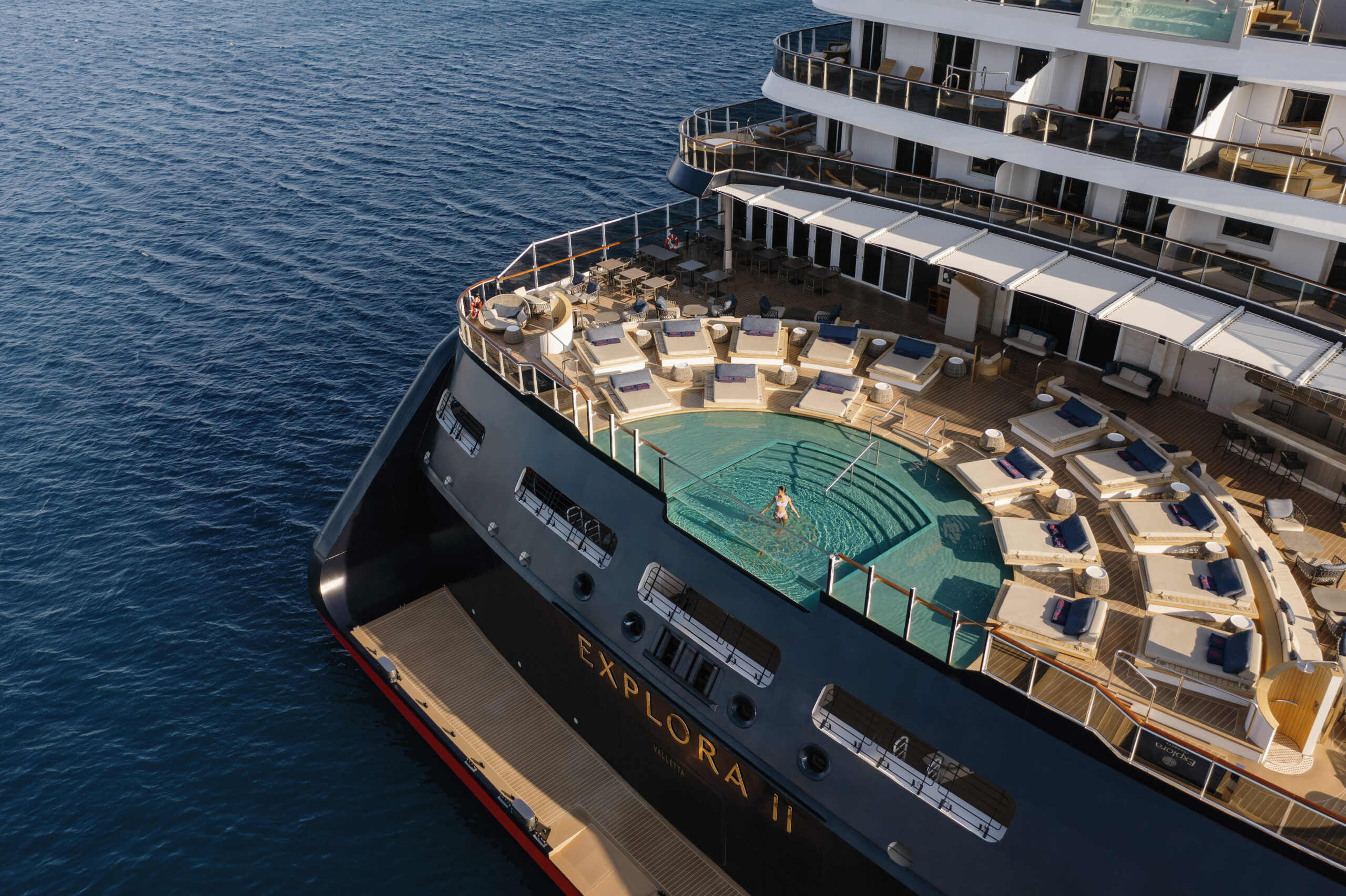
Purpose built for Oceania and bursting with style, sister ships Marina & Riviera are the perfect combination: small enough to be friendly and large enough to offer great facilities.
Above all, we love the fact that these ships are packed full of
fabulous stuff – loads of amazing dining options, a collection of
amazing artworks, wonderful learning opportunities and great
accommodation. All of this is combined with the Oceania signatures:
well-designed port intensive itineraries, great food, and a relaxed
ambience.
The roots of historic Lisbon's fame lie in its strategic position on the edge of the Atlantic and the fact it offers one of the world's greatest natural harbours. No surprise therefore that it became the home of the world's most famous explorers such as Vasco da Gama, Magellan and Prince Henry the Navigator. Built on seven hills, we always find Lisbon to be soulful, captivating and picturesque, with architecture which reflects its status as a great port.
Blessed with a dramatic setting on the steep banks of the river Douro, Portugal’s second city is currently enjoying something of a renaissance, and is best known as the home of the country’s most famous export, port wine.
Vigo is the biggest city in Galicia, Spain’s verdant northwest corner. The city itself is a busy fishing port with limited tourist appeal, but it’s a great base for striking out into the countryside, visiting the lovely Cíes Islands just offshore or joining the pilgrims in Santiago de Compostela, 60 miles to the north.
La Coruña is the largest city in Galicia, a beautiful region of lush green countryside and wild, windswept beaches. Historical sights of note include the Tower of Hercules, a UNESCO-listed Roman lighthouse, and the city is also home to some great seafood restaurants.
Gijón is the largest city in the Asturias region of northern Spain, an important industrial port but also a lively and youthful place, ideally positioned for exploring the Costa Verde. The most interesting area is the historic fishing village of Cimadevilla, which sits on a peninsula that divides the bay in two.
It’s not so long ago that Bilbao was a grim and unappealing place, scarred by heavy industry, but the Basque Country’s biggest city has reinvented itself as a cultural hub since the opening of the shimmering Guggenheim Museum in 1997.
The island of Guernsey draws visitors south from the British mainland with its more favourable climate and beautiful coastline. The capital, St Peter Port, is a lovely little town of cobbled streets and elegant architecture, and there are also several interesting museums dedicated to the island’s occupation by the Nazis during the Second World War.
Le Havre was more or less flattened during World War II, which makes the city’s UNESCO World Heritage status all the more remarkable. Rebuilt by the Belgian architect Auguste Perret, Le Havre is now characterised by a striking modernist style; don’t miss the towering, concrete Église St-Joseph.