From Osaka to Busan · Asia · 8 nights
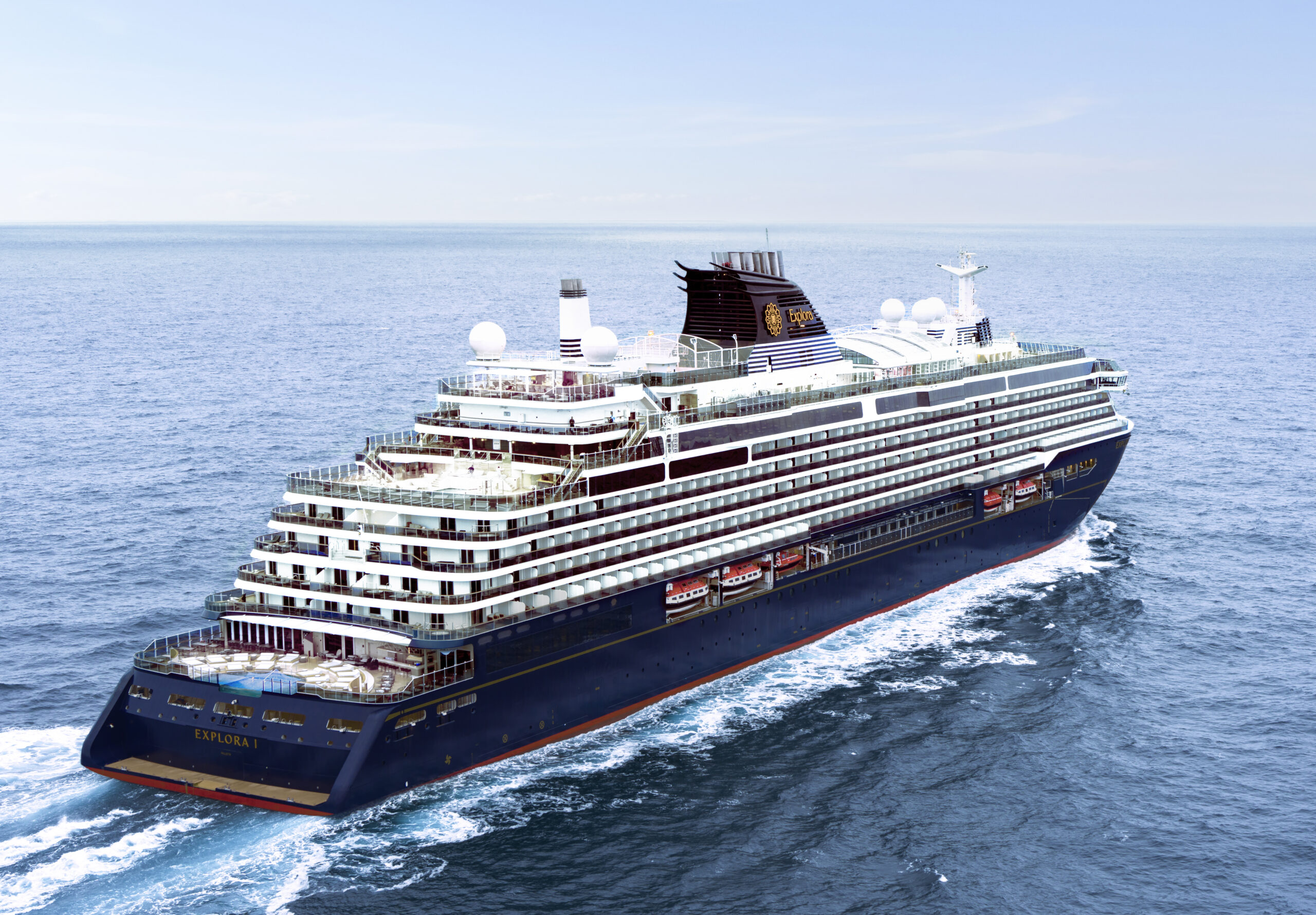
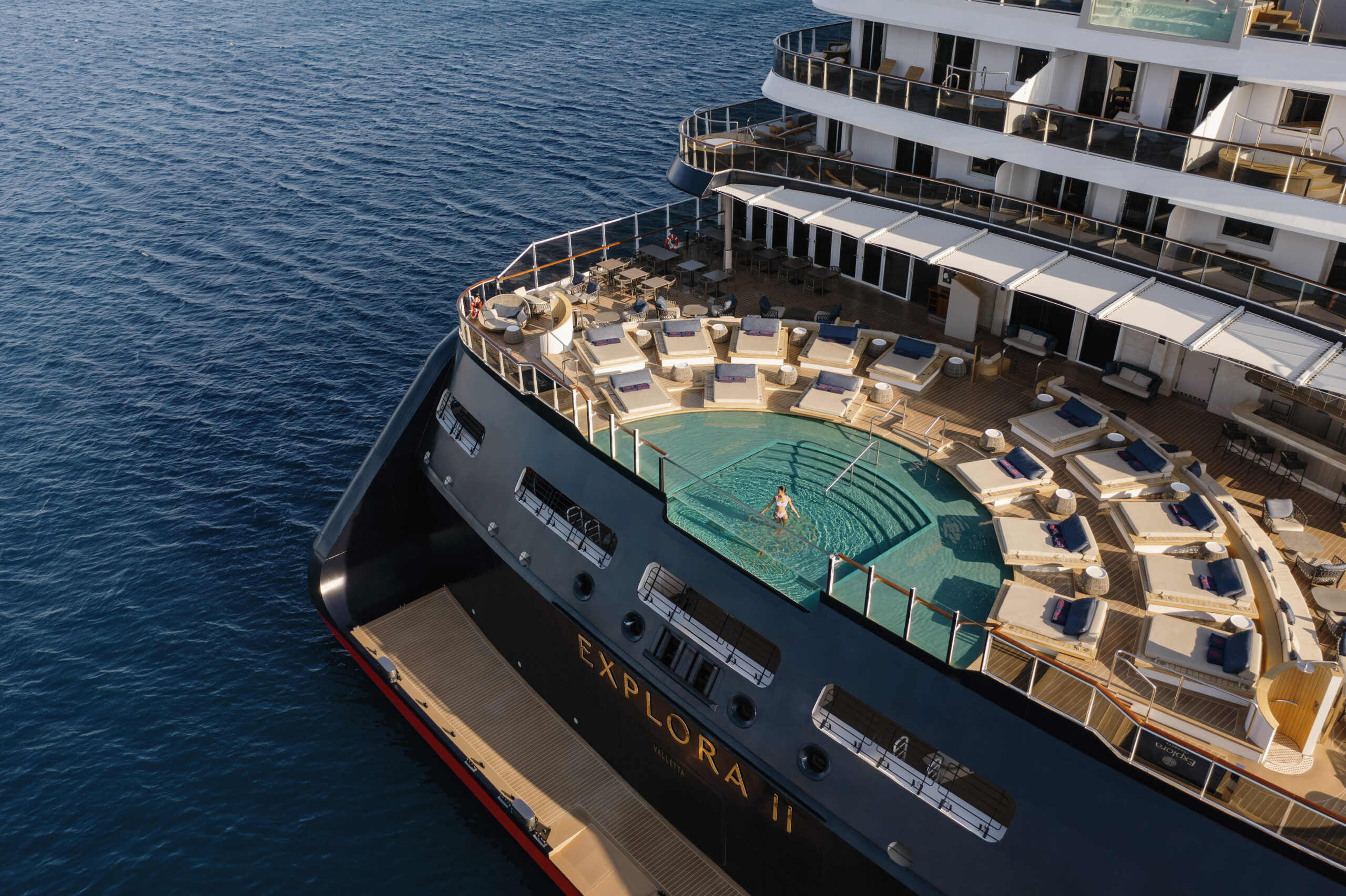
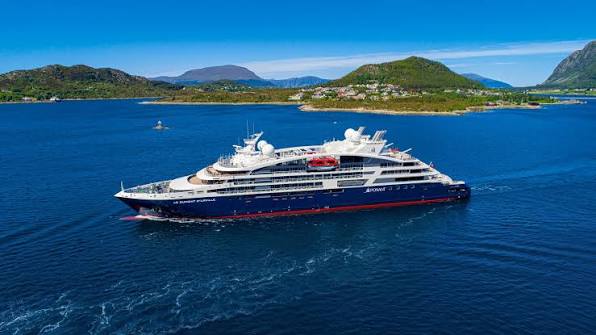
Sleek and stylish, Le Boréal, Le Soléal, L’Austral and Le Lyrial are wonderful small ships that blend luxury and intimacy with a discreet elegance and tasteful décor.
These chic sisters are amongst the most stylish ships at sea,
with muted natural tones, minimalist interiors and playful splashes
of colour. The accommodation is flexible, with the option to
combine staterooms and create expansive suites, while the
restaurants deliver the sort of outstanding gastronomic experience
that you would expect from a French flag cruise line.
Osaka, Japan's third largest city, is a pulsating commercial hub, famous for its food and its fiercely independent spirit. This is where the conveyor-belt sushi restaurant was first invented, and the cityscape rivals Tokyo for neon-lit futurism. If you need respite from the urban sprawl seek out Osaka Castle and the surrounding Nishinomaru Garden, a particularly pretty spot during the cherry blossom season.
The port of Tamano is an important centre for shipbuilding and fishing, but the city also has an arty side, with some eye-catching sculptures scattered about. Local points of interest include Miyama Park, with its elegant English garden, and Shibukawa Beach, a popular spot for watersports.
On 6 August 1945 the world witnessed the terrifying power of nuclear weapons for the first time, unleashed on the unsuspecting Japanese city of Hiroshima. The modern city's sobering Peace Memorial Park commemorates that fateful day, which left more than 140,000 dead.
Miyajima island, officially known as Itsukushima, is famous for its incredibly photogenic torii (shrine gates) which seem to float above the water. Renovation work beginning in June 2019 means that the gates will be obscured by scaffolding for a couple of years, but the shrine itself will remain open.
Steam rises over the spa town of Beppu, home to numerous onsen (hot springs) and the surreal red waters of the macabre-sounding ‘blood pond hell’. Beppu is also close to Mount Aso, the largest active volcano in Japan, and the ancient temples of the Kunisaki Peninsula.
The historic town of Uwajima, situated on the west coast of Shikoku island, is home to a beautiful 17th century castle, surrounded by ornamental gardens. Another popular and rather eye-opening attraction is the Taga fertility shrine, with its 9-foot carving of a phallus and adjoining sex museum.
The island of Yakushima is an unspoilt natural paradise, designated a UNESCO World Heritage Site thanks to its primeval temperate rainforest. The mountainous interior is a magical landscape of waterfalls, ancient cedar trees and winding trails, and provided the inspiration for Studio Ghibli’s acclaimed anime ‘Princess Mononoke’.
The friendly southern Japanese city of Kagoshima enjoys a balmy climate, and sits just across the bay from the very active Sakurajima volcano, which erupts so regularly that an ‘ash forecast’ is included in local weather reports.
Three days after Hiroshima was flattened by an atomic bomb, Nagasaki suffered the same horrifying fate. The reconstruction of both cities has been quite extraordinary; Nagasaki today is a vibrant, cosmopolitan place, with a fascinating history that goes back a lot further than 1945.
Busan is South Korea’s second biggest city and one of the world’s busiest container ports, but it’s an easygoing place with a discernibly different character to Seoul. Haeundae beach is a popular summer holiday destination for Koreans, while the pungent Jagalchi market sells every type of fish and sea creature imaginable.