From Athens (Piraeus) to Barcelona · Mediterranean · 21 nights
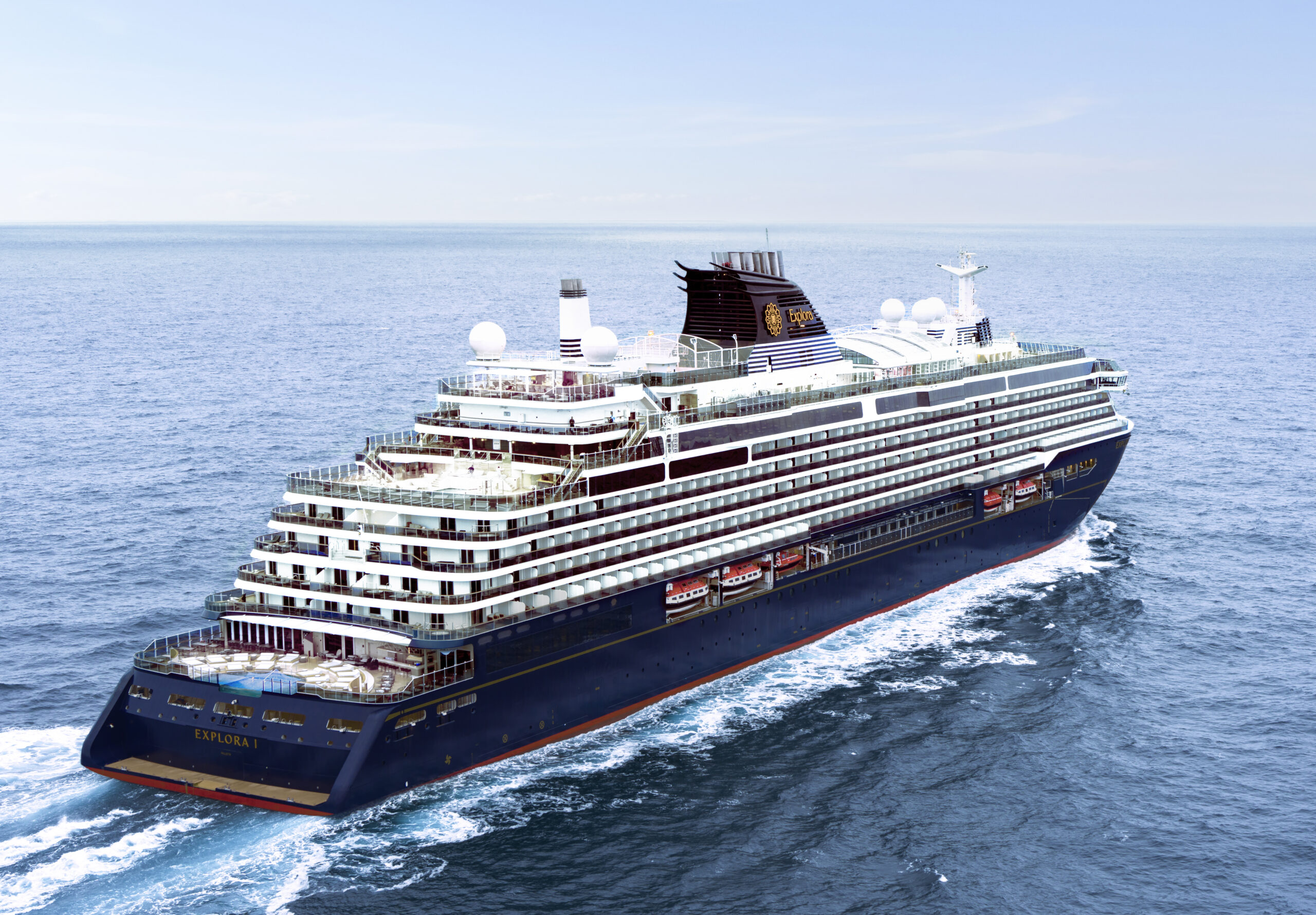
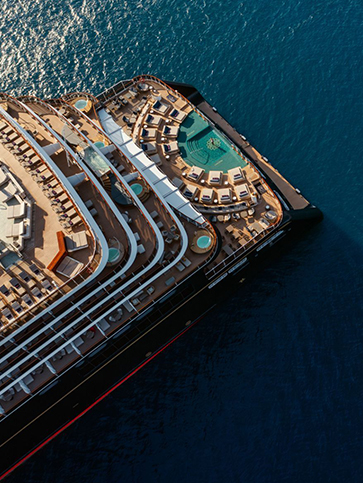
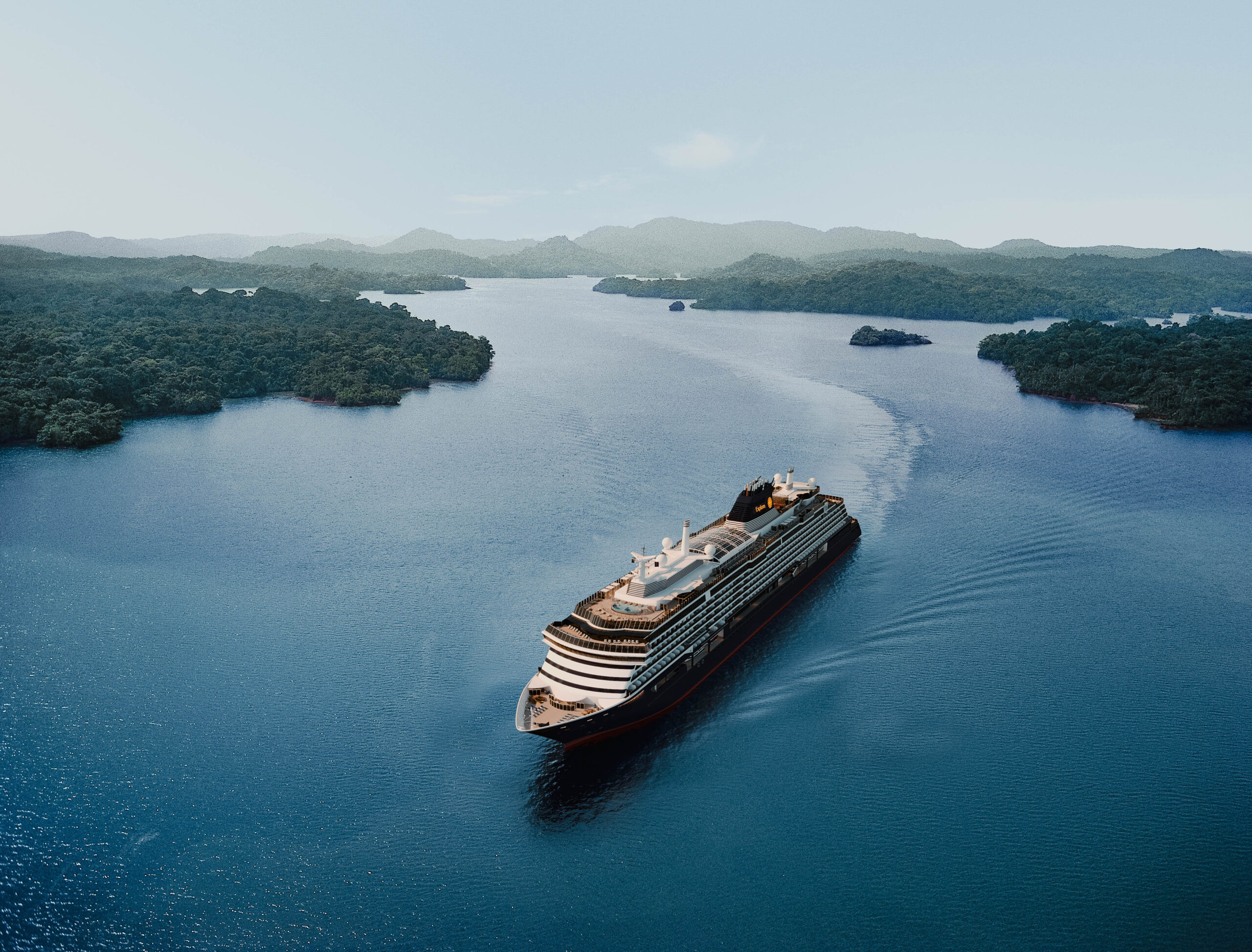
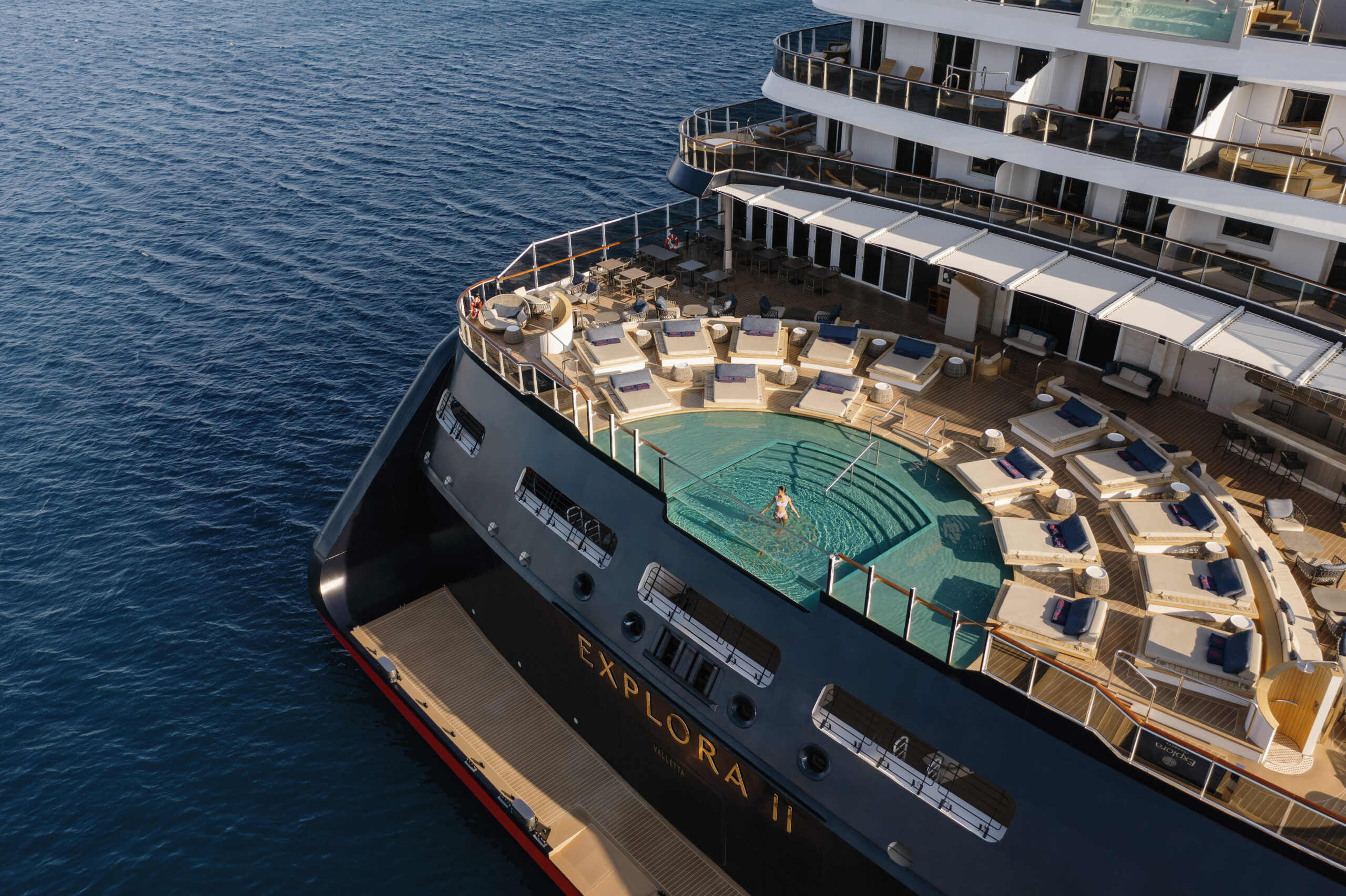
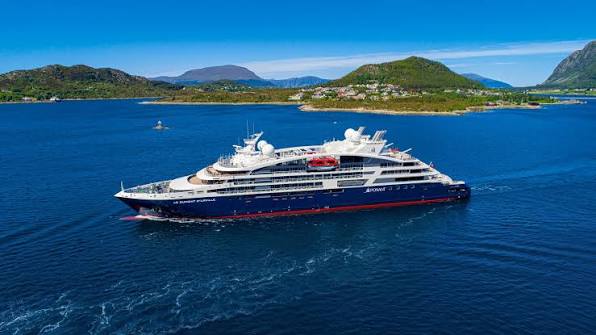
Viking’s hugely successful river cruise operation expanded into ocean cruising with a fleet of ten contemporary 930-guest ocean ships featuring attractive inclusive pricing and interesting itineraries. A slightly larger ship joined the fleet in 2024 with two additional ships scheduled in 2025 and 2026 each carrying 998 guests.
The airy contemporary style of the ships, with fresh Nordic
décor, is most appealing. Add to that the huge choices in dining
and other facilities, and veranda staterooms throughout, not to
mention included shore excursions and an excellent spa, and you
have a winner. In 2024 Viking Vela joined the fleet which is very
slightly larger, carrying 998 guests, yet identical in all other
respects to her predecessors. Two further 998-guest ships, Viking
Vesta and Viking Mira, launch in 2025 and 2026 respectively.
Athens is a city awash with historical and cultural significance. Towering over the city are the gleaming columns of the Parthenon, surely one of the most iconic sights in the whole of Europe. And yet Athens is much more than an open air museum; this is a dynamic, bustling metropolis, and a place where history is still very much unfolding. For all its faults, the Greek capital possesses an energy and an optimism that are manifest in everything from the burgeoning art scene to the restaurants and bars that continue to pop up on a regular basis.
The little seaside town of Katakolon, on the western coast of the Peloponnese, is the gateway to ancient Olympia, birthplace of the Games and the place where the Olympic flame begins its journey every four years. Make the most of your visit with a guided tour of the ruins, and don’t miss the treasures of the Archaeological Museum.
Corfu, known as Kerkyra in Greek, is a beautiful island of verdant hills and rocky coves, and away from the more crowded resorts it remains a sleepy and idyllic place. Don’t miss the picturesque Venetian architecture of Corfu Town, a UNESCO World Heritage Site.
Kotor sits at the head of a beautiful, fjord-like bay, hemmed in by glowering mountains. The compact, walled old town is Montenegro’s star attraction, a warren of little alleyways and shady squares that is often described as a ‘mini Dubrovnik’.
We never fail to be moved when we see the terracotta roofs and honey-golden walls of Dubrovnik, and a stroll around the perfectly preserved old town is a highlight of any visit to the Dalmatian coast. Make sure you take the time to walk around the walls and soak up the marvellous sea views.
Croatia’s second city enjoys a dramatic setting, hugging a sweeping bay against a backdrop of sheer grey mountains. Split's labyrinthine old town is contained within the remarkable Roman ruins of Diocletian’s Palace, a UNESCO World Heritage Site, and spills out onto the buzzing seafront Riva promenade.
Venice is a city like no other, a marble maze of turquoise canals criss-crossed by beautiful bridges, overflowing with palaces, churches and charming little piazzas. No matter how many times you’ve seen it in photographs, that first glimpse of the Grand Canal will simply take your breath away.
One of the Dalmatian coast’s lesser known cities, Šibenik is notable for its compact medieval centre, UNESCO-listed Gothic-Renaissance cathedral and crumbling fortresses. The nearby islands of Zlarin and Prvi? also make for an enjoyable day trip.
Bari is the second biggest city in southern Italy, situated at the heart of sunny Puglia. The delightful old town brims over with pretty churches and balconied houses, and the striking Basilica is said to house the bones of Saint Nicholas. Easy day-trips include the trulli houses of Alberobello and the stunning hilltop city of Matera.
The Calabrian city of Crotone was once an important Greek colony, home to the mathematician Pythagoras, and some ruins still survive at Capo Colonna, to the south of the modern city. Another popular excursion is a visit to the fishing village of Le Castella, where a fairytale castle sits on an island at the end of a narrow causeway.
Situated on the north eastern tip of Sicily, so close to the Italian mainland you can almost touch it, Messina is the busy main entry point to the island. The city was flattened by an earthquake in 1908, and again by Allied bombing in 1943, so few historical sights remain, although the cathedral is one of Sicily’s most impressive.
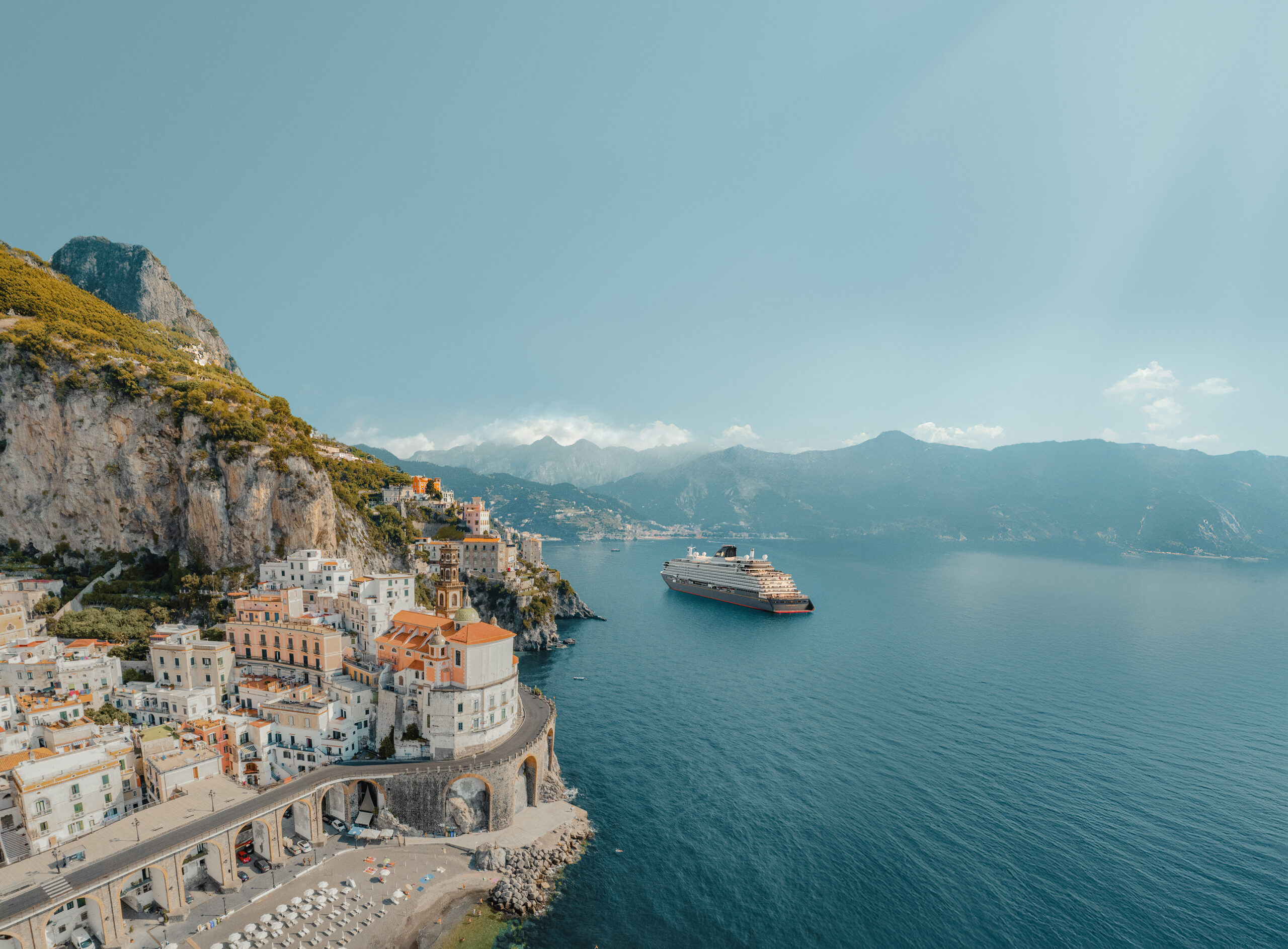
The UNESCO World Heritage-listed centre of Naples rewards exploration, and in addition to the many cultural treasures waiting to be unearthed Neapolitans are rightly proud of their food; this is where you’ll find the best pizza in Italy. The city also acts as a gateway to the fascinating remains of Pompeii and Herculaneum, and the beautiful Amalfi coast.
One of the world’s great cities, Rome continues to dazzle and delight visitors with a potent mix of architectural marvels, continent-defining history and buzzing nightlife. The Colosseum, the Vatican and the Forum are among the big ticket items, with the crowds to match, though in truth you will find history around almost every corner.
The faded port town of Livorno serves as a gateway to Tuscany’s star attractions. Wonderful Florence, the cradle of the Renaissance, is resplendent with beautiful architecture and unrivalled artistic treasures, while nearby Pisa is of course famous for its precarious Leaning Tower.
Renowned for its casino, its Grand Prix and its oligarch-friendly tax policies, Monte Carlo is glamour and hedonism personified, with a price tag to match. This little principality enjoys a lovely setting, the villas and penthouses tumbling down the hillside towards the sweeping blue expanse of the Mediterranean.
The rumbustious port of Marseille often gets a bad press, but the city has been transformed in recent years, with a host of new cultural attractions. The vibrant Vieux Port remains at the heart of life in Marseille, however, and is the best place to begin your exploration of the city’s many historic sights.
The down-to-earth port of Sète, sandwiched between the Mediterranean and the Etang de Thau lagoon, is a working town rather than a tourist hotspot, though the canals and colourful buildings have a certain charm. It’s also a great spot for a seafood lunch, and a visit to the nearby citadel of Carcassonne is a popular excursion.
From the warren-like medieval streets of the Barri Gòtic to the fantastical modernist architecture of Antoni Gaudí, from the dizzy heights of Mount Tibidabo to the golden sands of Barceloneta, there’s never a dull moment in Barcelona.