From Yokohama (Tokyo) to Rome (Civitavecchia) · Asia · 65 nights
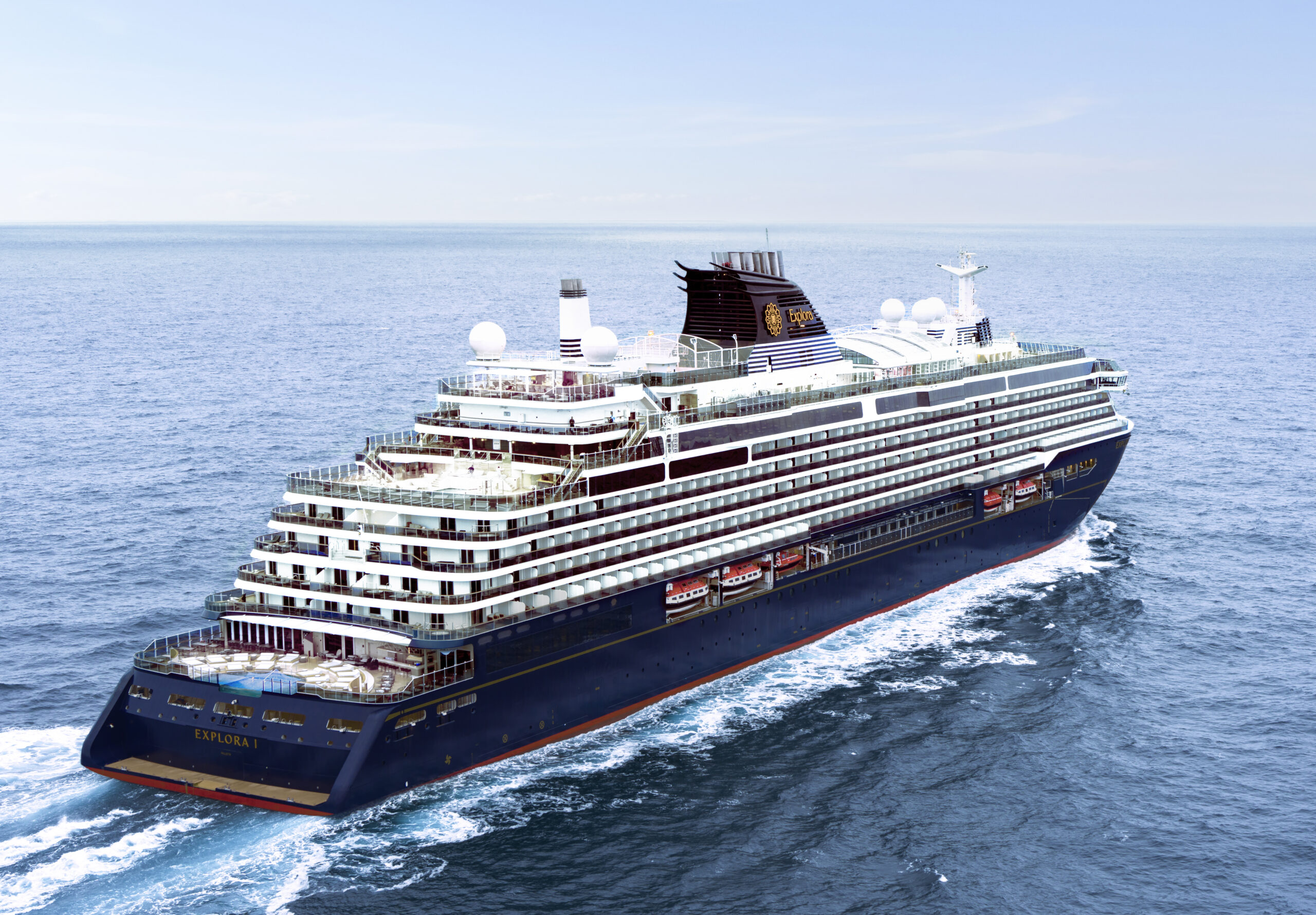
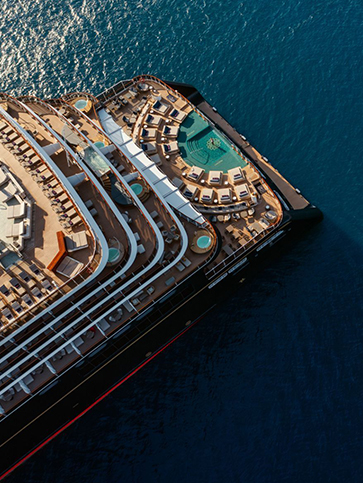
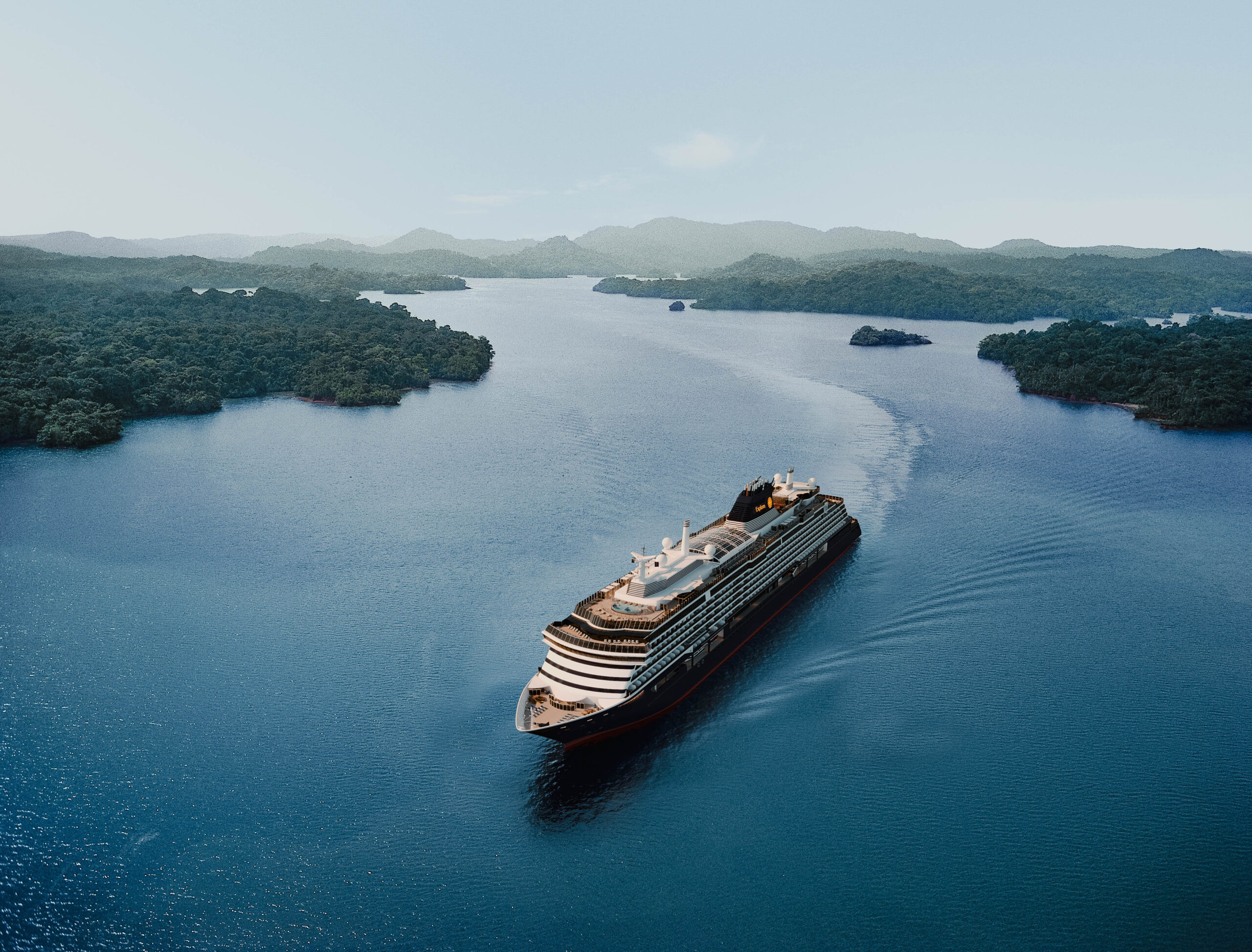
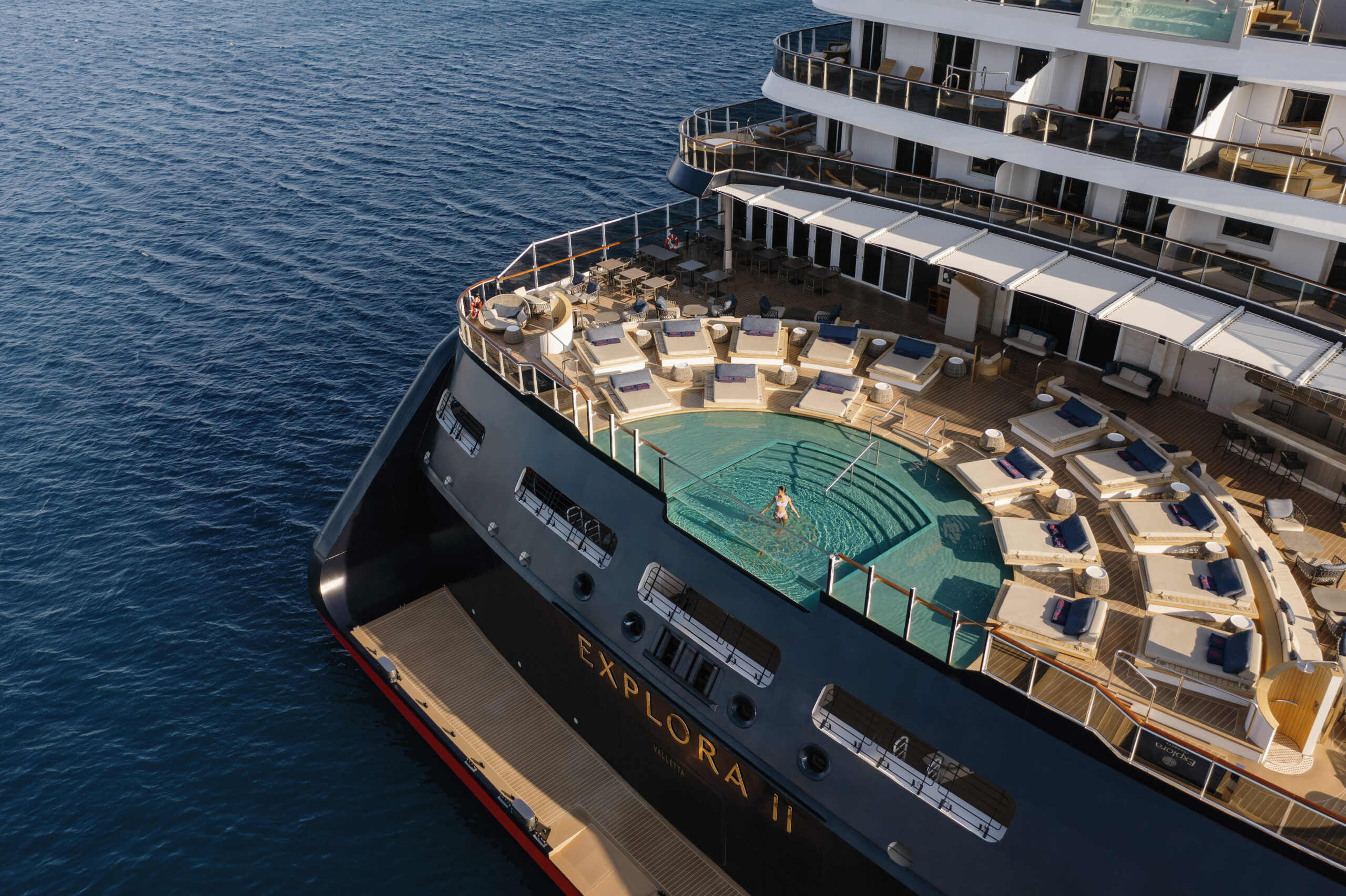
The first ship in Oceania’s Allura Class, Vista joined the fleet in 2023, with sister ship Allura setting sail in 2025. These ships represent an exciting evolution and offer elevated dining options, accommodation, and guest experience.
The Allura Class ships promise to enhance and redefine the
Oceania onboard experience, with chic residential-style
accommodation, all ocean facing with either French or full private
balcony, and a plethora of eye-catching public spaces that combine
dramatic architectural flourishes with the relaxed intimacy for
which Oceania is known. These are also the first Oceania ships to
include dedicated staterooms for solo travellers, and you can
expect innovative dining venues, a serene spa and a stunning pool
deck.
Tokyo is a dazzling introduction to Japan and its utterly unique culture. With more neon than Las Vegas and more Michelin stars than Paris, it's a real assault on the senses, but an efficient public transport system means it's easy to explore. Asakusa is an atmospheric district where you'll find Tokyo's oldest Buddhist temple, Akihibara spills over with shops selling electronic gadgets, and Harajuku is the place to marvel at the latest colourful Japanese fashions. It's also easy to escape the crowds and find a spot of peace and quiet, with tranquil parks, shrines and lotus ponds dotted around the city.
Keelung is a fairly unremarkable port city close to Taipei, Taiwan’s capital. Taipei draws on an interesting mix of Chinese, Japanese and Western influences, and is home to attractive temples, a burgeoning street food scene and Taipei 101, which was the world's tallest building until it was eclipsed by Dubai's Burj Khalifa in 2010.
Kaohsiung is Taiwan’s second largest city and one of the world’s largest container ports, situated on the south west coast of the island. Formerly a rather grim industrial centre, the city has been transformed in recent years, with new parks, cafés, galleries and museums popping up all over the place.
Manila is a sprawling, chaotic conglomeration of soaring skyscrapers, faded colonial facades and ramshackle slums, and it’s certainly not everyone’s cup of tea. But if you have the stamina and an inquisitive nature, there is plenty to be enjoyed in the Philippines’ boisterous capital.
Coron is the name of both the largest town on Busuanga Island, in Palawan province, and of a smaller island just offshore. This region is the ancestral home of the Tagbanua people, and the waters surrounding the islands offer some excellent diving, with numerous Japanese shipwrecks from the Second World War lurking on the seabed.
Puerto, as the locals call it, is the capital of Palawan province, founded by the Spanish in 1872. The city is the only major metropolis in this otherwise pristine and sparsely populated region, and the main attraction here is the spectacular Subterranean River National Park just to the north.
Kota Kinabalu is the gateway to the Malaysian state of Sabah and makes for an excellent base, whether you’re planning on scaling the commanding heights of Mount Kinabalu, exploring the islands and turquoise waters of Tunku Abdul Rahman Marine Park, or embarking on a trip into the jungle to encounter Borneo’s fantastic wildlife.
Singapore’s heritage as an important trading post means that there is a real cultural mix, with four official languages: English, Chinese, Malay and Tamil. Step away from the gleaming towers and you’ll find yourself transported into another world amongst the intoxicating streets of Chinatown and Little India.
Malaysia’s capital is a hot and humid cultural melting pot, defined by its distinctive Malay, Chinese and Indian communities. The dazzling Petronas Towers are KL’s most recognisable landmark, while at street level you’ll find temples and mosques, elegant colonial buildings and bustling markets.
The Malaysian island of Penang is a fascinating blend of East and West, far more than just a beach destination. Lovely Georgetown, a UNESCO World Heritage Site, is home to British colonial architecture, crumbling Chinese shophouses and incense-perfumed temples.
As well as a plethora of luxury resorts, Phuket has a charming old town replete with pretty Sino-Portuguese architecture, and acts as a jump-off point for exploring nearby islands and coastline. Koh Phing Pan, better known as James Bond Island, and Ko Phi Phi are breathtakingly beautiful, as are the limestone formations that surround Krabi.
The Dutch colonial architecture of the Fort, Galle’s walled old quarter, is one of the highlights of Sri Lanka’s south coast. The atmospheric streets are home to all manner of beguiling boutiques, cafés and restaurants, and the beach towns of Hikkaduwa and Unawatuna are just a short drive away.
The low-lying reef-protected atolls of the Maldives, set in the crystal clear turquoise waters of the Indian Ocean, are the perfect place to relax and unwind. A great choice for a honeymoon or romantic getaway, the Maldives also appeal to active travellers who love watersports, snorkelling and diving.
Formerly known as Bombay, this amazing city is larger than life and packed to bursting with things to see and do. Here people of all religions and nationalities live cheek by jowl, thriving communities from all over the world with the foods, smells, languages and rituals maintained at top volume.
Amazing high rise buildings, extensive air-conditioned shopping malls and extraordinary man-made tourist attractions (such as indoor ski-slopes) abound in the glamorous city of Dubai, home to some of the most glitzy and expensive hotels in the world.
The UAE’s gleaming capital gives Dubai a run for its money in terms of extravagant excess, an ever-multiplying forest of skyscrapers looming over the golden sand and brilliant blue waters of the Gulf. Don’t miss the shining white Sheikh Zayed Grand Mosque, one of the world’s biggest.
Qatar's capital is a city on the up, with vast sums of money being poured into construction projects for the 2022 World Cup and cultural venues such as the spectacular Museum of Islamic Art. There are also plenty of more traditional attractions, such as the atmospheric souks and the lovely waterfront Corniche promenade.
Amazing high rise buildings, extensive air-conditioned shopping malls and extraordinary man-made tourist attractions (such as indoor ski-slopes) abound in the glamorous city of Dubai, home to some of the most glitzy and expensive hotels in the world.
Salalah is Oman’s second city, and the capital of the southern Dhofar region. Many visitors are surprised by the pleasant sub-tropical climate, which turns the city into an oasis of lush greenery during the ‘khareef’ (monsoon) season between June and September, and in many ways it’s more reminiscent of Zanzibar than Muscat.
The port city of Jeddah has long been a cultural crossroads, serving as the gateway to Mecca for pilgrims making the Hajj, and there's a cosmopolitan feel here that other Saudi cities lack. The old Al-Balad neighbourhood is home to the city’s most characterful buildings, while the buzzing Corniche promenade is a great spot for people watching.
Safaga is the nearest sea port to Luxor, and ships often stop here overnight to give you time to see everything. Prepare to be amazed – the thin belt of greenery along the banks of the Nile gives Luxor a lush setting for an extraordinary collection of tombs and temple complexes that hint at the magnificence of this former Ancient Egyptian capital.
Aqaba is Jordan’s principal beach resort, situated on the Red Sea coast close to the Israeli border. The main attraction in Aqaba itself is the incredible diving, though many visitors will choose to instead use the port as a jumping off point for the 'Rose City' of Petra and the desert landscapes of Wadi Rum.
Sharm El-Sheikh is Egypt’s most popular beach resort, situated on the Red Sea coast on the Sinai Peninsula. The wonderfully warm waters of the Ras Mohamed National Park offer fantastic snorkelling and diving, and other nearby attractions include the impressive Byzantine-era St Catherine’s Monastery.
Ain Sukhna is the nearest Red Sea port to Egypt's capital, Cairo. Obviously the highlight of your visit may well be the Pyramids and Sphinx at Giza, but on no account neglect a visit to the Egyptian Museum, which has a truly stupendous collection of ancient artefacts, not least, of course, the Tutankhamen treasures.
The buzzing city of Limassol is southern Cyprus’ main port, an important commercial hub that overflows with bars, restaurants and tavernas. It’s also home to a pleasant old town and medieval castle, and serves as an excellent base for exploring the nearby Troodos mountains.
Sun-kissed Rhodes, the largest of the Dodecanese islands, is steeped in history; the medieval heart of Rhodes Town was once home to the crusading Knights of St John, and later fell to the Ottoman sultan Suleiman the Magnificent. The hillside village of Lindos, with its pretty whitewashed houses, is another highlight.
The Turkish port of Kusadasi is the gateway to Ephesus, one of the most spectacular archaeological sites in the Eastern Mediterranean. This was the Roman capital of Asia Minor, and the remains constitute the most complete classical city in Europe.
Athens is a city awash with historical and cultural significance, but it's much more than an open air museum; this is a dynamic, bustling metropolis, and a place where history is still very much unfolding.
Bari is the second biggest city in southern Italy, situated at the heart of sunny Puglia. The delightful old town brims over with pretty churches and balconied houses, and the striking Basilica is said to house the bones of Saint Nicholas. Easy day-trips include the trulli houses of Alberobello and the stunning hilltop city of Matera.
Located on the quieter northern stretch of Croatia’s Dalmatian coast, the walled port city of Zadar is an intriguing blend of old and new, where Roman ruins and psychedelic modern art installations sit alongside one another.
The largest town on Slovenia’s sliver of Adriatic coastline, Koper has an attractive medieval centre and some impressive Venetian architecture. There is also a sizeable Italian community here, reflected in the bilingual road signs, and it's a short drive across the border to the former Habsburg city of Trieste.
Ravenna is a must-visit for art and history lovers, with an impressive array of UNESCO-listed historic buildings decorated with beautiful Byzantine mosaics. The city is also home to Dante’s tomb, and you’re within easy reach of Bologna, Ferrara and San Marino.
Croatia’s second city enjoys a dramatic setting, hugging a sweeping bay against a backdrop of sheer grey mountains. Split's labyrinthine old town is contained within the remarkable Roman ruins of Diocletian’s Palace, a UNESCO World Heritage Site, and spills out onto the buzzing seafront Riva promenade.
We never fail to be moved when we see the terracotta roofs and honey-golden walls of Dubrovnik, and a stroll around the perfectly preserved old town is a highlight of any visit to the Dalmatian coast. Make sure you take the time to walk around the walls and soak up the marvellous sea views.
Malta’s tiny capital, established by the Knights of St John, packs in an awful lot of history considering its diminutive size. The atmospheric old streets, bathed in Mediterranean sunshine, are full of attractive honey-golden buildings, along with an impressive selection of bars and restaurants.
Situated on the north eastern tip of Sicily, so close to the Italian mainland you can almost touch it, Messina is the busy main entry point to the island. The city was flattened by an earthquake in 1908, and again by Allied bombing in 1943, so few historical sights remain, although the cathedral is one of Sicily’s most impressive.
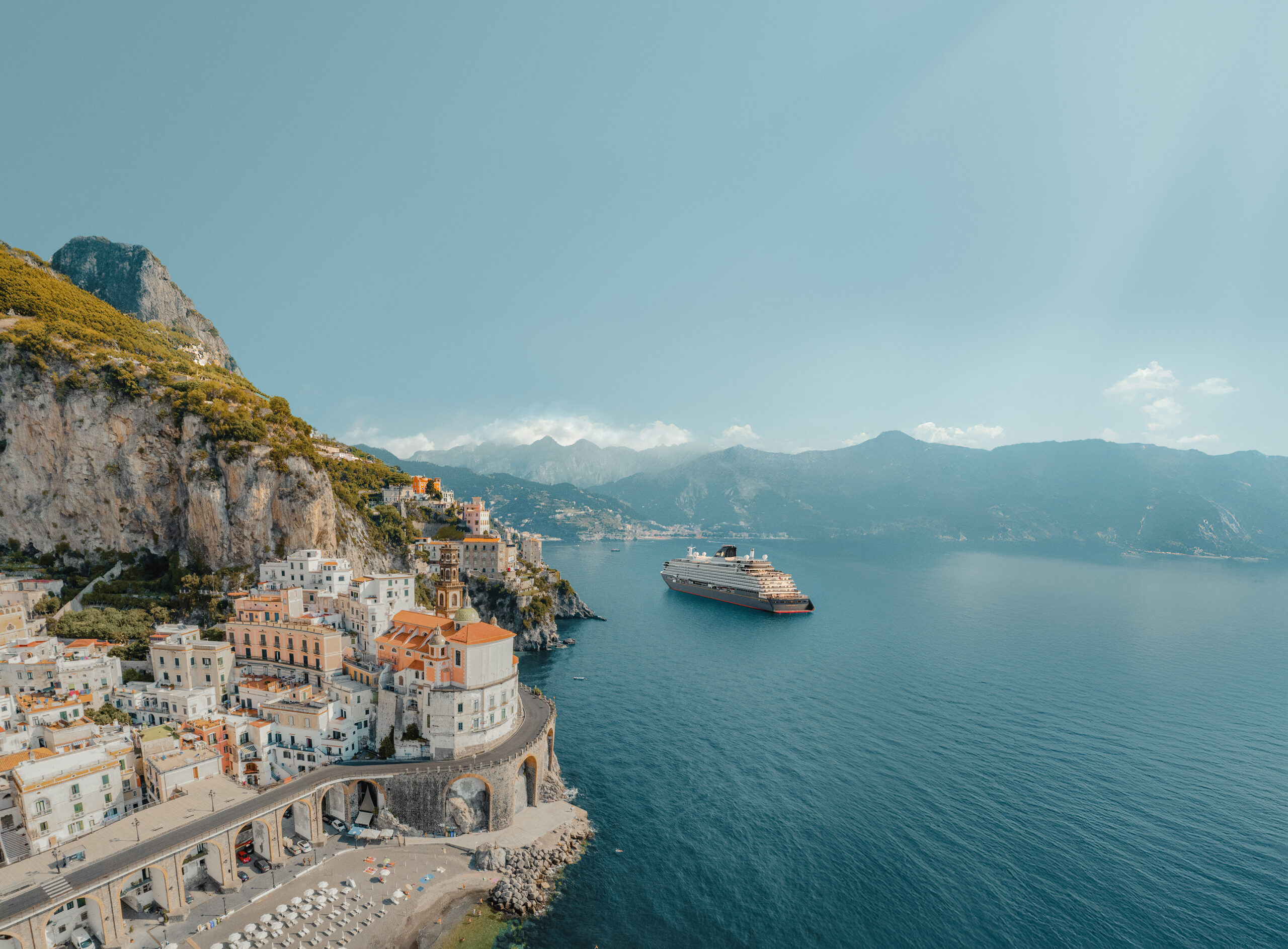
The lovely town of Sorrento, draped across rugged cliffs overlooking the Bay of Naples, has been charming visitors since the days of the Grand Tour. The Renaissance palaces and many craft shops make Sorrento an attractive destination in its own right, and it’s also a jumping off point for Capri, Pompeii and the Amalfi Coast.
One of the world’s great cities, Rome continues to dazzle and delight visitors with a potent mix of architectural marvels, continent-defining history and buzzing nightlife. The Colosseum, the Vatican and the Forum are among the big ticket items, with the crowds to match, though in truth you will find history around almost every corner.