From Málaga to Valletta · Mediterranean · 9 nights
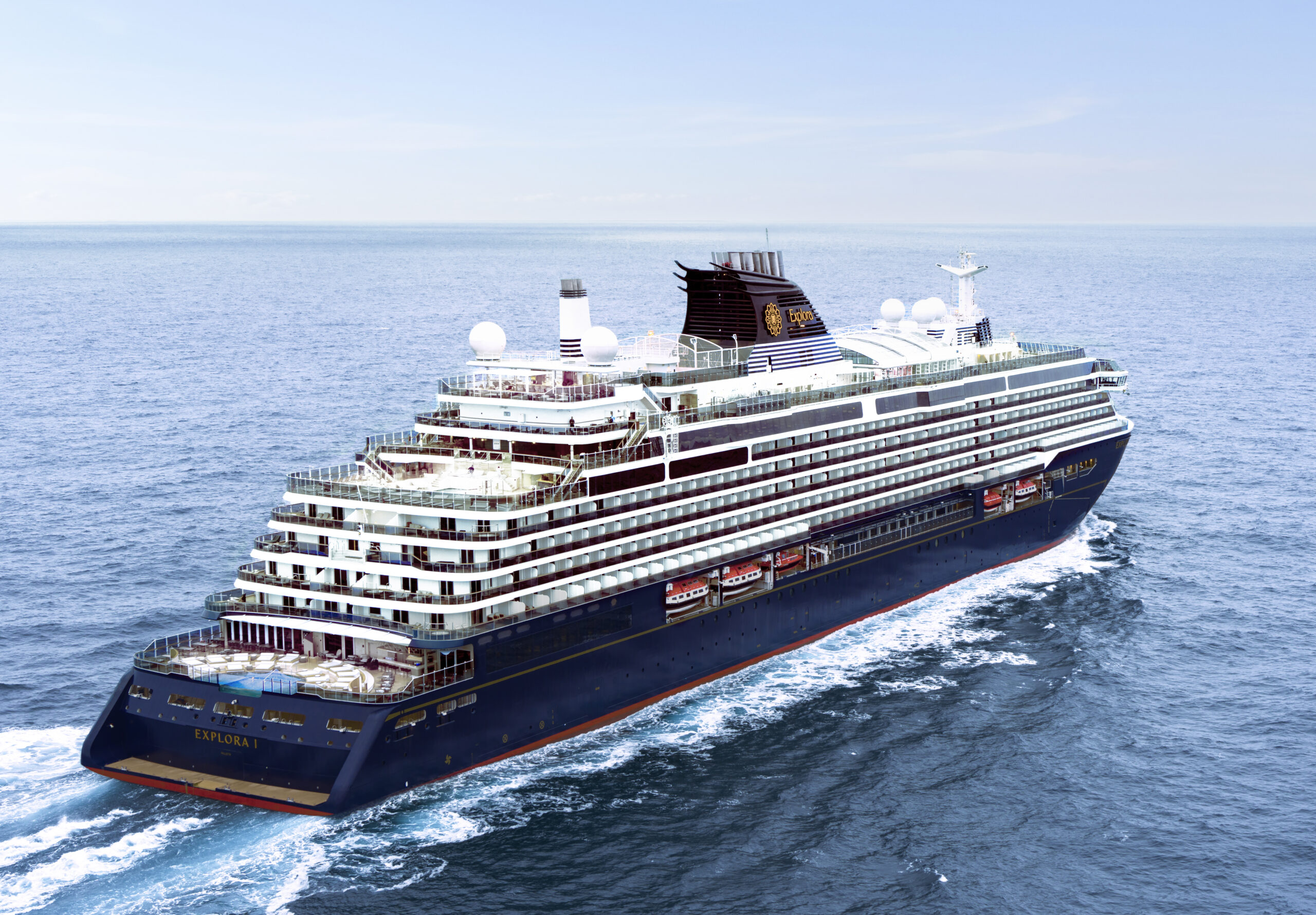
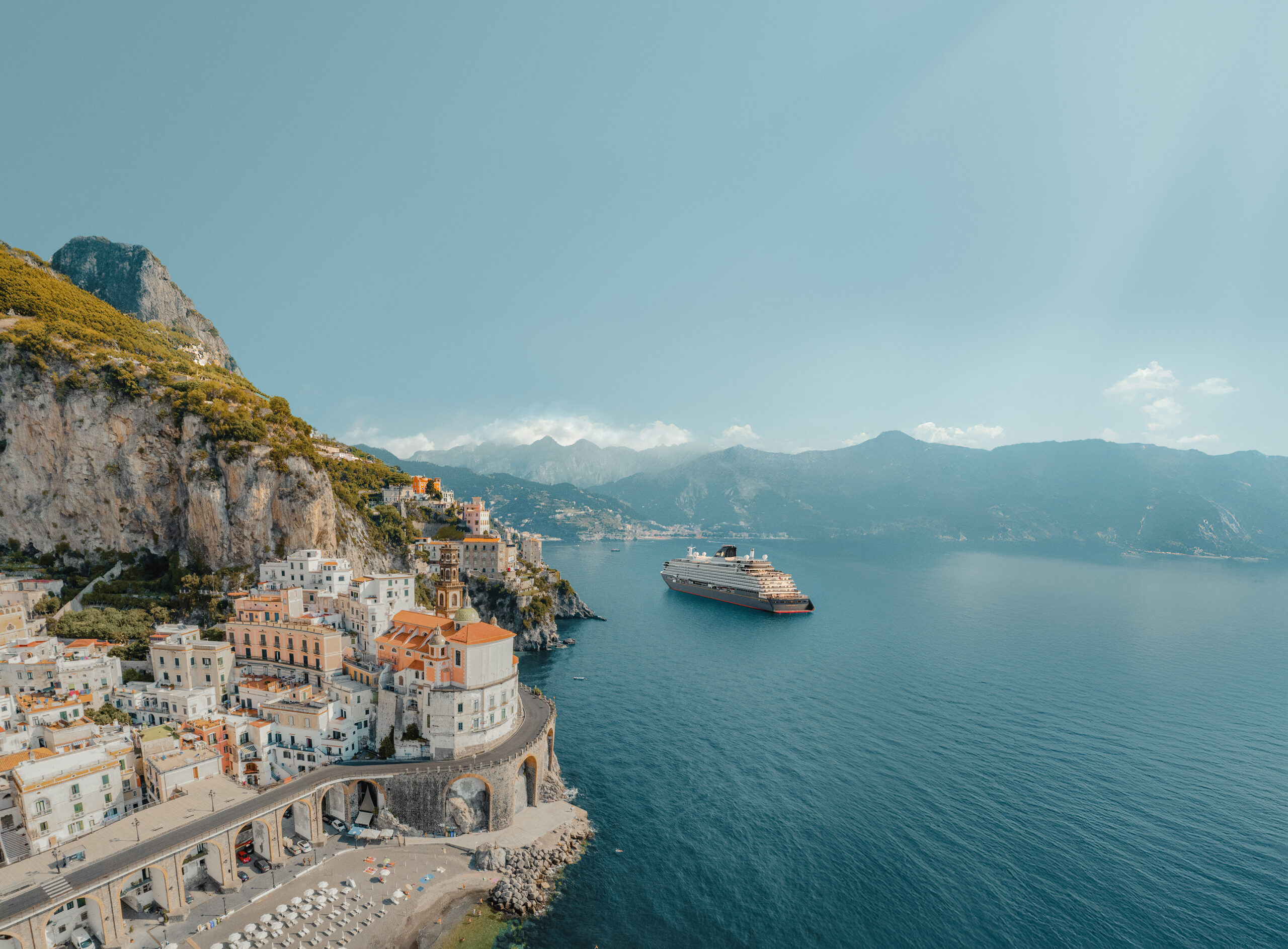
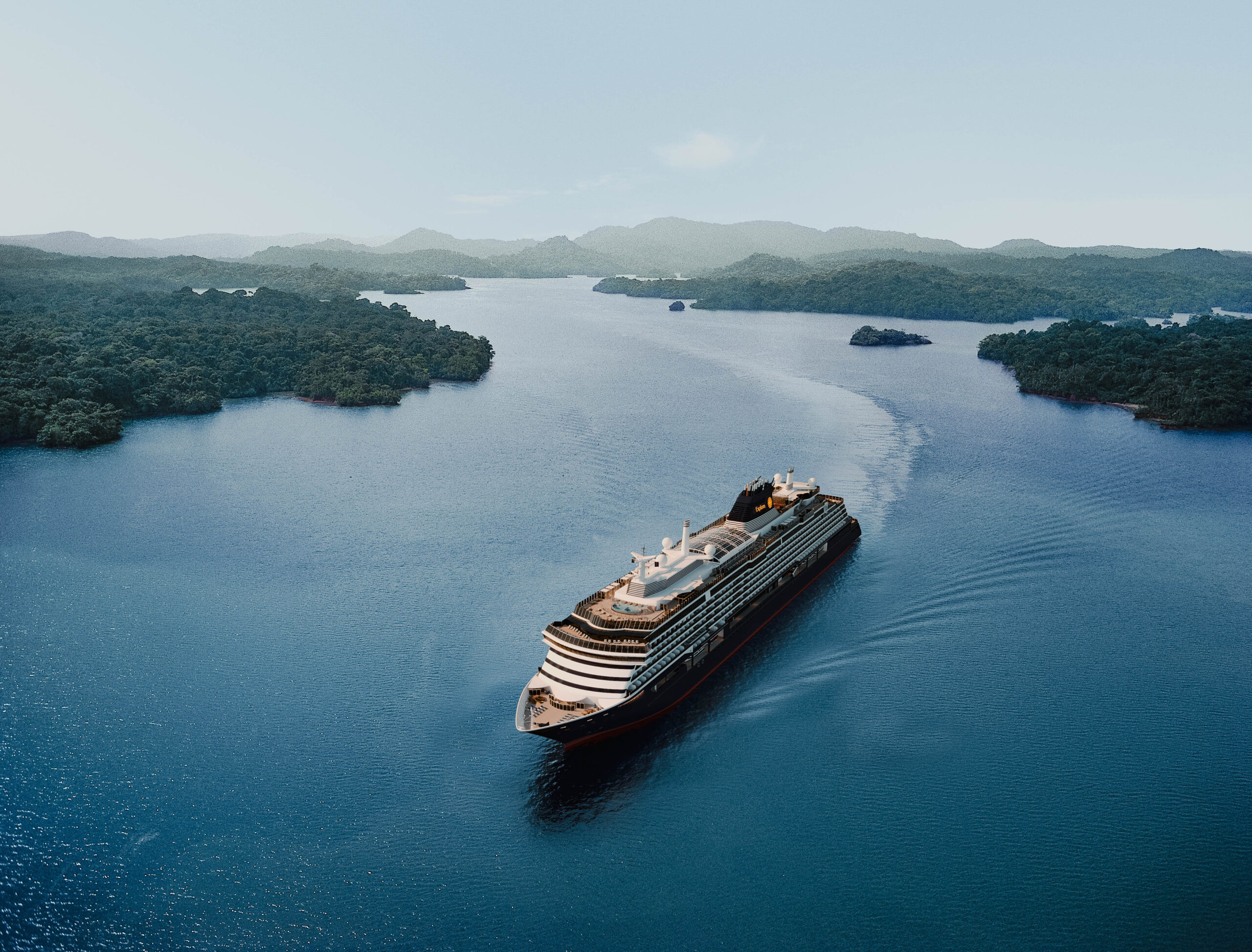
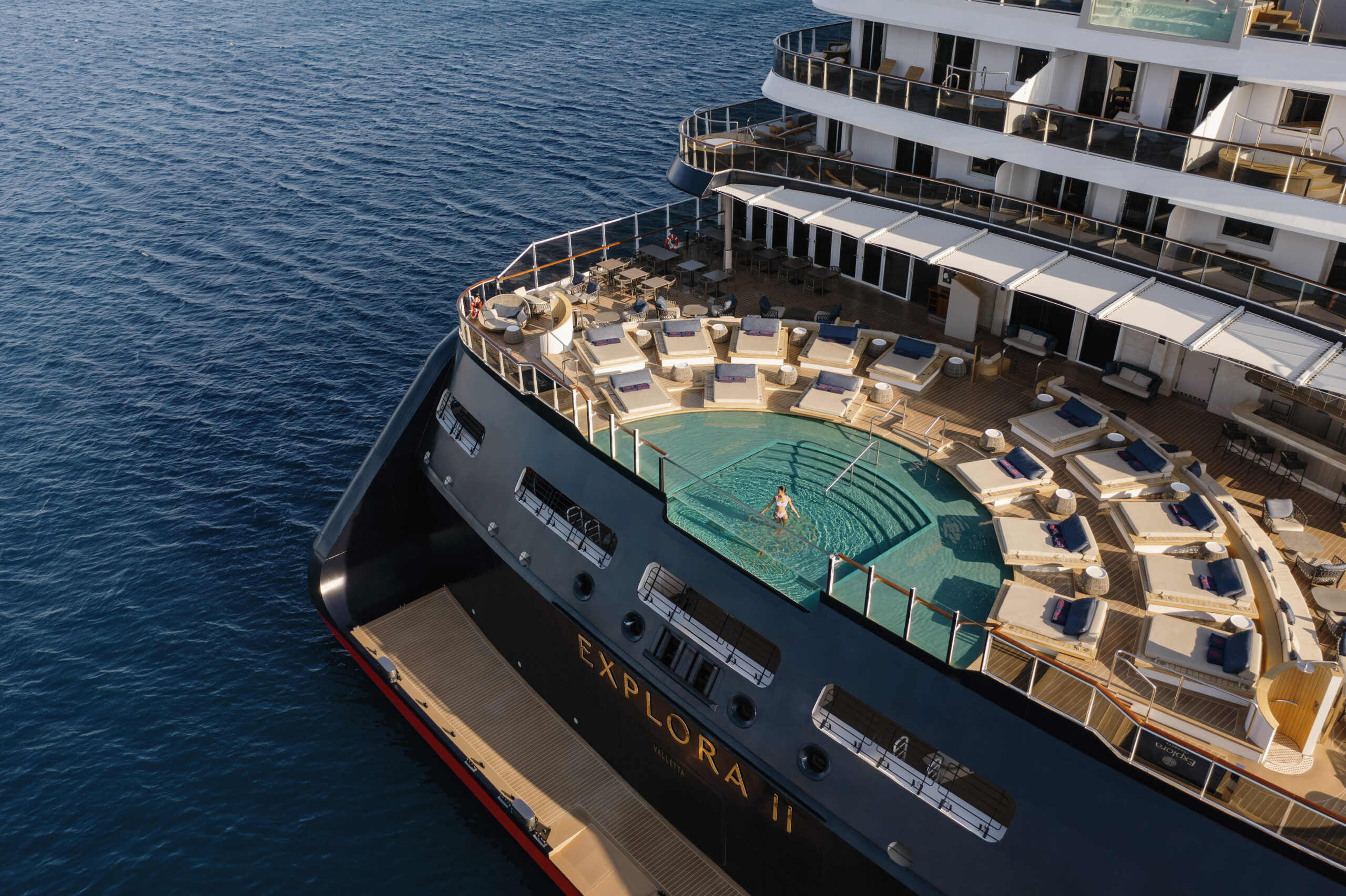
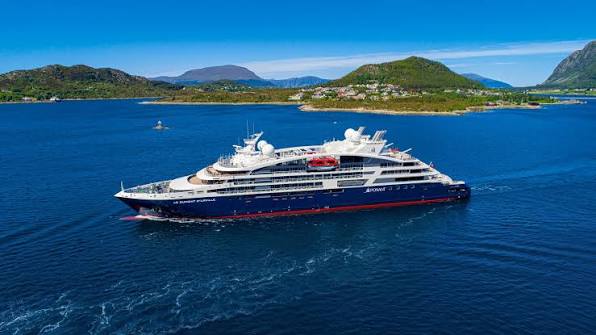
Sleek and stylish, Ponant’s wonderful Explorer yachts blend luxury and intimacy with a discreet elegance and tasteful décor.
Named after six of France’s most famous explorers, Le Champlain,
Le Lapérouse, Le Bougainville, Le Dumont d’Urville, Le Bellot and
Le Jacques Cartier offer exciting and adventurous itineraries in
the utmost comfort. Technologically advanced, with the latest in
environmentally friendly hardware, the new ships embody Ponant’s
trademark élan and flair, with just 92 spacious rooms and suites, a
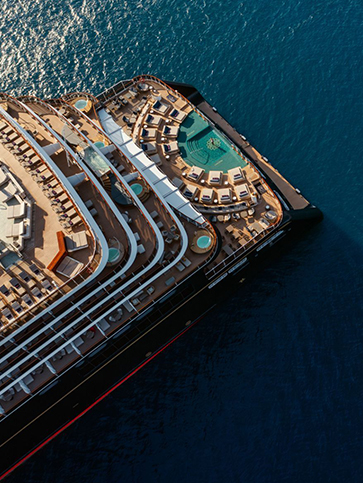
stylish pool deck and an intimate, refined onboard ambience.
Málaga has at times had its reputation dragged down by association with the overdevelopment and high rise horrors of the Costa del Sol, which is a great shame, as there is plenty to satisfy the discerning traveller. The labyrinthine historic centre is right next to the cruise port, and has been given something of a makeover in recent years. Nowadays there are plenty of chic restaurants and bars where you can ease into the rhythms of life in southern Spain, before exploring sights including the intriguing, unfinished Gothic cathedral, and a museum devoted to Málaga's most famous son, Pablo Picasso.
Cartagena was founded by the Carthaginians around 227 BC, who named it after their home city in North Africa. These days the city is best known for its well-preserved Roman theatre, which was remarkably only discovered in 1987, in spite of its location in the centre of town.
Although Ibiza is best known as a hedonistic party island, it’s easy to give the clubbers a swerve and discover the White Isle’s mellower side. The island boasts some spectacularly beautiful coastline, and the fortified Old Town (Dalt Vila) is UNESCO listed.
Smaller than Mallorca and mellower than Ibiza, Menorca is rightly feted for its beautiful, unspoilt beaches. The laid back capital, Mahón, is set on the Mediterranean’s largest natural harbour, and the city’s striking Georgian architecture is a reminder of the 18th century British occupation of the island.
Palermo is an acquired taste; noisy, chaotic and rather grimey in places. But there’s something quite intoxicating about the crumbling facades and the bustling markets, and the Arabesque style of many of the buildings hints at Sicily’s historical role as a stepping stone between Europe and North Africa.
Reggio Calabria is the main transport hub for travel to Sicily, and the seafront Lungomare promenade has great views across to Mount Etna. The city’s main attraction is the Museo Nazionale with its stunning Ancient Greek bronze statues, while the picturesque nearby town of Scilla is well worth a day trip.
The Aeolian island of Stromboli, just to the north of Sicily, is famous for being one of the most active volcanoes in the world. There are three active craters at the top of the 3,000-foot cone, and the volcano has been erupting more or less continuously for at least 2,000 years.
Founded by Greek colonists in 734 BC, Siracusa was once the largest city in the ancient world, surpassing even Athens in its splendour. Highlights include the island of Ortigia, where narrow streets are lined by beautiful Baroque architecture, and the impressive ruins at the Parco Archeologico della Neapolis on the Sicilian mainland.
Malta’s tiny capital, established by the Knights of St John, packs in an awful lot of history considering its diminutive size. The atmospheric old streets, bathed in Mediterranean sunshine, are full of attractive honey-golden buildings, along with an impressive selection of bars and restaurants.